Constructivism UI design style
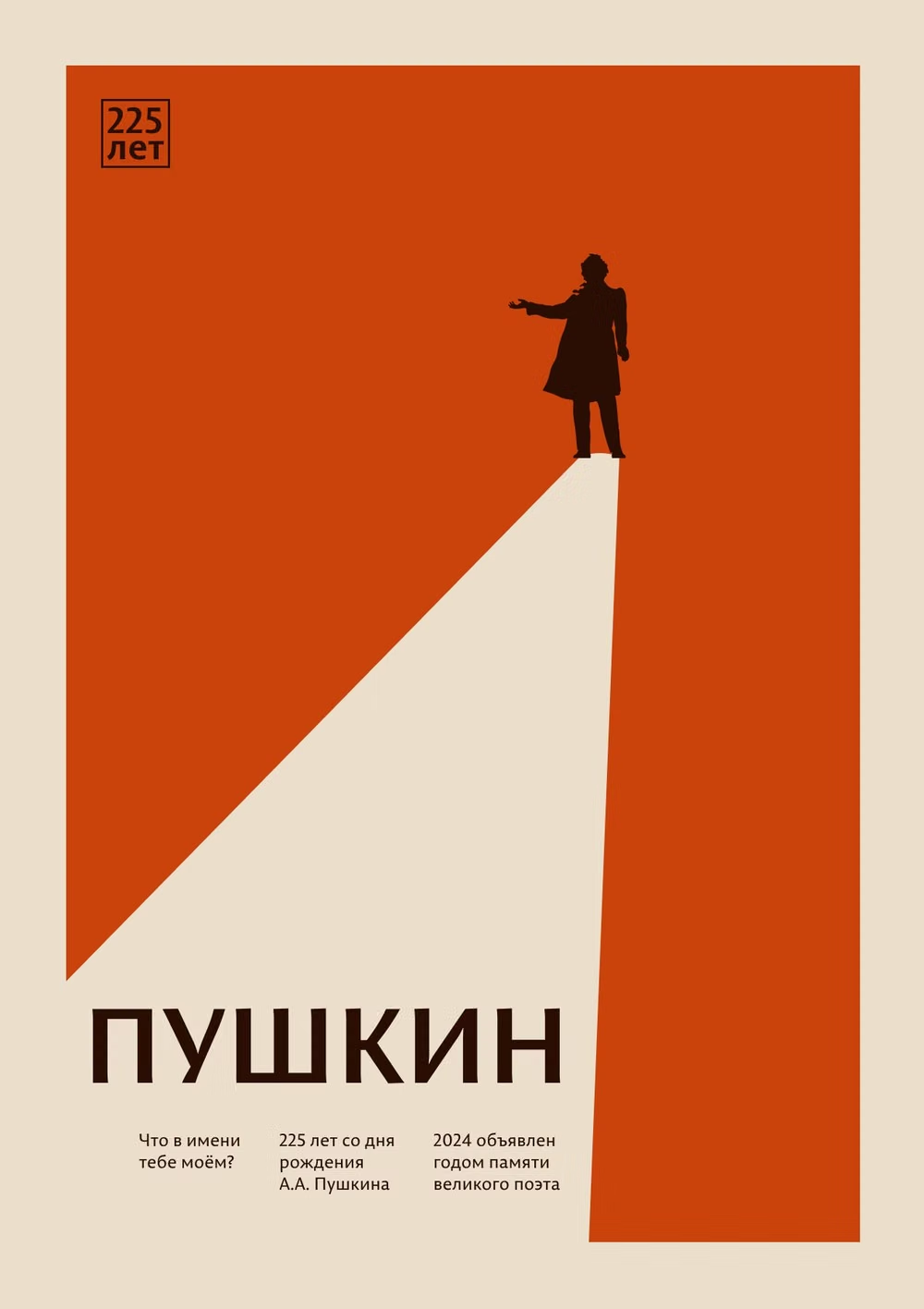
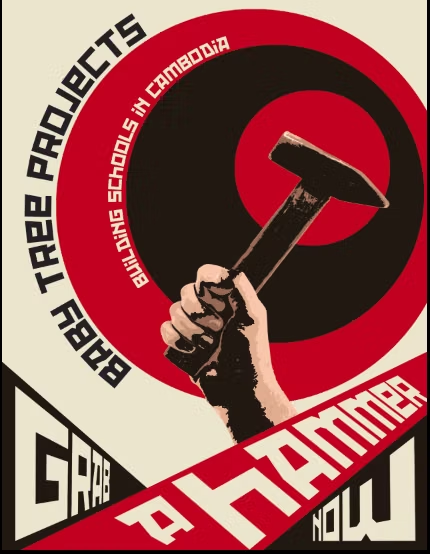
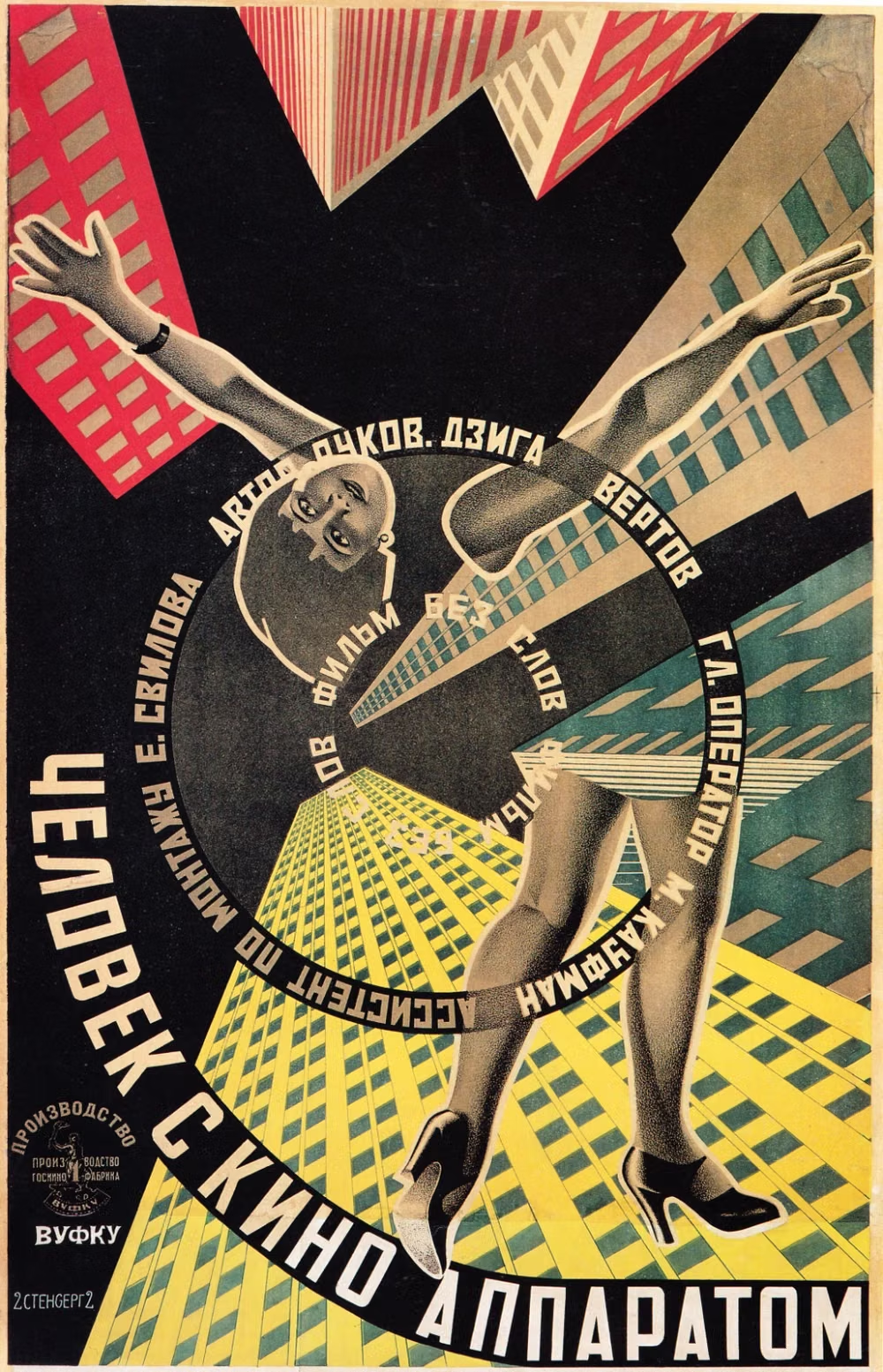
Dynamic diagonals, photomontage, bold sans-serif type, limited red-black palettes, and propagandistic visual force.
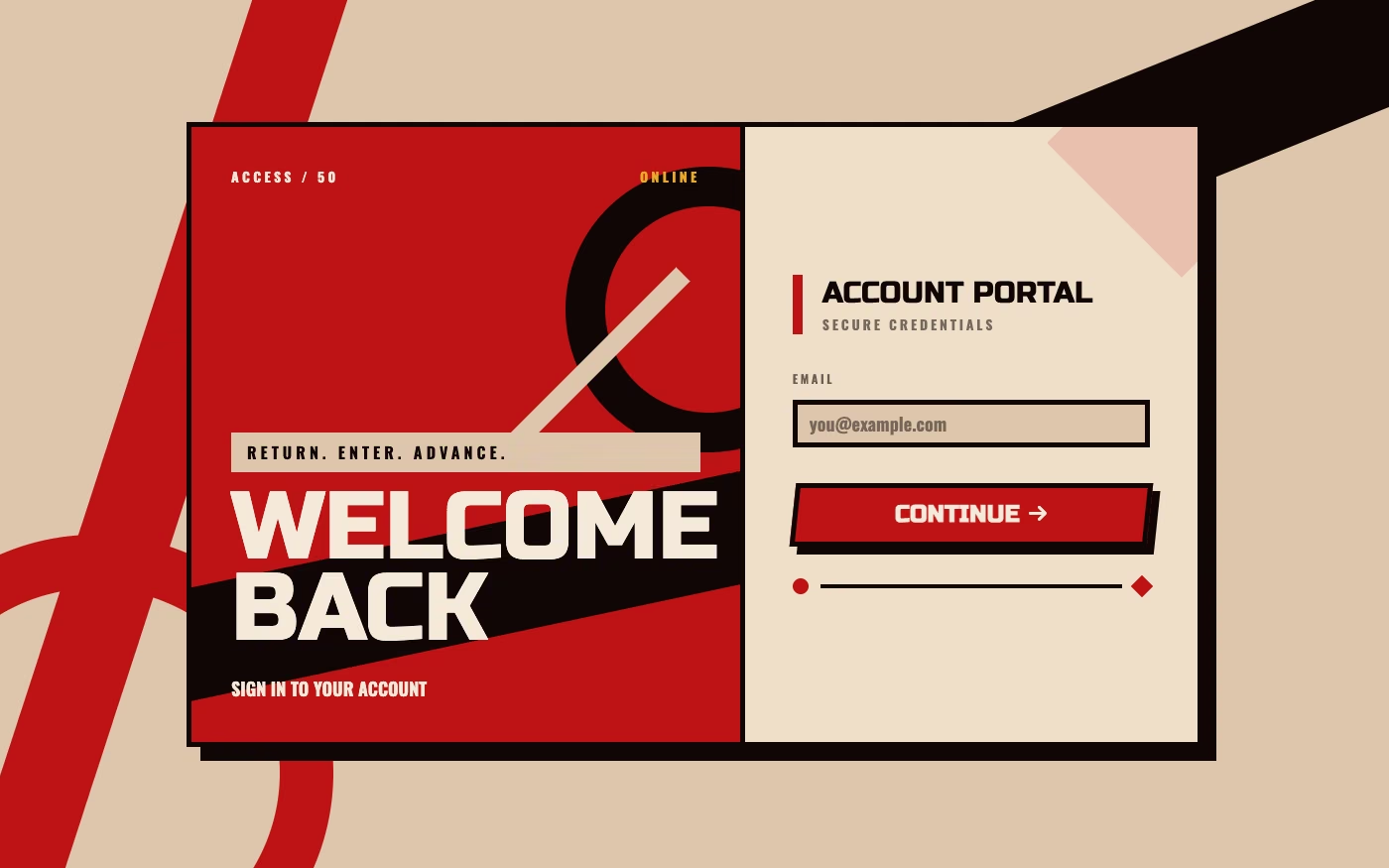
Design overview
- Signature elements
- dynamic diagonals, red-black palette, photomontage, bold condensed type, geometric wedges, propaganda energy
- Best suited to
- Culture, events, editorial projects, music, activism, and historically themed campaigns.
- Layout principles
- Drive the composition along forceful diagonals, using wedges, cropped circles, and stepped text to propel attention toward a central statement or action.
History and origins
A fact-checked account of where this visual language came from, with links to the references used.
- Period
- Late 1910s–1930s
- Origin
- Revolutionary Russia and the early Soviet Union
Constructivism emerged from the Russian avant-garde around the 1917 Revolution. Artists including Aleksandr Rodchenko and Varvara Stepanova rejected autonomous art in favor of production, communication, and social use, developing dynamic diagonals, photomontage, geometric structure, and forceful typography that later became common references in posters and interface graphics.
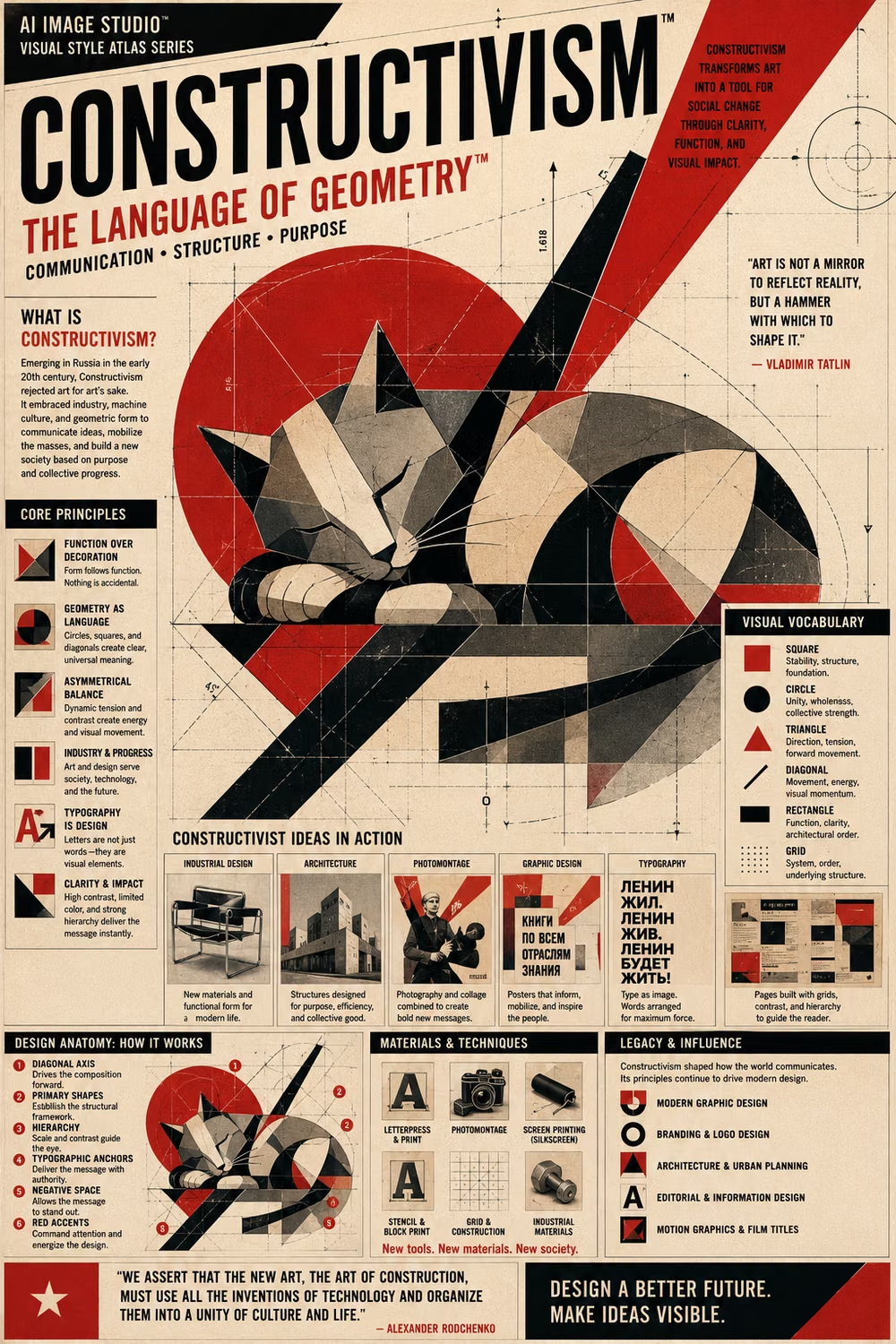
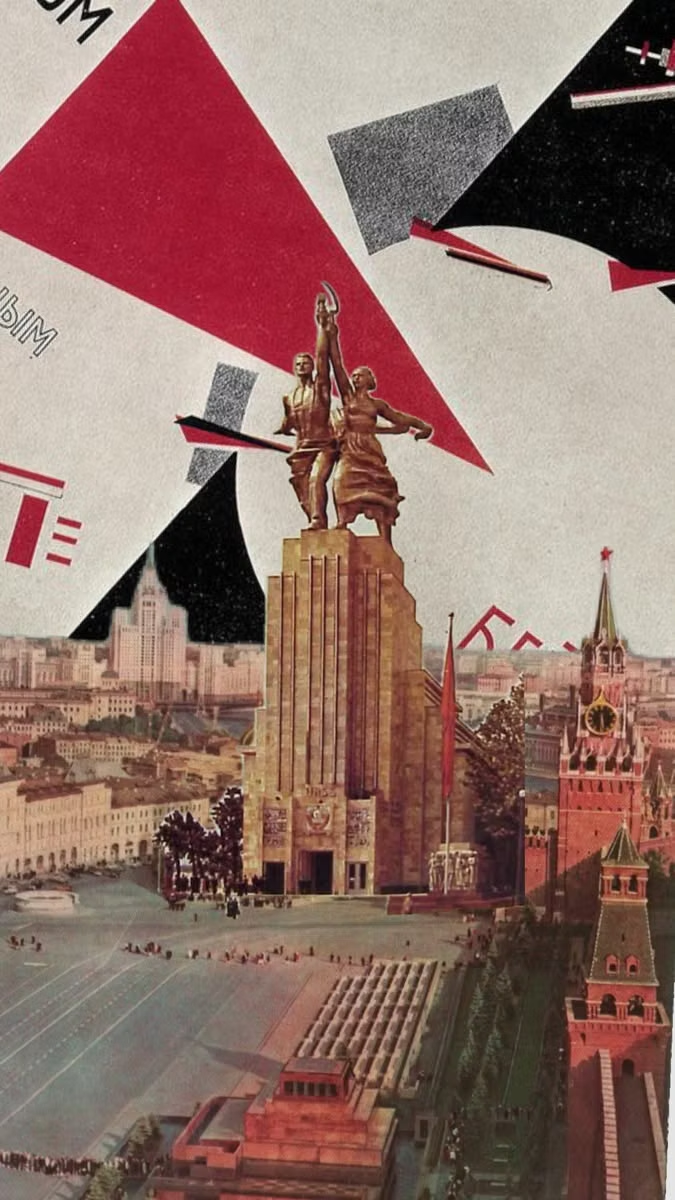
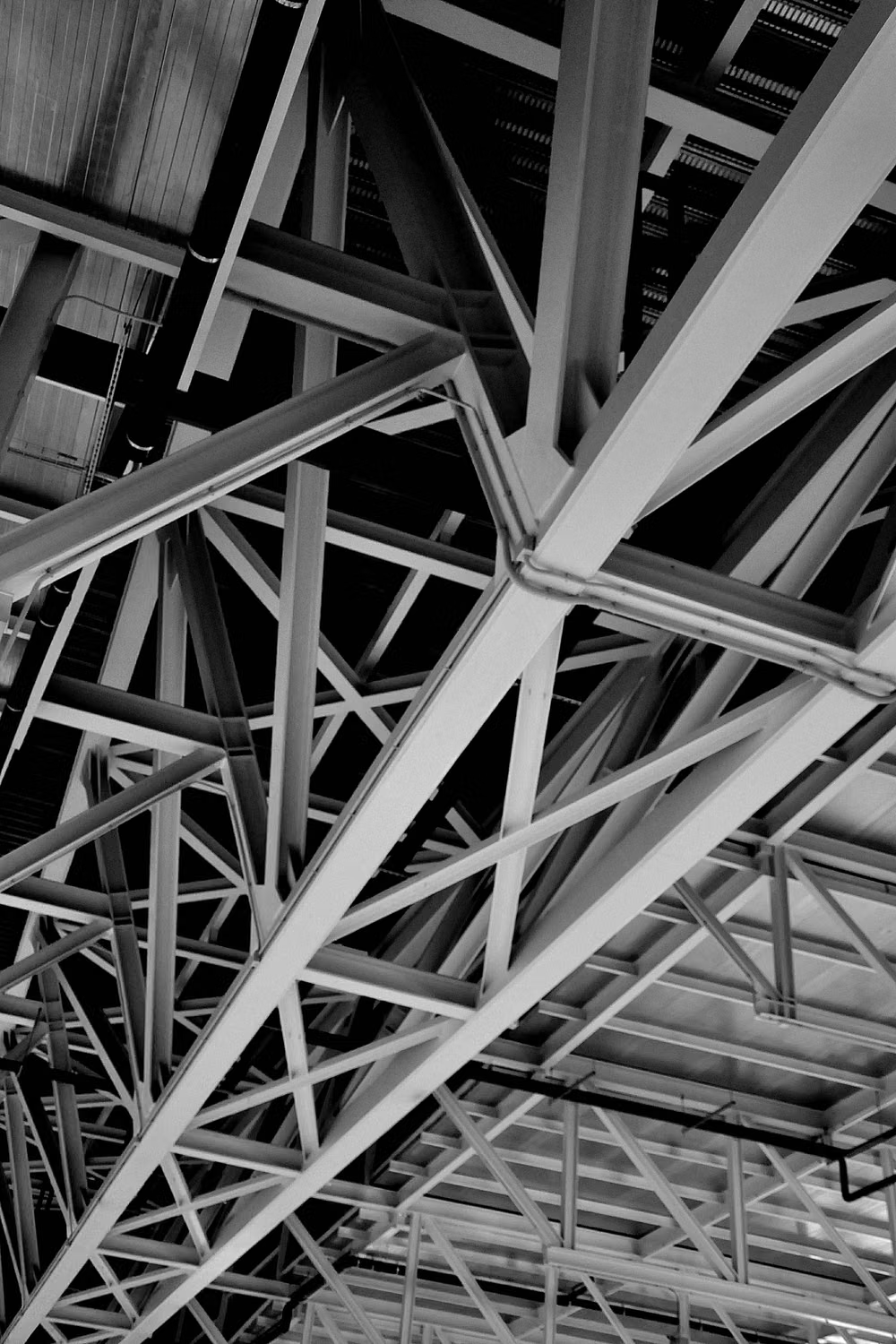
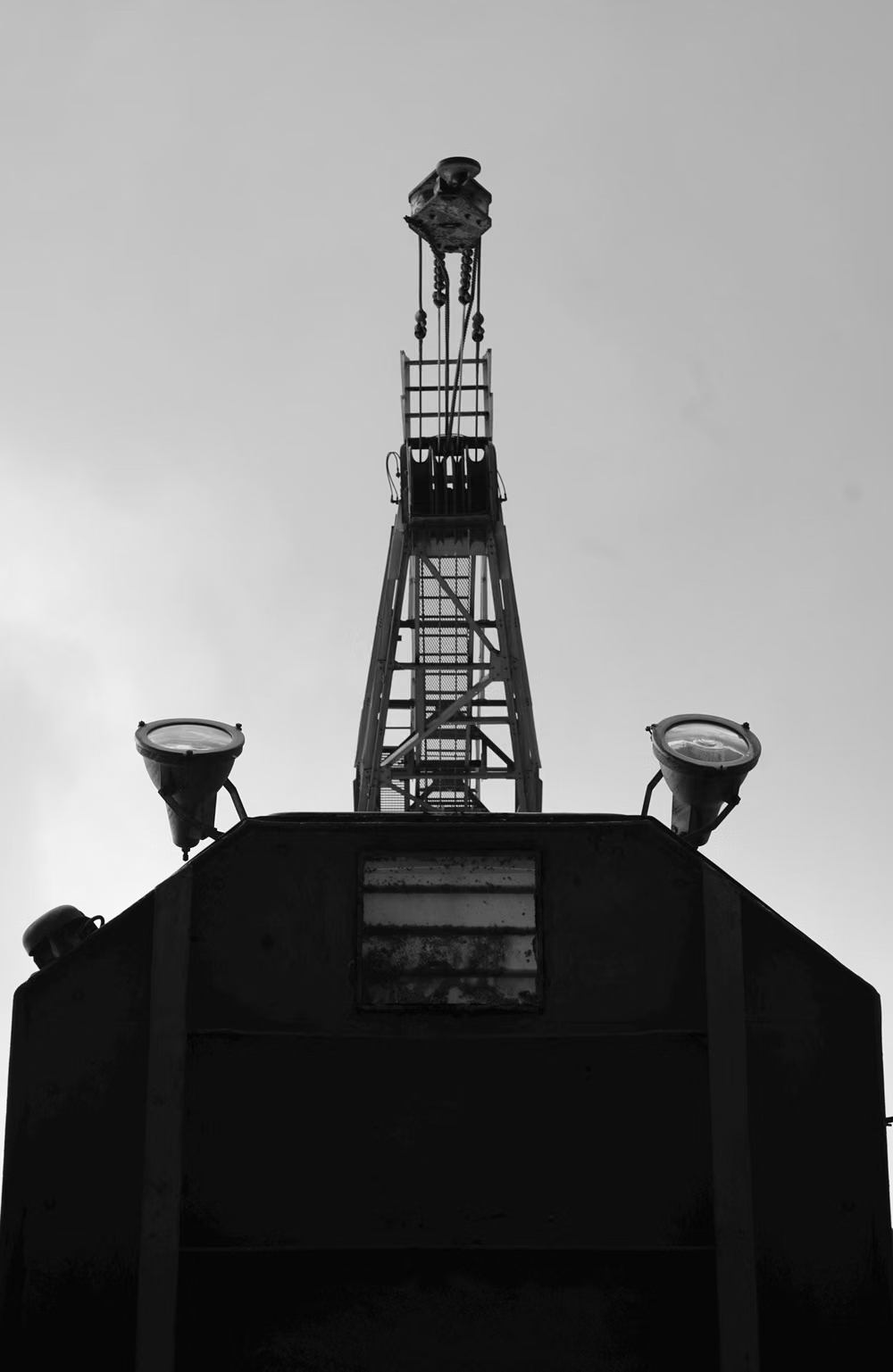
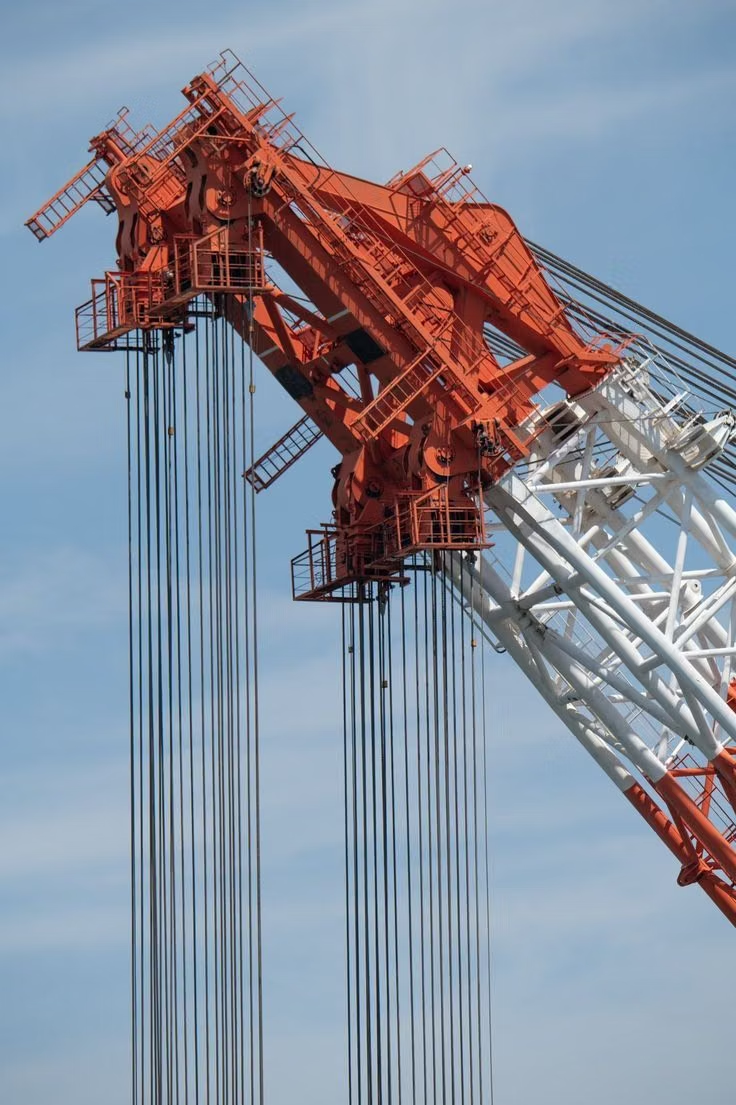
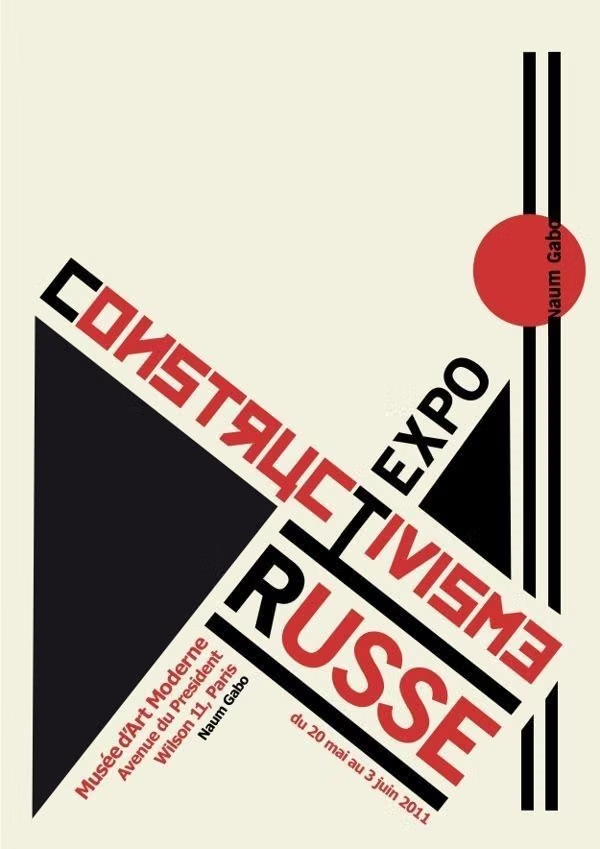
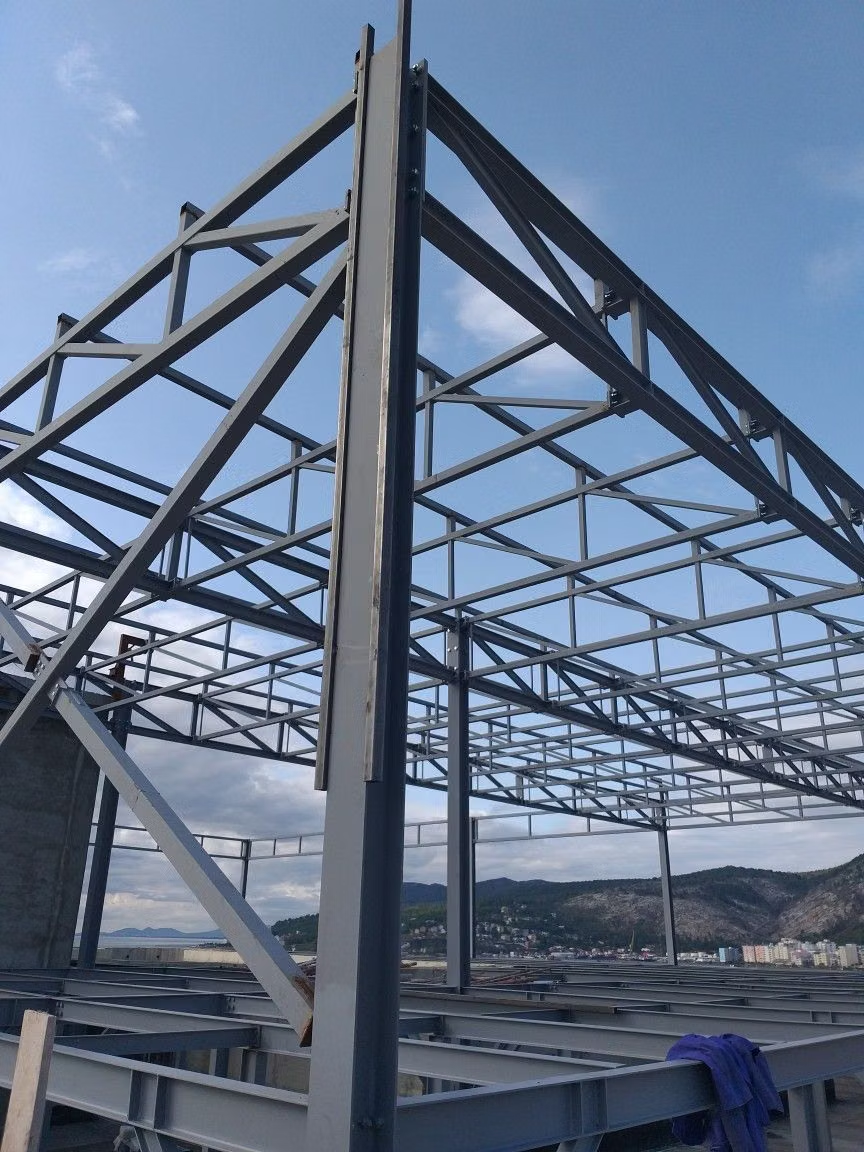
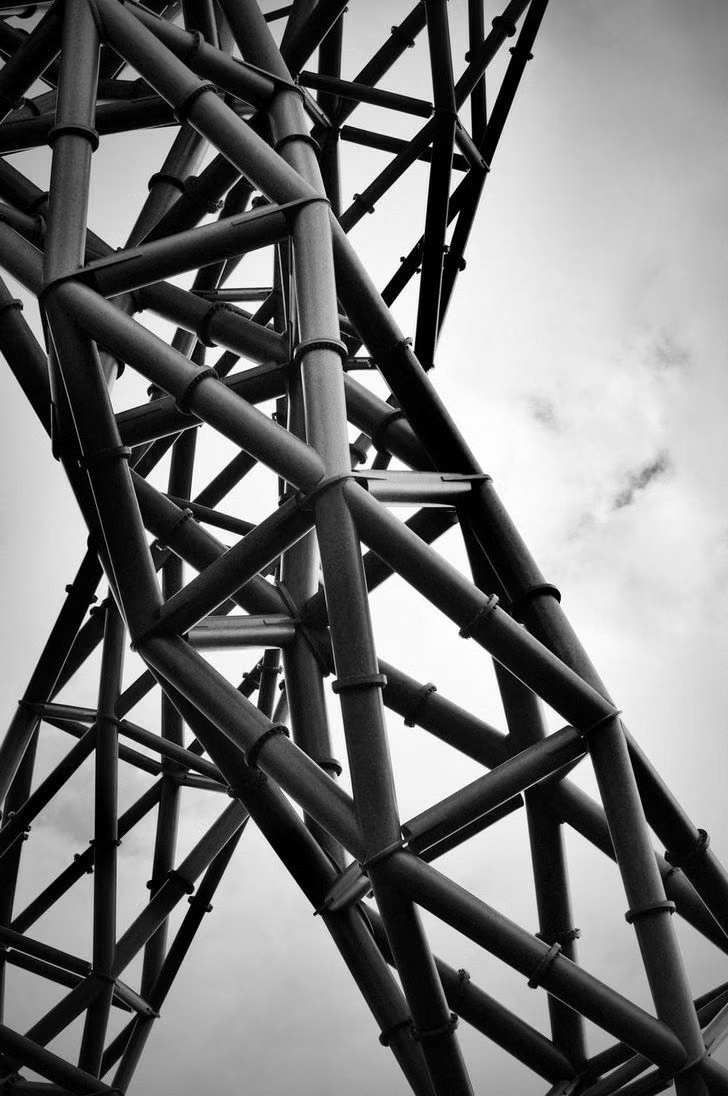
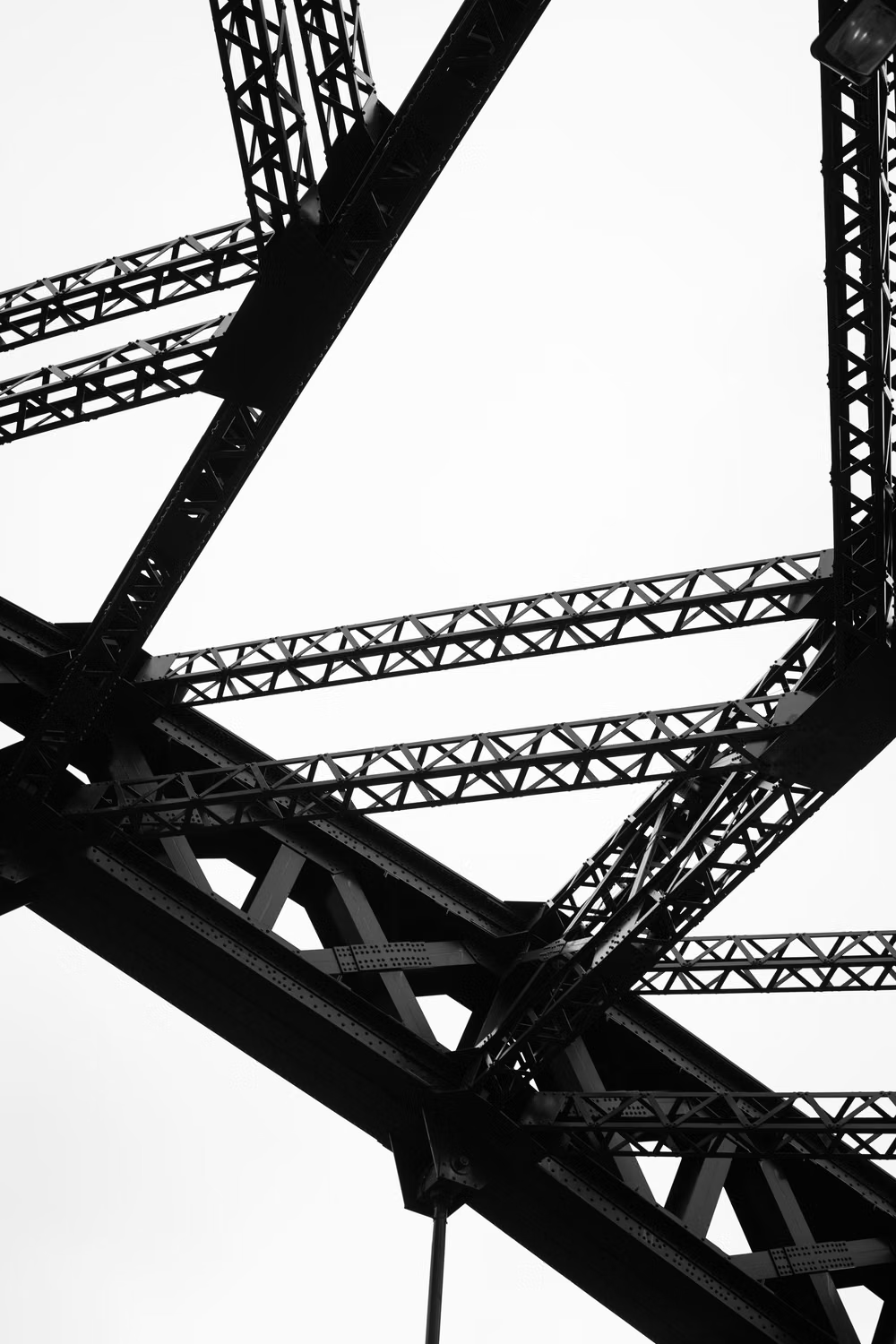
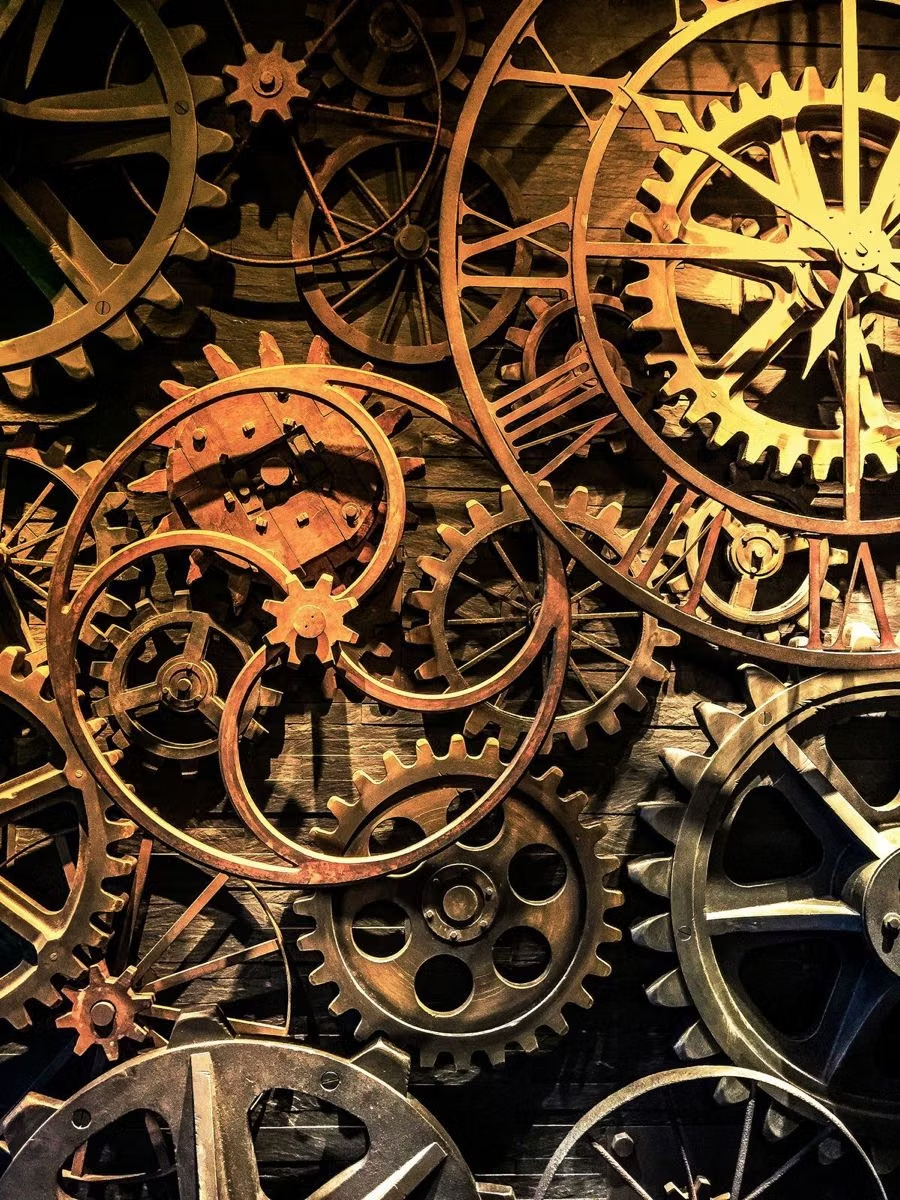
Moodboard and visual references
A visual study of the forms, inspirations, materials, colors, type, and cultural references associated with this UI design style.

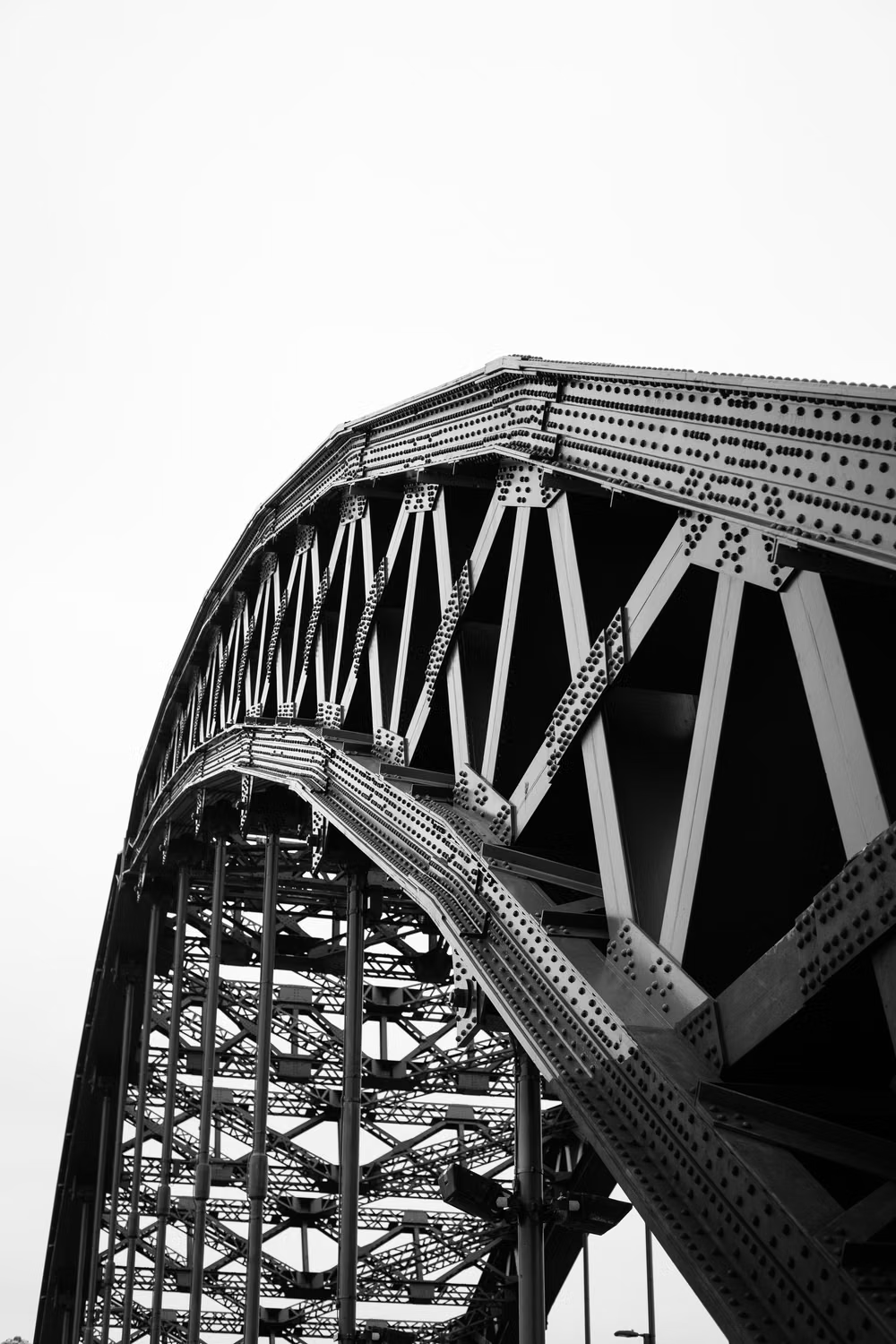
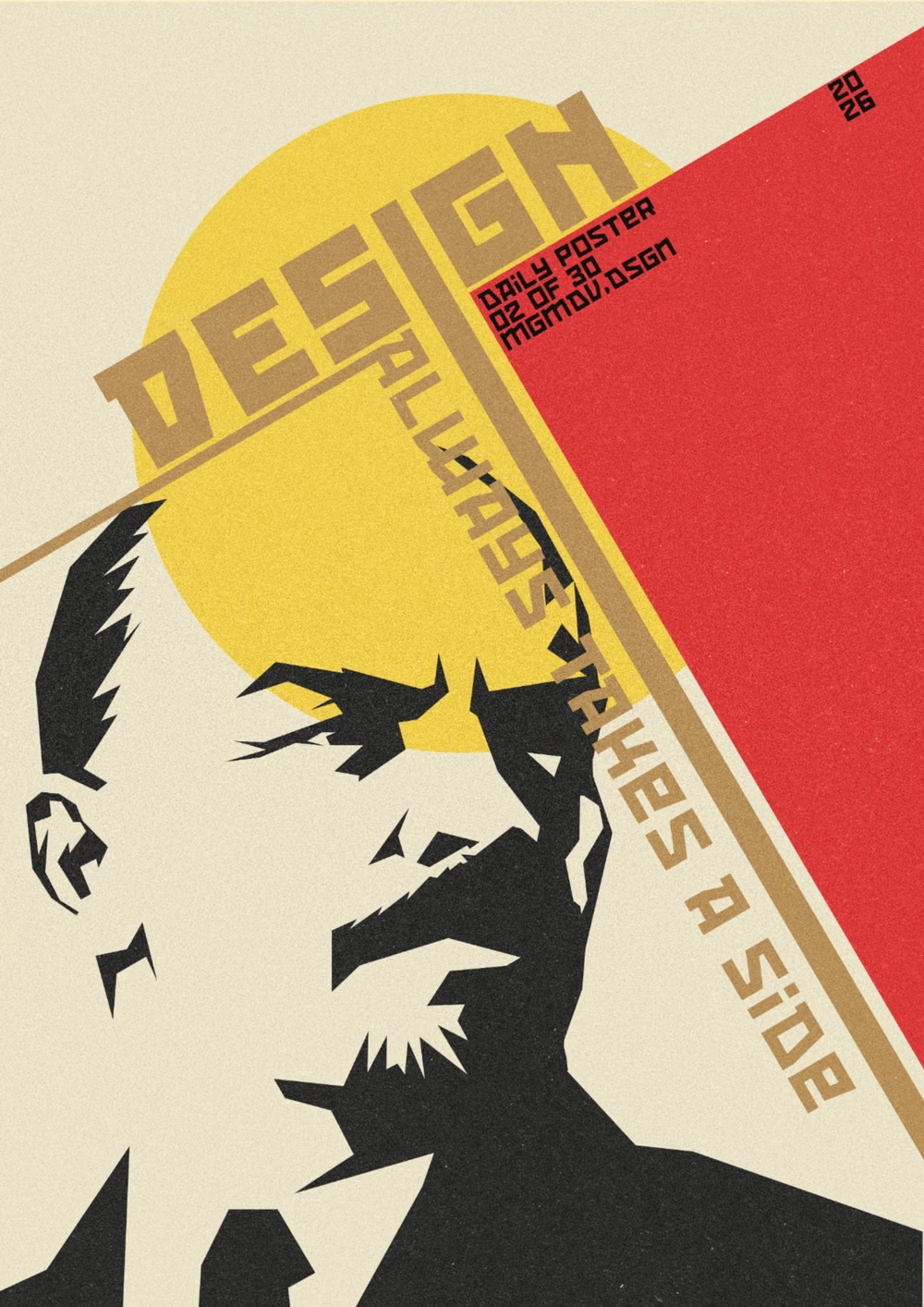
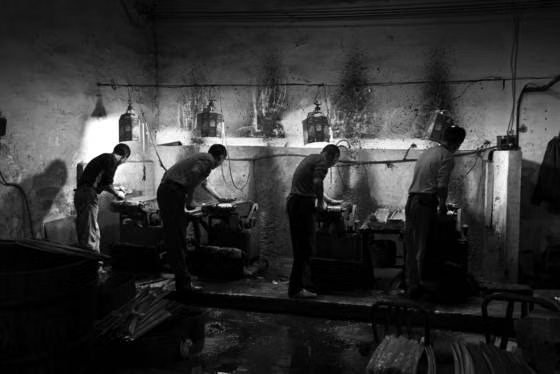
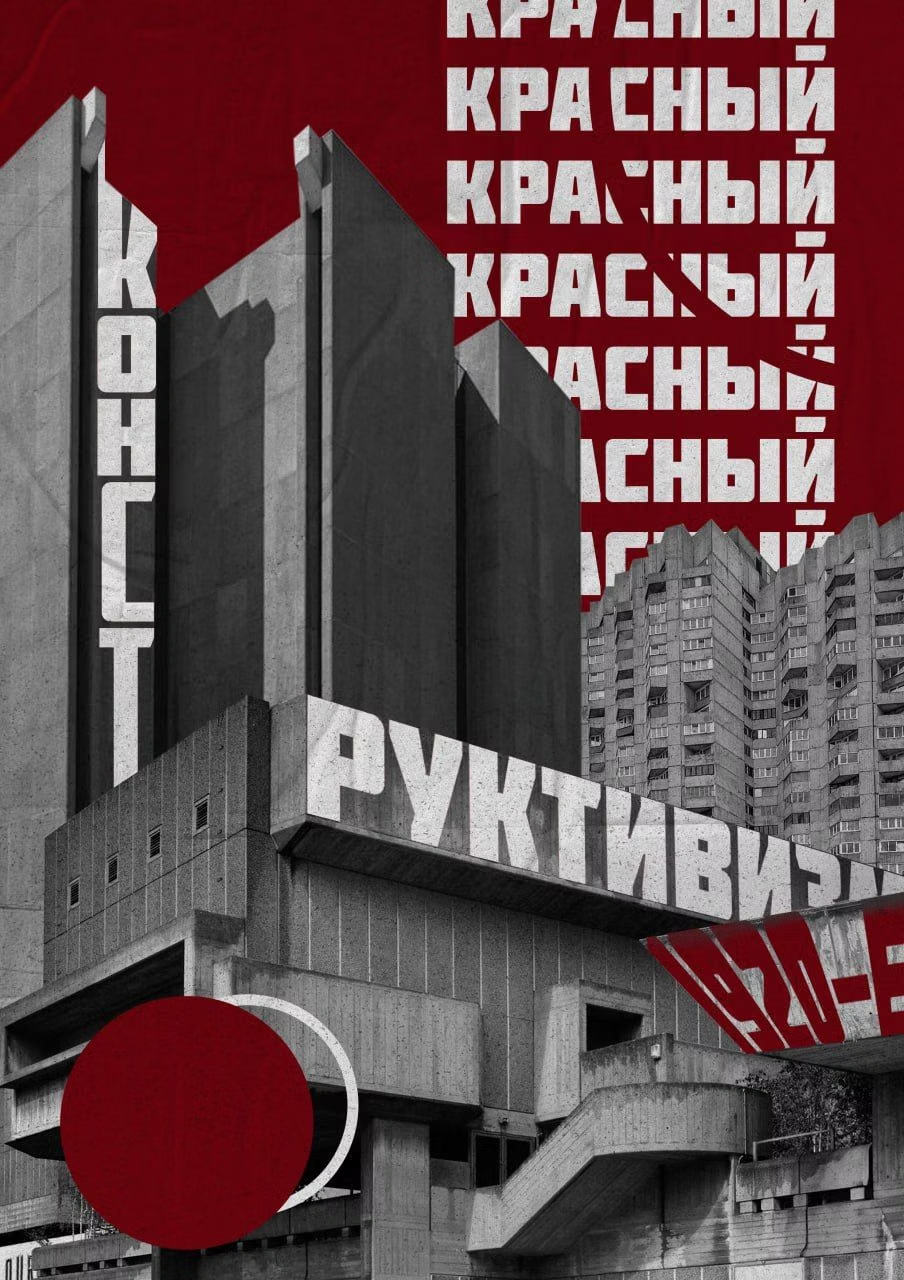

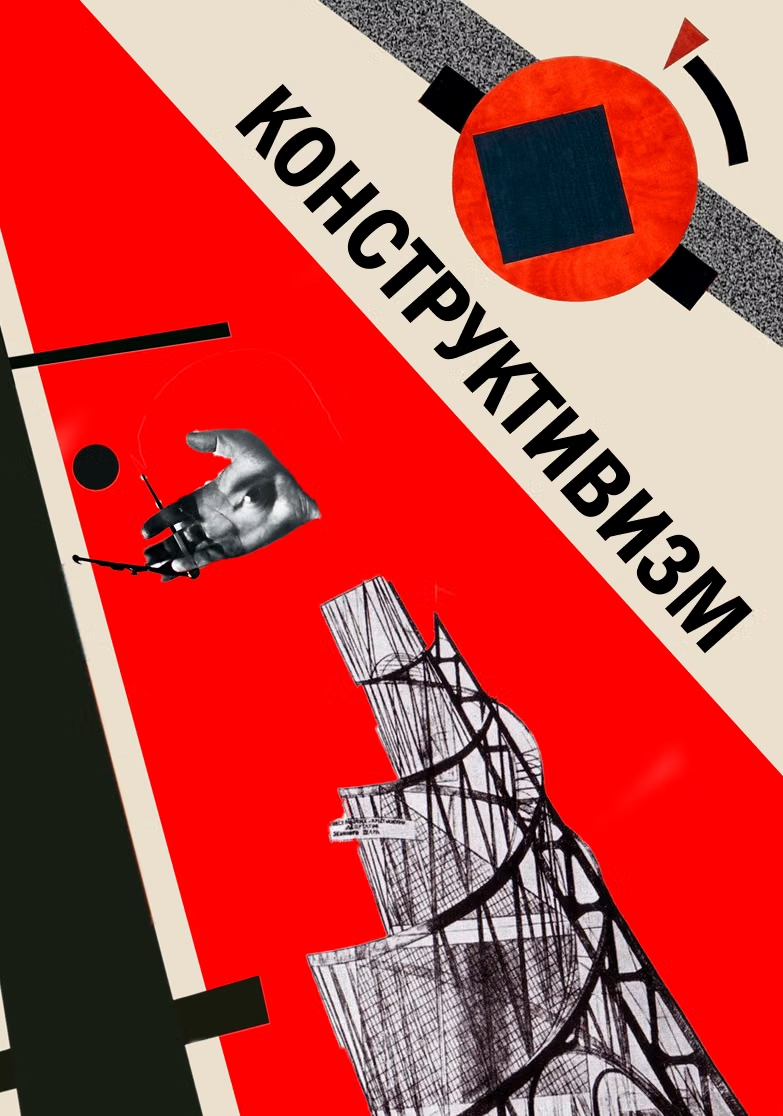

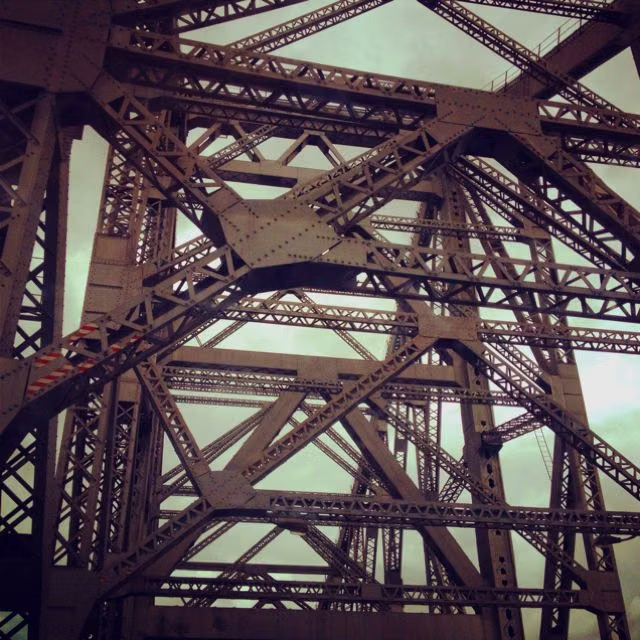
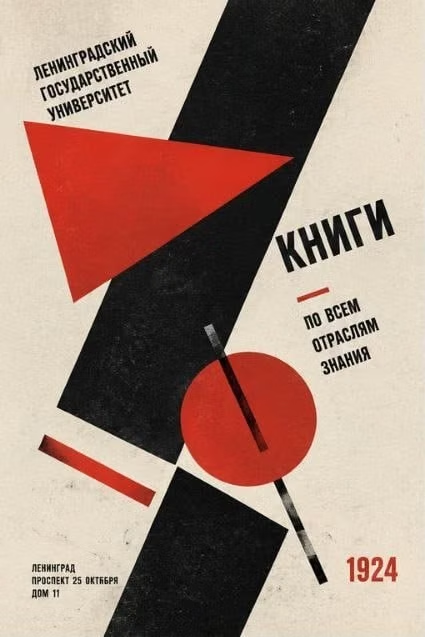
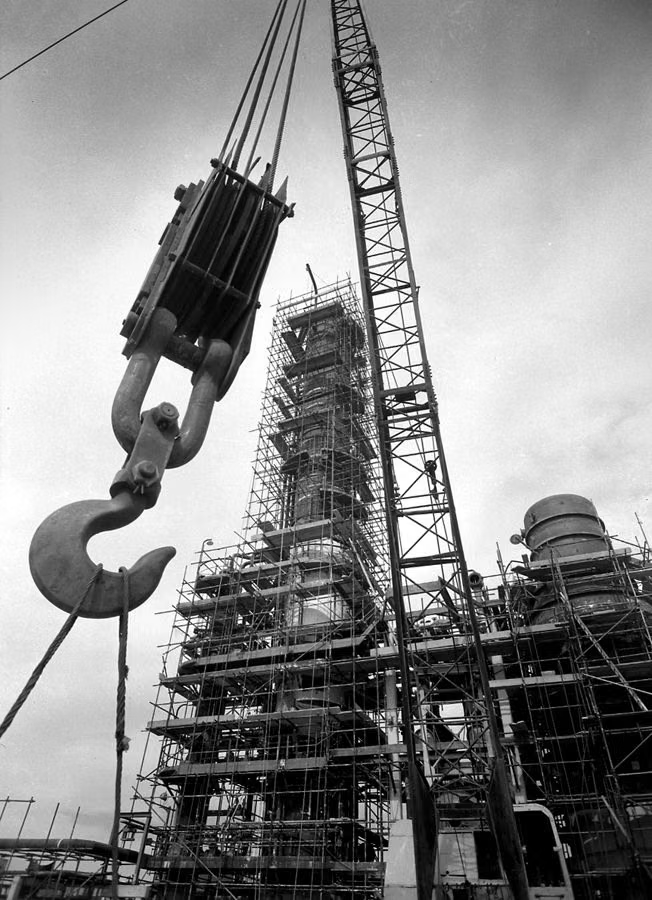

![historic factory workers black white photograph - ⚓♡salt air⊰⛵ . Ship builders factory, c1910 [PHO/NC]](../../moodboards/constructivism/28-inspiration-factory-workers.avif)

Design principles and implementation
Use these principles to write a focused AI UI design prompt instead of asking for a vague visual treatment.
Color direction
Work in red, black, and aged cream, with occasional gray photographic tones and no soft decorative palette expansion. In a daisyUI theme, use banner red for `primary`, ink black for `secondary`, and set `base-100`, `base-200`, and `base-300` to aged cream, newsprint beige, and photographic gray.
Imagery direction
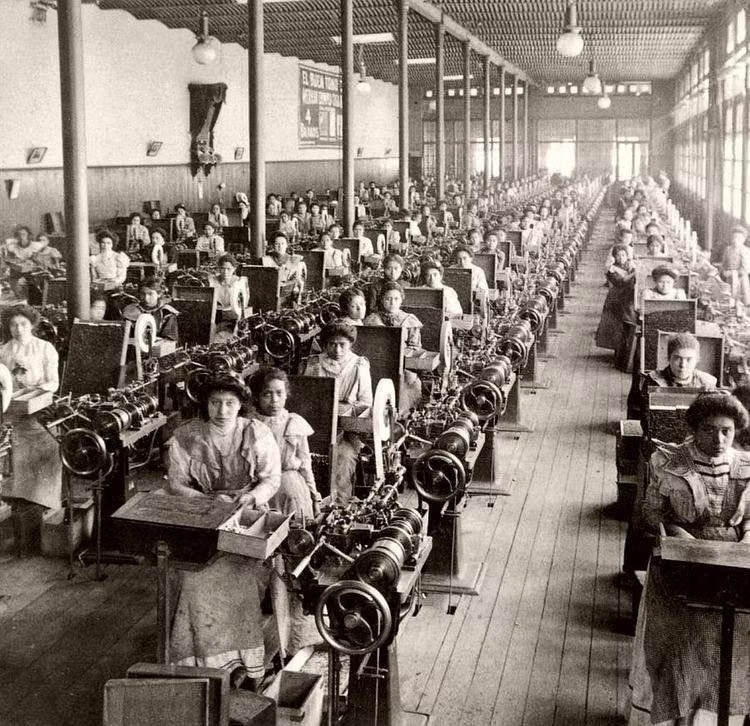
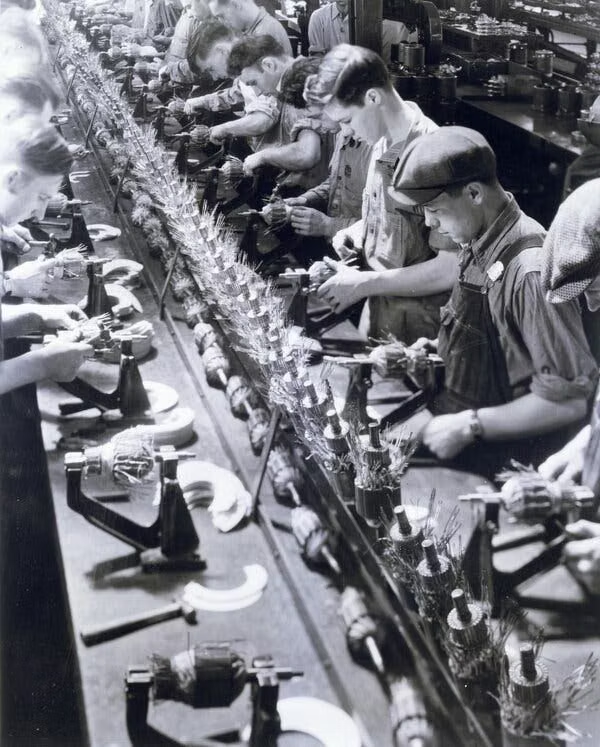
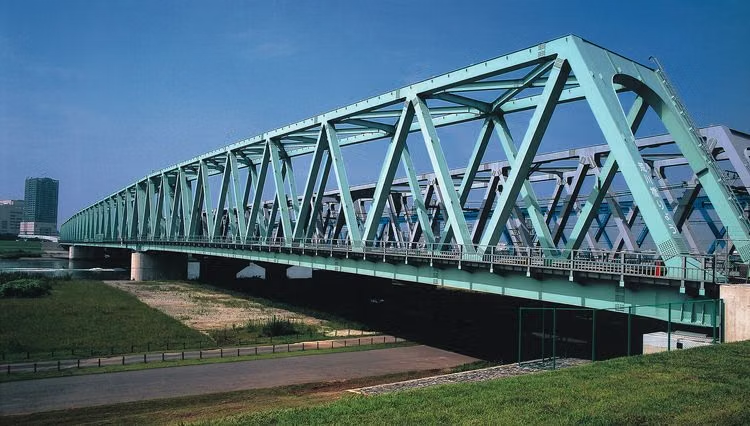
Use high-contrast photomontage, industrial machinery, workers, crowds, architecture, and paper artifacts cut into dynamic angular arrangements.
Content density
Use high visual density and compressed slogan-like copy, organizing secondary facts beneath the dominant propagandistic message.
Motion direction
Use diagonal wipes, stamped entrances, rotating wheels, rapid photomontage cuts, and forceful scale changes with machine-like cadence.
Shape language
Favor wedges, beams, concentric circles, scaffolding lines, arrows, and hard photographic crops that imply momentum and collective force. In daisyUI themes, set the `--radius-*` variables to `0` or `0.25rem`.
Typography rules
Set bold condensed sans-serif in uppercase, rotate or step short phrases along diagonals, and keep supporting information compact and plainly readable.
Suggested Typfaces
Russo One
Fresh daisies glow in warm sunlight
Fresh daisies glow in warm sunlight
1 2 3 4 5 6 7 8 9 0
Oswald
Fresh daisies glow in warm sunlight
Fresh daisies glow in warm sunlight
1 2 3 4 5 6 7 8 9 0
Archivo Black
Fresh daisies glow in warm sunlight
Fresh daisies glow in warm sunlight
1 2 3 4 5 6 7 8 9 0
Roboto Condensed
Fresh daisies glow in warm sunlight
Fresh daisies glow in warm sunlight
1 2 3 4 5 6 7 8 9 0
Bebas Neue
Fresh daisies glow in warm sunlight
Fresh daisies glow in warm sunlight
1 2 3 4 5 6 7 8 9 0
Build a Constructivism interface with daisyUI
The live example translates this direction into daisyUI components and semantic theme tokens.
To generate a full page in the same visual language, give the style name and the design rules above to Blueprint MCP.
Related UI design styles
Compare nearby visual languages that share typography, shapes, use cases, or signature elements.
Sports Brutalism UI design style
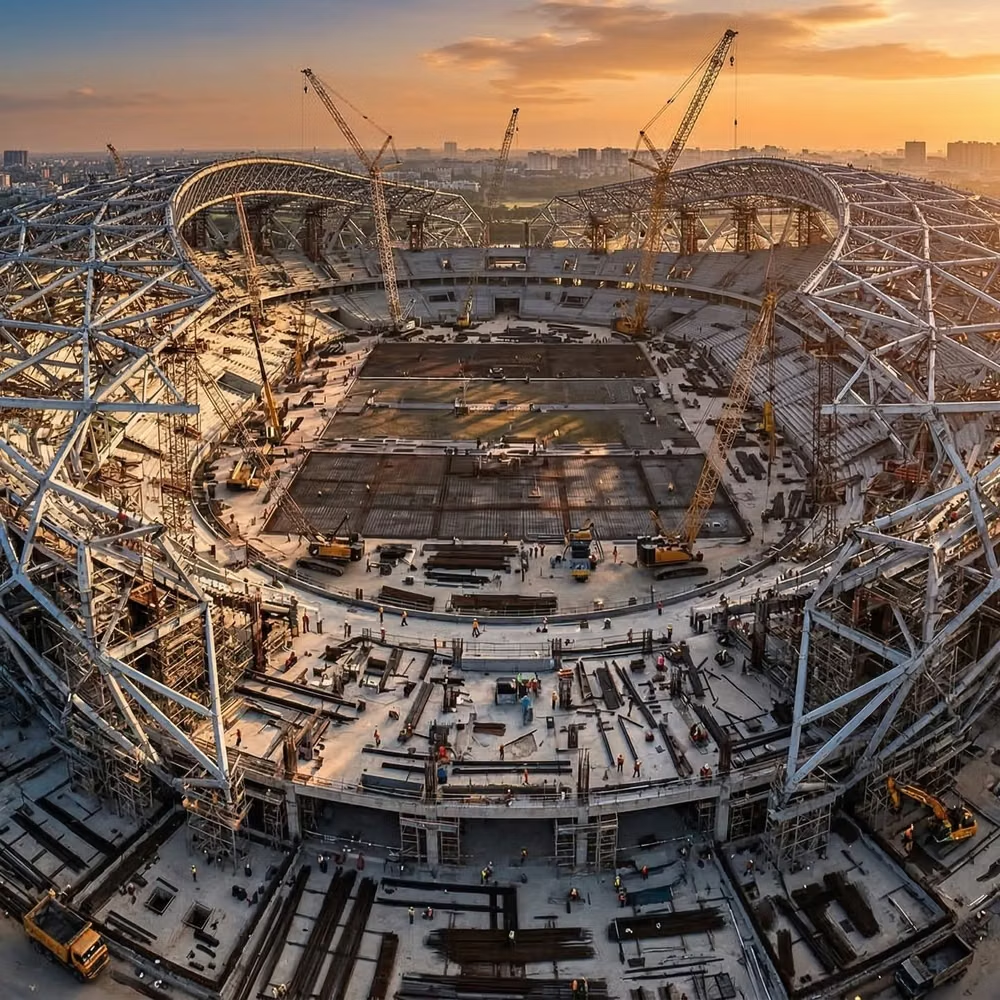
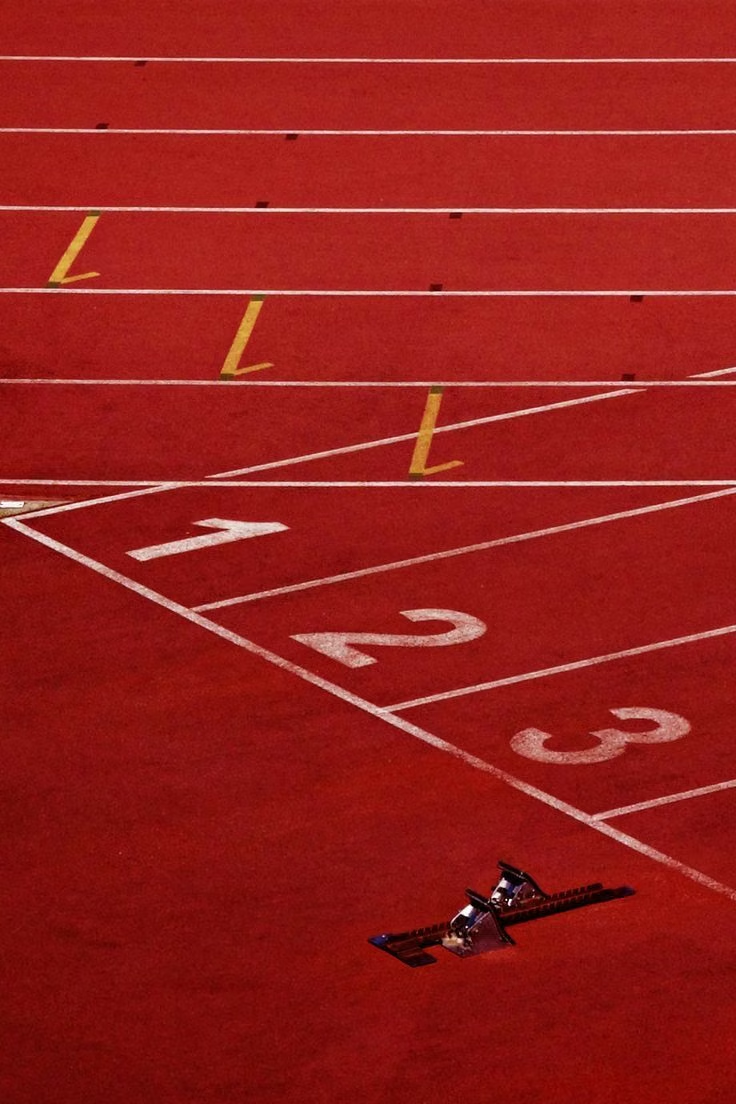
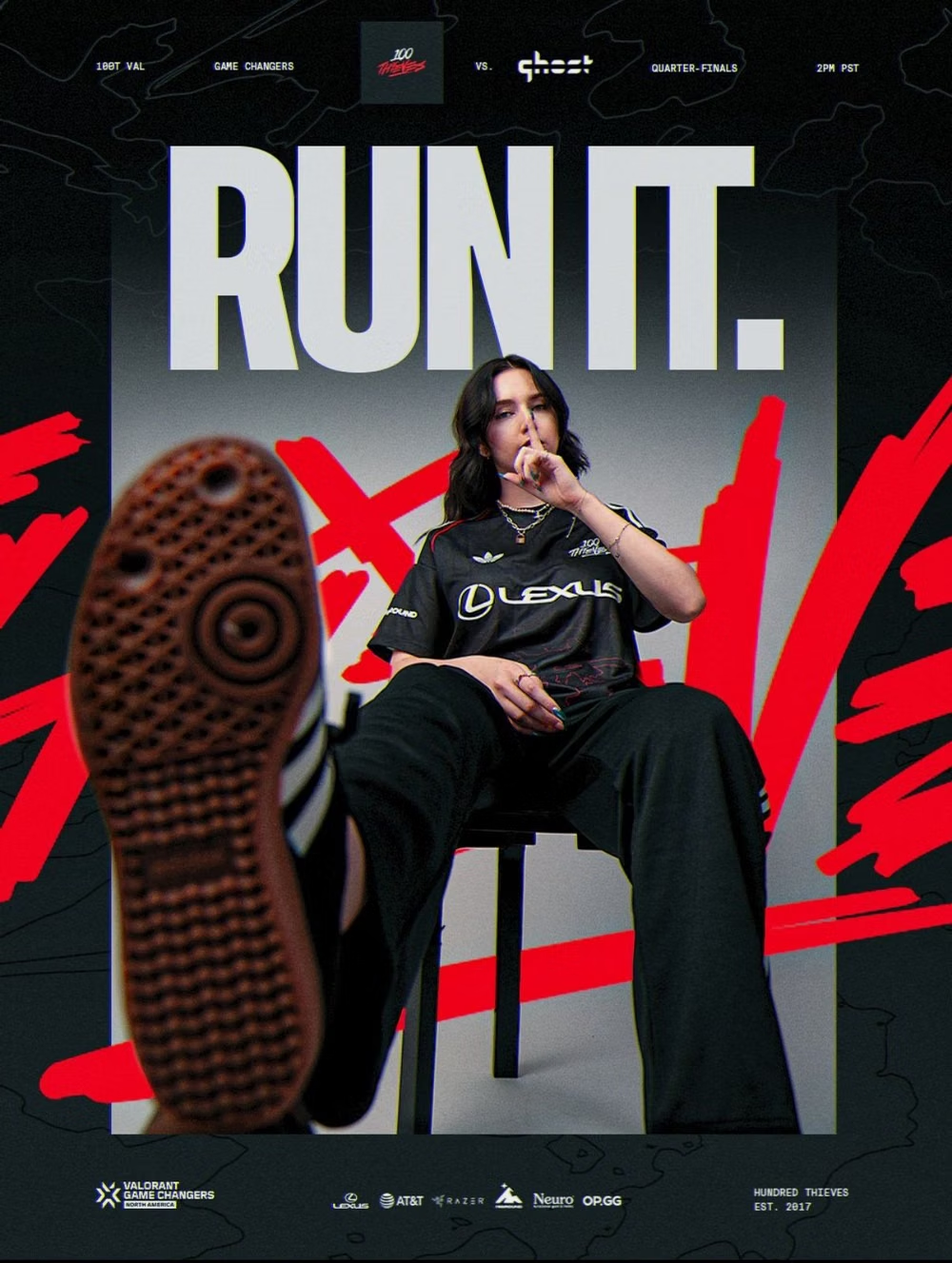
Condensed type, hard grids, scoreboards, halftones, high-contrast photography, oversized numbers, and aggressive overlays.
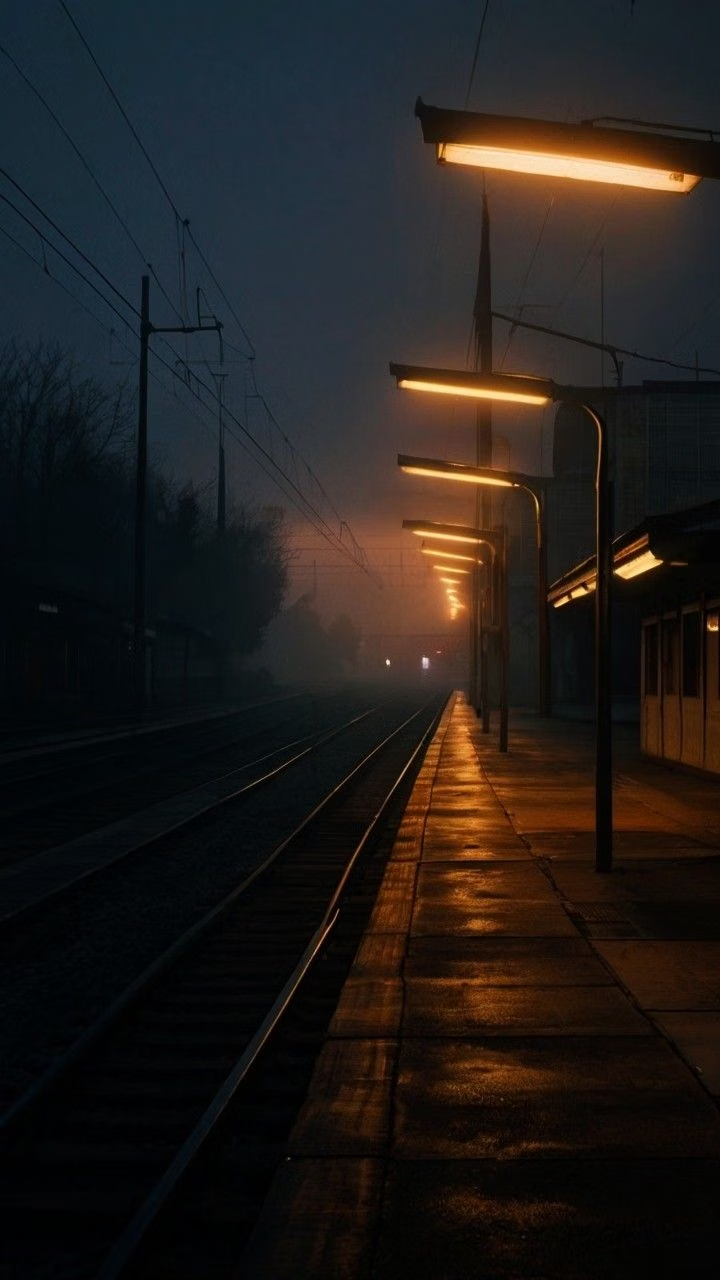
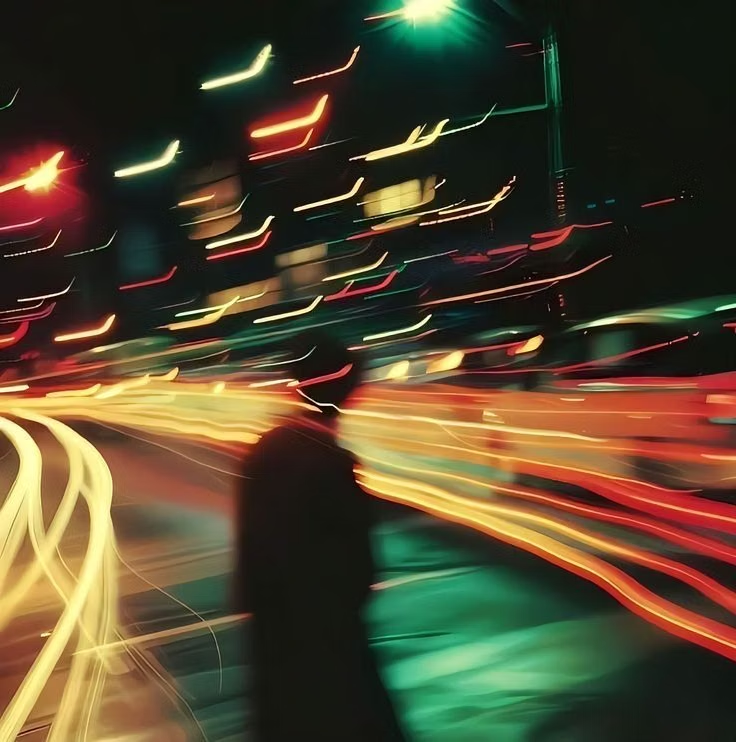
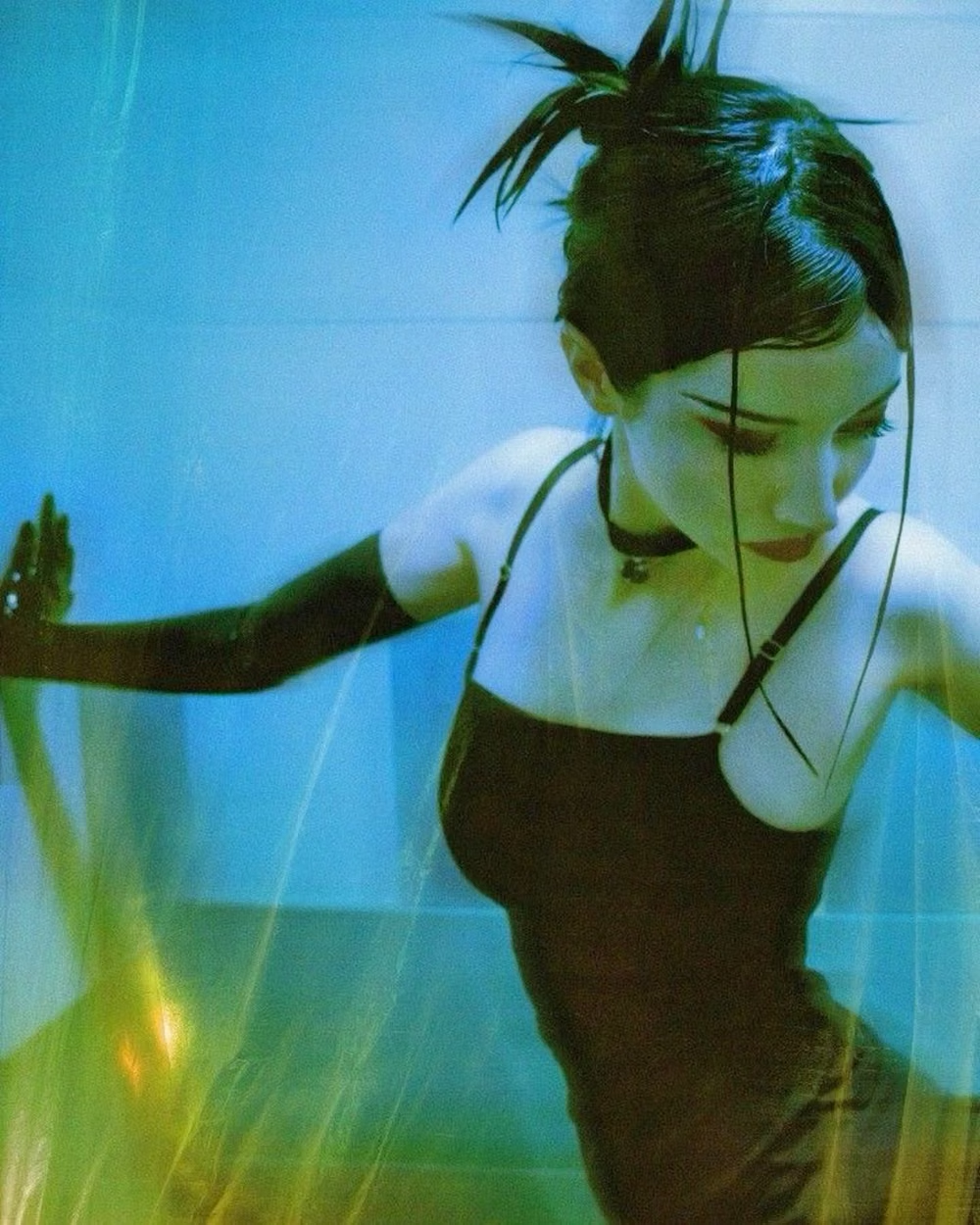
Gen-X Soft Club UI design style
Late-1990s and early-2000s urban futurism softens Y2K gloss through muted color, minimalist typography, blurred photography, and a sterile-meets-organic mood.
Heroic Realism UI design style
Idealized naturalistic figures become monumental symbols of strength, labor, unity, and progress in the legible, emotionally direct language of twentieth-century propaganda art.