Heroic Realism UI design style
Idealized naturalistic figures become monumental symbols of strength, labor, unity, and progress in the legible, emotionally direct language of twentieth-century propaganda art.
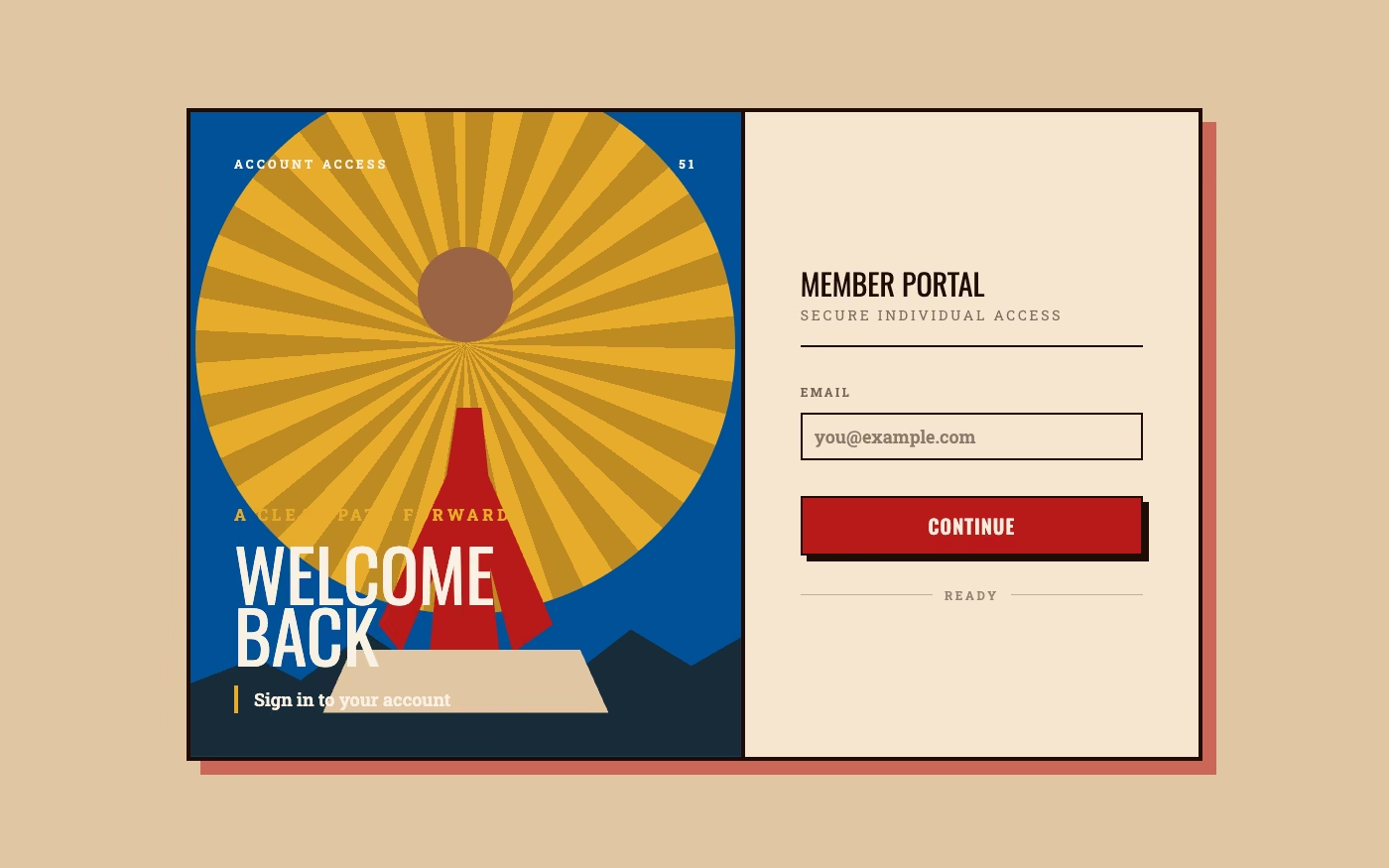
Design overview
- Signature elements
- idealized workers and citizens, upward gazes, low-angle monumentality, banners and sun rays, industrial horizons, declarative slogans
- Best suited to
- Museums, historical interpretation, civic storytelling, sports, industrial heritage, and knowingly monumental campaigns.
- Layout principles
- Build a triangular or processional composition around one commanding figure or unified group, using a low viewpoint and clear forward or upward movement toward the central message.
History and origins
A fact-checked account of where this visual language came from, with links to the references used.
- Period
- Especially prominent in state art of the 1930s–1950s
- Origin
- Multiple national propaganda systems, including the Soviet Union and fascist Europe
Heroic Realism is a broad and politically charged label for idealized, legible depictions of workers, soldiers, leaders, and national bodies. It overlaps with Soviet Socialist Realism and with visual propaganda used by fascist regimes, so it should not be treated as a neutral unified school; current design usually borrows its monumental scale, low viewpoints, rays, and declarative type while separating those devices from their original ideology.
Moodboard and visual references
A visual study of the forms, inspirations, materials, colors, type, and cultural references associated with this UI design style.
Design principles and implementation
Use these principles to write a focused AI UI design prompt instead of asking for a vague visual treatment.
Color direction
Use banner red, warm gold, cream, cobalt, earth, and steel tones in broad modeled areas, with radiant light reserved for the promised goal or collective horizon. In a daisyUI theme, use banner red or cobalt for `primary`, warm gold for `secondary`, and build `base-100`, `base-200`, and `base-300` from cream, pale earth, and muted steel-gray surfaces.
Imagery direction
Commission painterly realist scenes of workers, farmers, soldiers, athletes, scientists, or citizens idealized against industry, agriculture, construction, or space, and retain historical context when quoting propaganda.
Content density
Keep copy low and rhetorical, pairing one concise slogan with a monumental image and moving dates, sources, or interpretation into a plainly separated information region.
Motion direction
Use slow banner unfurls, marching parallax, rising light, sequential crowd reveals, and weighty forward motion rather than playful or decorative effects.
Shape language
Favor ascending triangles, radiating suns, broad banners, monumental plinths, strong diagonals, and simplified industrial silhouettes that reinforce collective scale. In daisyUI themes, set the `--radius-*` variables to `0` or `0.25rem`.
Typography rules
Set short statements in heavy condensed capitals or a forceful slab, maintain uncompromised legibility, and avoid imitating a specific political script or insignia without relevant context.
Suggested Typfaces
Oswald
Fresh daisies glow in warm sunlight
Fresh daisies glow in warm sunlight
1 2 3 4 5 6 7 8 9 0
Roboto Slab
Fresh daisies glow in warm sunlight
Fresh daisies glow in warm sunlight
1 2 3 4 5 6 7 8 9 0
Archivo Black
Fresh daisies glow in warm sunlight
Fresh daisies glow in warm sunlight
1 2 3 4 5 6 7 8 9 0
Teko
Fresh daisies glow in warm sunlight
Fresh daisies glow in warm sunlight
1 2 3 4 5 6 7 8 9 0
Bebas Neue
Fresh daisies glow in warm sunlight
Fresh daisies glow in warm sunlight
1 2 3 4 5 6 7 8 9 0
Build a Heroic Realism interface with daisyUI
The live example translates this direction into daisyUI components and semantic theme tokens.
To generate a full page in the same visual language, give the style name and the design rules above to Blueprint MCP.
Related UI design styles
Compare nearby visual languages that share typography, shapes, use cases, or signature elements.
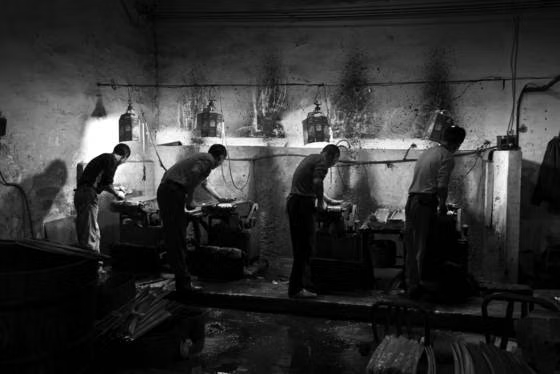
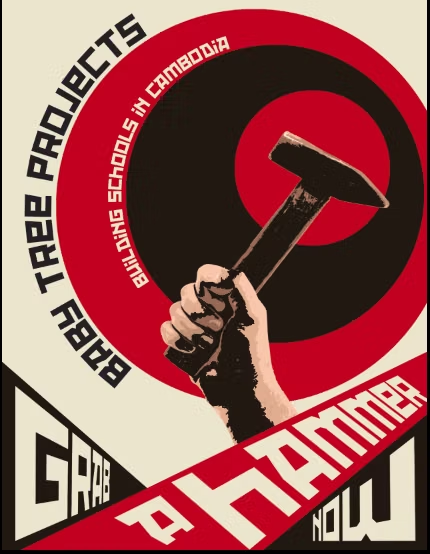
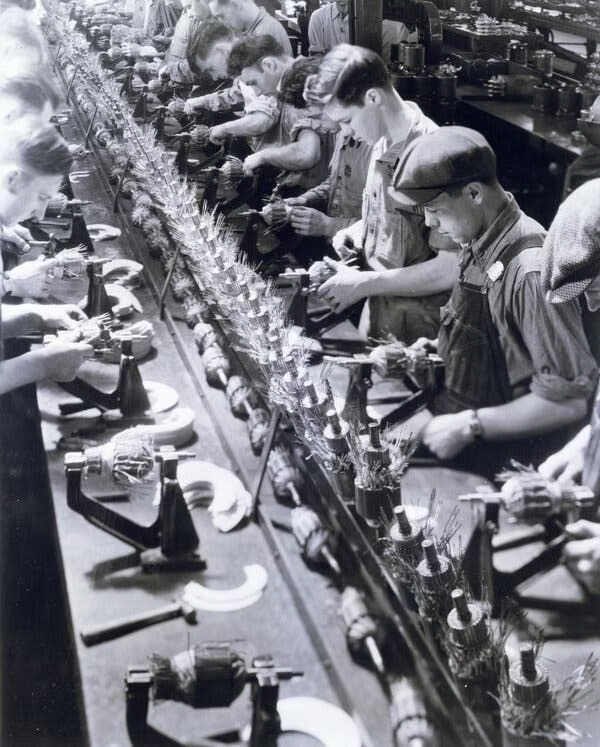
Constructivism UI design style
Dynamic diagonals, photomontage, bold sans-serif type, limited red-black palettes, and propagandistic visual force.
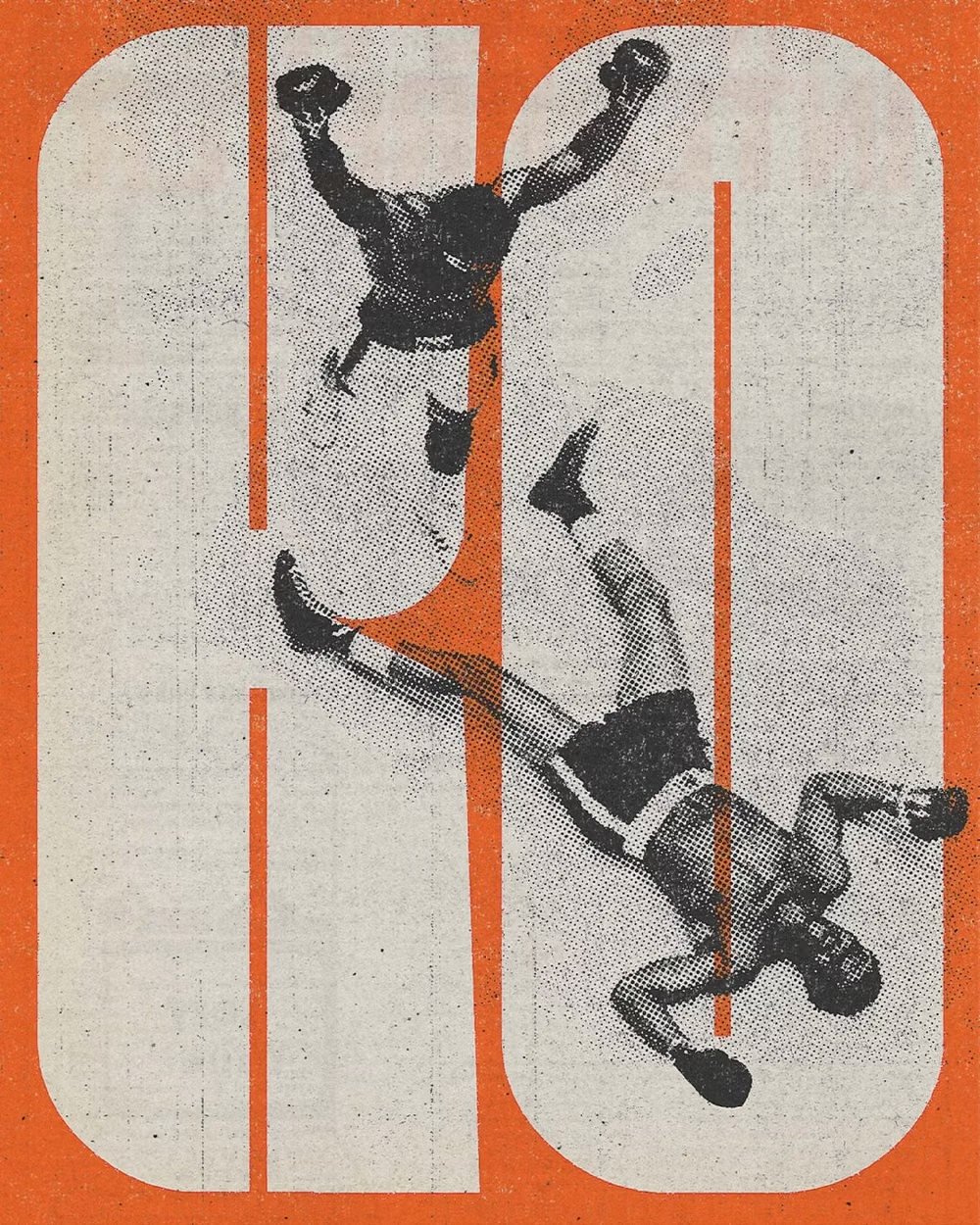
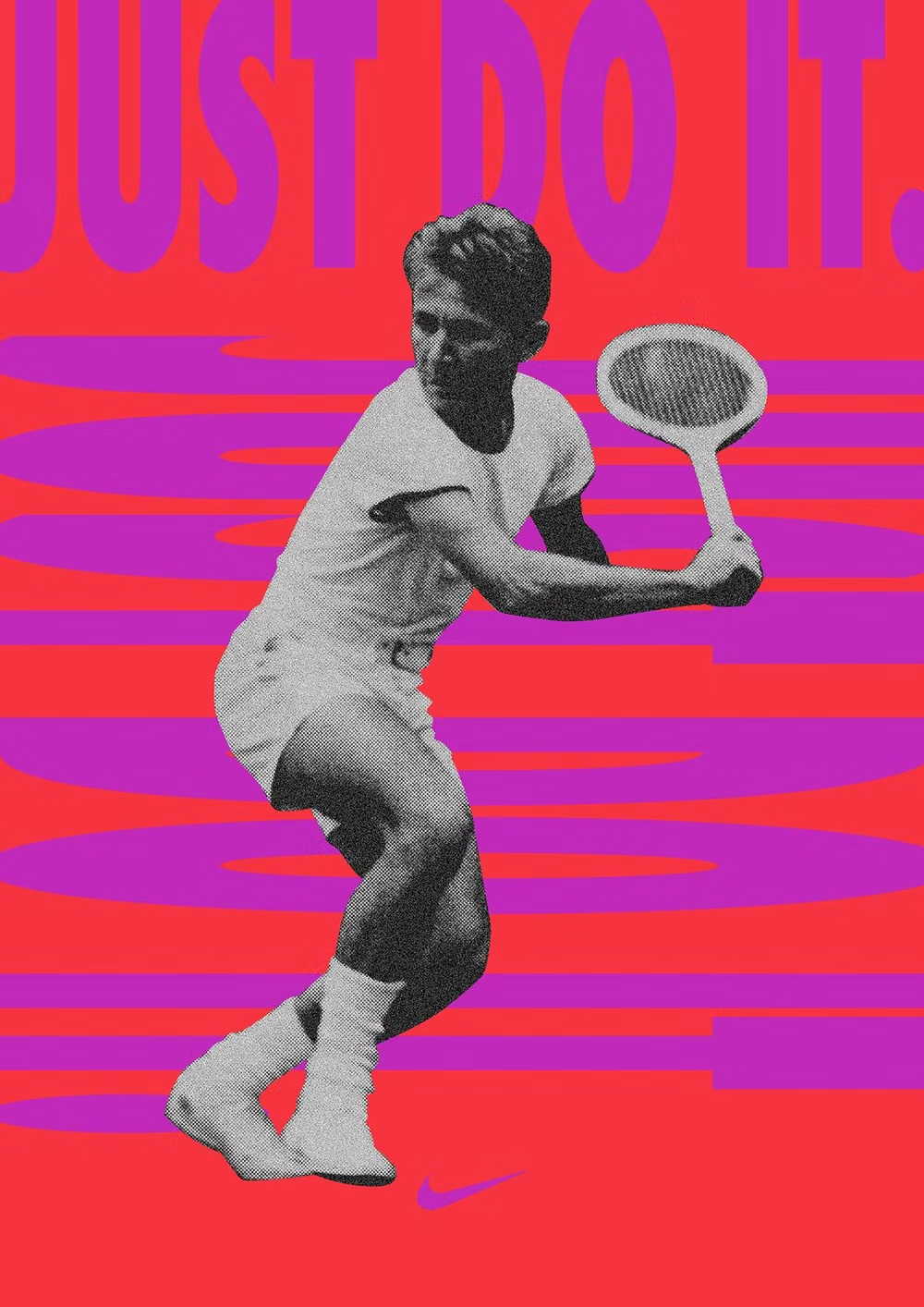
Sports Brutalism UI design style
Condensed type, hard grids, scoreboards, halftones, high-contrast photography, oversized numbers, and aggressive overlays.
2K1 UI design style
This 2001–2004 transitional pop-cultural look mixes late-Y2K clarity with dirtier hip-hop, sports, nu-metal, teen-comedy, and early-McBling attitude.