Organic and atmospheric UI design trends
Natural forms, environmental cues, soft atmosphere, and place-based imagery shape this group. These trends can make digital products feel calmer, warmer, or more connected to a physical setting.
10 UI design trends
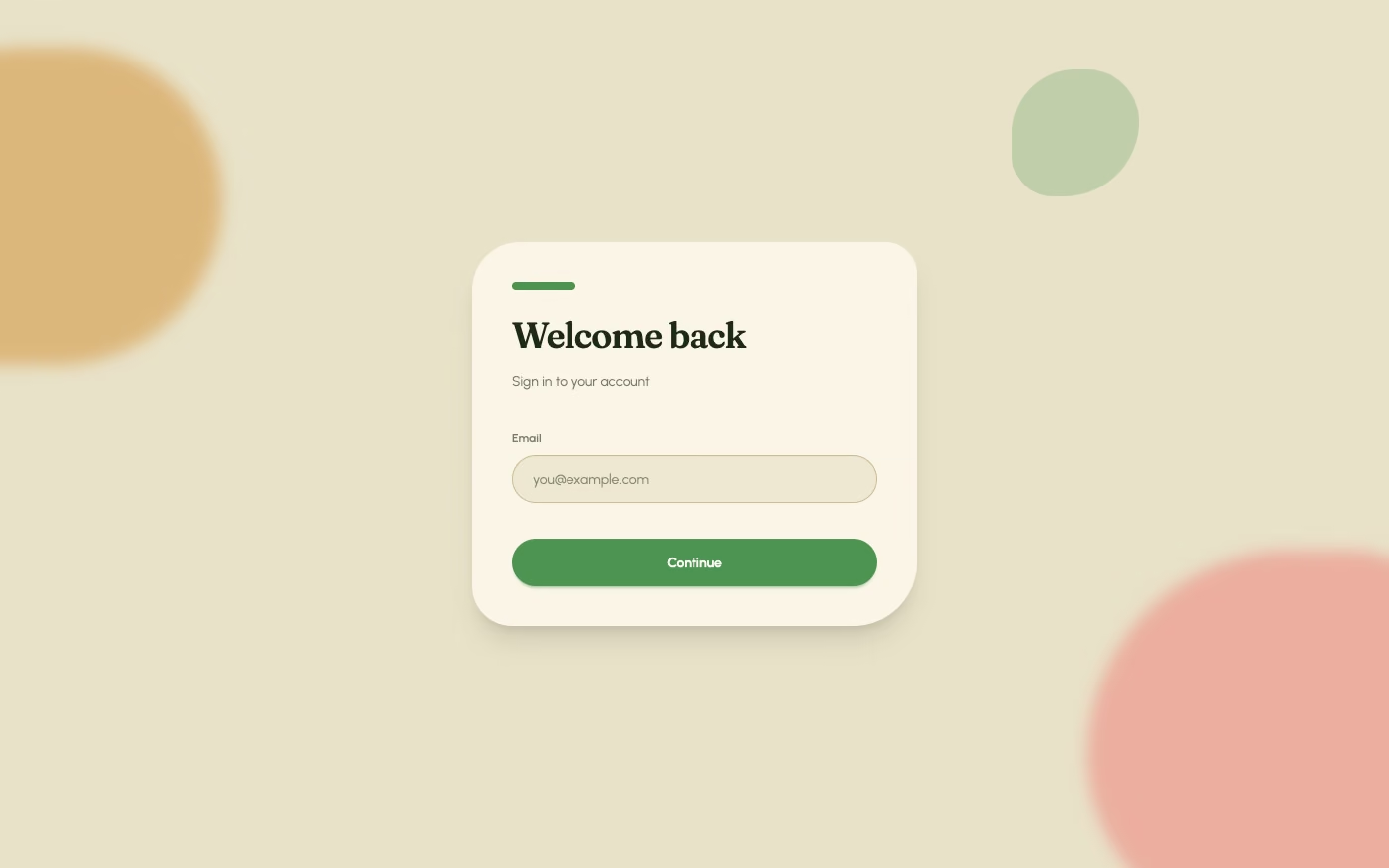
Organic / Blob Design UI design style
Fluid silhouettes, asymmetric curves, soft blobs, rounded containers, and freeform compositions replace rigid geometry.
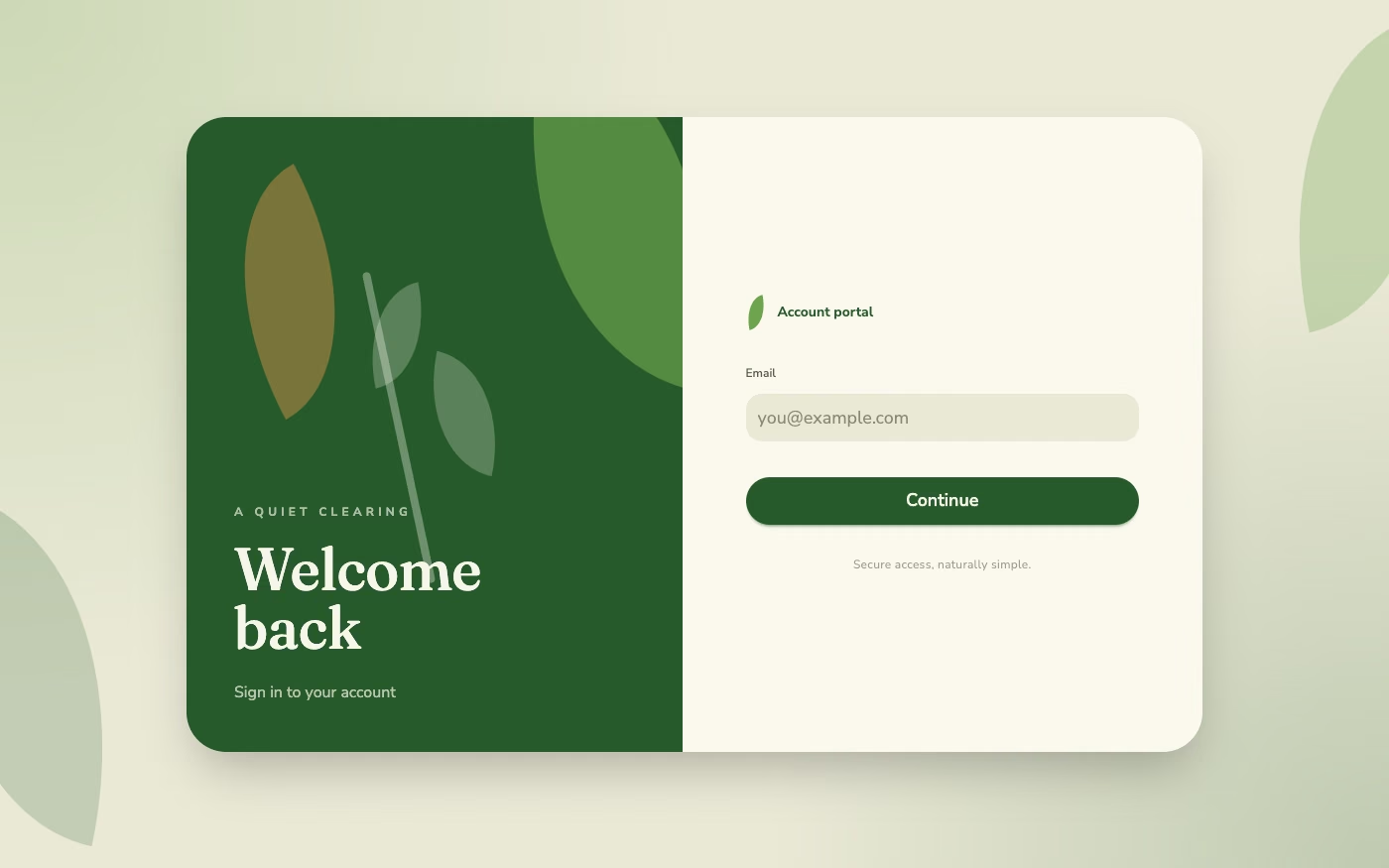
Biophilic Design UI design style
Nature-centered interfaces use organic shapes, botanical imagery, earthy colors, natural textures, and gentle motion.
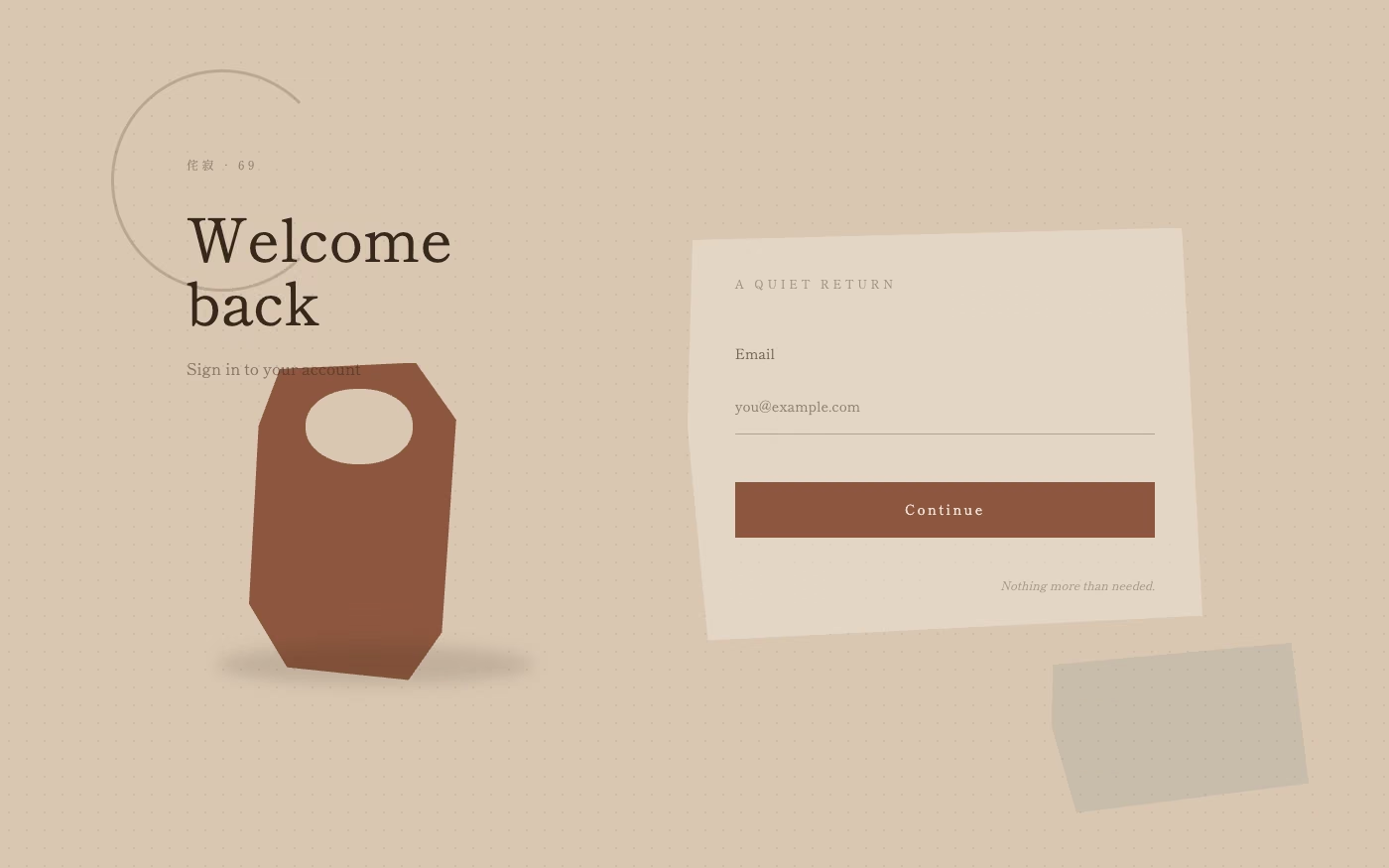
Wabi-Sabi UI design style
Asymmetry, weathered texture, muted earth tones, imperfection, and visible material age create understated warmth.
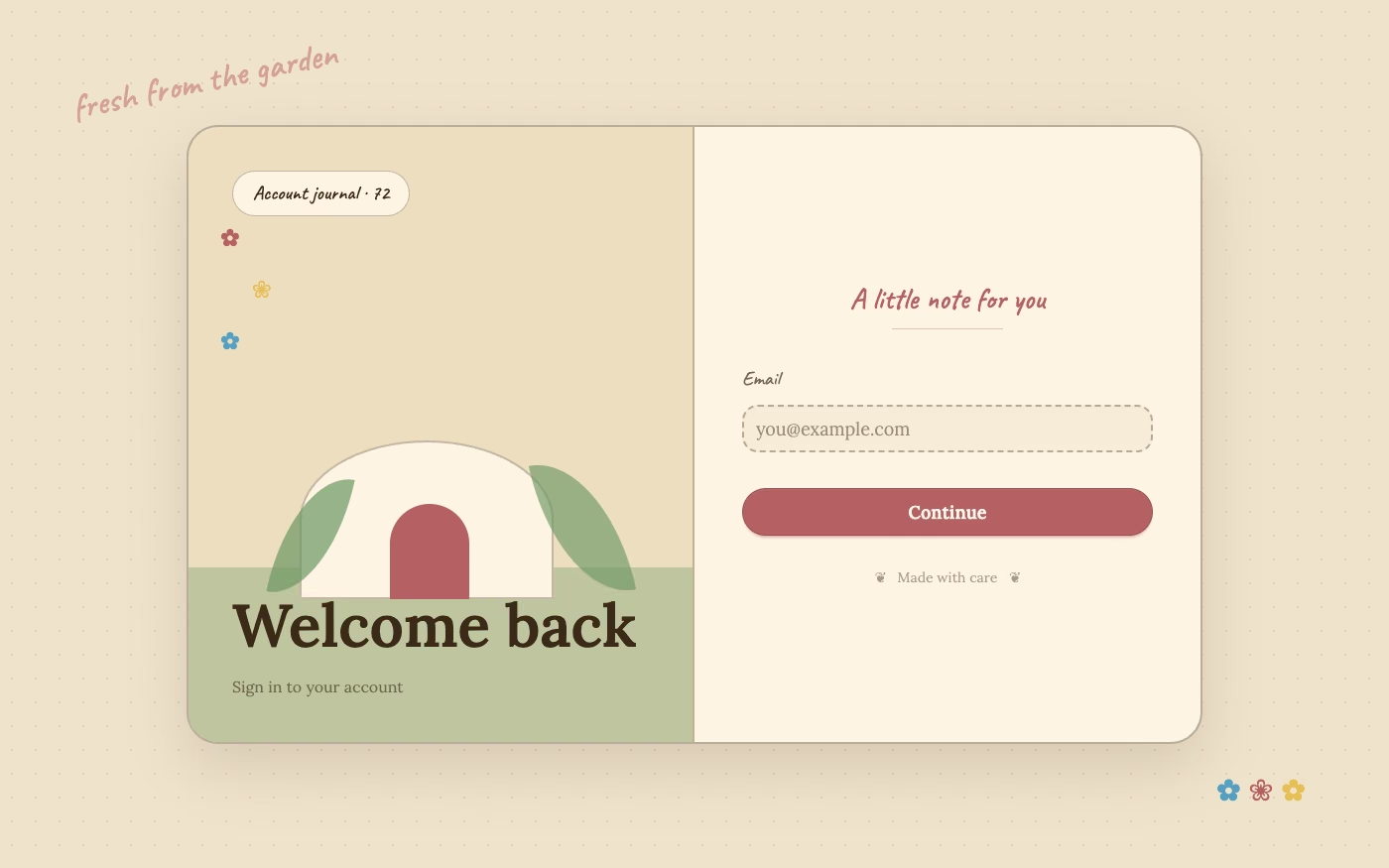
Cottagecore UI design style
Pastoral imagery, florals, handmade textures, gentle serif type, warm domestic details, and romantic rural nostalgia.
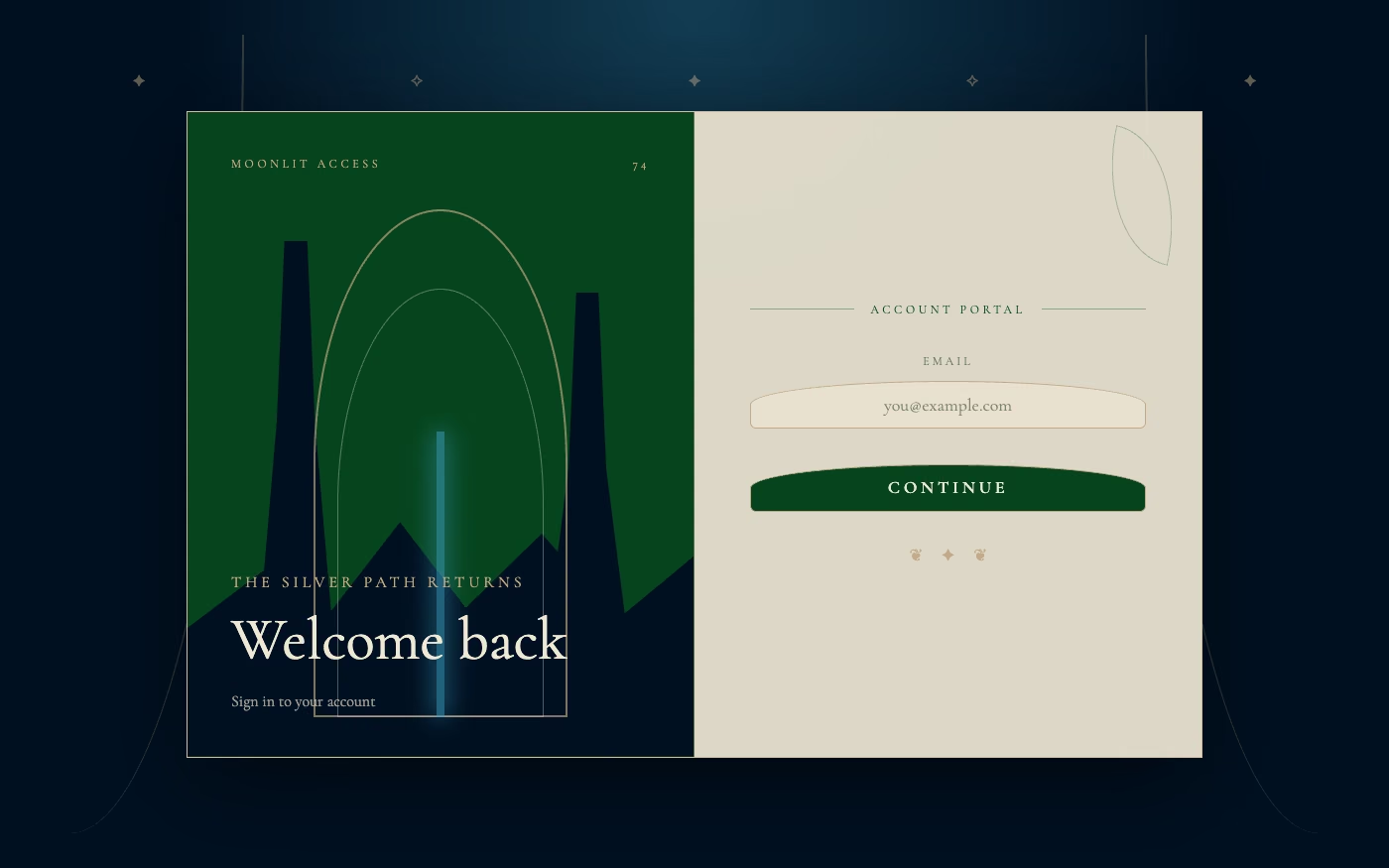
Elvish Aesthetic UI design style
Nature-bound high fantasy combines graceful verticality, flowing botanical ornament, luminous landscapes, refined handcraft, and an ancient otherworldly calm.
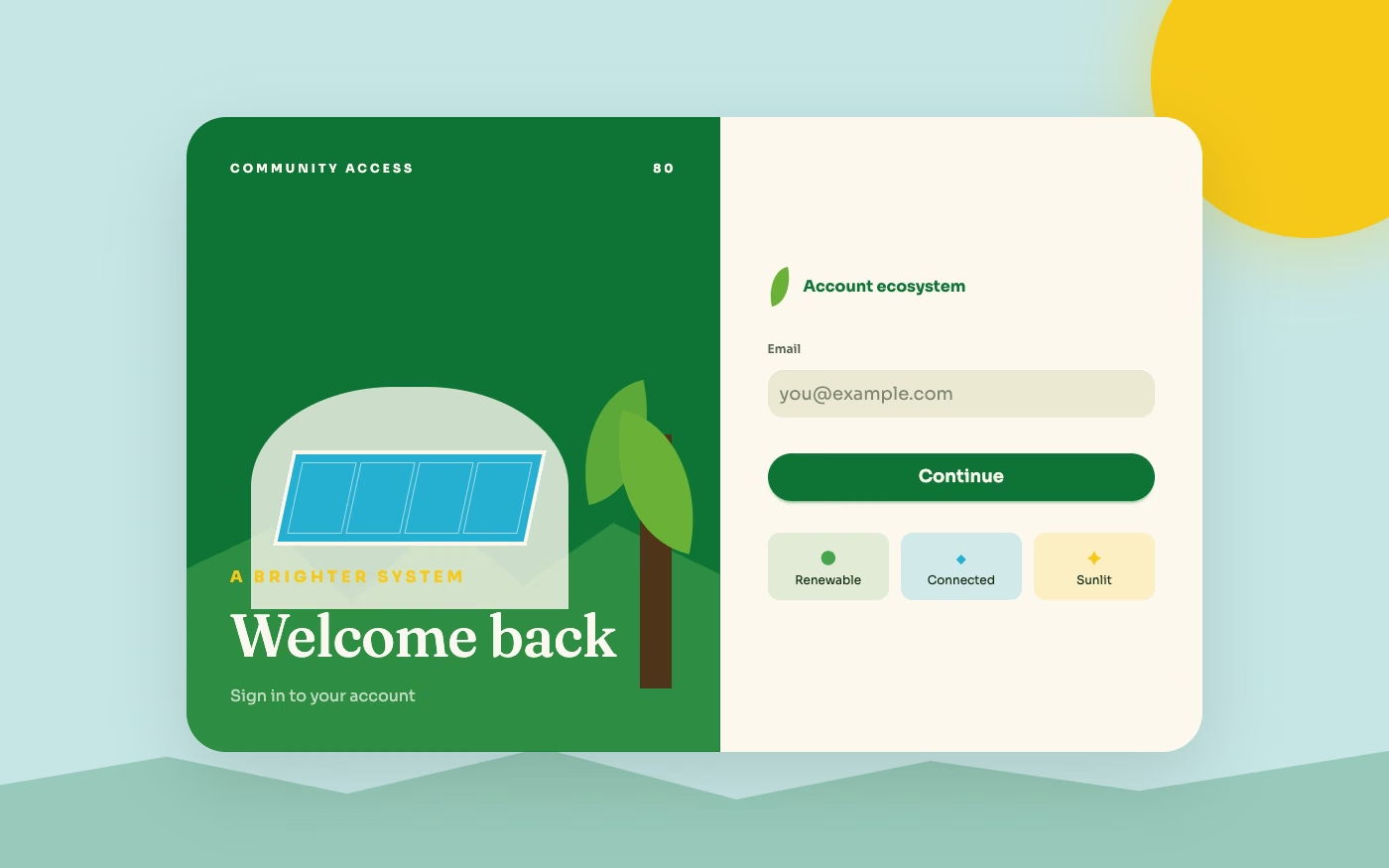
Solarpunk UI design style
Optimistic futurism combines renewable technology, lush vegetation, warm daylight, community infrastructure, and organic forms.
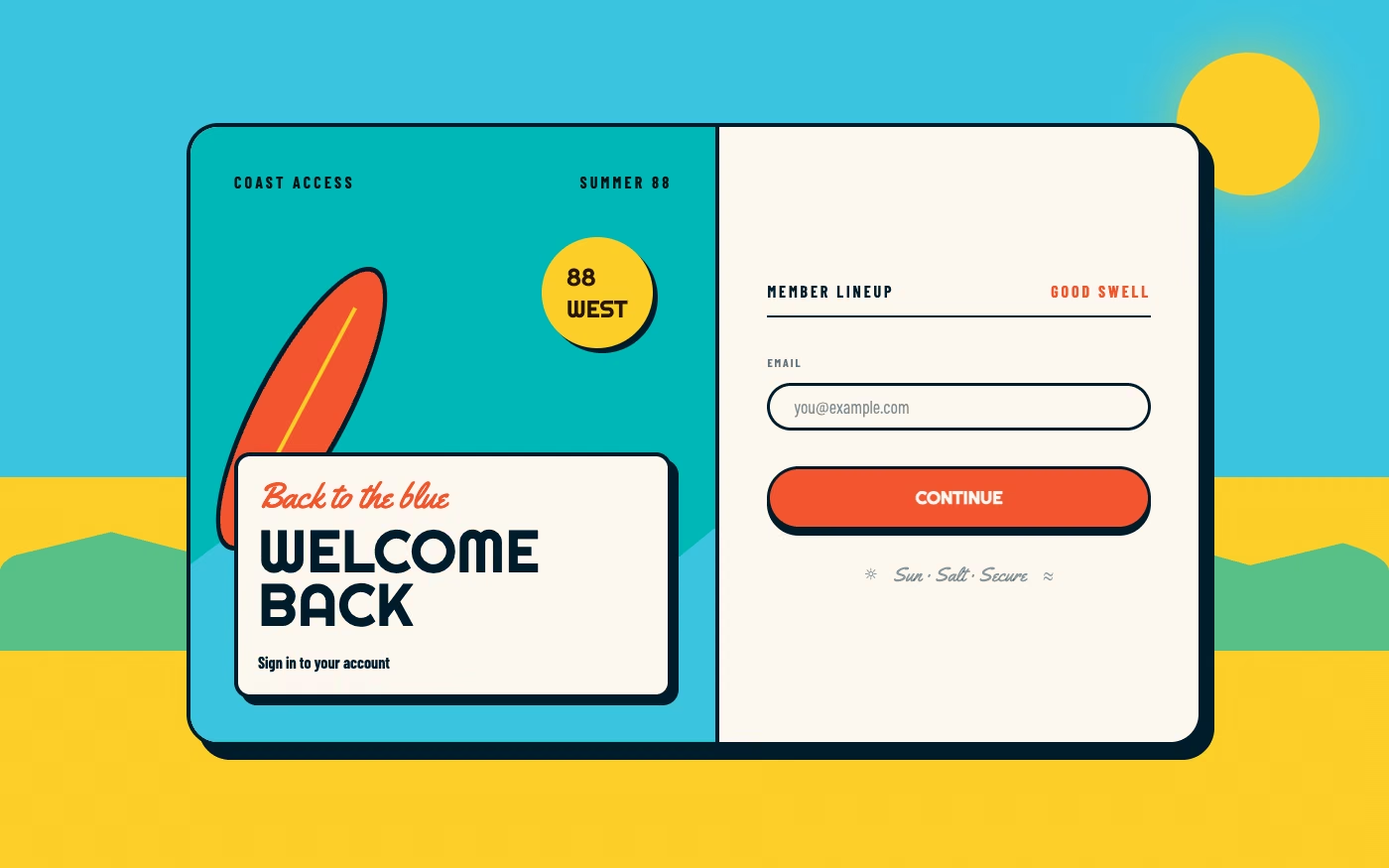
Surf Crush UI design style
The 1999–2008 surf-media craze combines sunlit ocean photography, boards, Hawaiian prints, puka shells, hibiscus flowers, beach hair, and youthful coastal freedom.
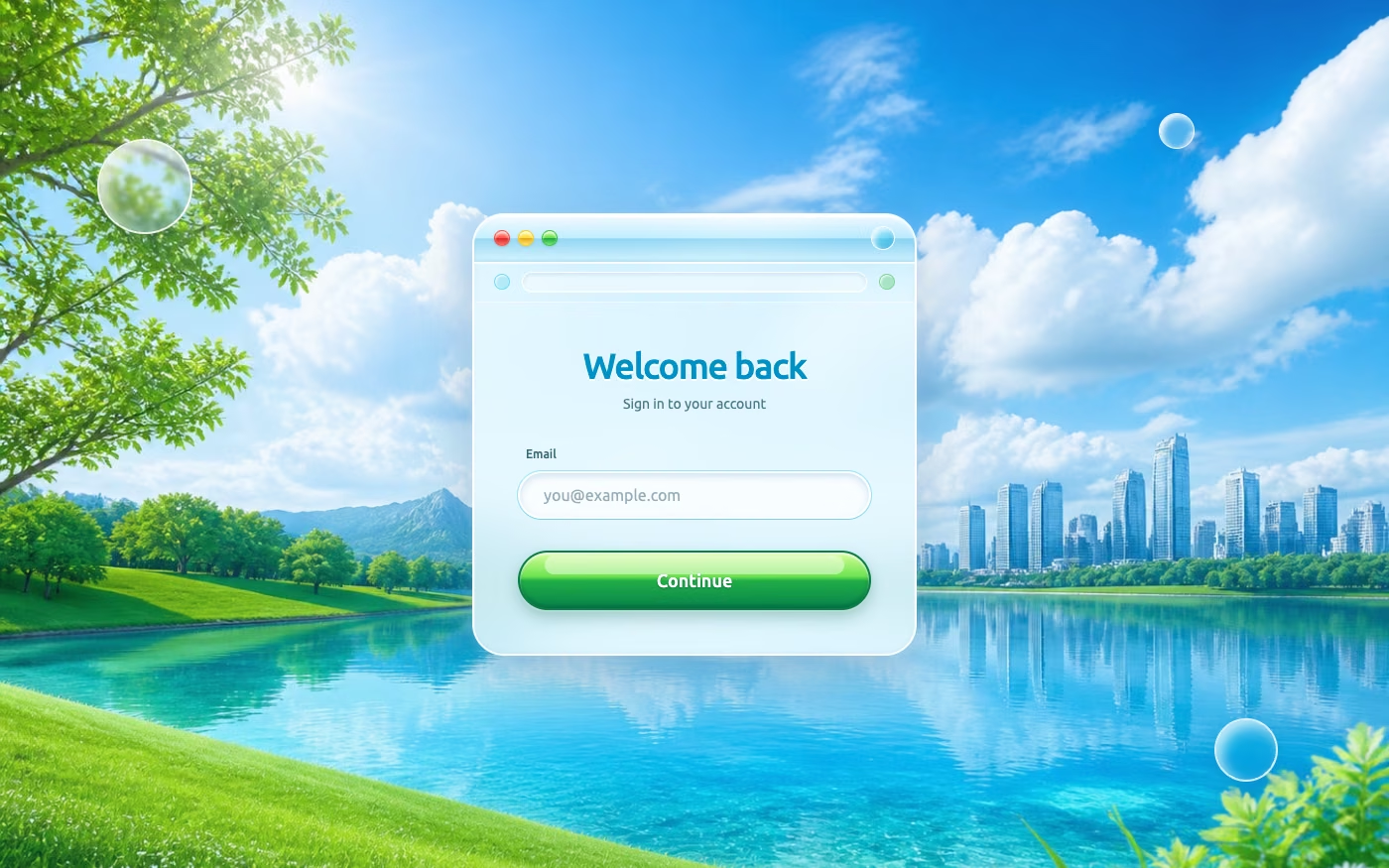
Frutiger Aero UI design style
Glossy blue-and-green visuals combine skeuomorphic interfaces, glassy controls, water, bubbles, open skies, nature, and optimistic technology.
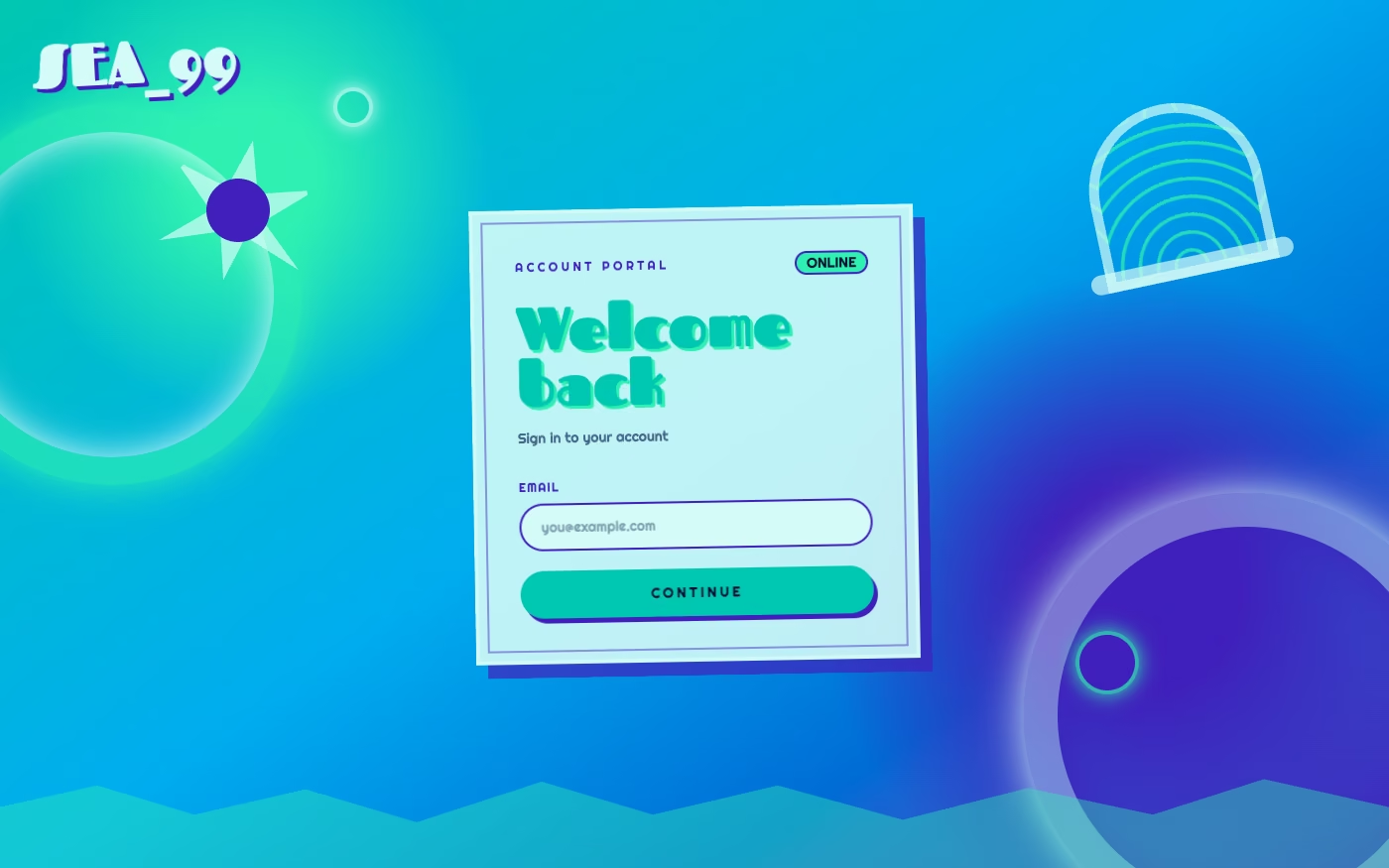
Seapunk UI design style
Turquoise water, dolphins, shells, early CGI, chrome, tropical graphics, and playful aquatic internet surrealism.
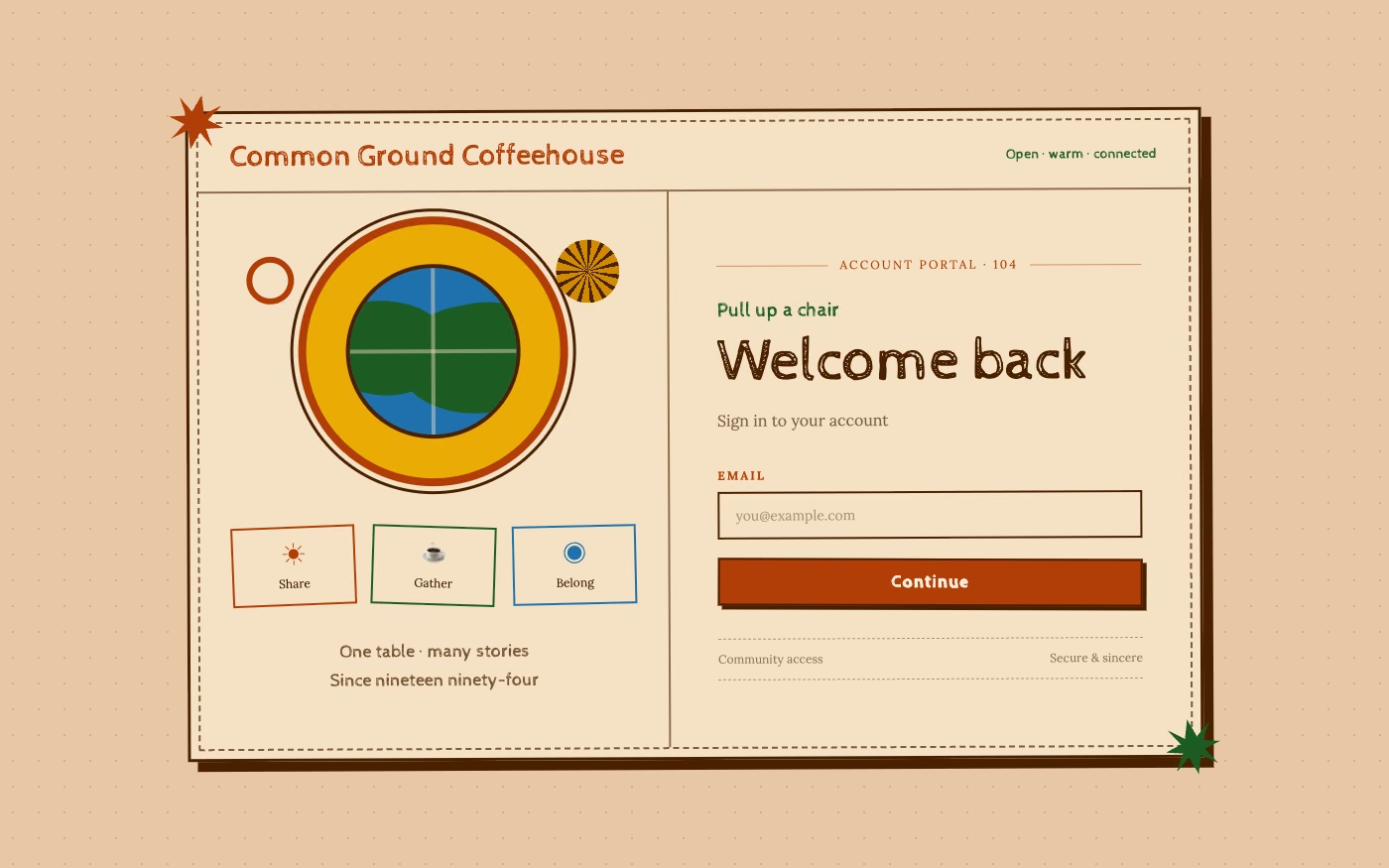
Global Village Coffeehouse UI design style
Earth tones, rough borders, woodcut-like symbols, suns, moons, spirals, natural motifs, and sincere hand-drawn globalism.
Explore other UI trend categories
Compare three other visual families before choosing a direction.
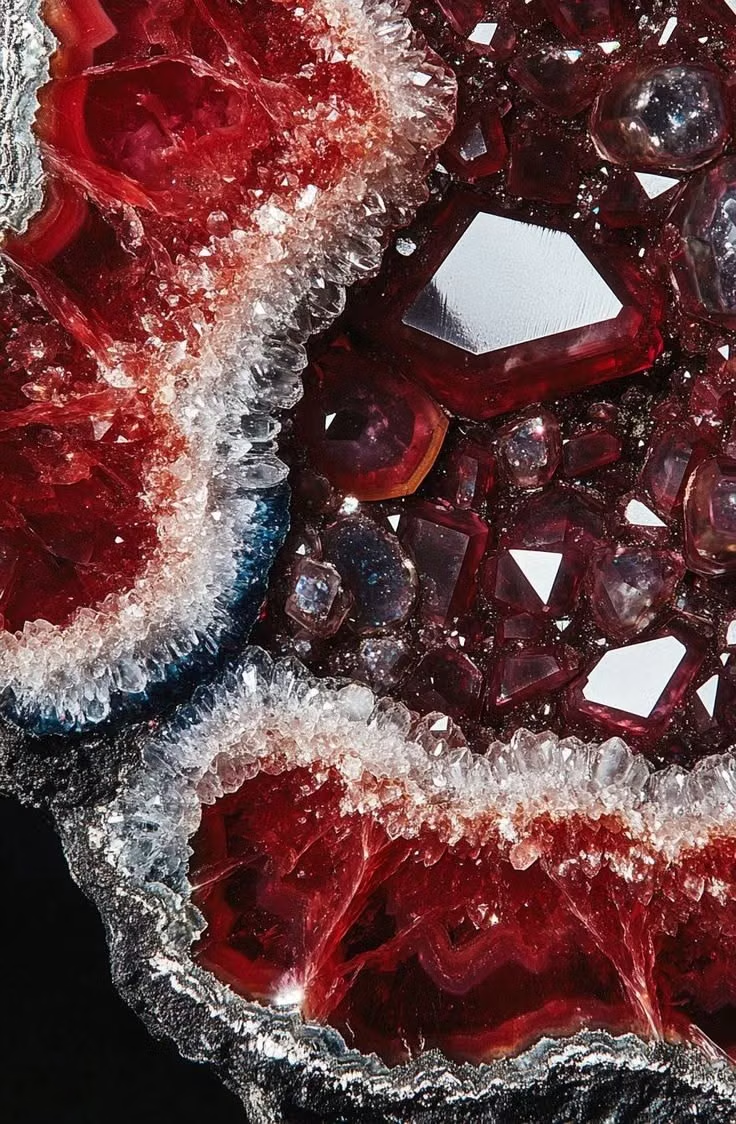
Bold and experimental UI design trends
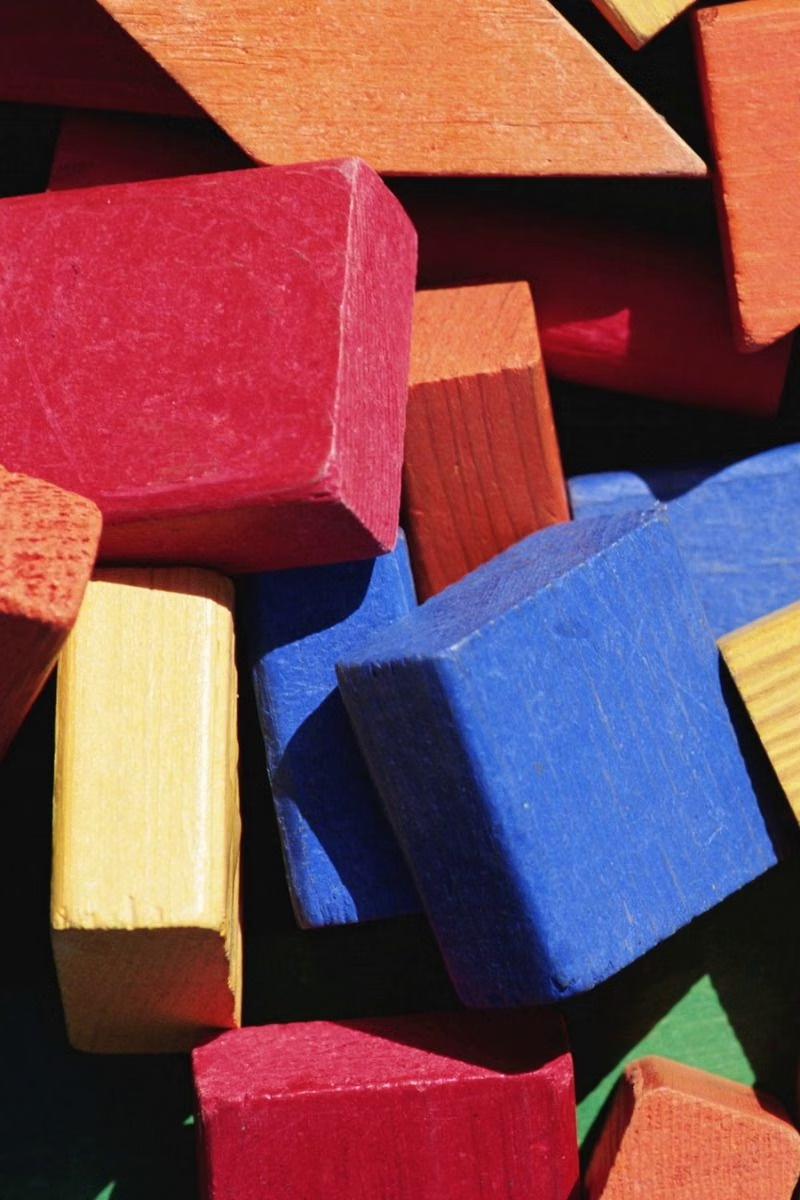
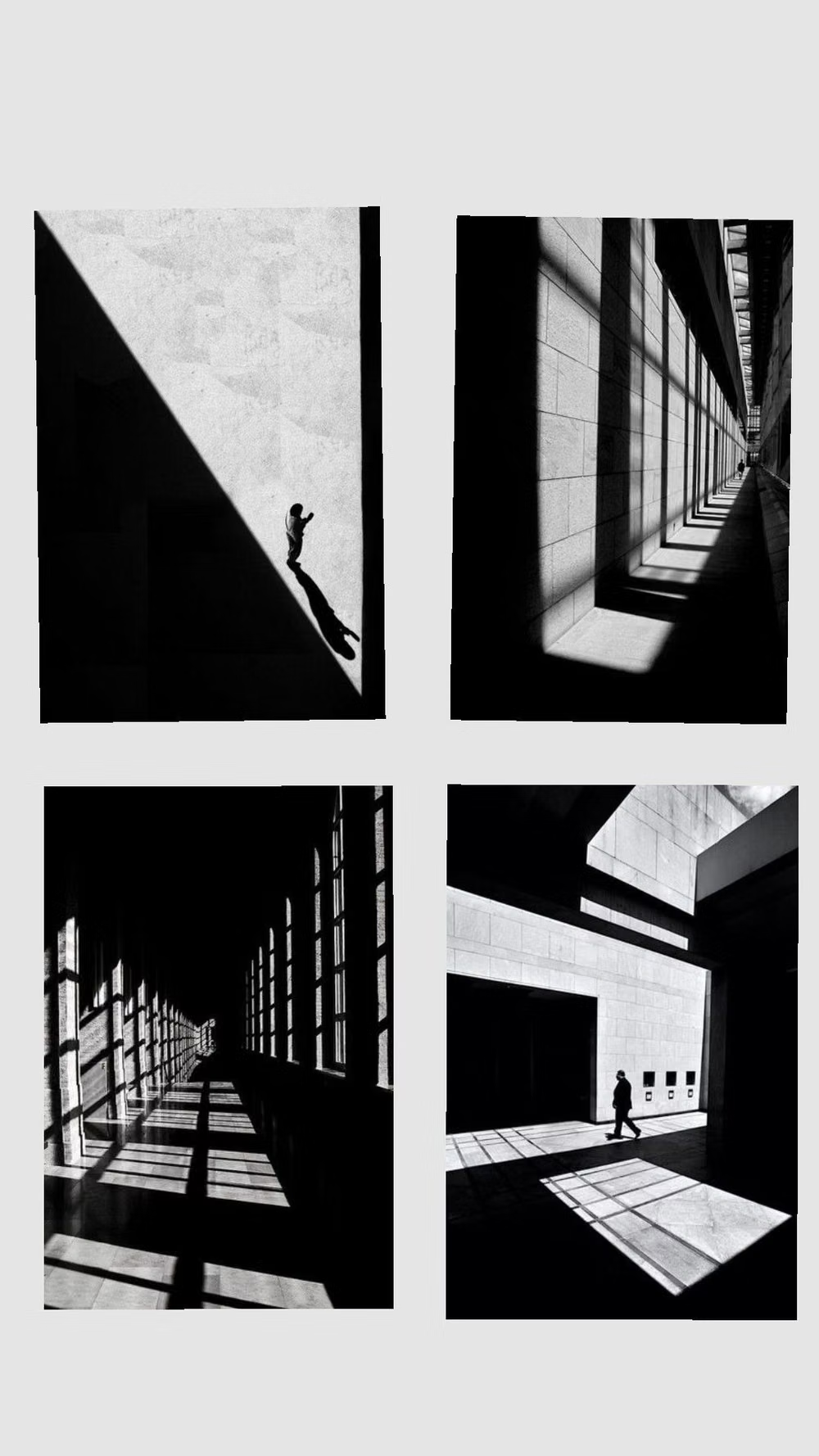
Strong contrast, visible structure, dense composition, and rule-breaking graphics give these interfaces their energy. The best examples repeat a small set of bold decisions instead of adding random decoration.
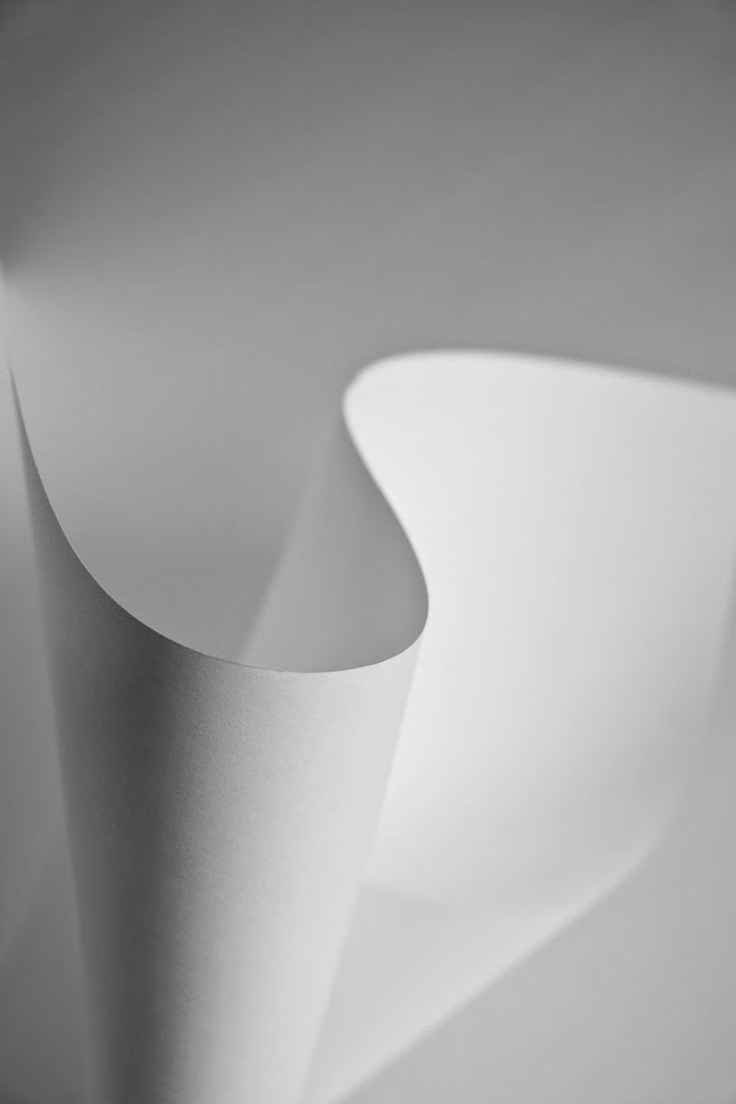

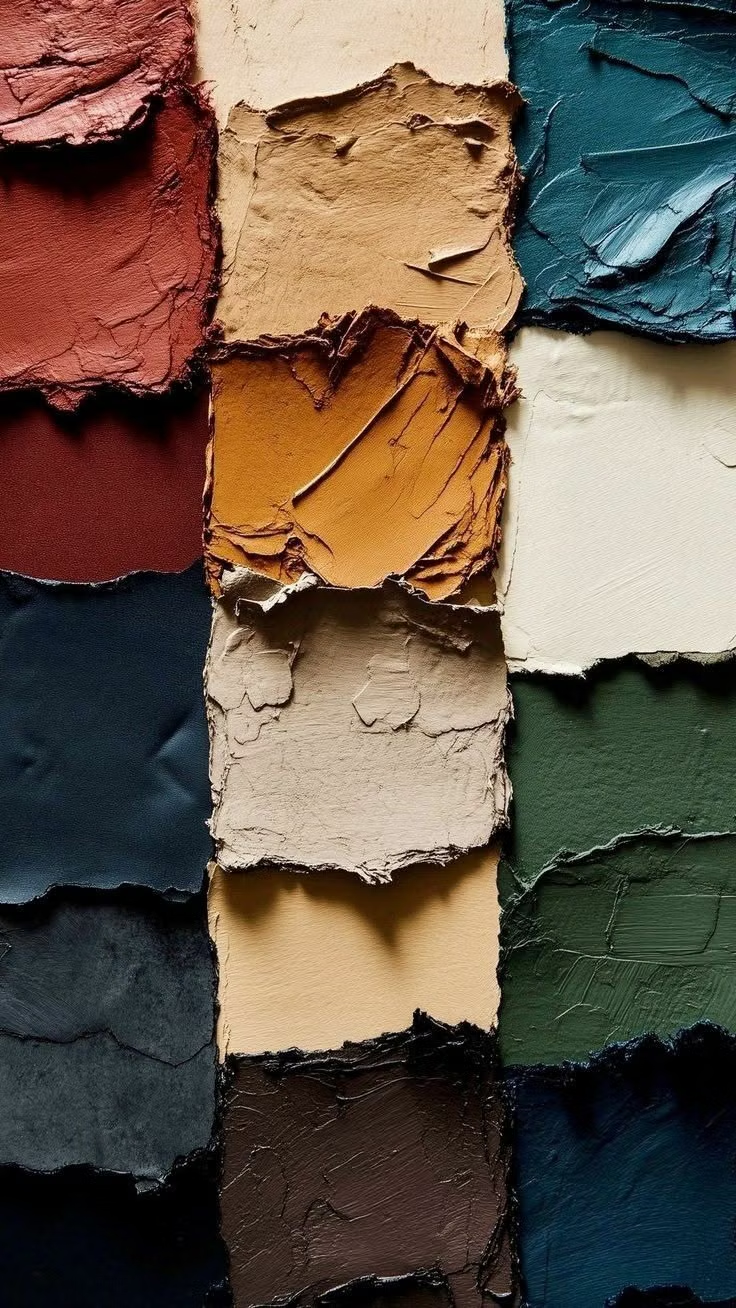
Material, dimensional, and skeuomorphic UI trends
Depth, texture, translucency, and familiar physical cues define this group. Use these trends when surfaces and materials can explain hierarchy, interaction, or the world around a product.
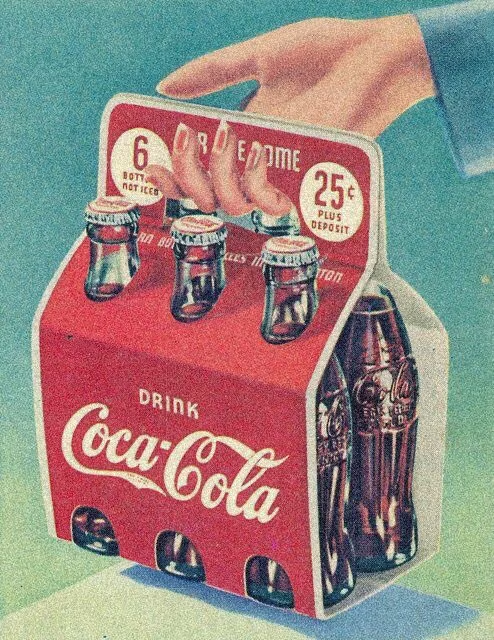

Retro and nostalgic web design trends
These trends borrow from earlier consumer technology, internet culture, fashion, and advertising. They work when a product benefits from a specific era instead of a generic vintage filter.
Turn a visual direction into working UI
Study a trend's design rules, then write a prompt with enough structure for an AI coding agent to apply it consistently.