Elvish Aesthetic UI design style
Nature-bound high fantasy combines graceful verticality, flowing botanical ornament, luminous landscapes, refined handcraft, and an ancient otherworldly calm.
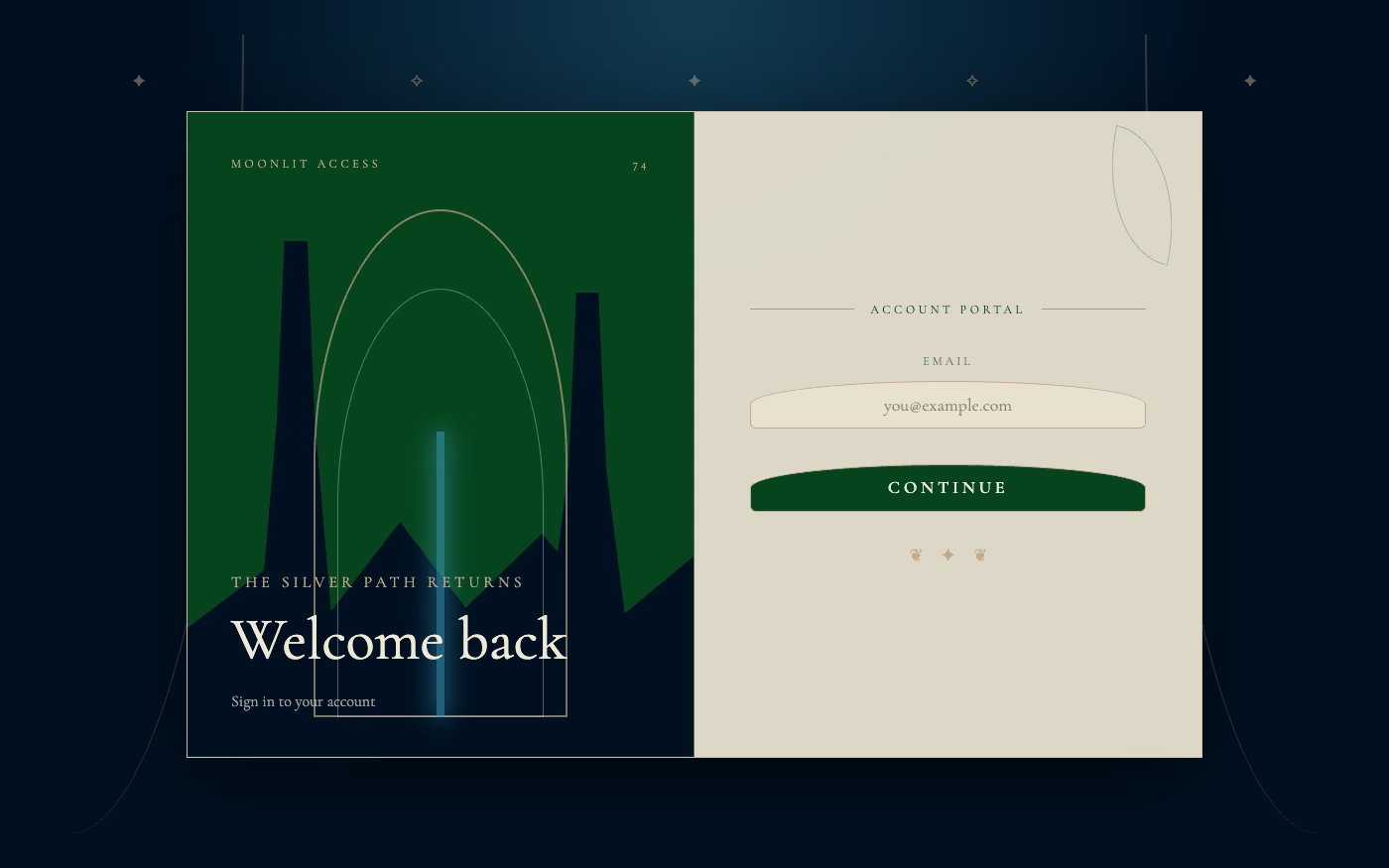
Design overview
- Signature elements
- tree-integrated architecture, leaf and star motifs, flowing filigree, slender arches, pale metals, jewel-like light
- Best suited to
- Fantasy games, role-playing products, publishing, film and music, immersive events, jewelry, and nature-led luxury brands.
- Layout principles
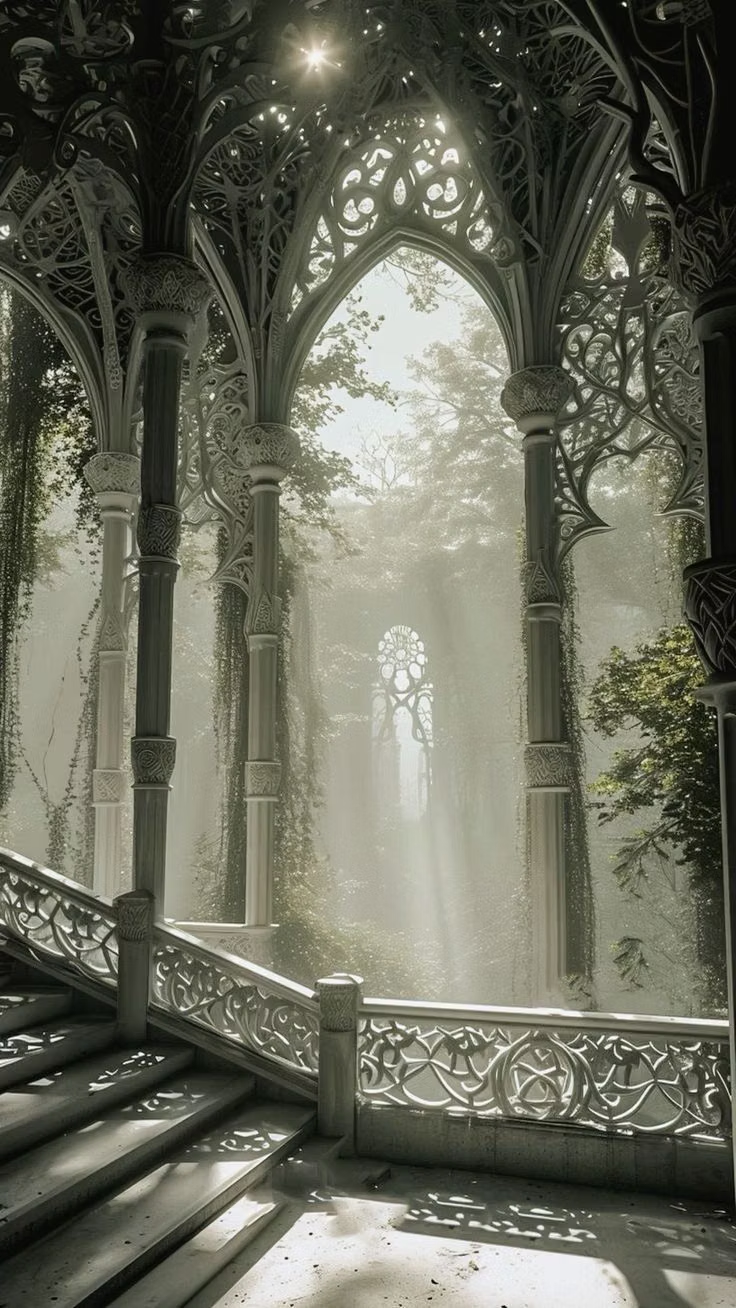
- Build upward through tall arches, branching paths, and layered forest clearings, framing one character, artifact, or destination with delicate ornament while keeping the main reading path open.
History and origins
A fact-checked account of where this visual language came from, with links to the references used.
- Period
- Modern fantasy lineage from the late 19th–20th centuries
- Origin
- European medievalism, Arts and Crafts, fantasy literature, illustration, and film
Elvish Aesthetic is a modern fantasy category, not the art of a historical people. Its visual language combines medieval manuscript and architectural references, Pre-Raphaelite and Arts and Crafts medievalism, Art Nouveau nature forms, and the languages, calligraphy, maps, and descriptions developed by J. R. R. Tolkien; later illustration, role-playing games, and cinema made that synthesis globally familiar.
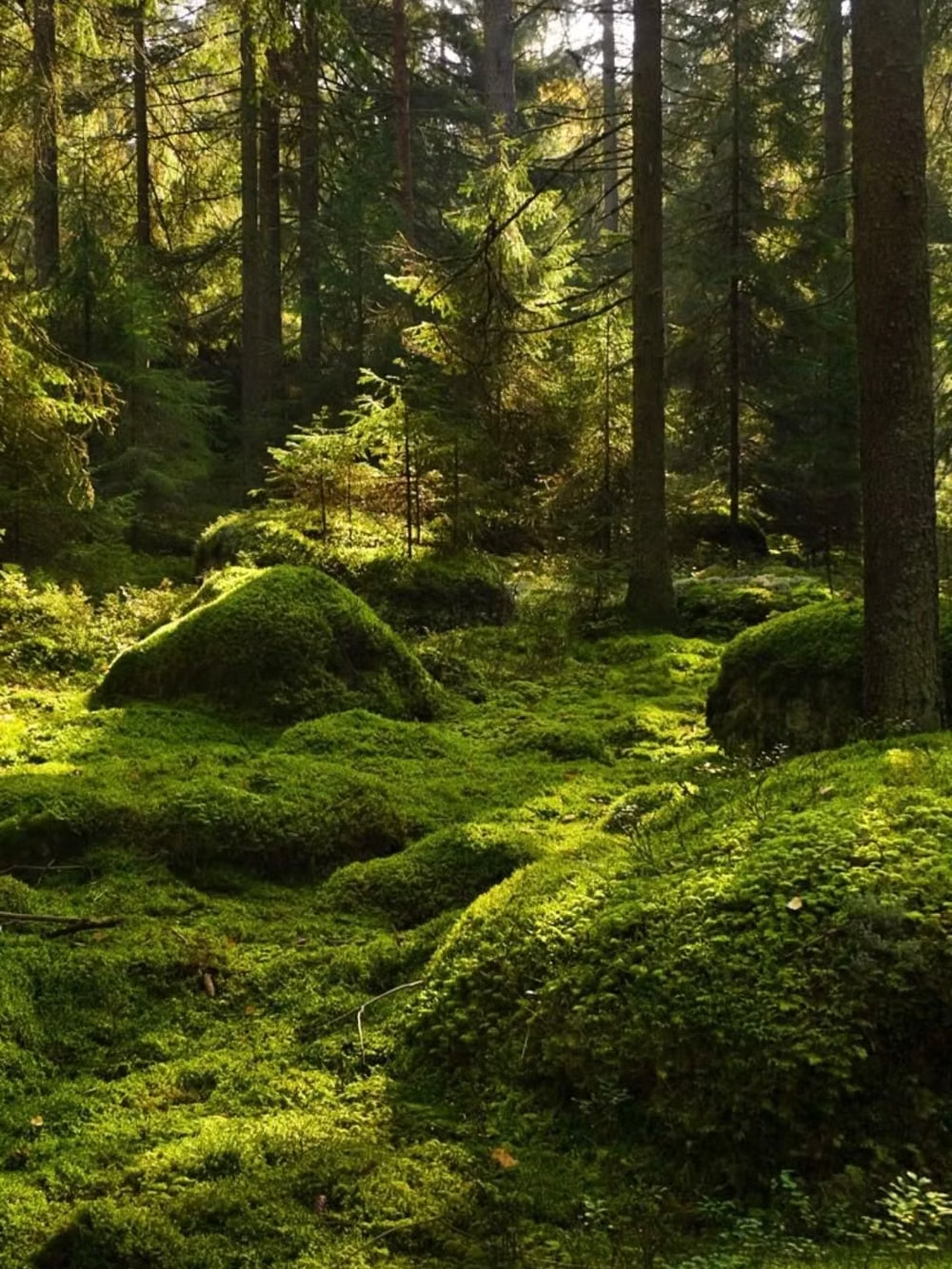
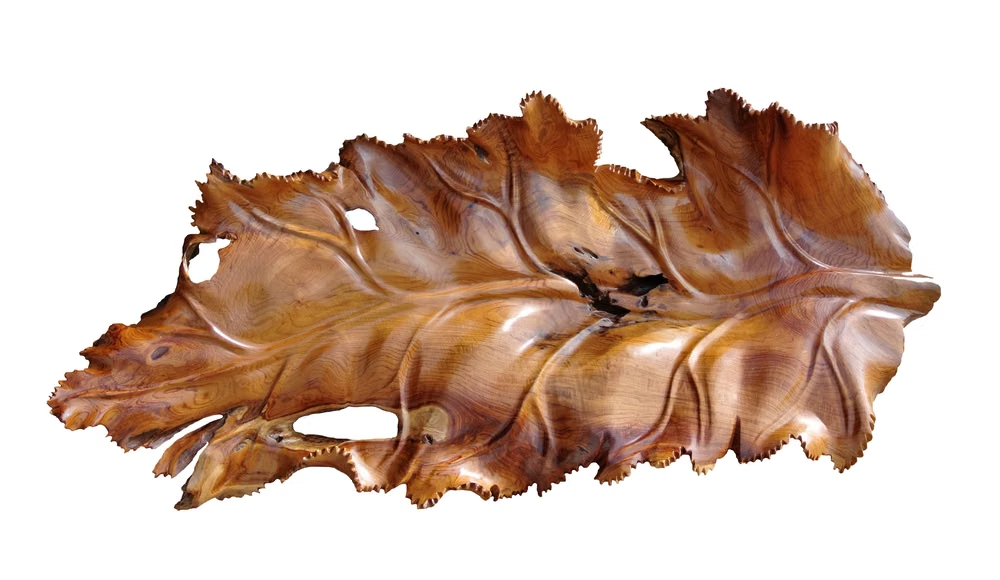
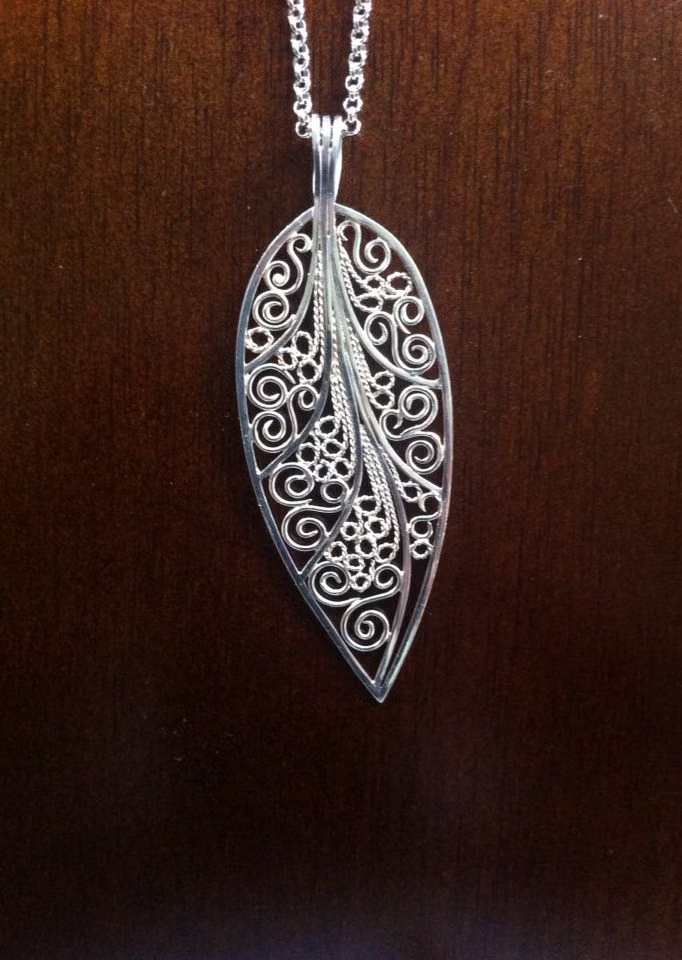
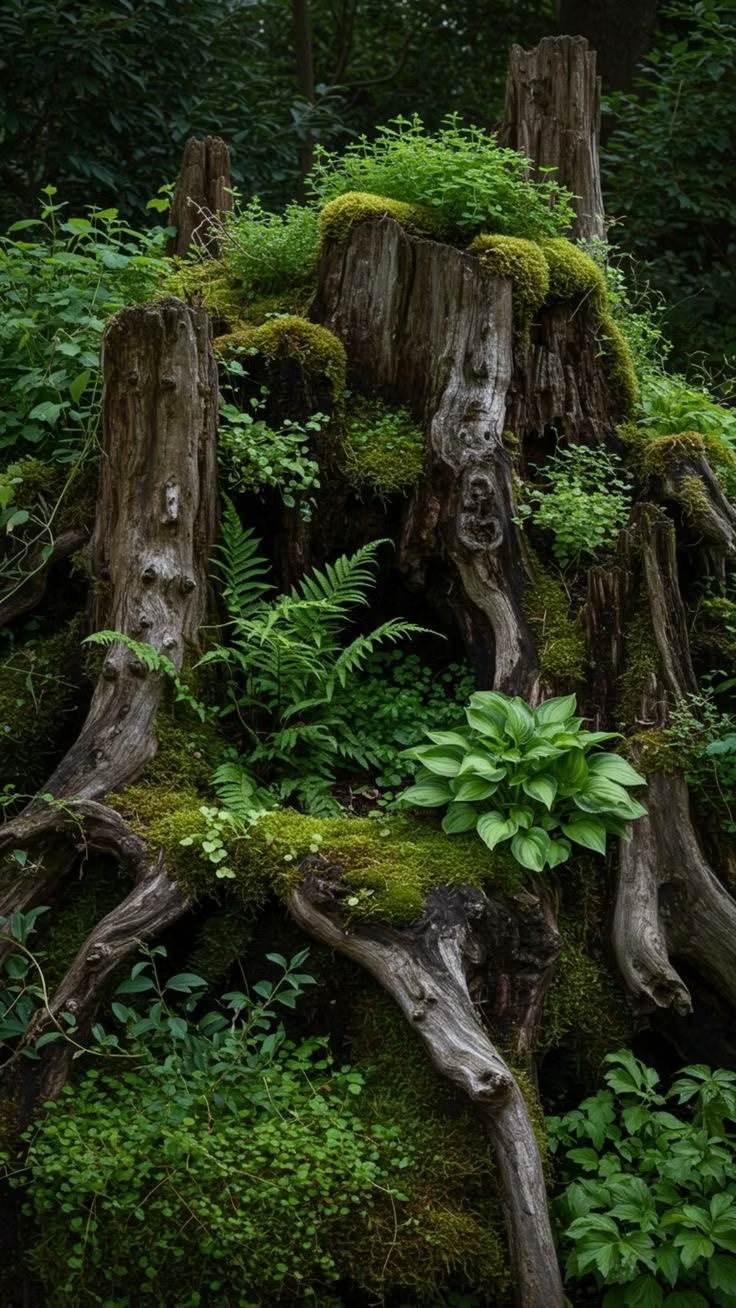
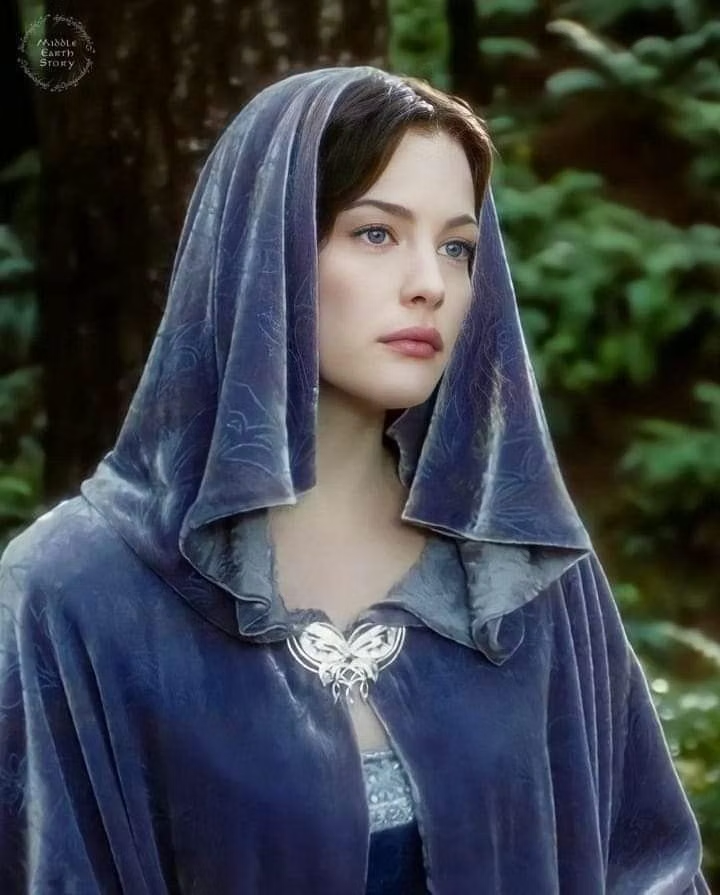
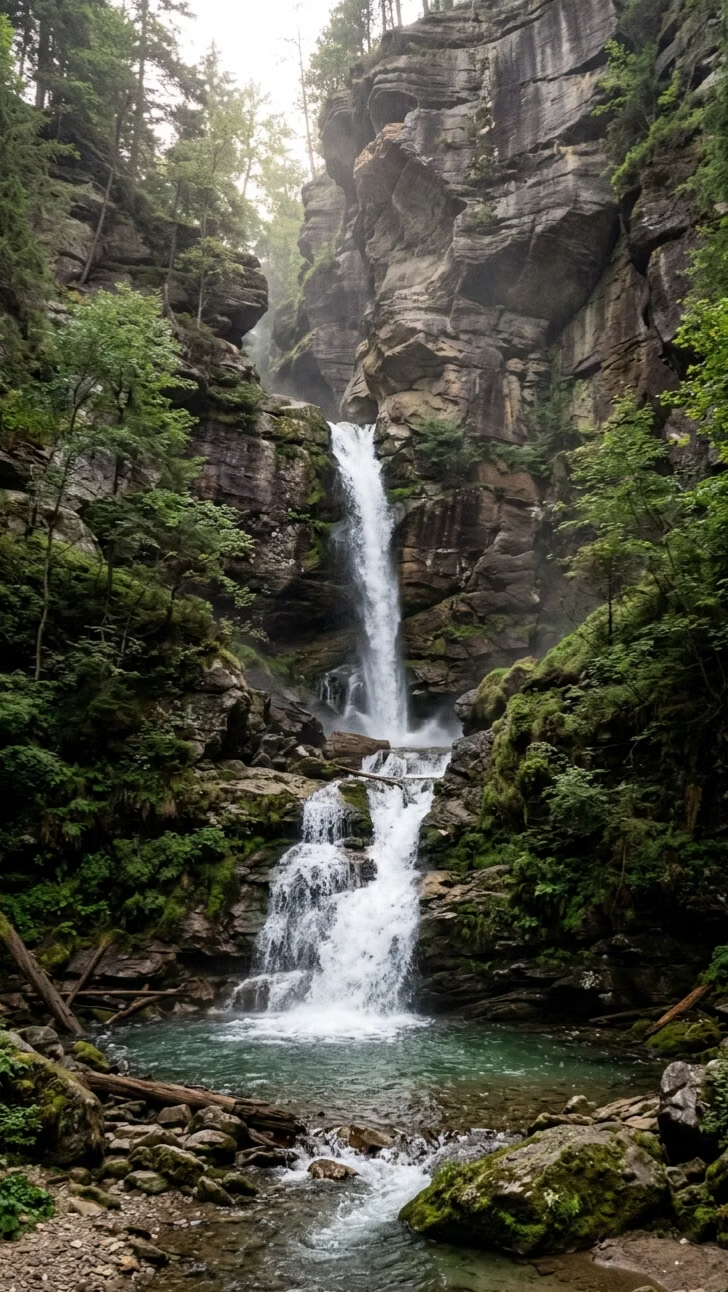
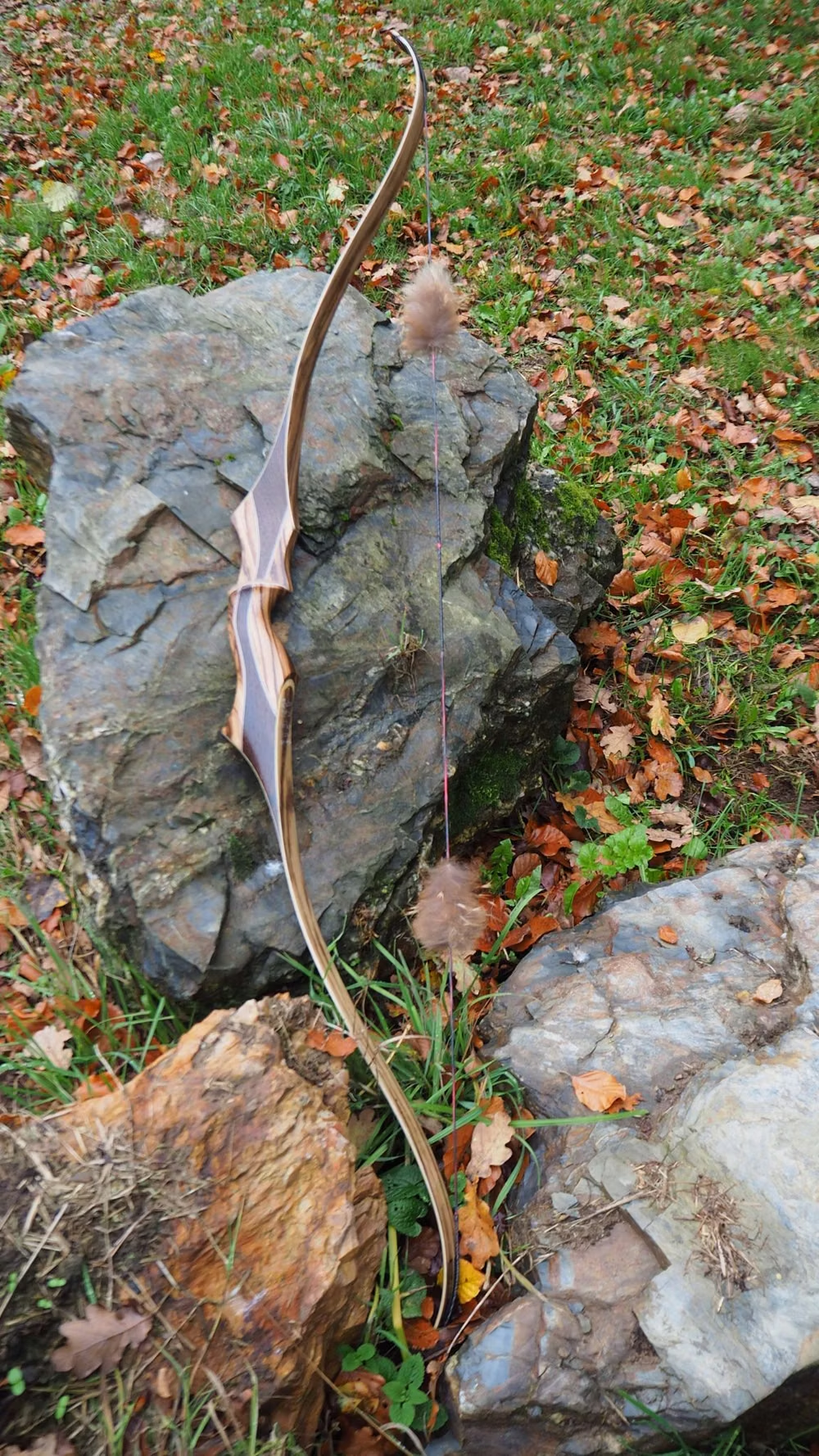
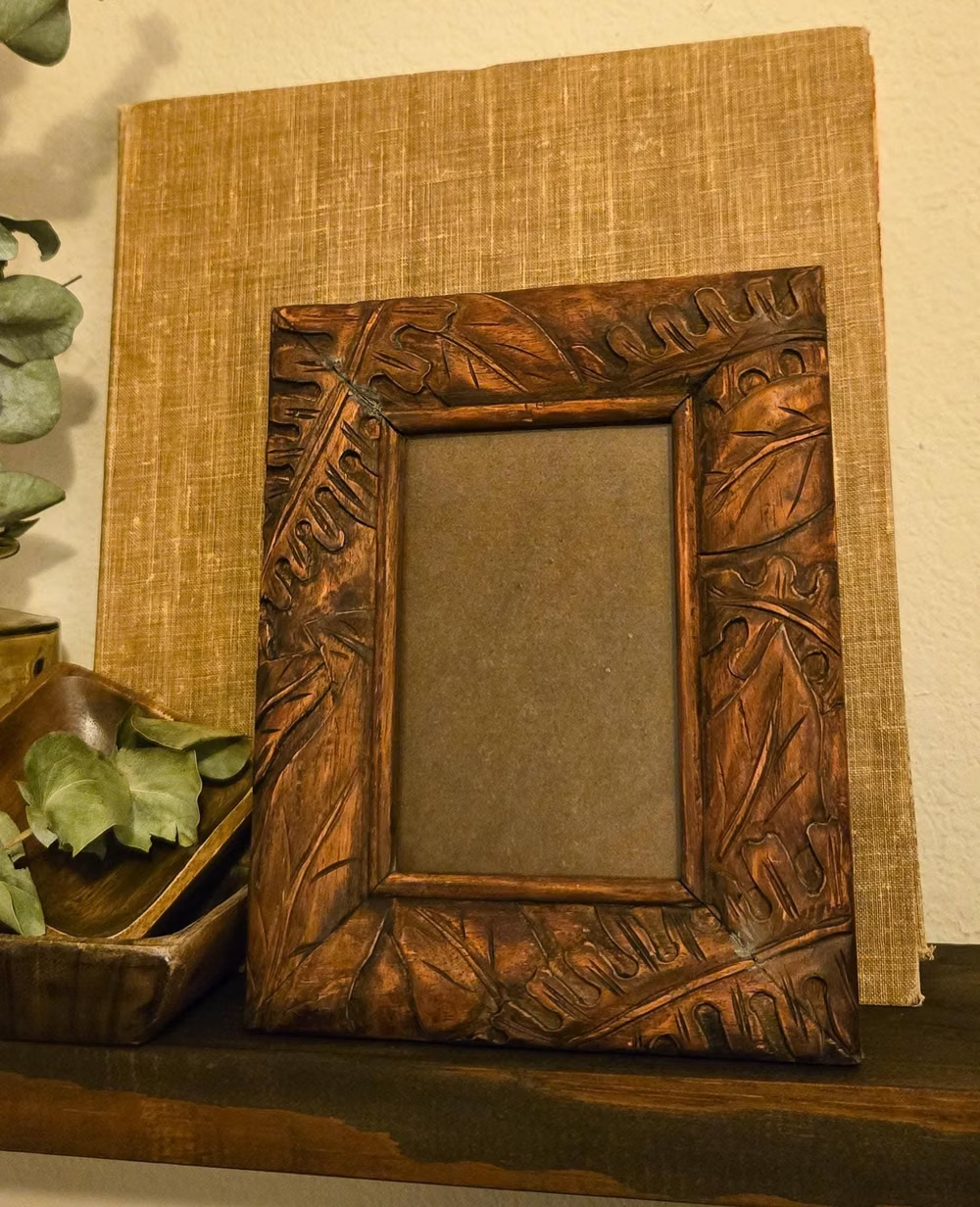
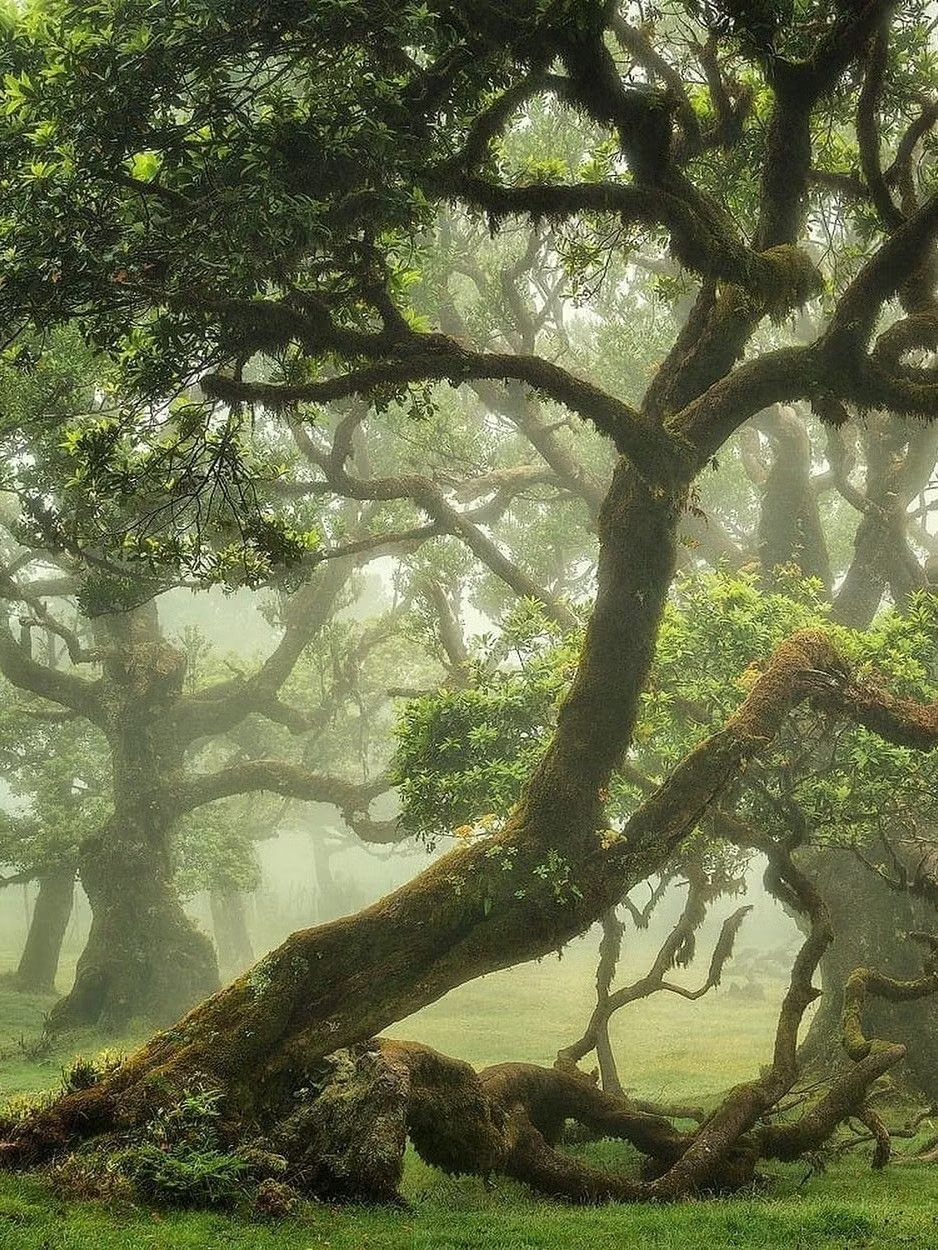
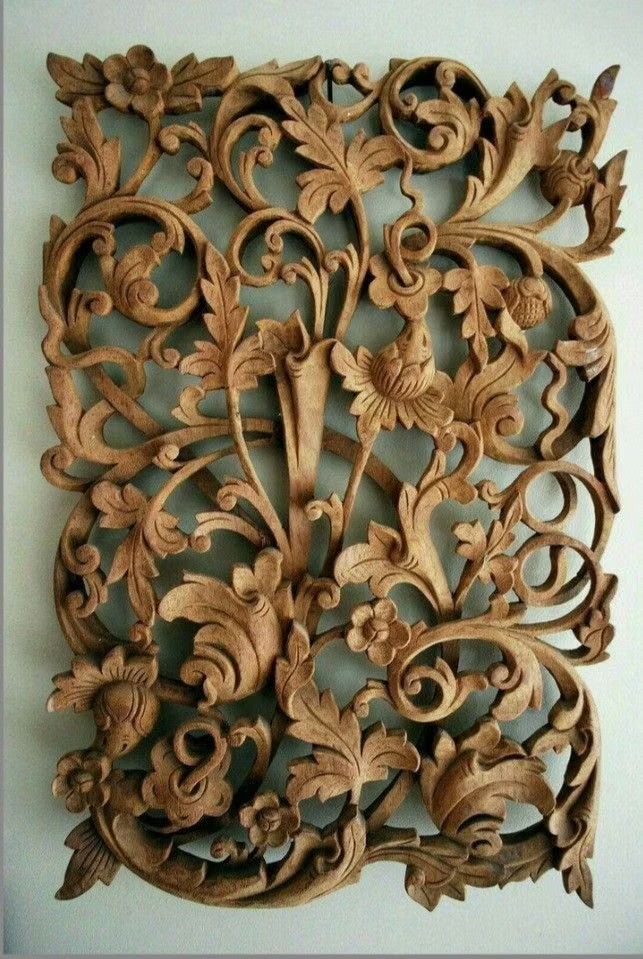
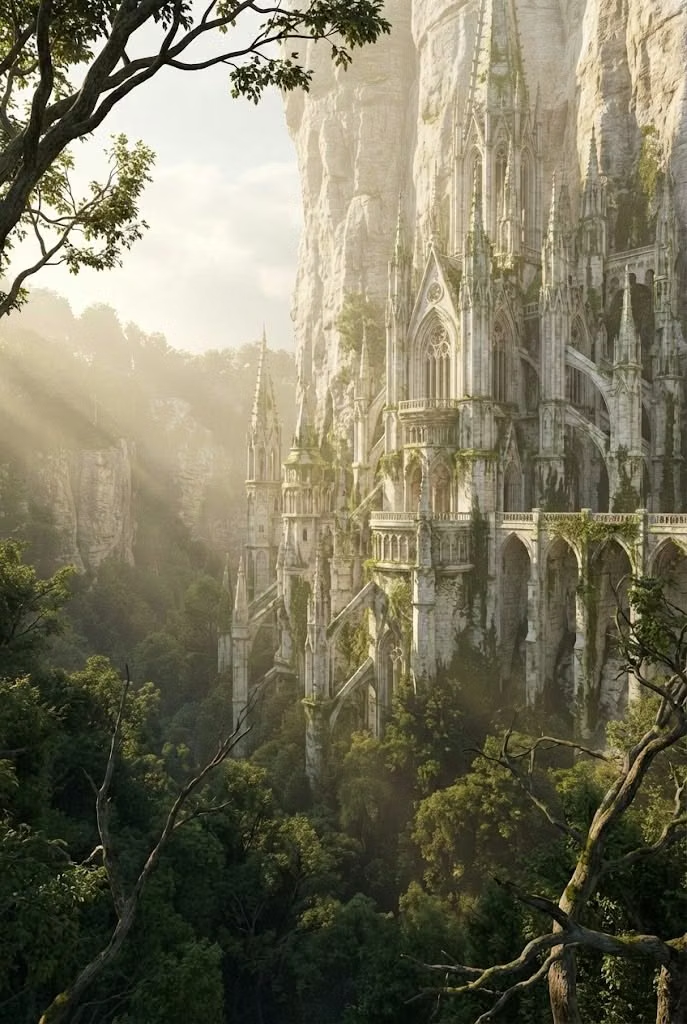
Moodboard and visual references
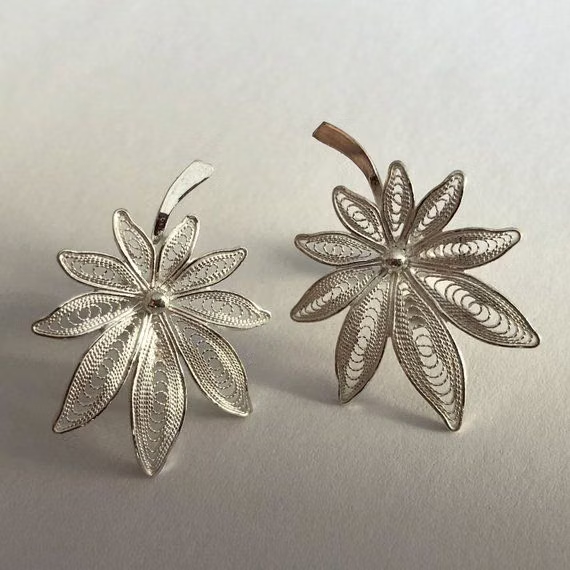
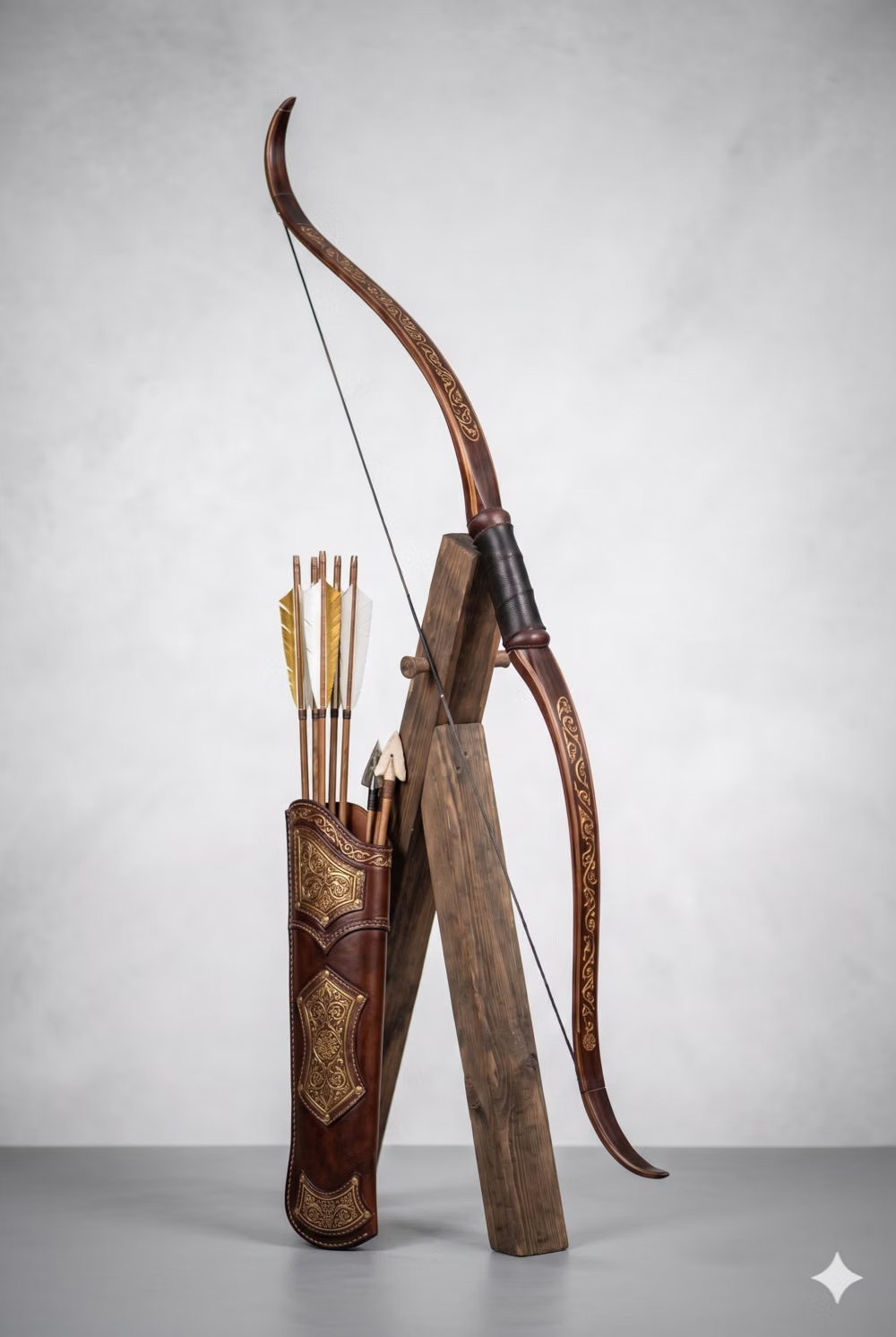
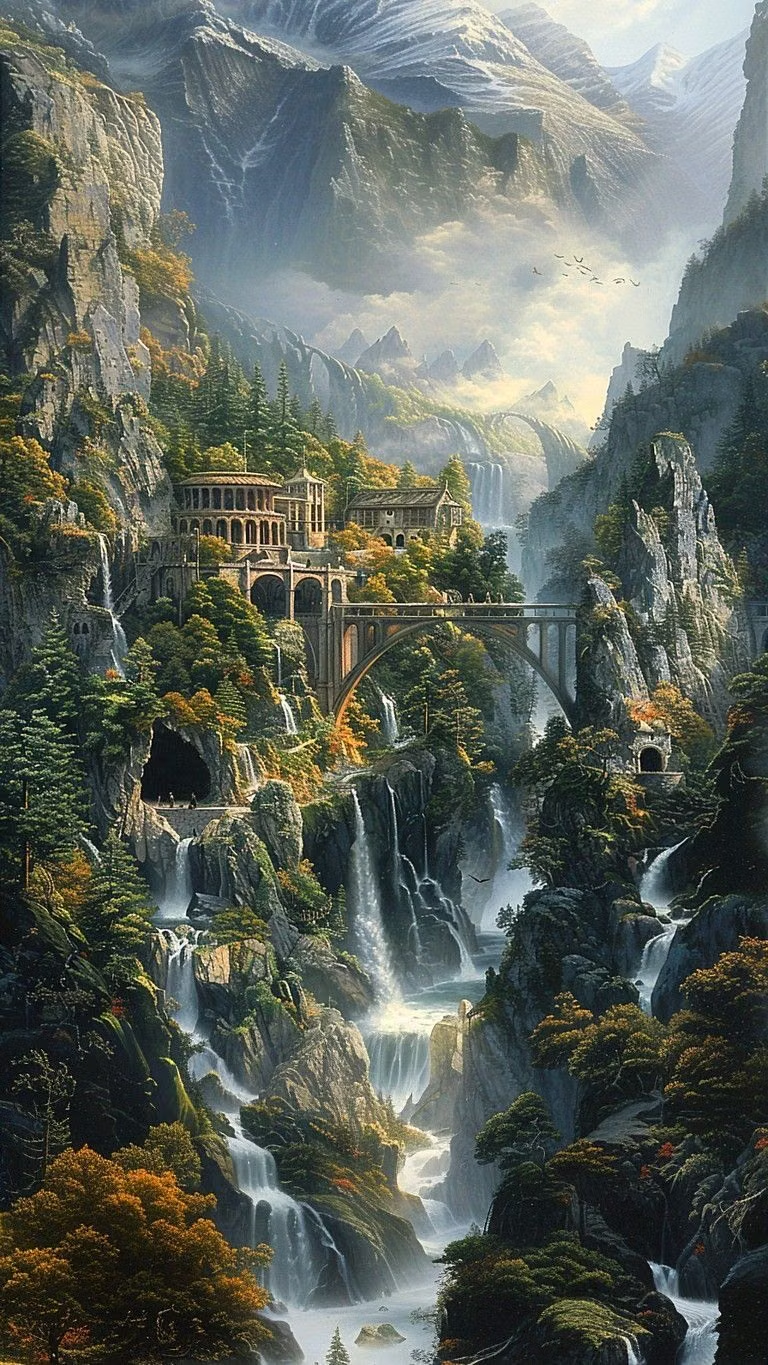
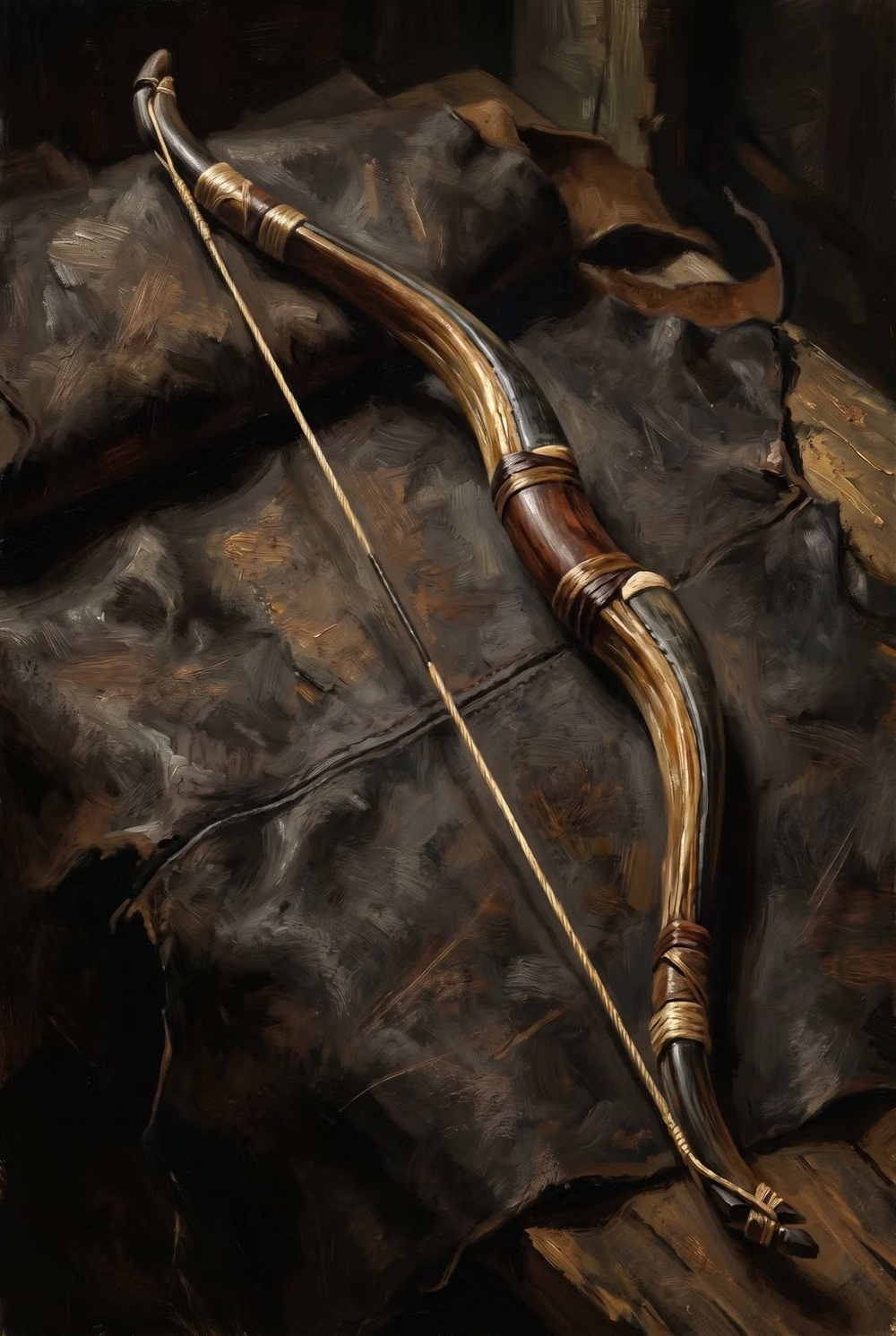
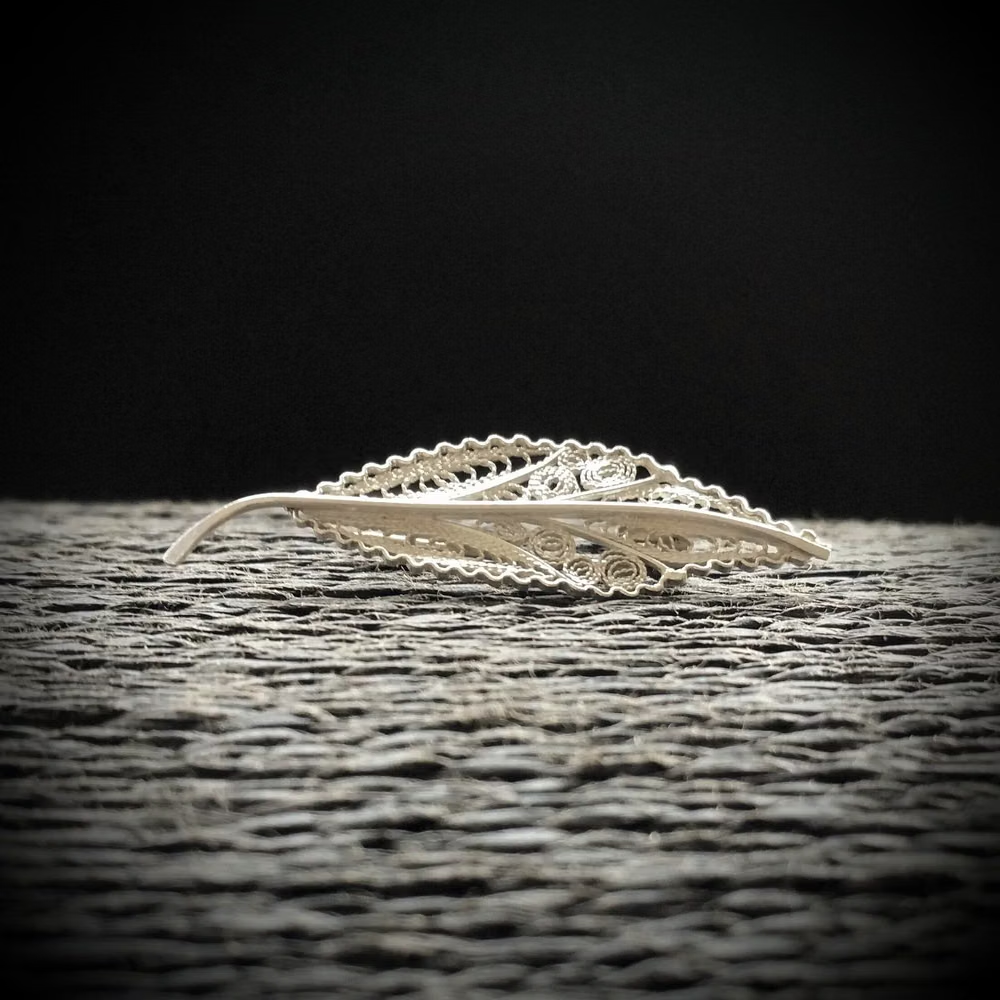
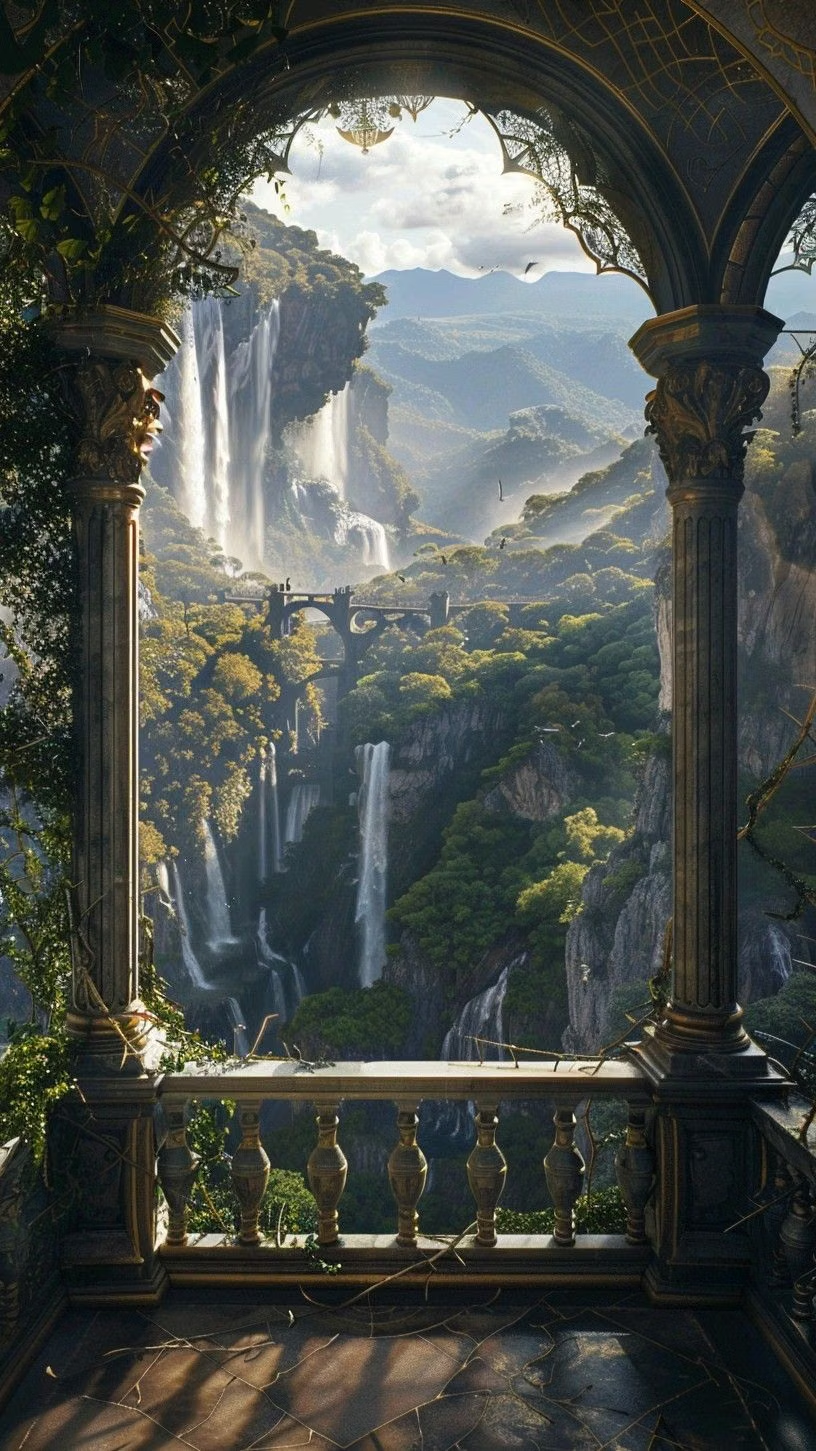
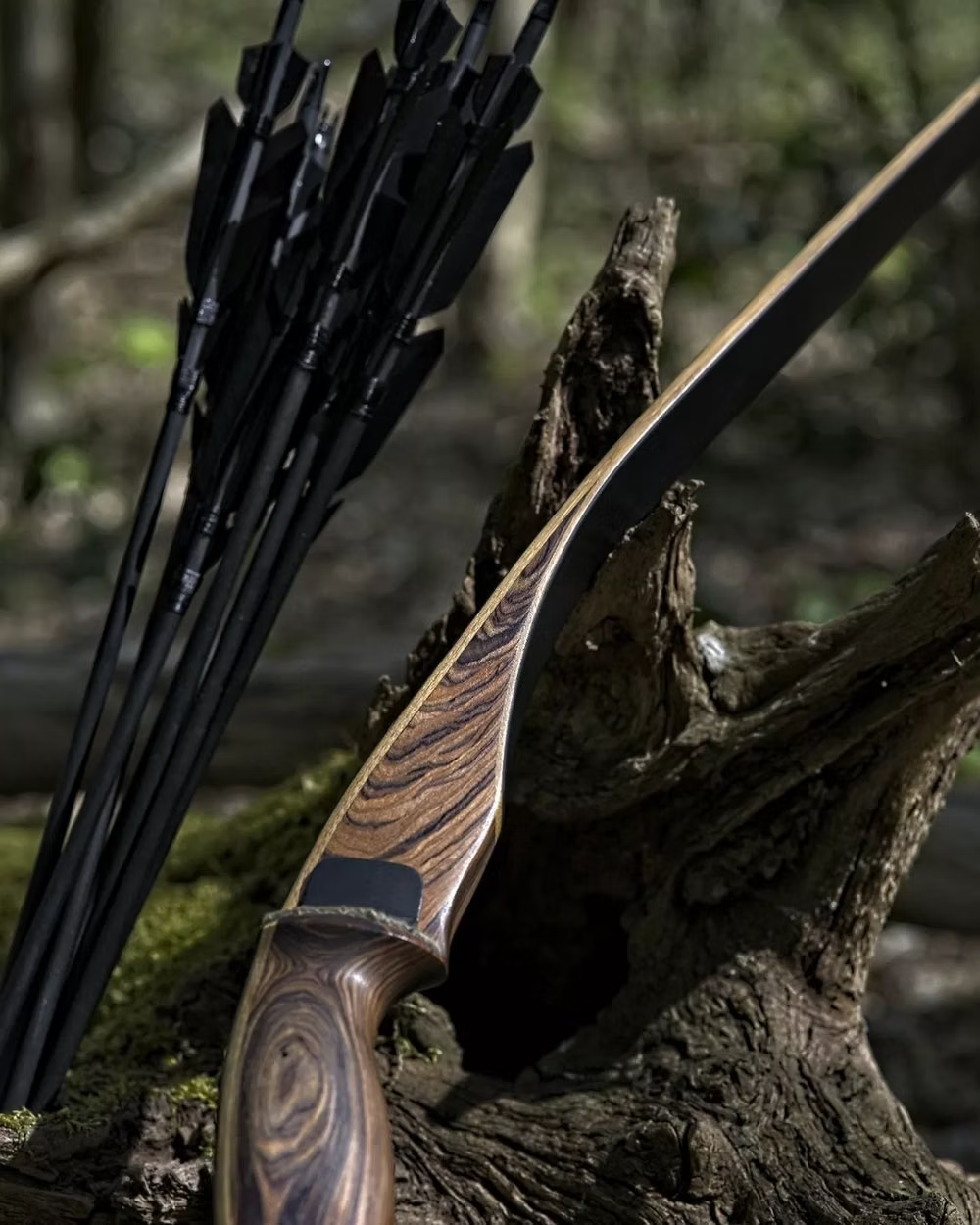
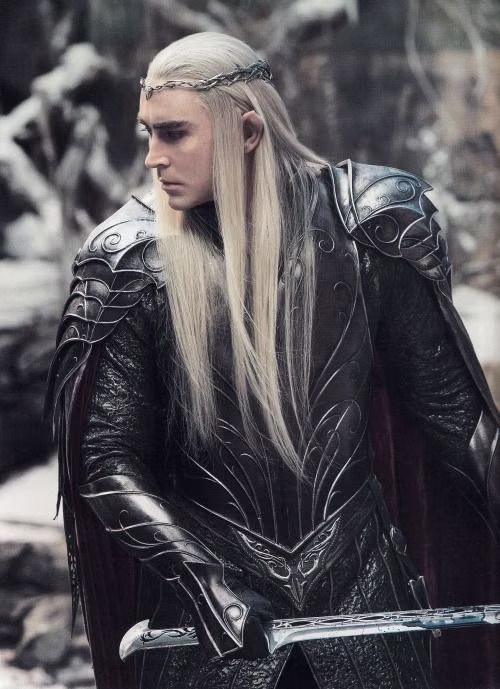
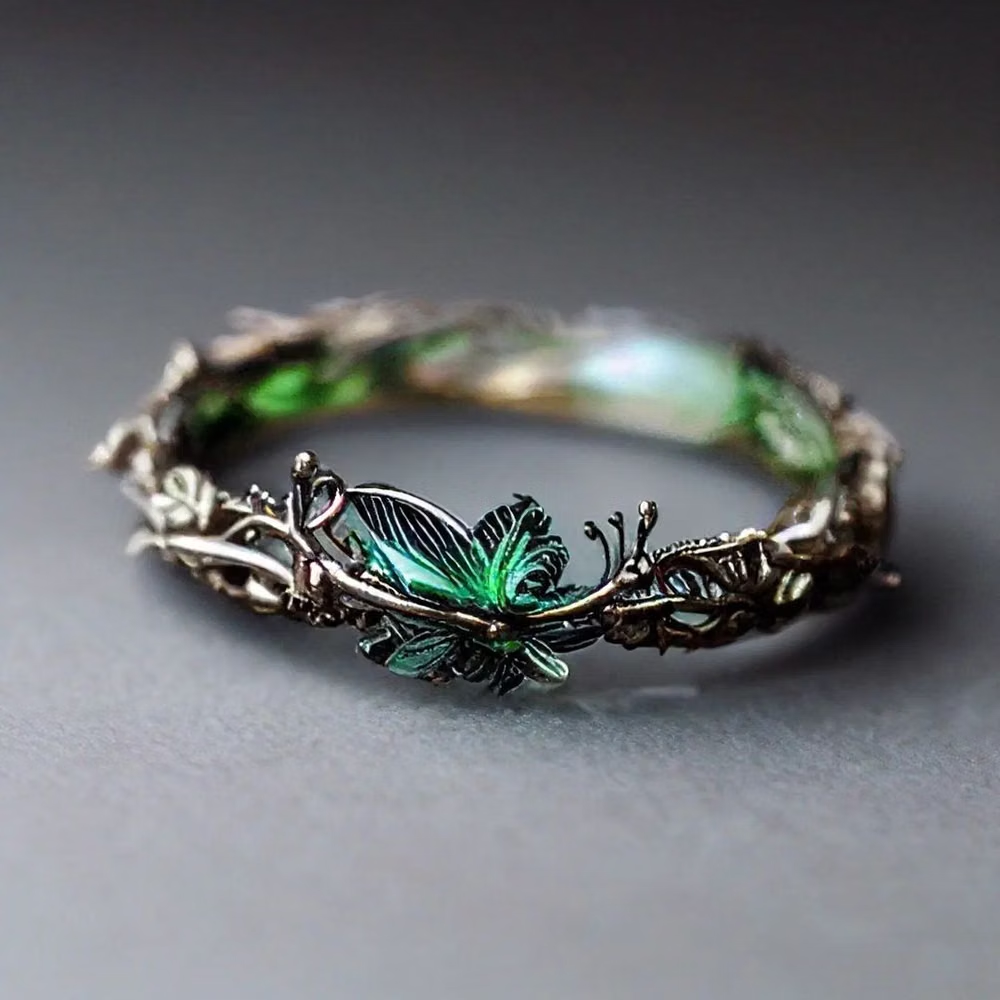
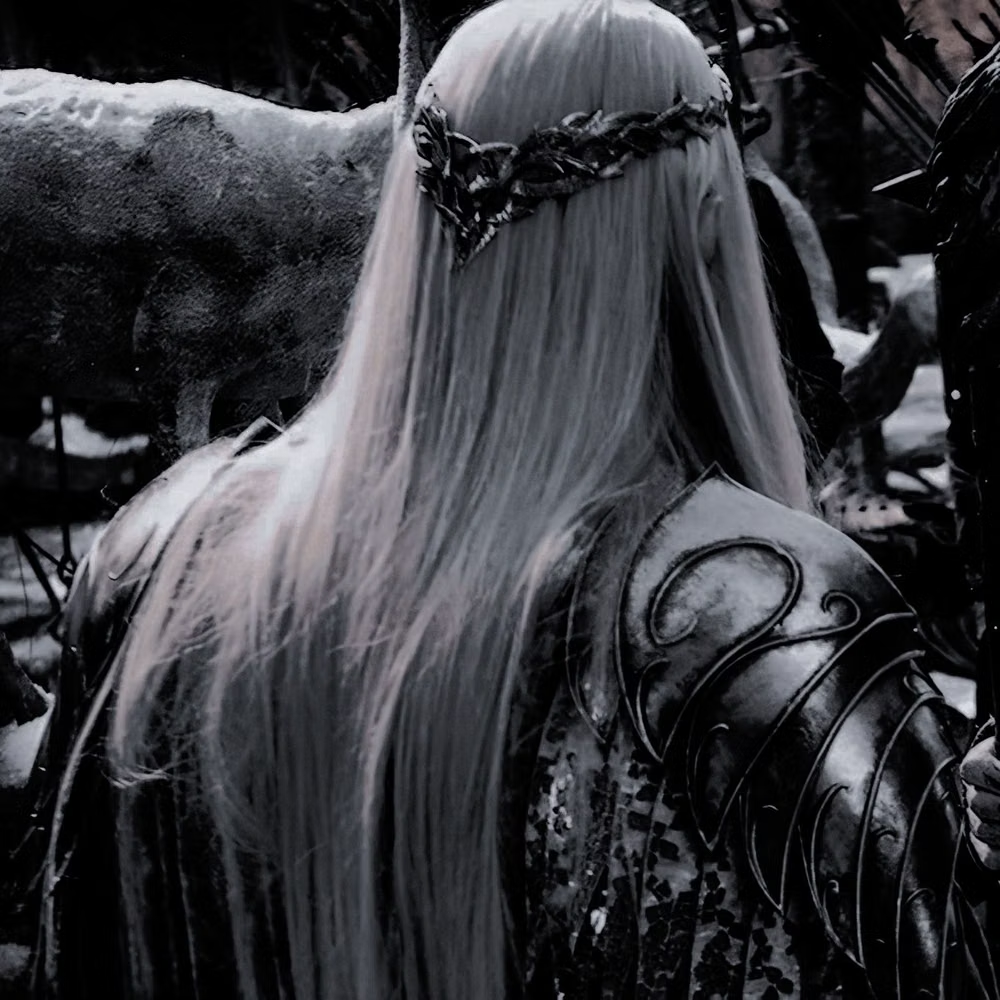
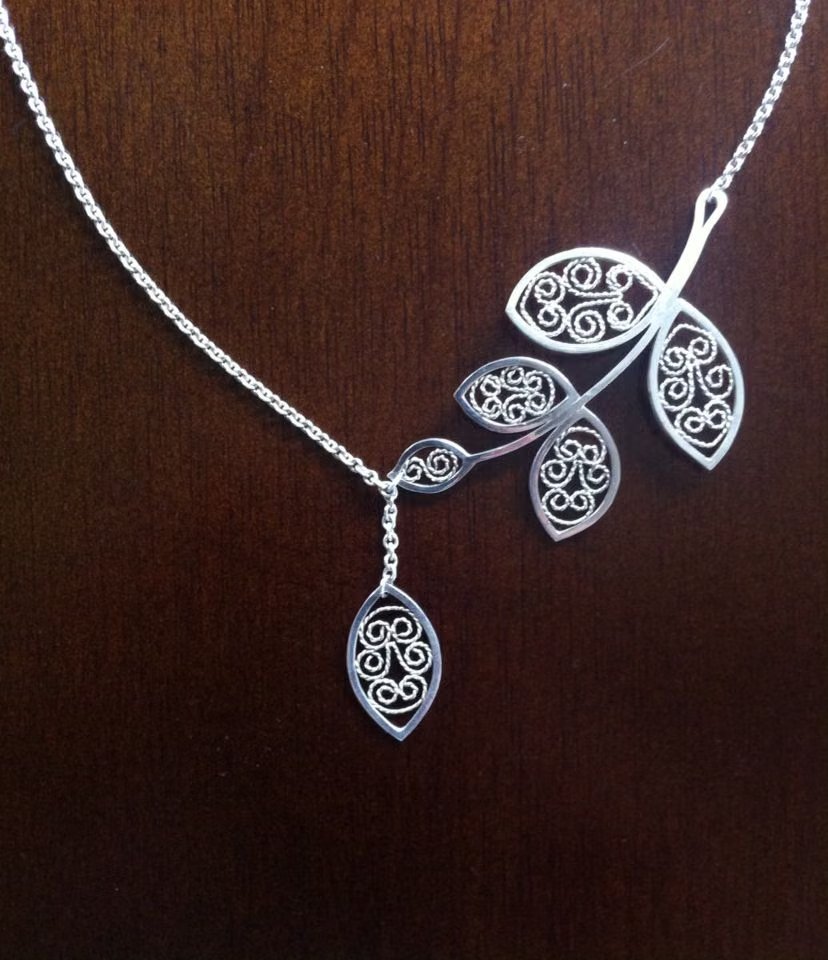
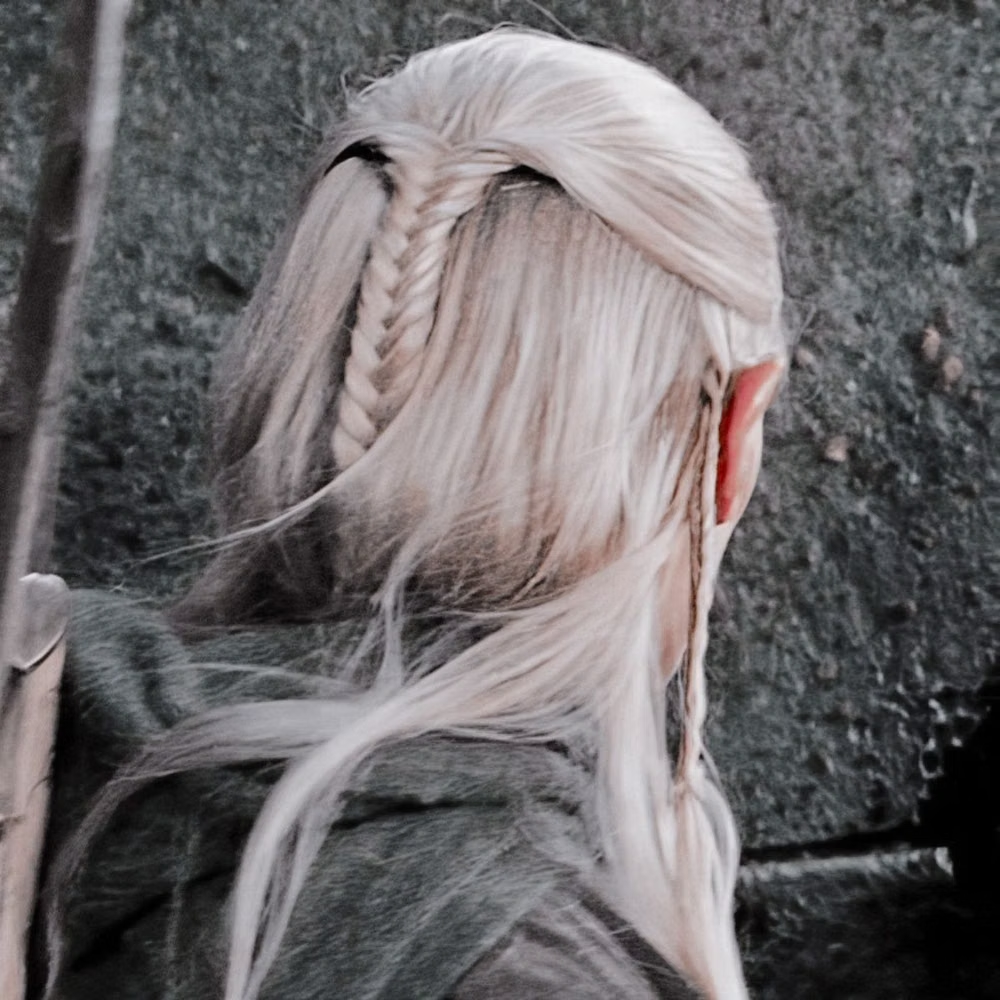
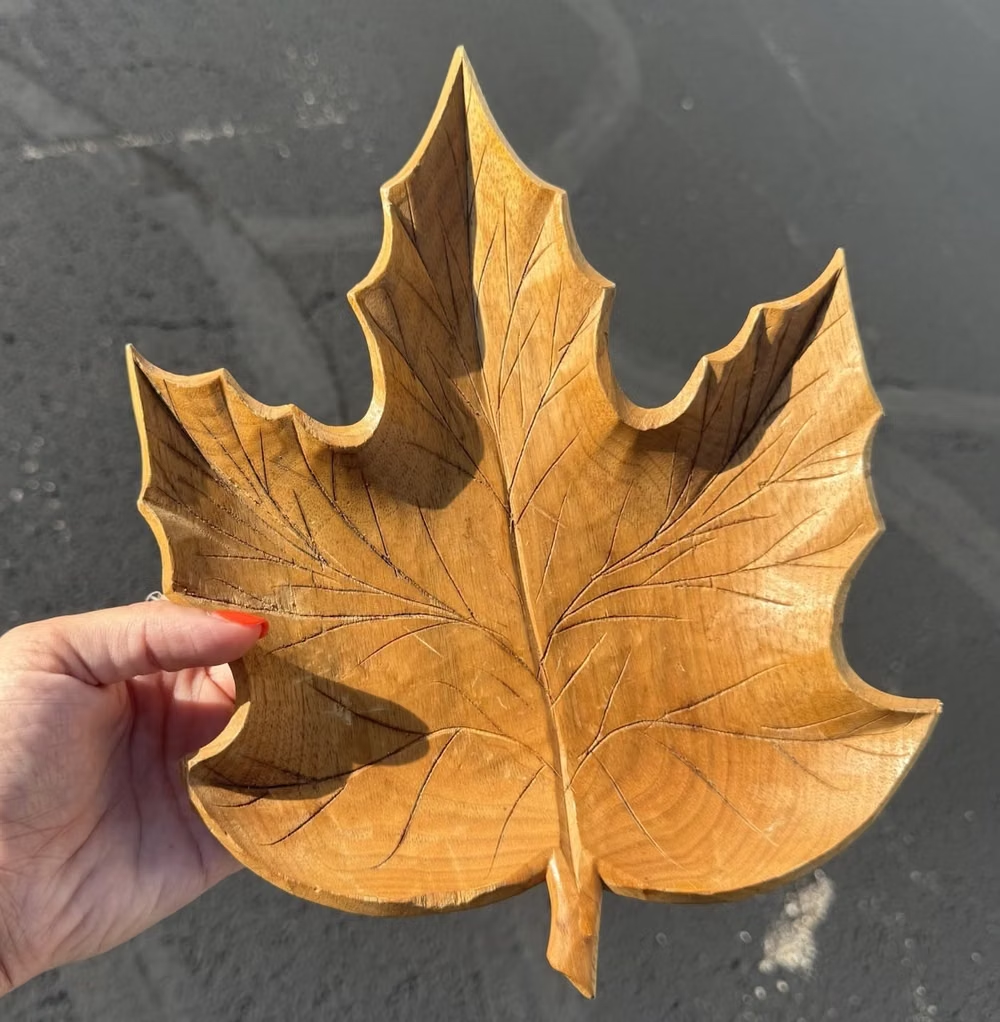
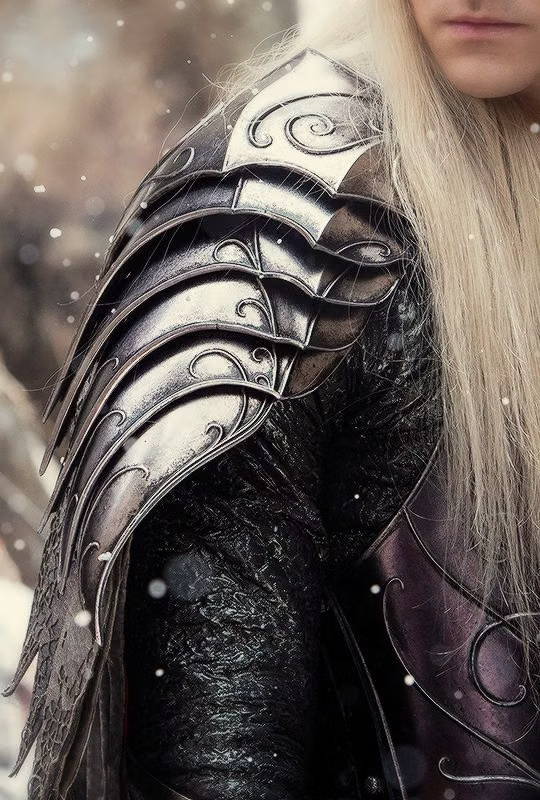
A visual study of the forms, inspirations, materials, colors, type, and cultural references associated with this UI design style.




Design principles and implementation
Use these principles to write a focused AI UI design prompt instead of asking for a vague visual treatment.
Color direction
Use forest green, moss, ivory, moonlit blue, silver, and pale gold with restrained jewel accents, choosing either a sunlit woodland or cool starlit mood for each view. In a daisyUI theme, use forest green for `primary`, moonlit blue or pale gold for `secondary`, and assign ivory, misted sage, and pale stone to `base-100`, `base-200`, and `base-300` for a sunlit woodland scheme.
Imagery direction
Show ancient forests, waterfalls, tree-grown halls, hand-carved wood, fine metalwork, bows, stars, maps, and serene otherworldly figures; invent original heraldry rather than copying a known fantasy world.
Content density
Keep density low to medium, giving scenery and ornament room to breathe while revealing lore, inventories, or navigation in clear layered panels.
Motion direction
Grow vine lines, trace star paths, shimmer metal or water, drift leaves and motes, and reveal tall spaces with slow weightless motion.
Shape language
Favor elongated arches, leaf points, whiplash curves, interlaced branches, crescents, teardrops, and fine filigree instead of heavy boxes. In daisyUI themes, set the `--radius-*` variables between `0.75rem` and `1.5rem`.
Typography rules
Pair an elegant literary serif with a calligraphic or uncial display face for short names, and keep body text plain; never replace essential labels with invented runes.
Suggested Typfaces
Cormorant Garamond
Fresh daisies glow in warm sunlight
Fresh daisies glow in warm sunlight
1 2 3 4 5 6 7 8 9 0
Marcellus
Fresh daisies glow in warm sunlight
Fresh daisies glow in warm sunlight
1 2 3 4 5 6 7 8 9 0
Bellefair
Fresh daisies glow in warm sunlight
Fresh daisies glow in warm sunlight
1 2 3 4 5 6 7 8 9 0
Alegreya
Fresh daisies glow in warm sunlight
Fresh daisies glow in warm sunlight
1 2 3 4 5 6 7 8 9 0
Cinzel Decorative
Fresh daisies glow in warm sunlight
Fresh daisies glow in warm sunlight
1 2 3 4 5 6 7 8 9 0
Build a Elvish Aesthetic interface with daisyUI
The live example translates this direction into daisyUI components and semantic theme tokens.
To generate a full page in the same visual language, give the style name and the design rules above to Blueprint MCP.
Related UI design styles
Compare nearby visual languages that share typography, shapes, use cases, or signature elements.
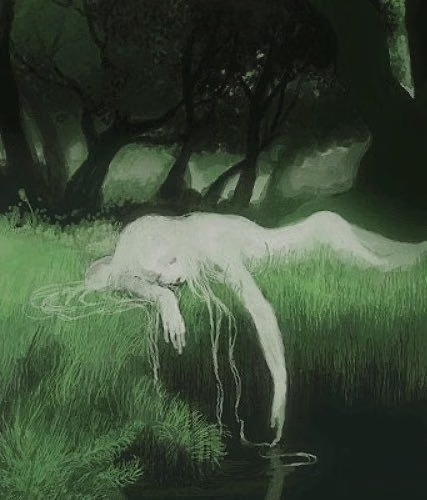
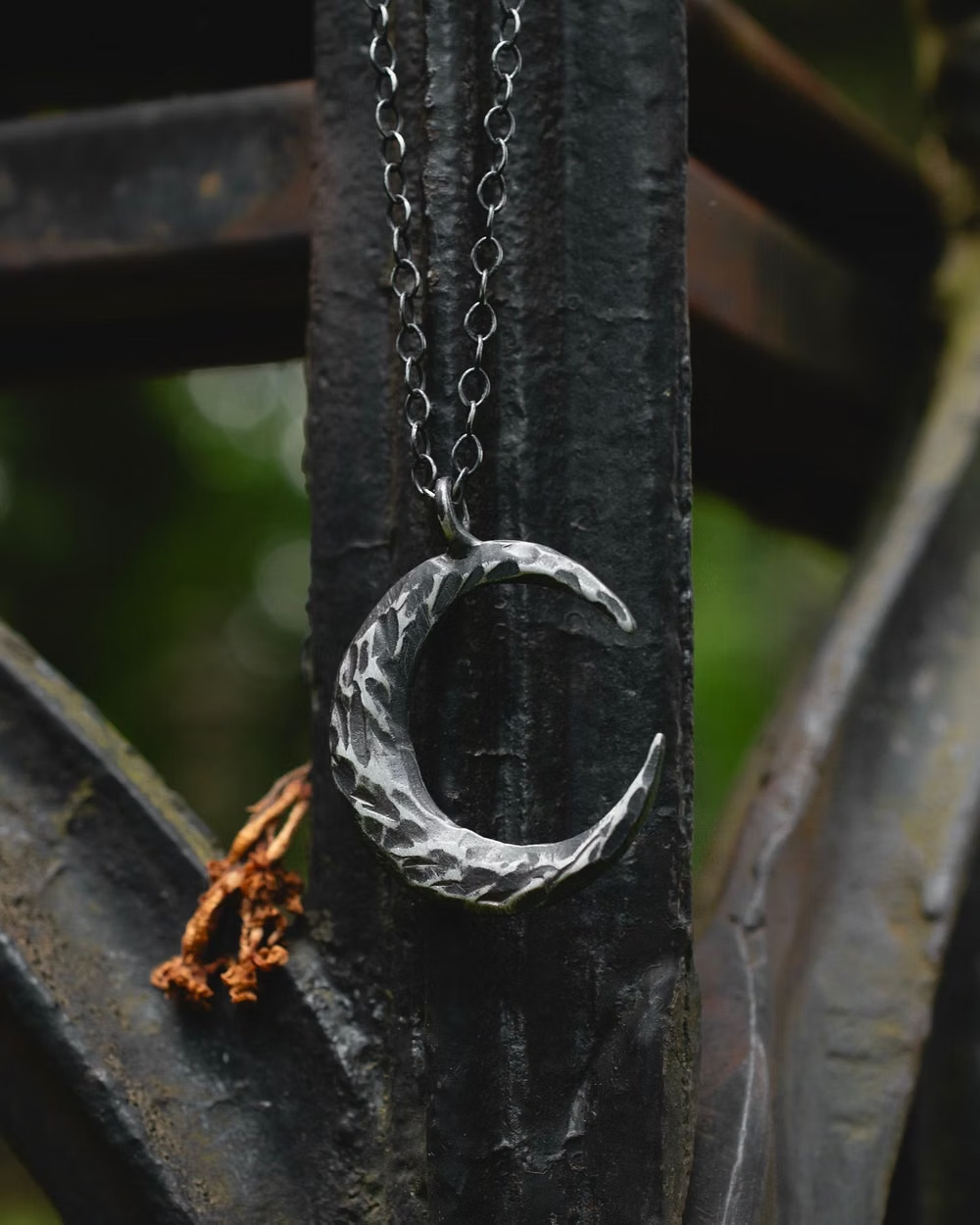
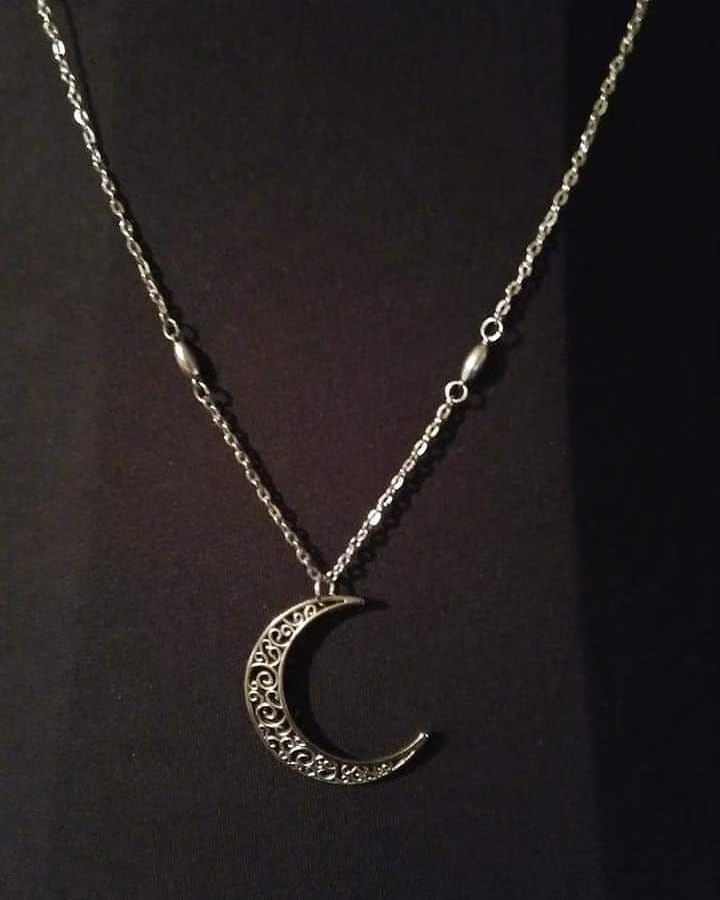
Whimsigothic UI design style
Celestial symbols, jewel tones, ornate curves, mystical illustration, and playful gothic motifs create theatrical enchantment.
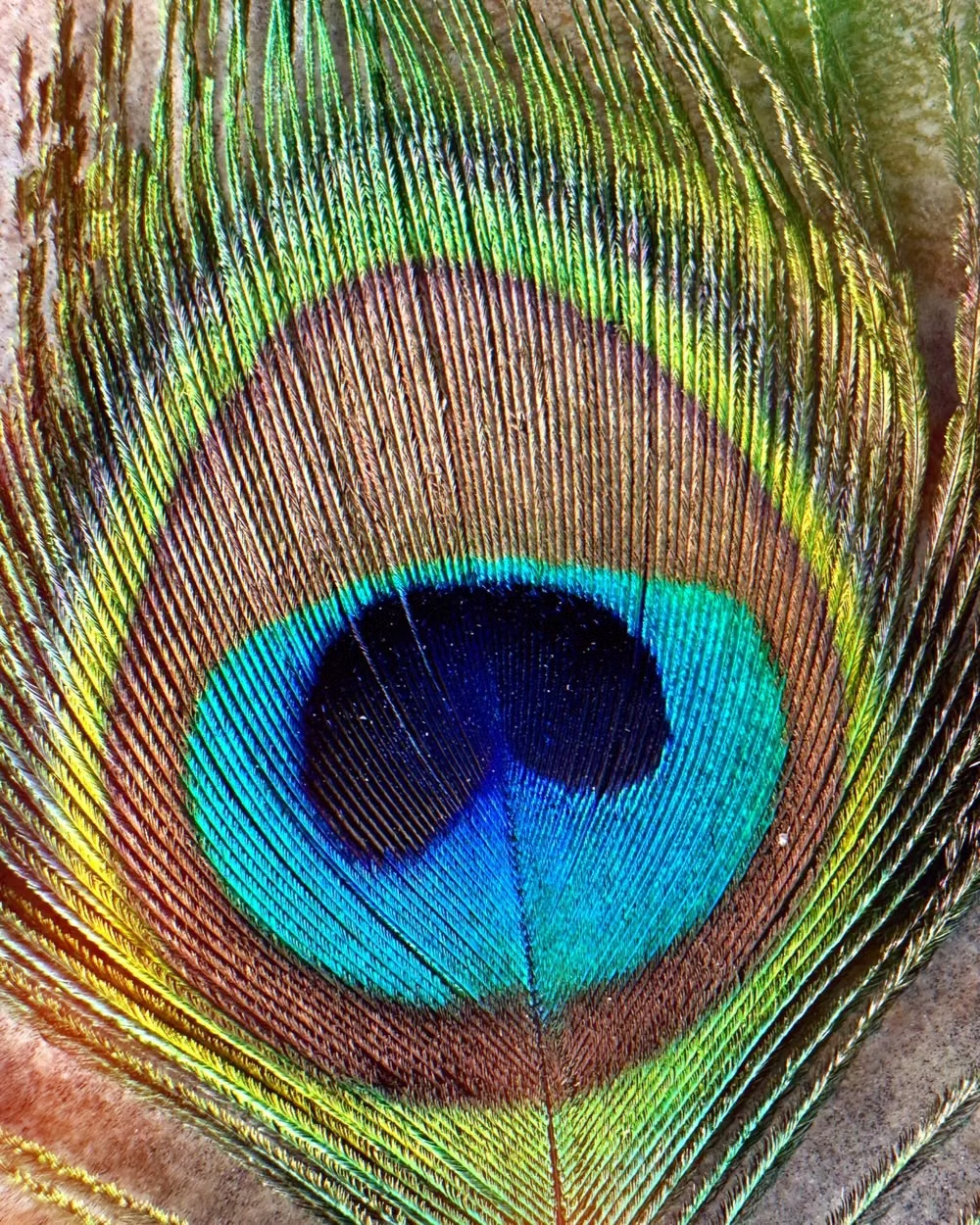
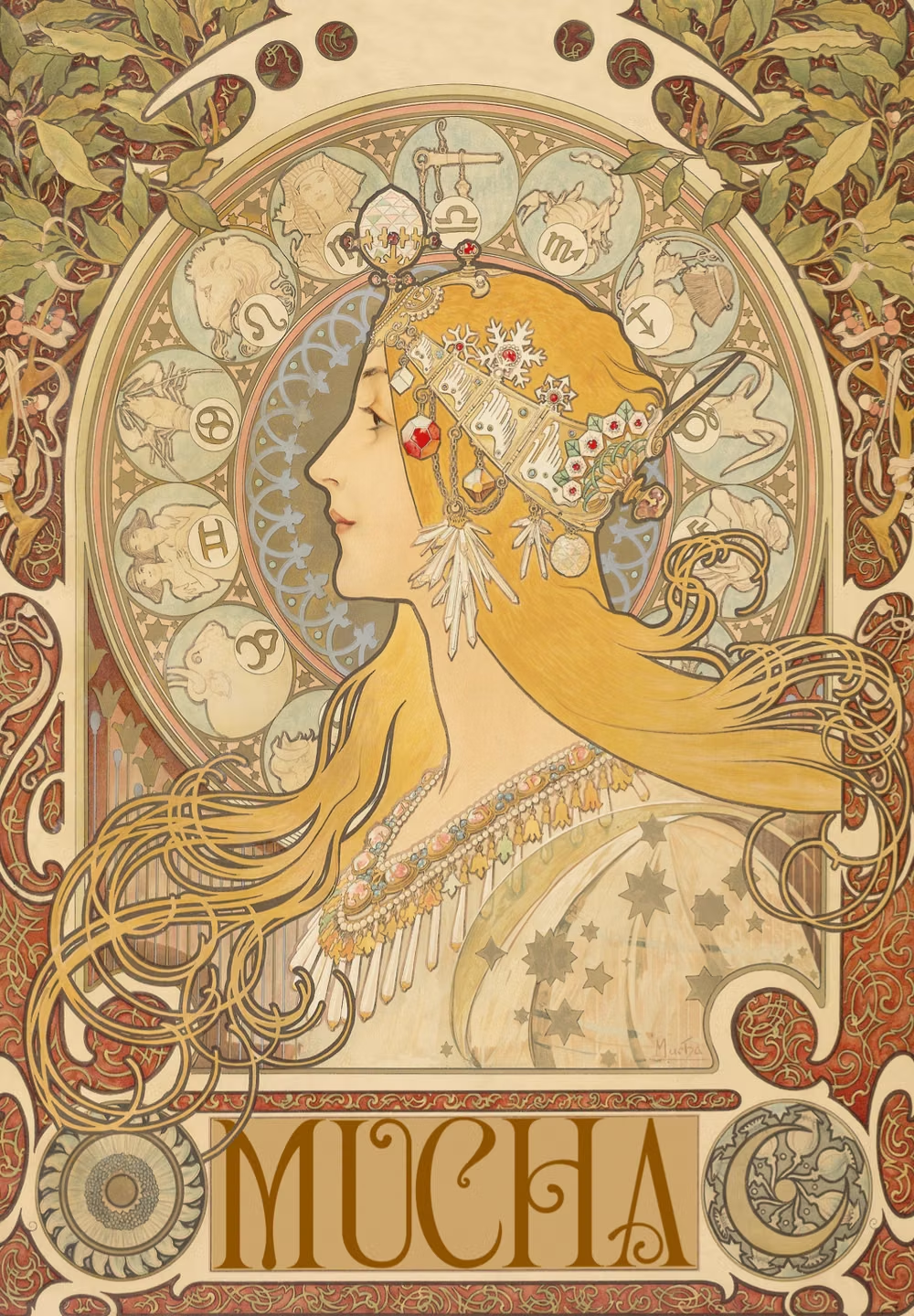
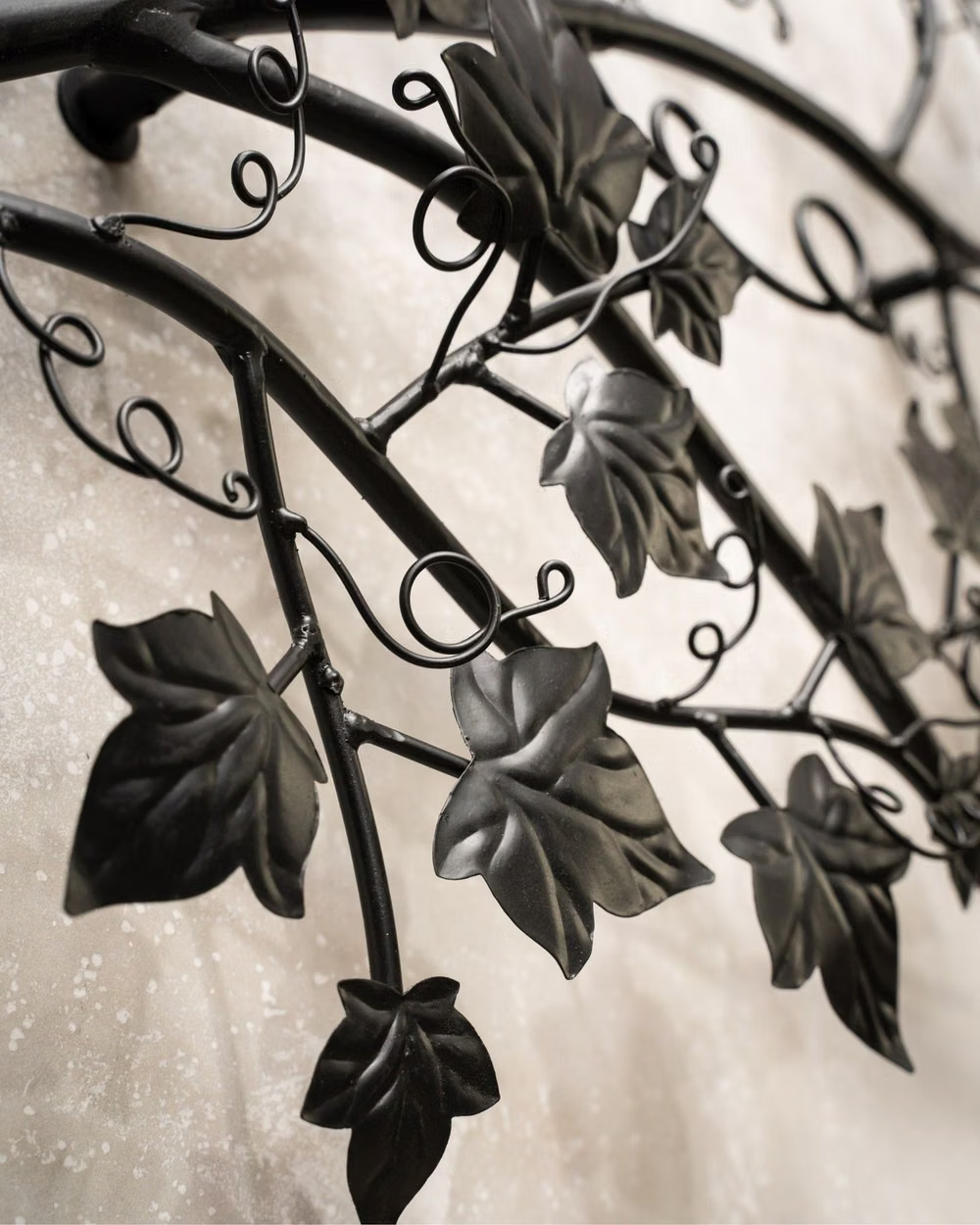
Art Nouveau UI design style
Flowing botanical lines, decorative frames, elegant lettering, natural motifs, and integrated ornament.
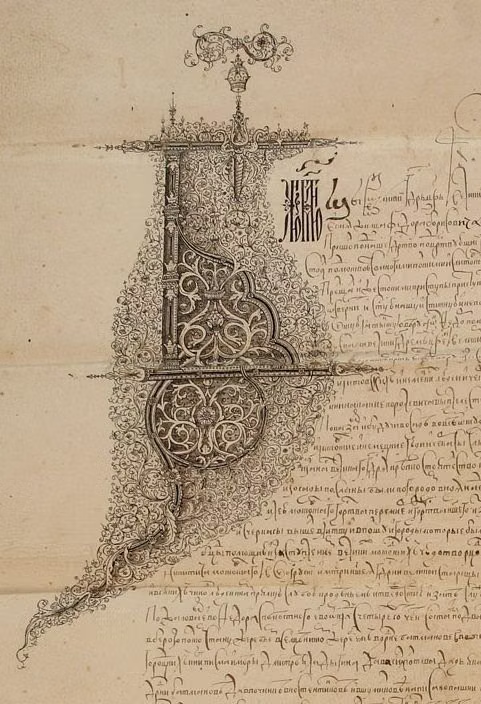
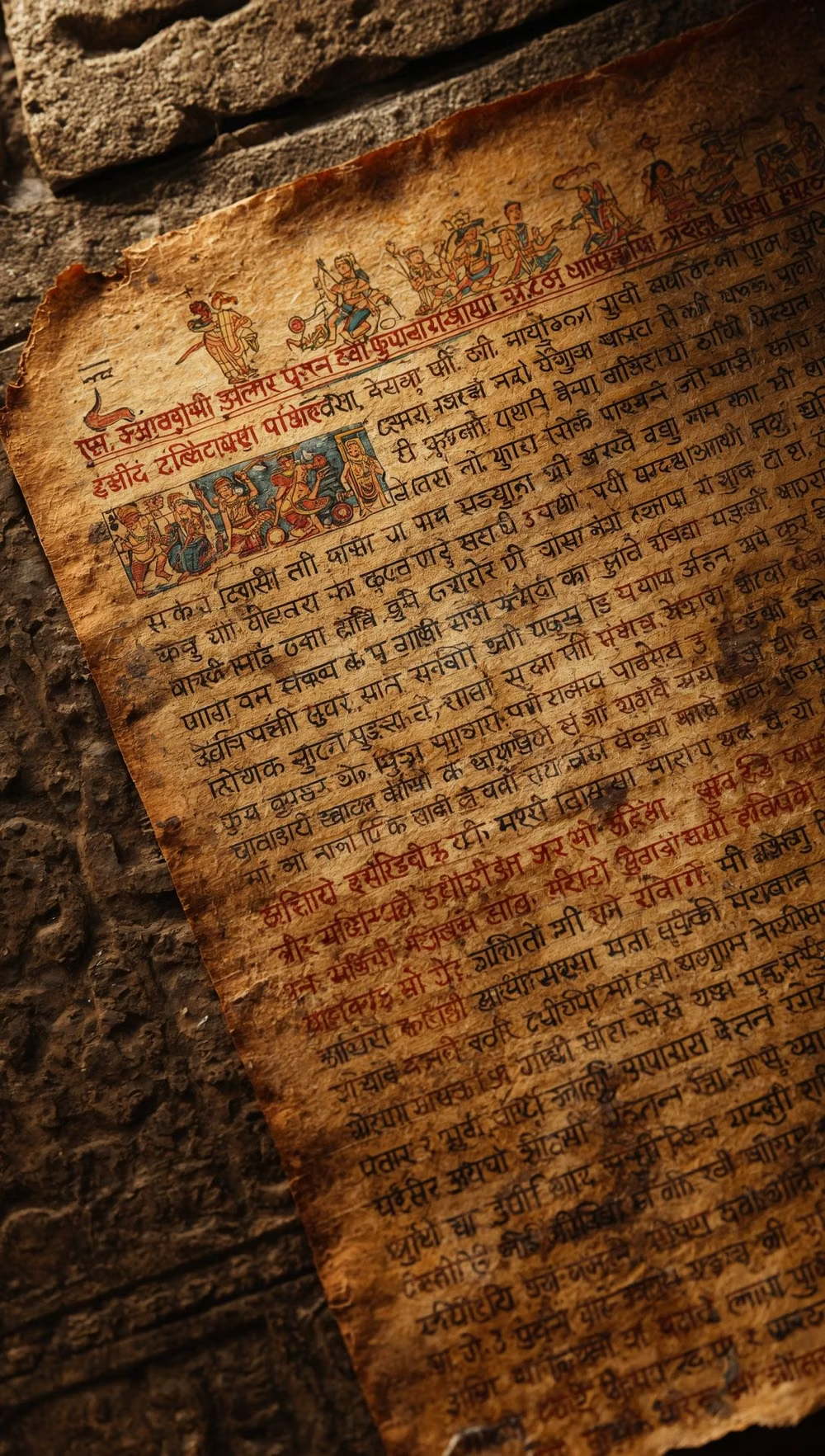
Historical Manuscript Skeuomorphism UI design style
A tactile interface style that makes digital UI feel like a physical artifact from an older era, using the visual language of parchment, ledgers, bound folios, and ceremonial documents. It belongs to the broader skeuomorphic tradition, but with a specifically archival, literary, and old-world character.