Retro-Futurism UI design style
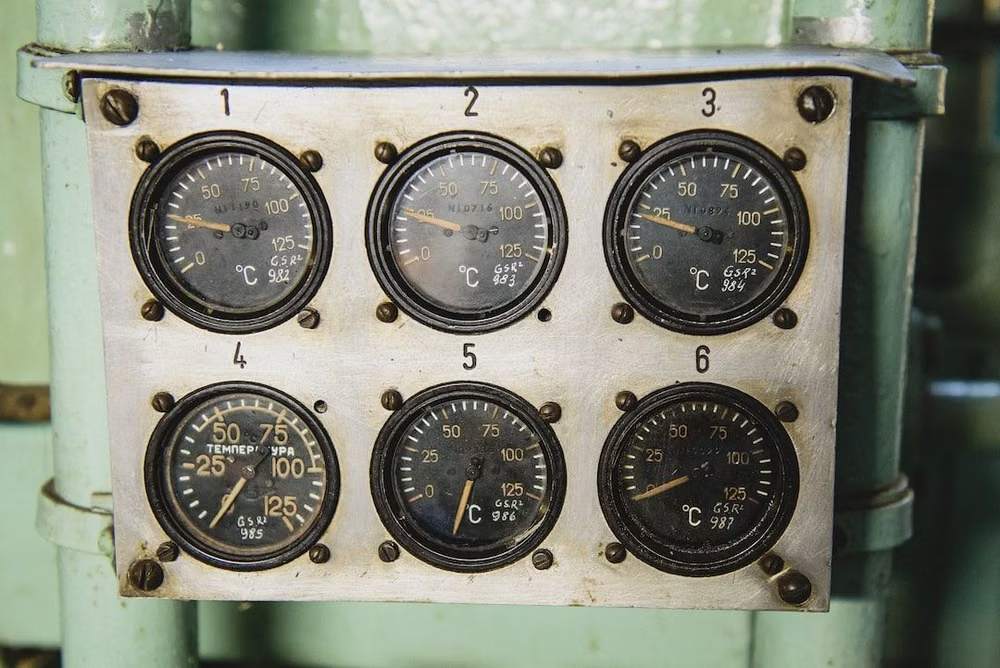
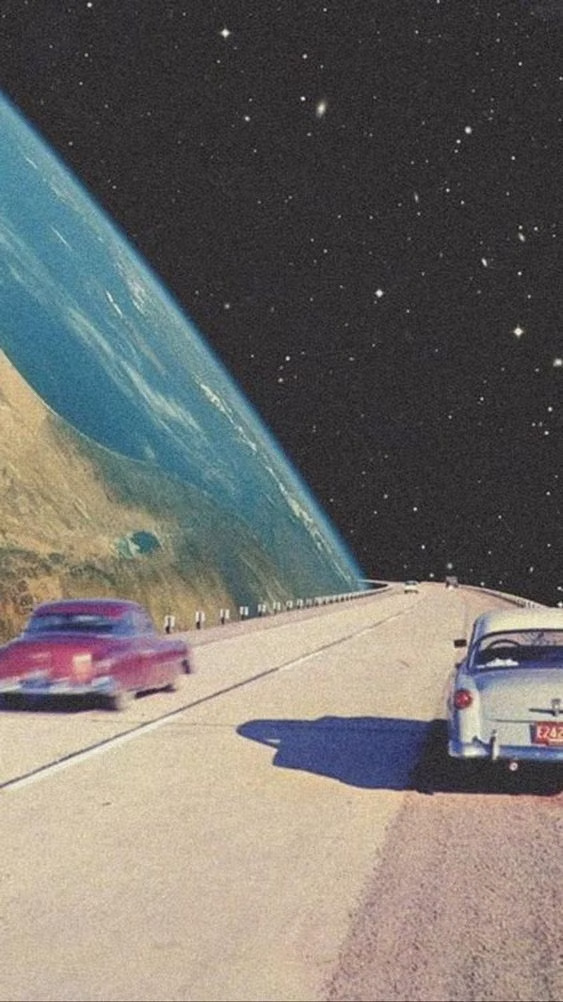
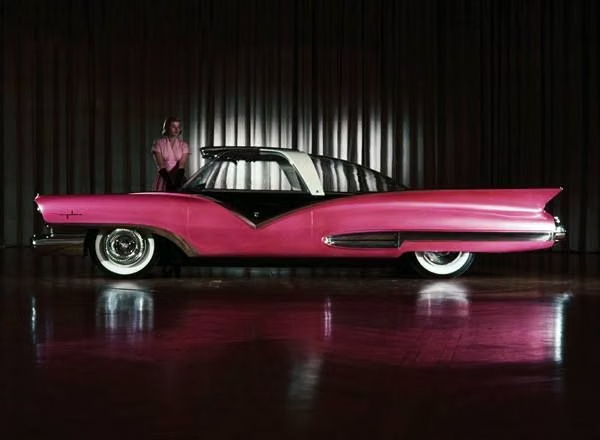
Past visions of tomorrow are recombined through vintage technology, period typography, space-age forms, chrome, and imagined futures.
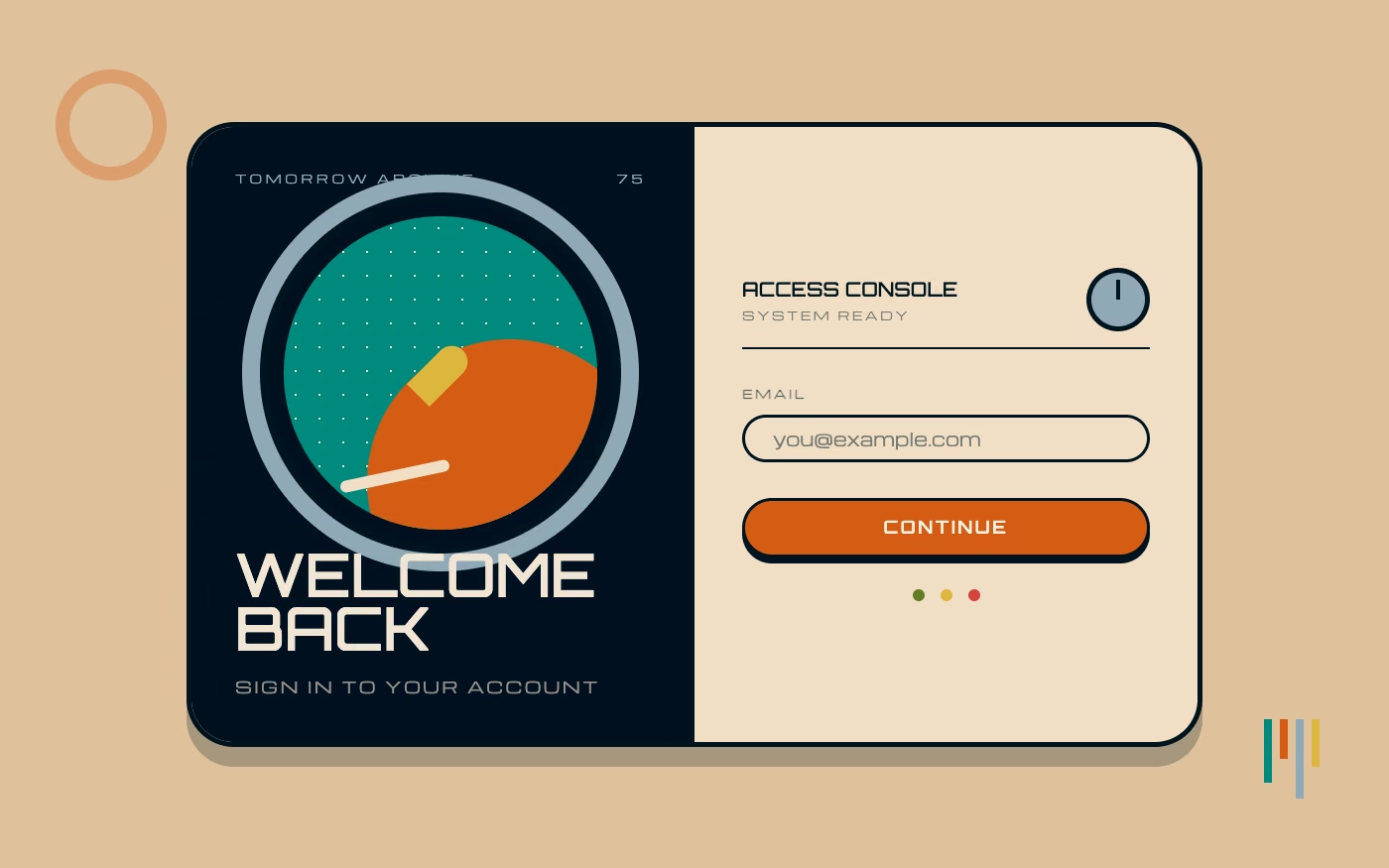
Design overview
- Signature elements
- vintage technology, space-age geometry, chrome accents, period typography, analog controls, imagined futures. In daisyUI themes, set `--depth: 1;`.
- Best suited to
- Entertainment, gaming, technology campaigns, exhibitions, and experimental product launches.
- Layout principles
- Combine a period-inspired control grid with sweeping space-age vistas, arranging analog details around one optimistic vision of an imagined tomorrow.
History and origins
A fact-checked account of where this visual language came from, with links to the references used.
- Period
- Historical source material from the late 19th–20th centuries; named revival from the 1980s
- Origin
- Publishing, illustration, film, architecture, and product design
Retrofuturism looks backward at how earlier periods pictured the future, so its source material ranges from Victorian machines to postwar space-age illustration. The modern label developed in 1980s publishing and is associated with Lloyd Dunn’s Retrofuturism projects; unlike a simple vintage revival, it foregrounds the tension between past expectations and the future that actually arrived.
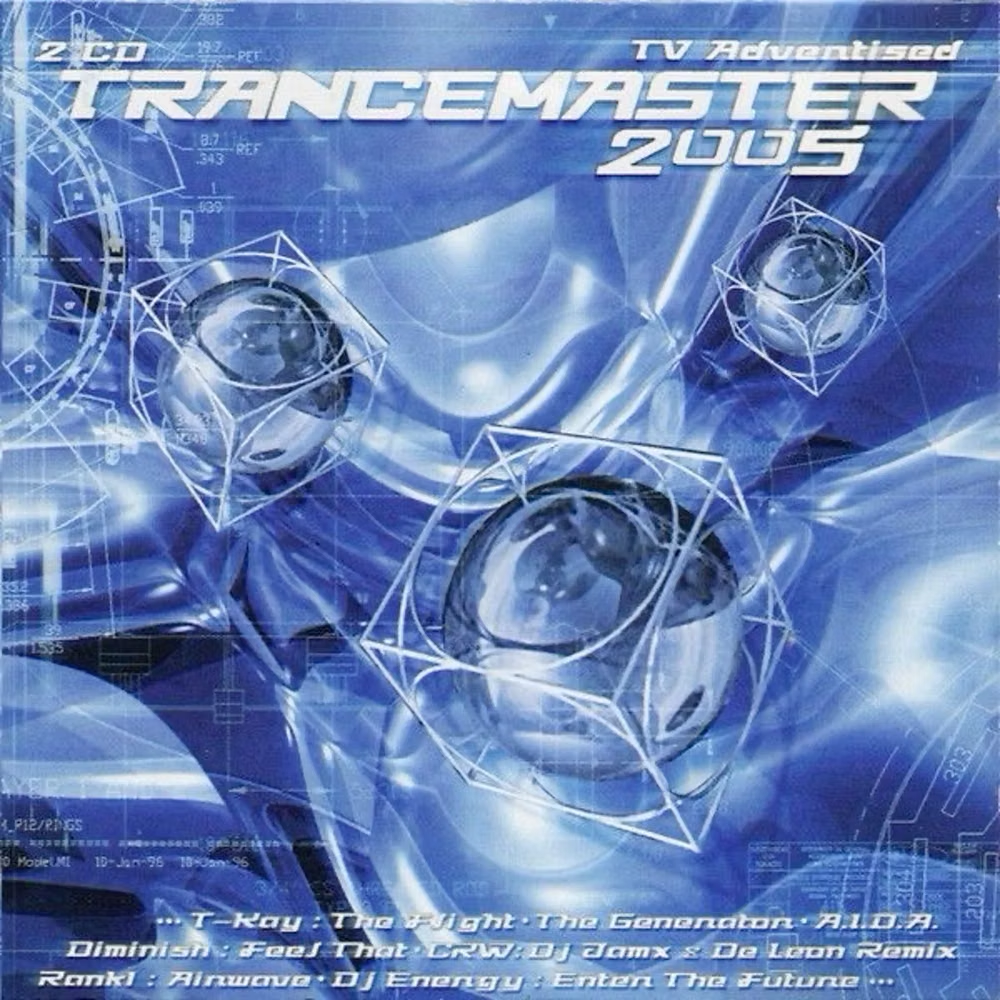
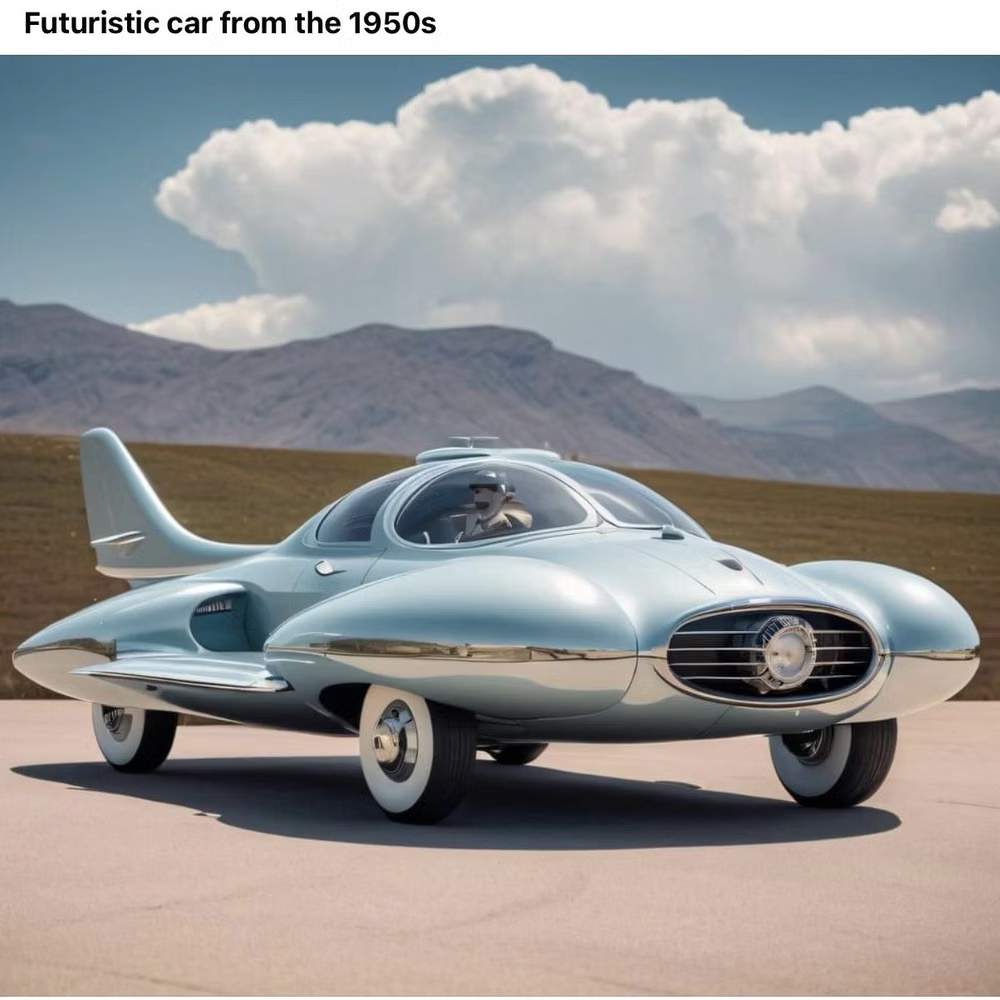
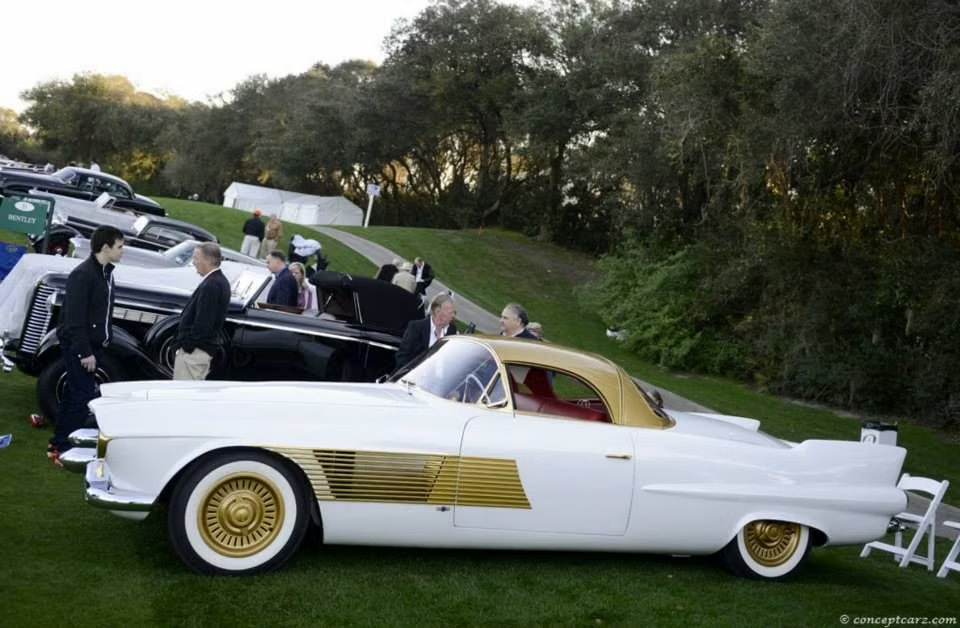
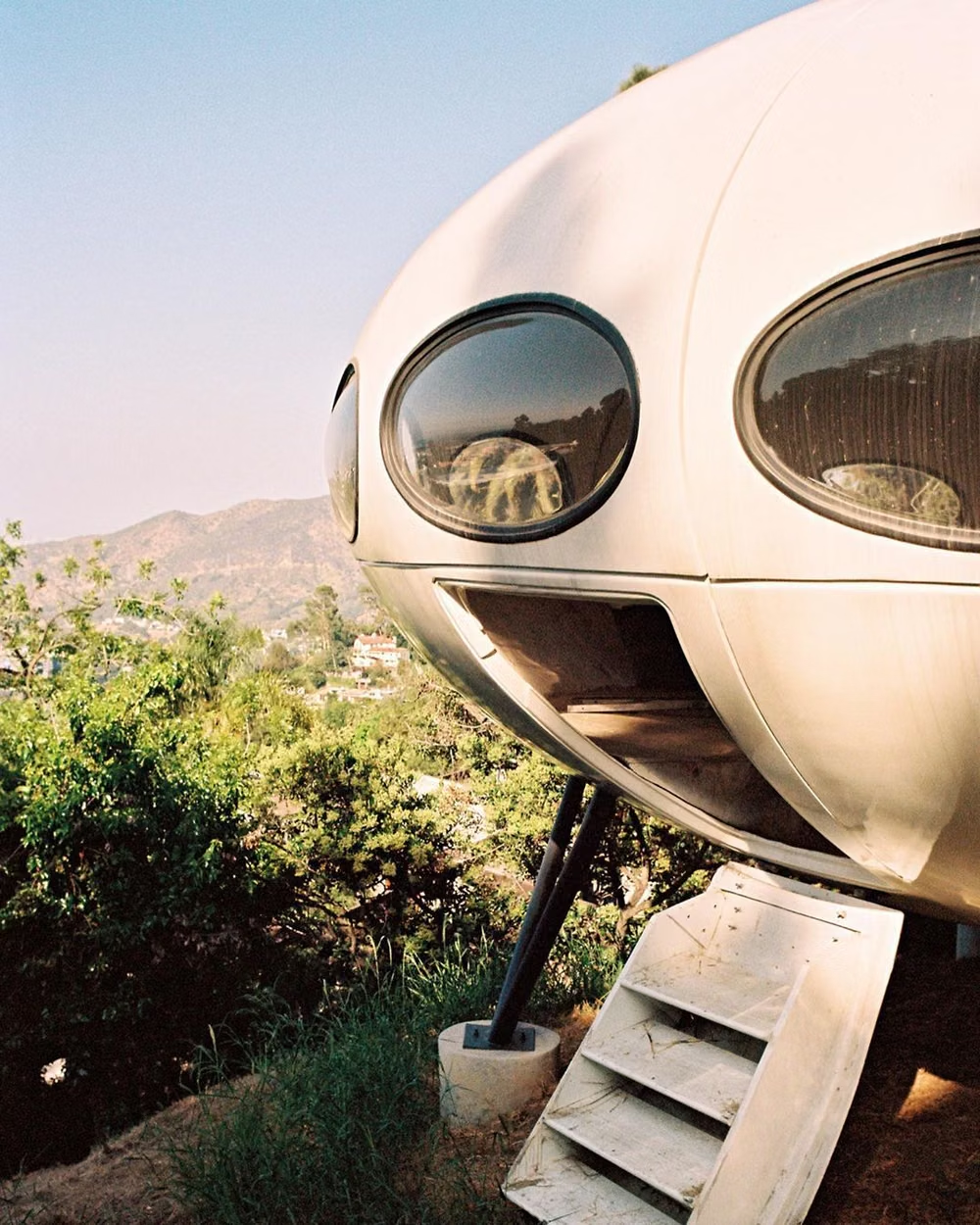
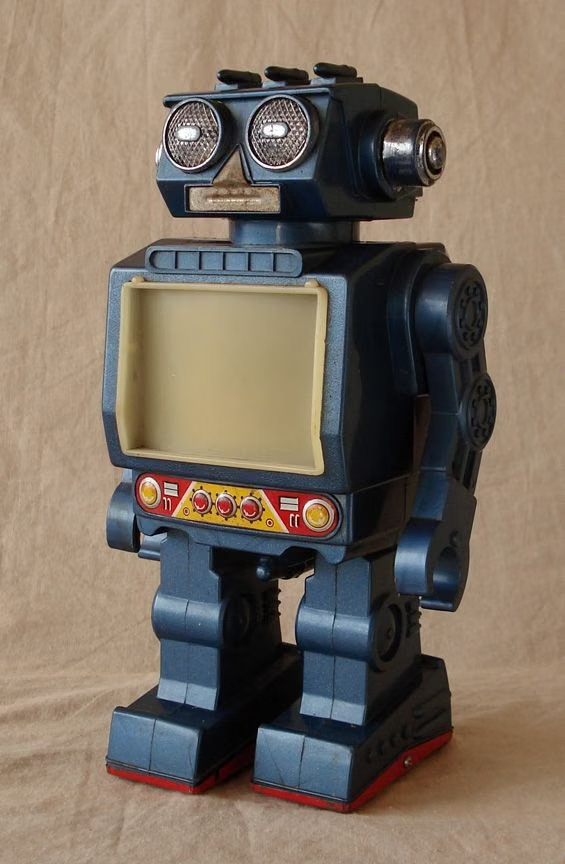
Moodboard and visual references
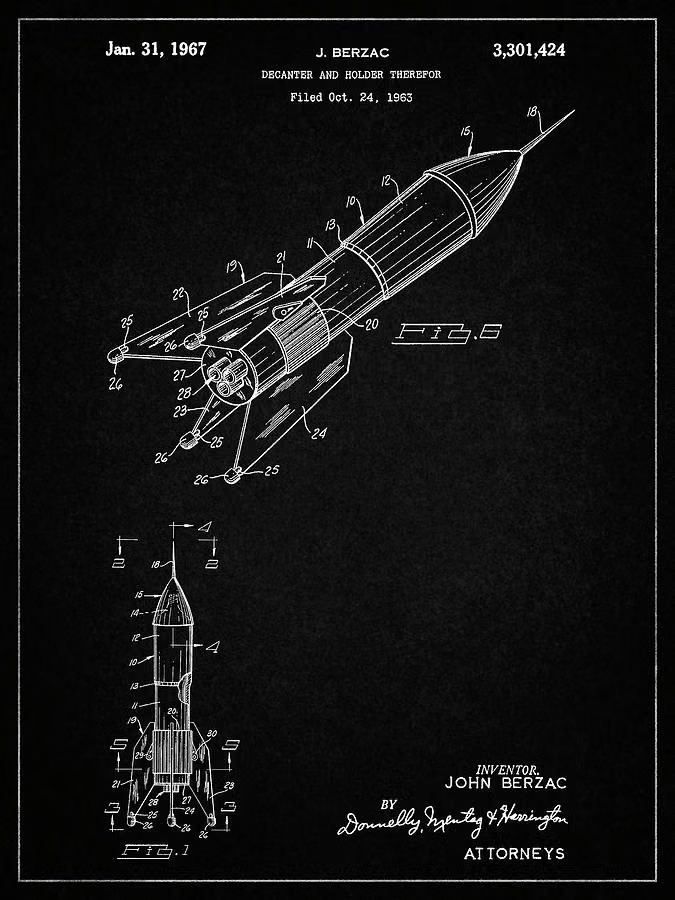
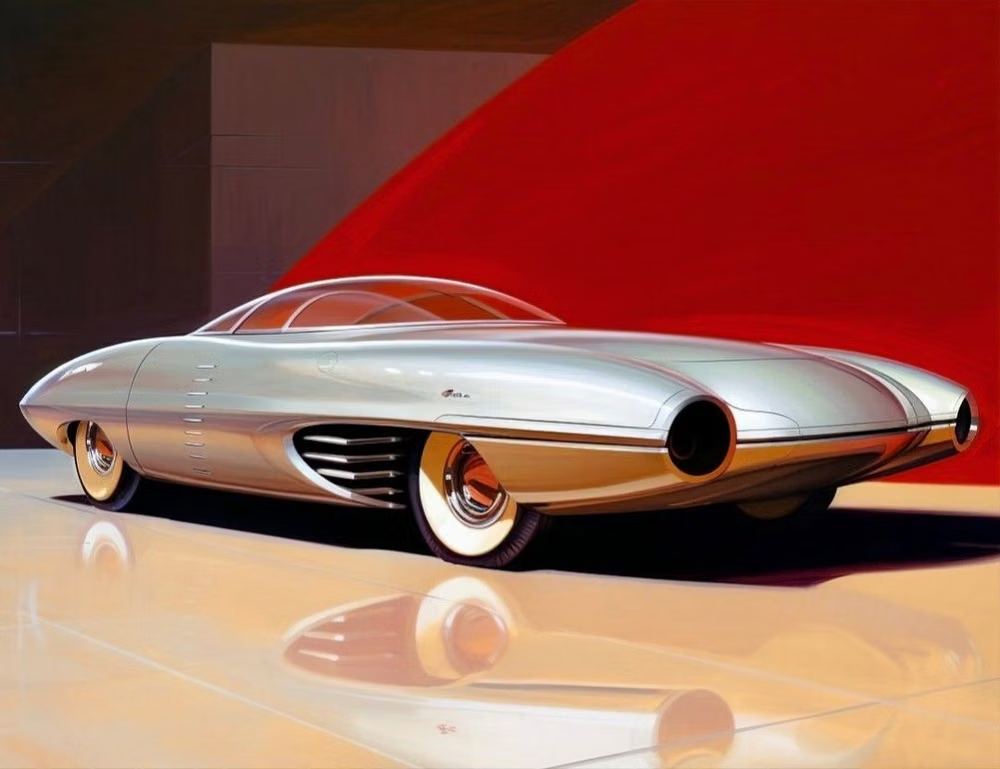
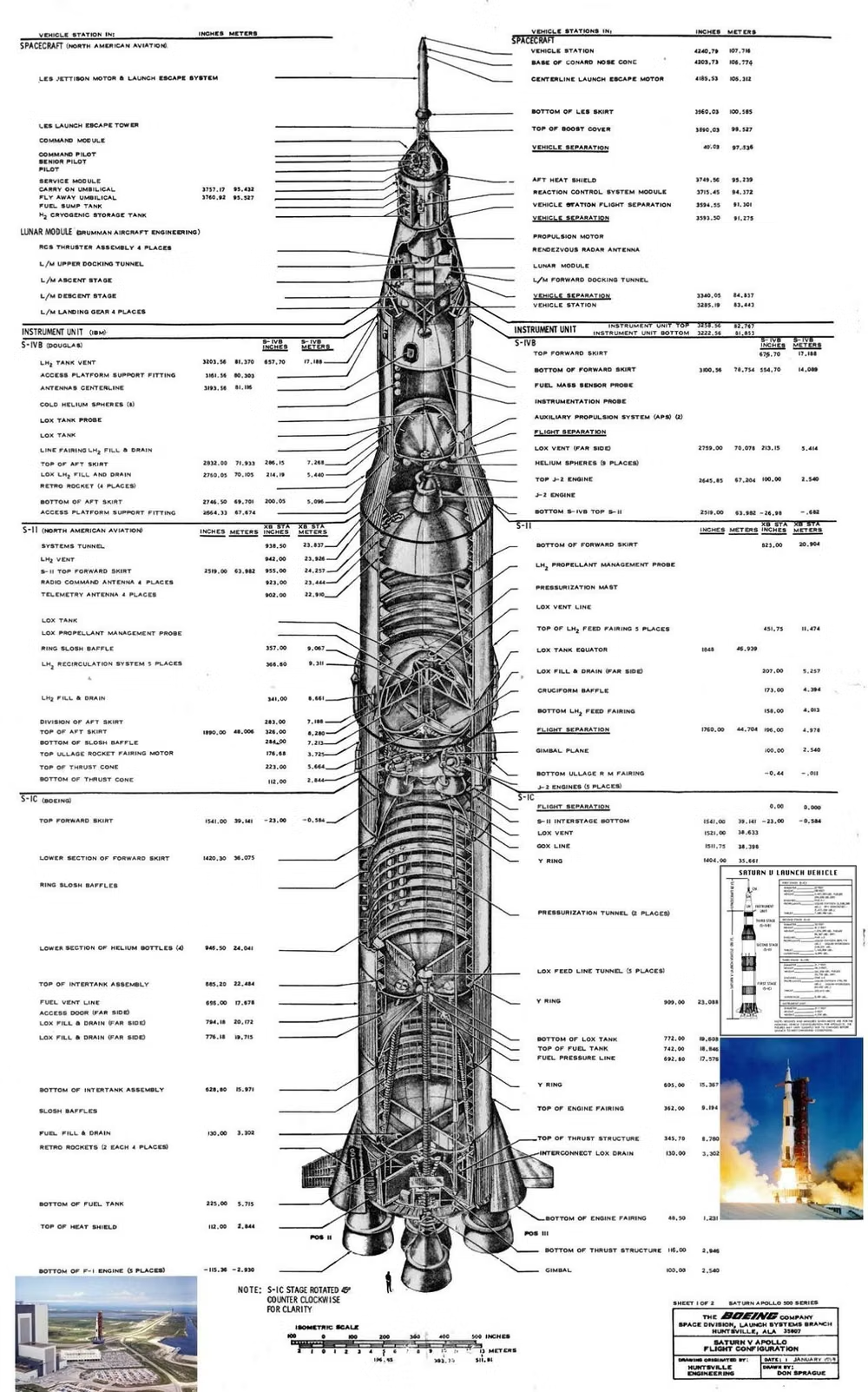
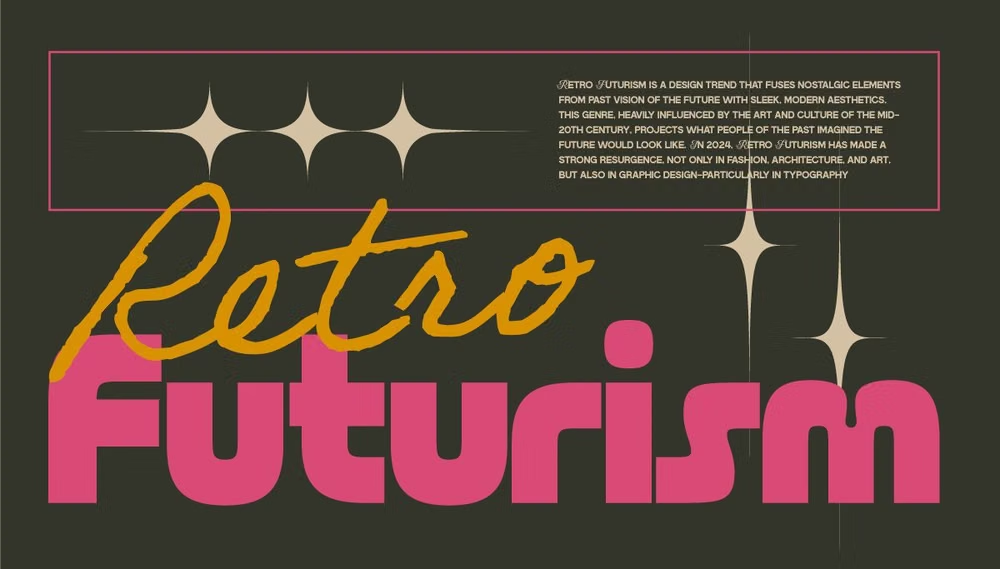
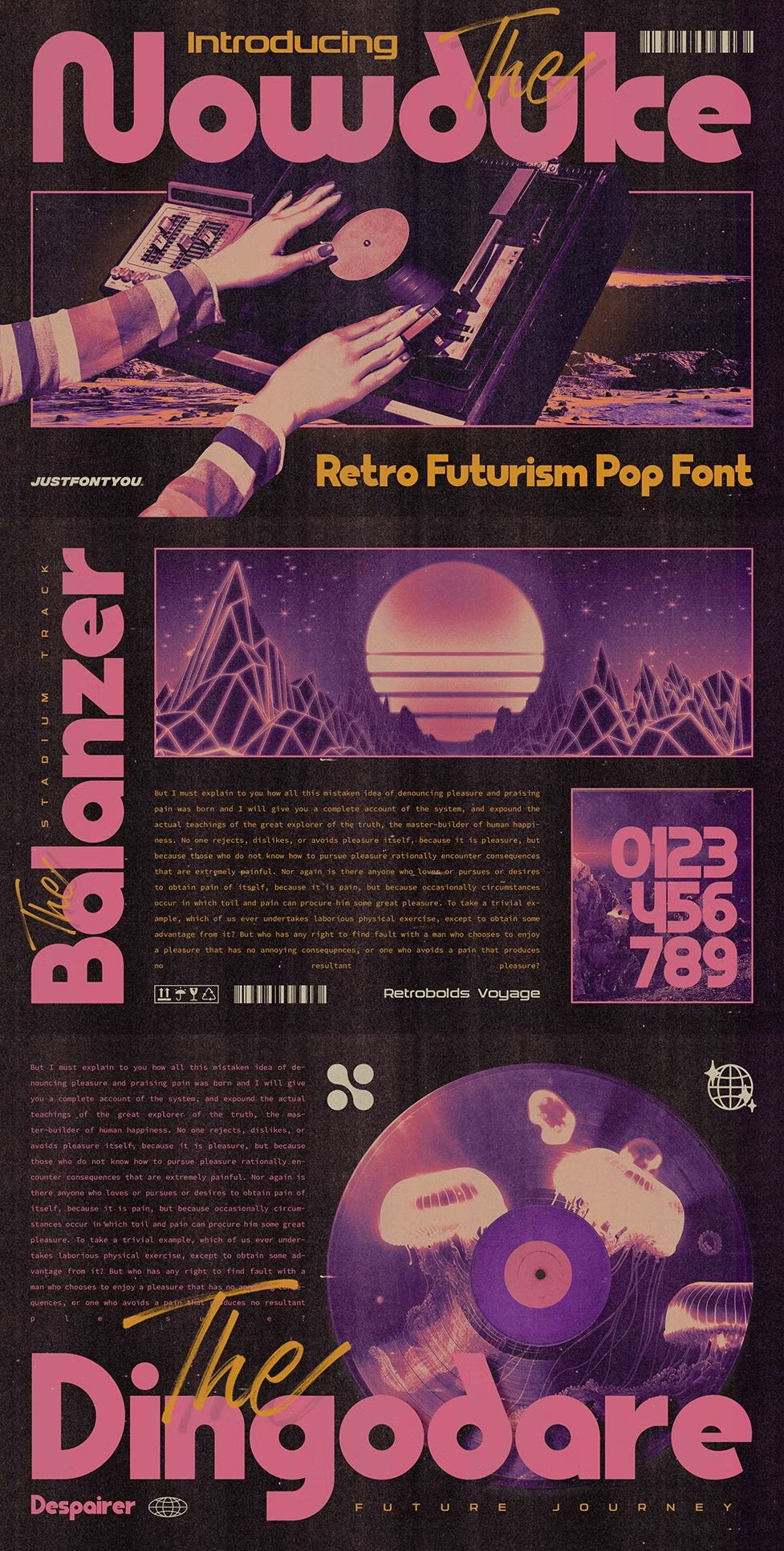
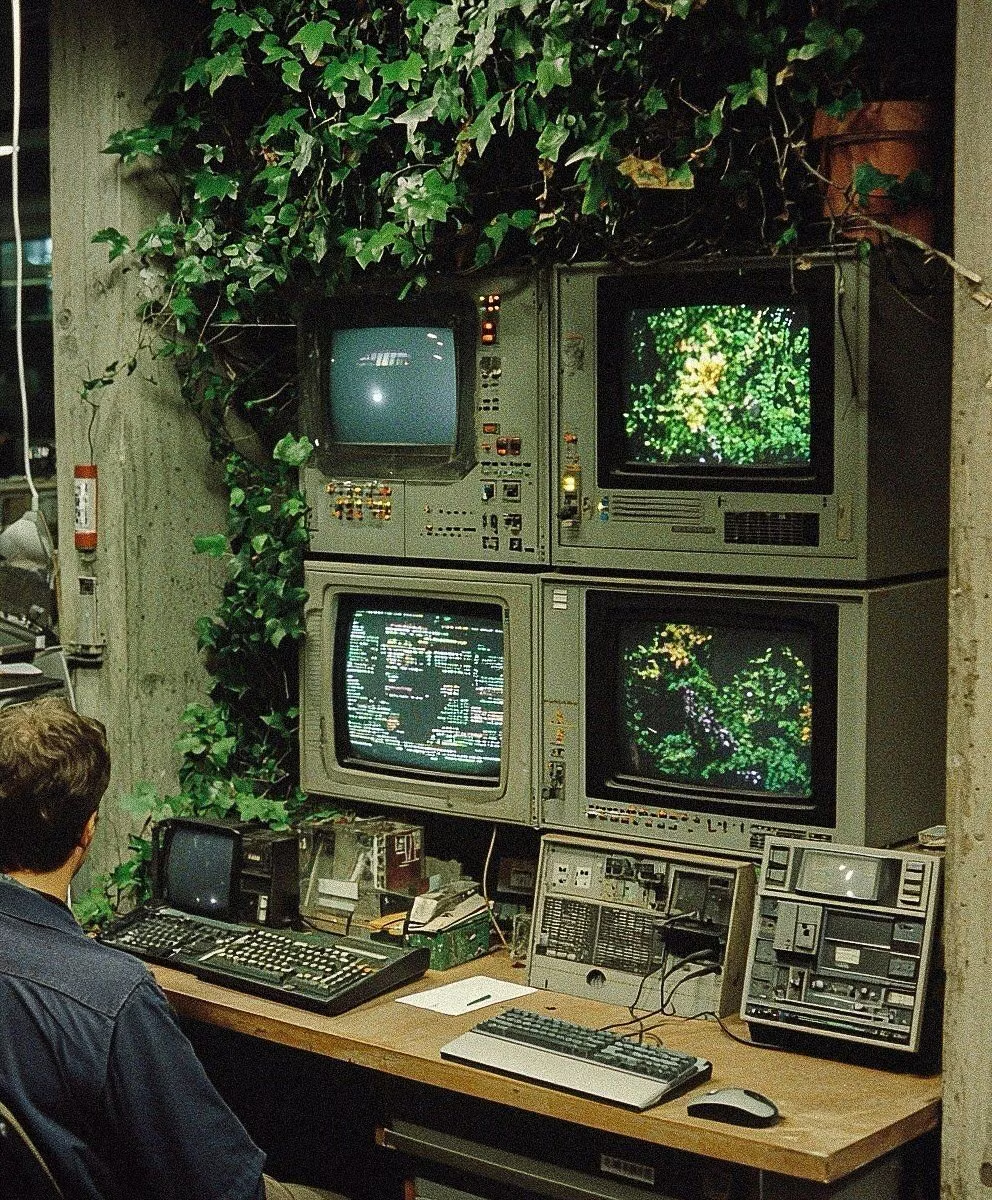
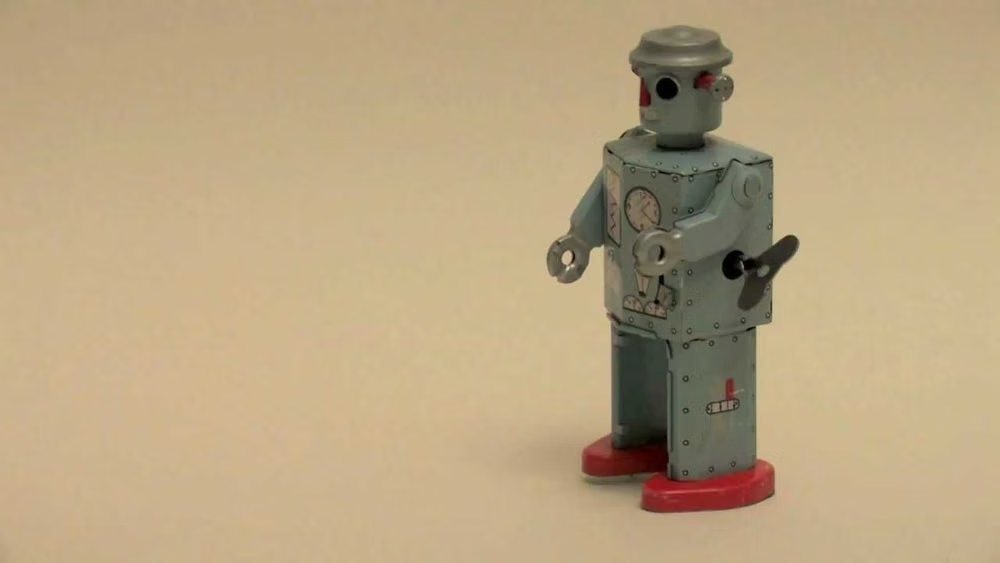
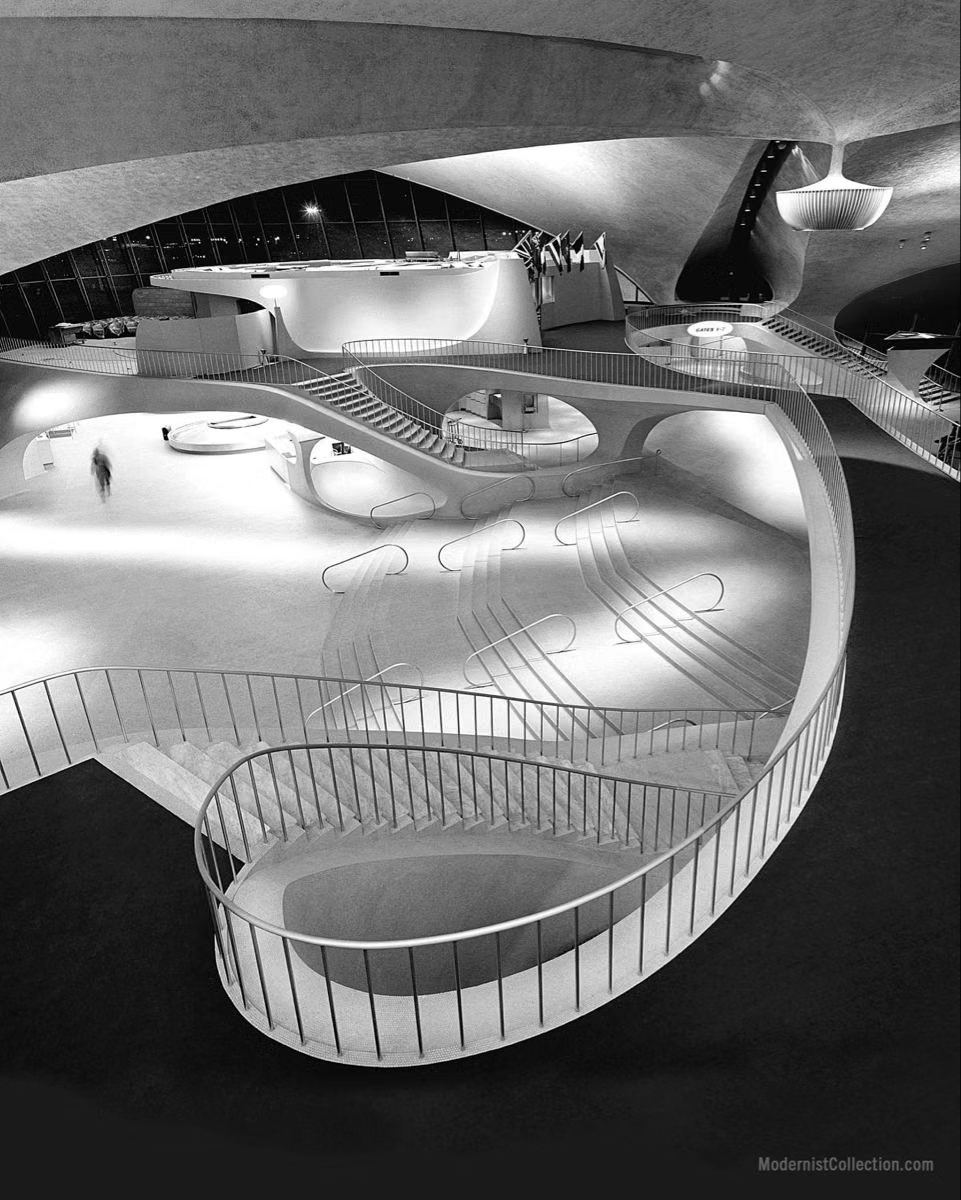
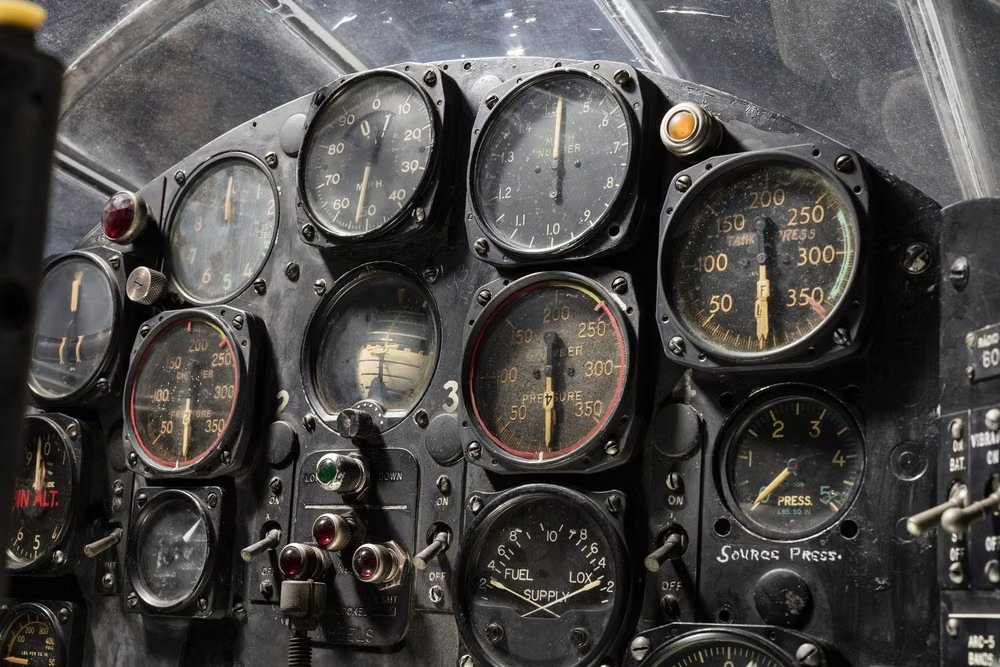
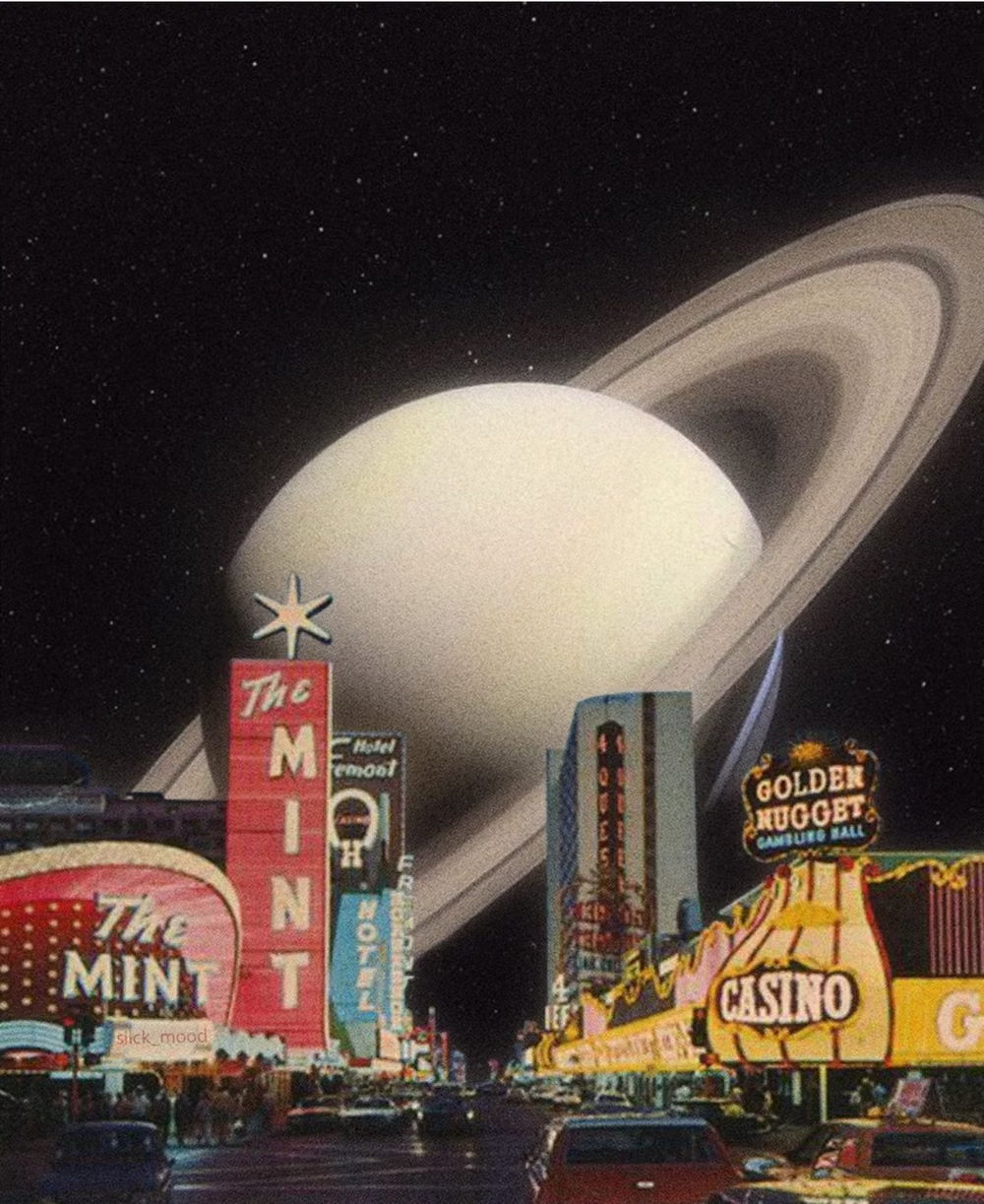
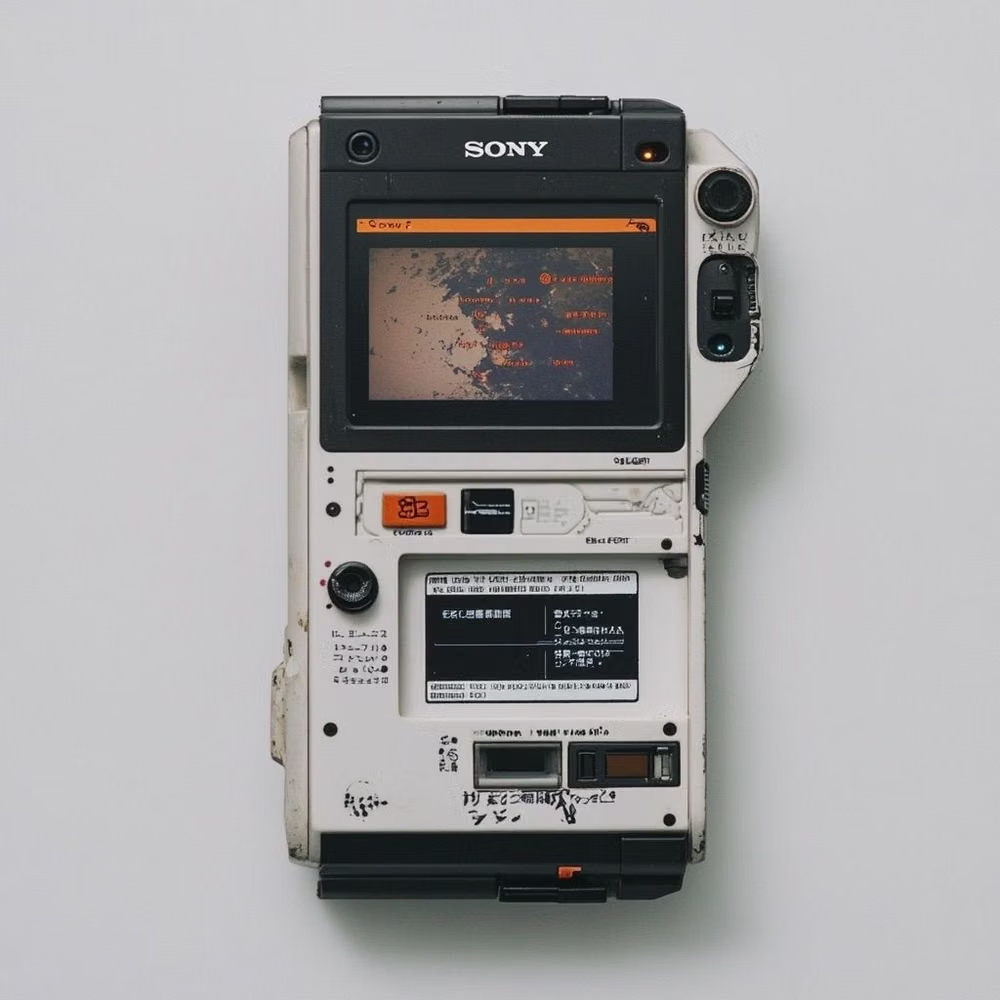
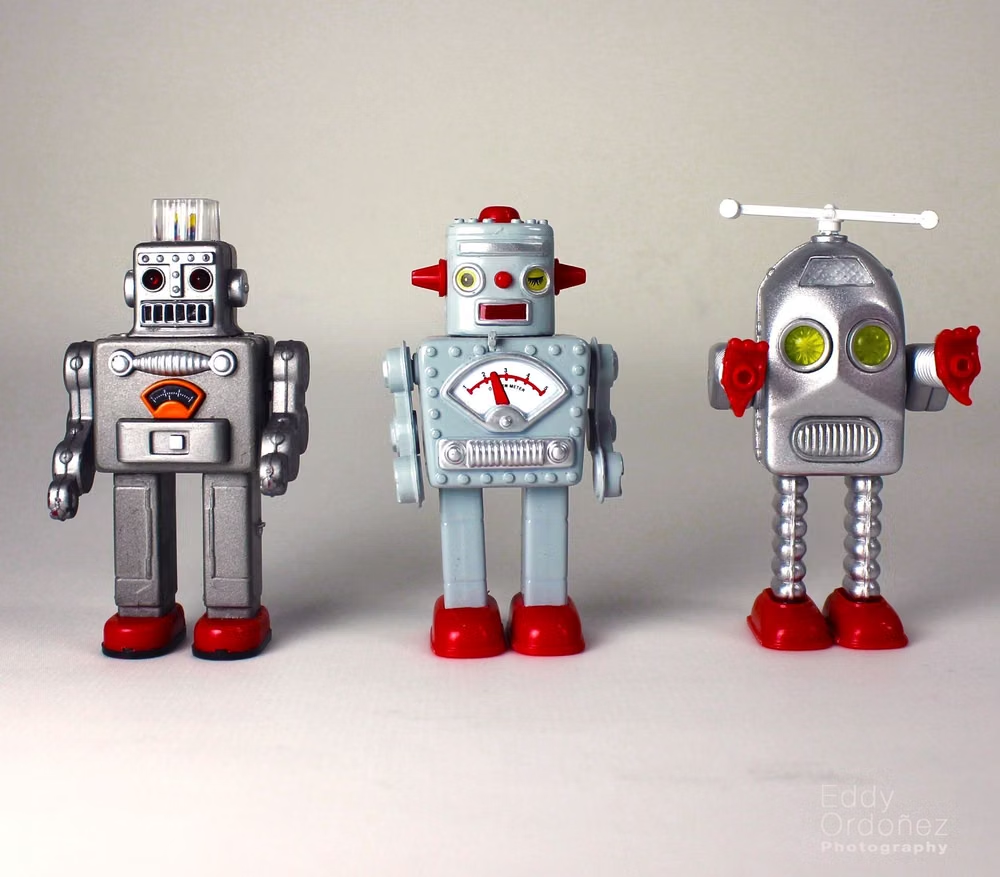
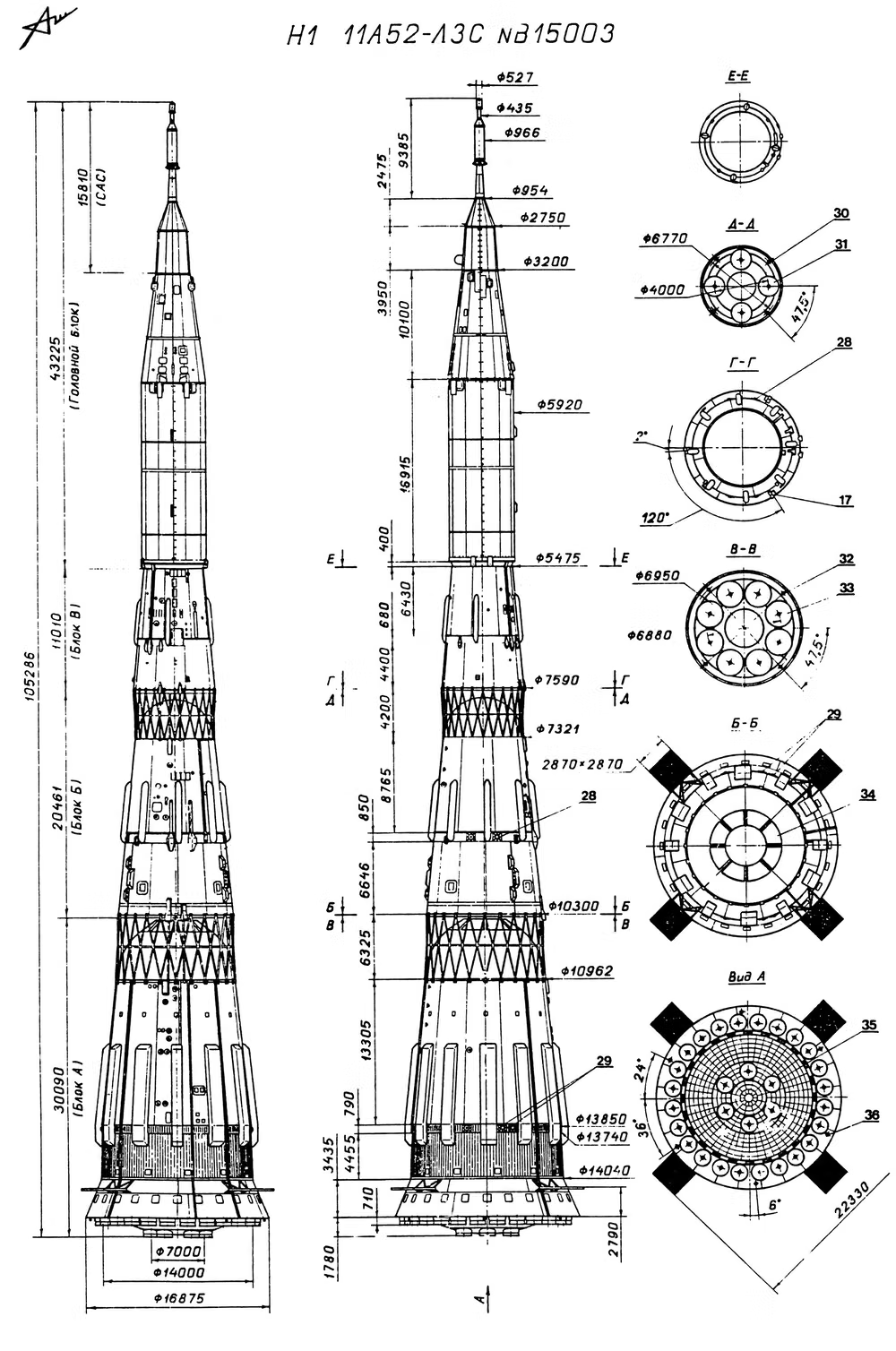
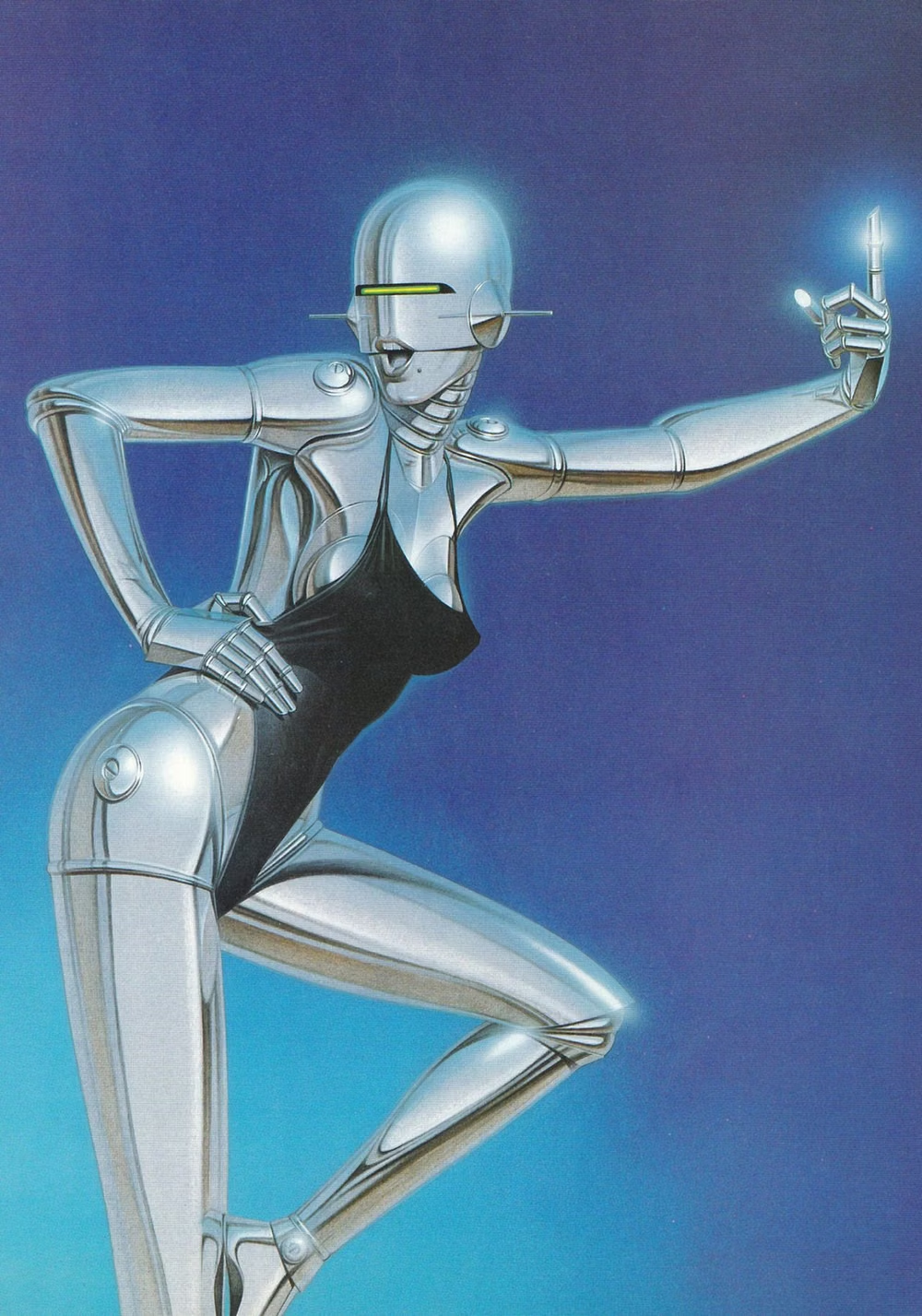
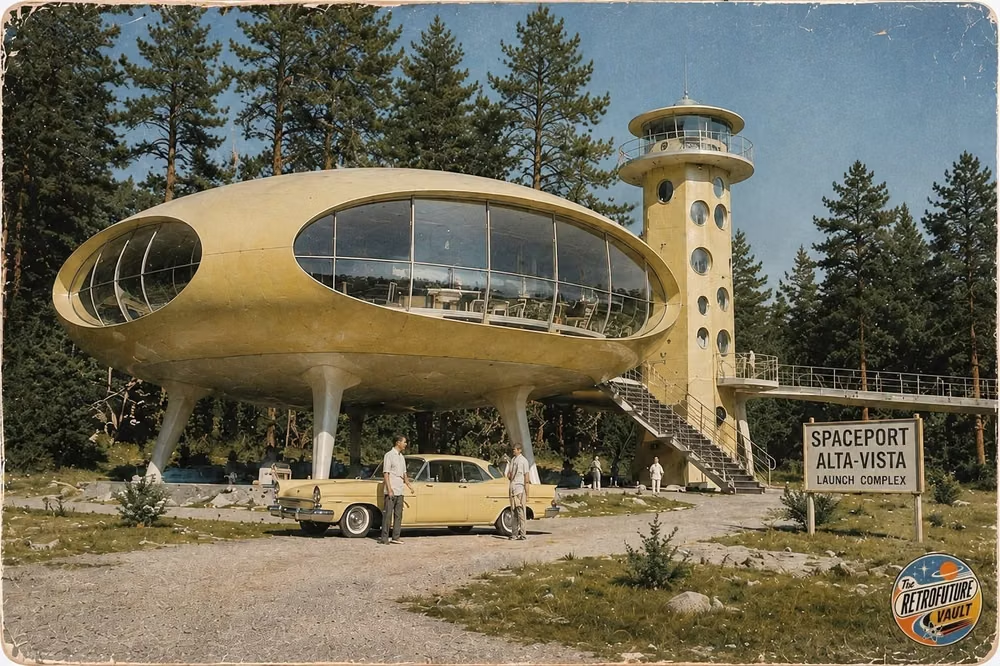
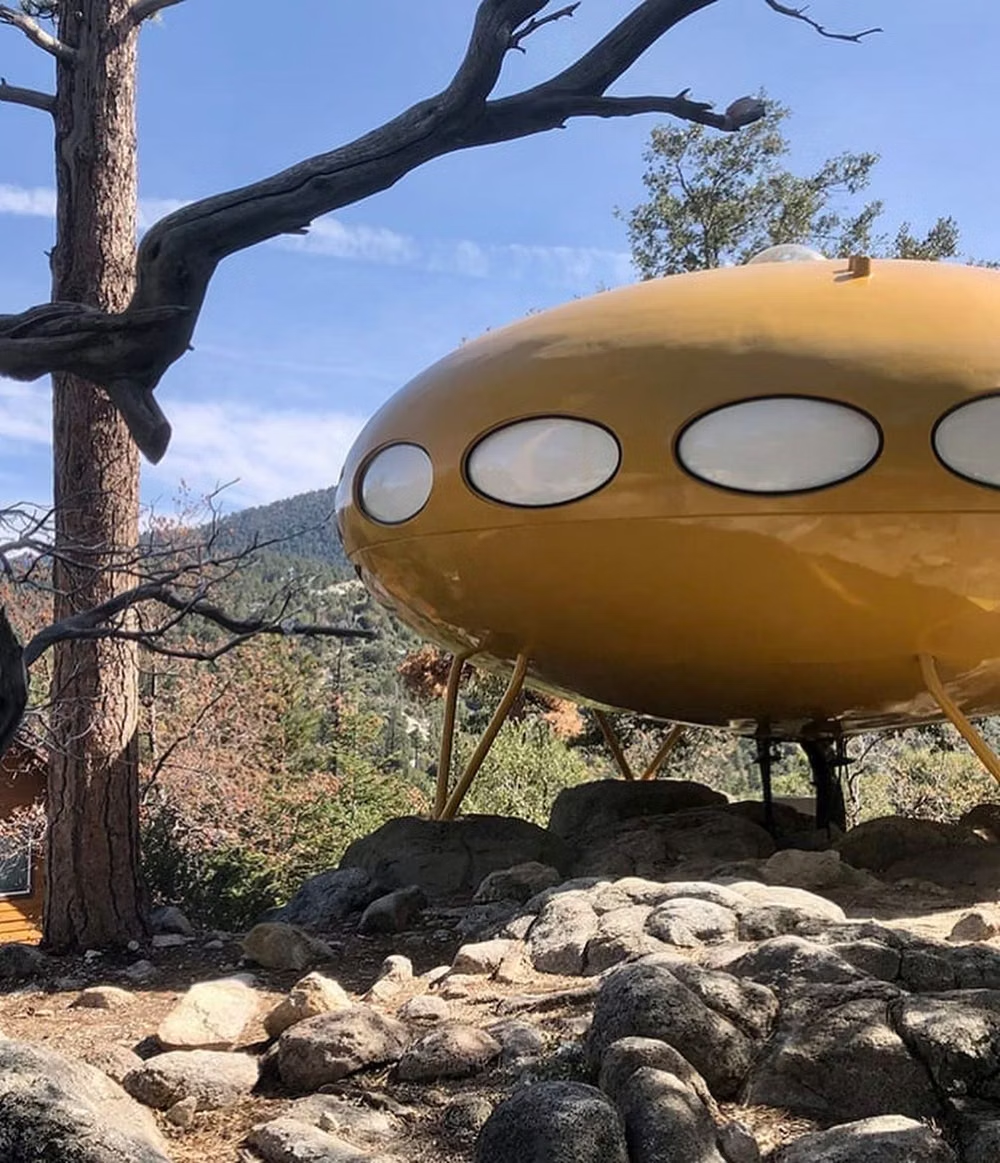
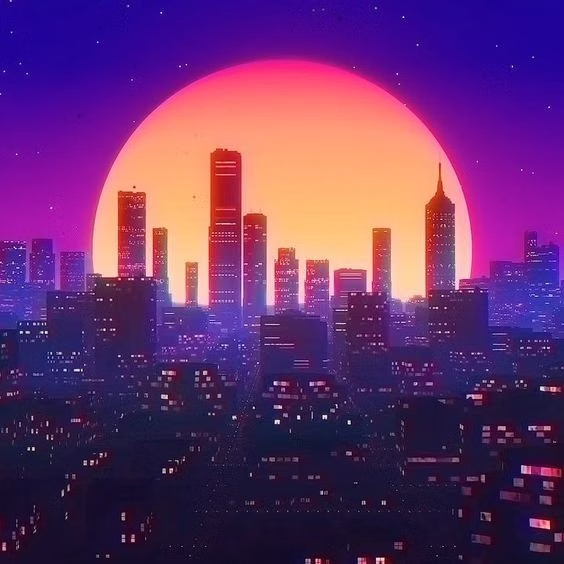
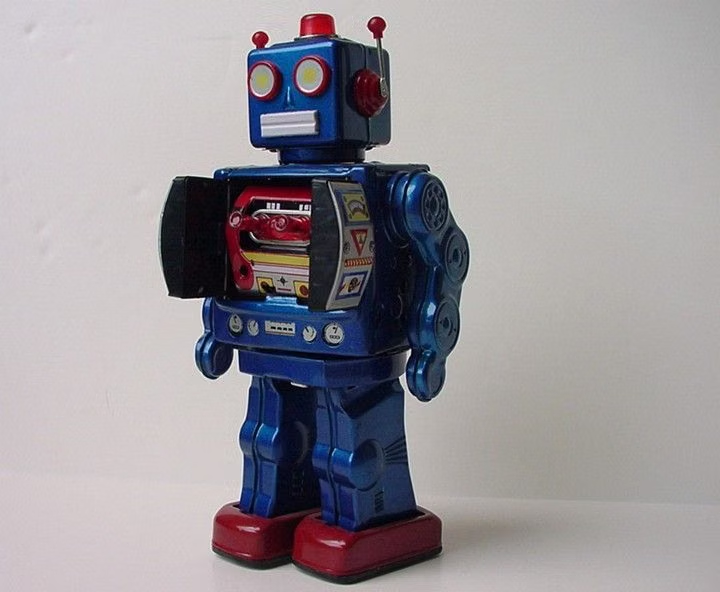
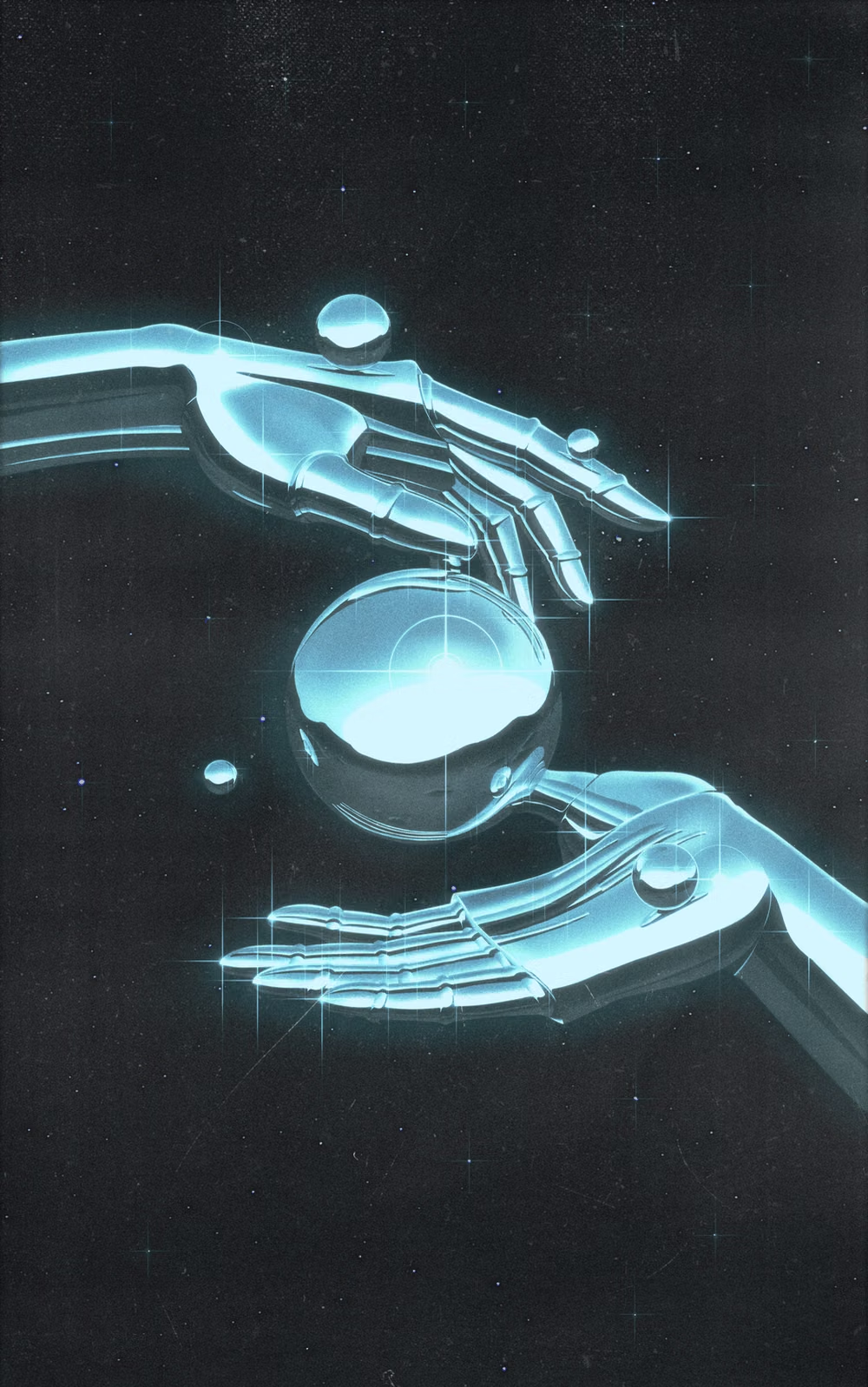
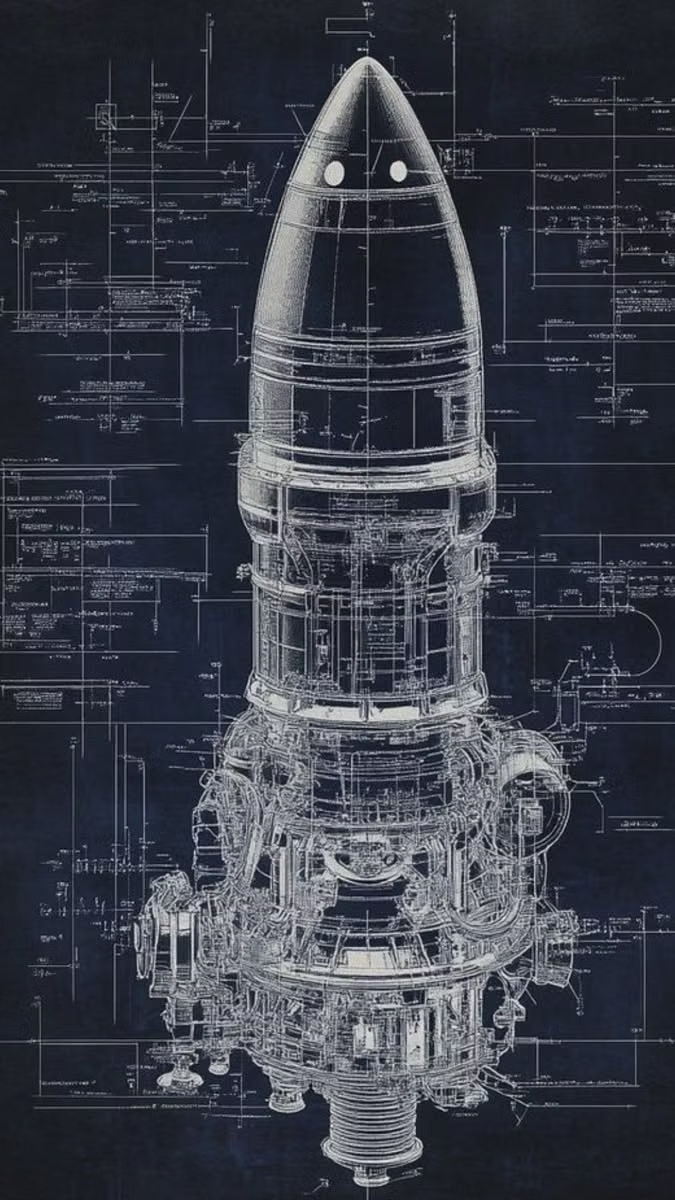
A visual study of the forms, inspirations, materials, colors, type, and cultural references associated with this UI design style.


Design principles and implementation
Use these principles to write a focused AI UI design prompt instead of asking for a vague visual treatment.
Color direction
Use era-specific cream, orange, teal, avocado, space black, and chrome, adding luminous accents that feel predicted by the past. In a daisyUI theme, use period orange or teal for `primary`, avocado or chrome-blue for `secondary`, and set `base-100`, `base-200`, and `base-300` to era-specific cream, warm gray, and machine gray.
Imagery direction
Choose vintage technology, speculative vehicles, rockets, domes, robots, analog instruments, and archival-style illustrations of future life.
Content density
Keep density medium, balancing museum-like explanatory detail with broad cinematic scenes and clearly separated control clusters.
Motion direction
Blend analog dial movement, mechanical reveals, starfield travel, and cinematic object entrances with deliberately period-flavored timing.
Shape language
Use portholes, rocket fins, radar circles, capsule windows, antennae, and streamlined control panels drawn from the chosen historical era. In daisyUI themes, set the `--radius-*` variables between `0.75rem` and `1.5rem`.
Typography rules
Use a period science-fiction display face for short titles, paired with a contemporary readable sans or mono that keeps the concept usable.
Suggested Typfaces
Orbitron
Fresh daisies glow in warm sunlight
Fresh daisies glow in warm sunlight
1 2 3 4 5 6 7 8 9 0
Michroma
Fresh daisies glow in warm sunlight
Fresh daisies glow in warm sunlight
1 2 3 4 5 6 7 8 9 0
Audiowide
Fresh daisies glow in warm sunlight
Fresh daisies glow in warm sunlight
1 2 3 4 5 6 7 8 9 0
Bruno Ace
Fresh daisies glow in warm sunlight
Fresh daisies glow in warm sunlight
1 2 3 4 5 6 7 8 9 0
Syncopate
Fresh daisies glow in warm sunlight
Fresh daisies glow in warm sunlight
1 2 3 4 5 6 7 8 9 0
Build a Retro-Futurism interface with daisyUI
The live example translates this direction into daisyUI components and semantic theme tokens.
To generate a full page in the same visual language, give the style name and the design rules above to Blueprint MCP.
Related UI design styles
Compare nearby visual languages that share typography, shapes, use cases, or signature elements.
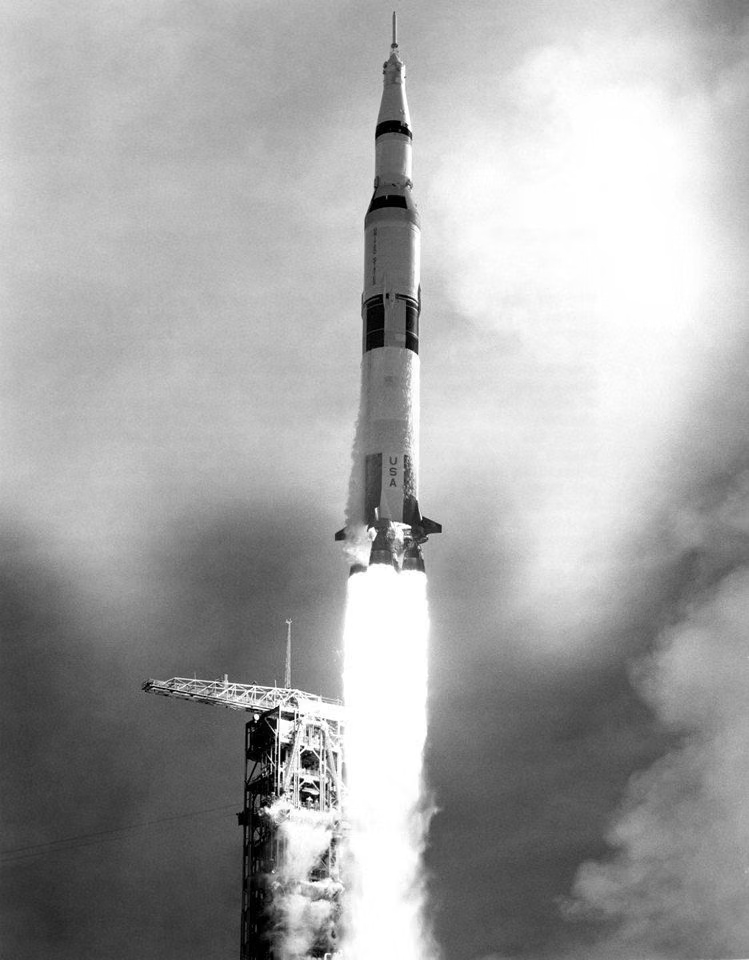
Jet Age Optimism UI design style
Postwar futurism combines boomerangs, starbursts, atoms, parabolas, sweeping curves, neon, chrome, and exuberant technological optimism.



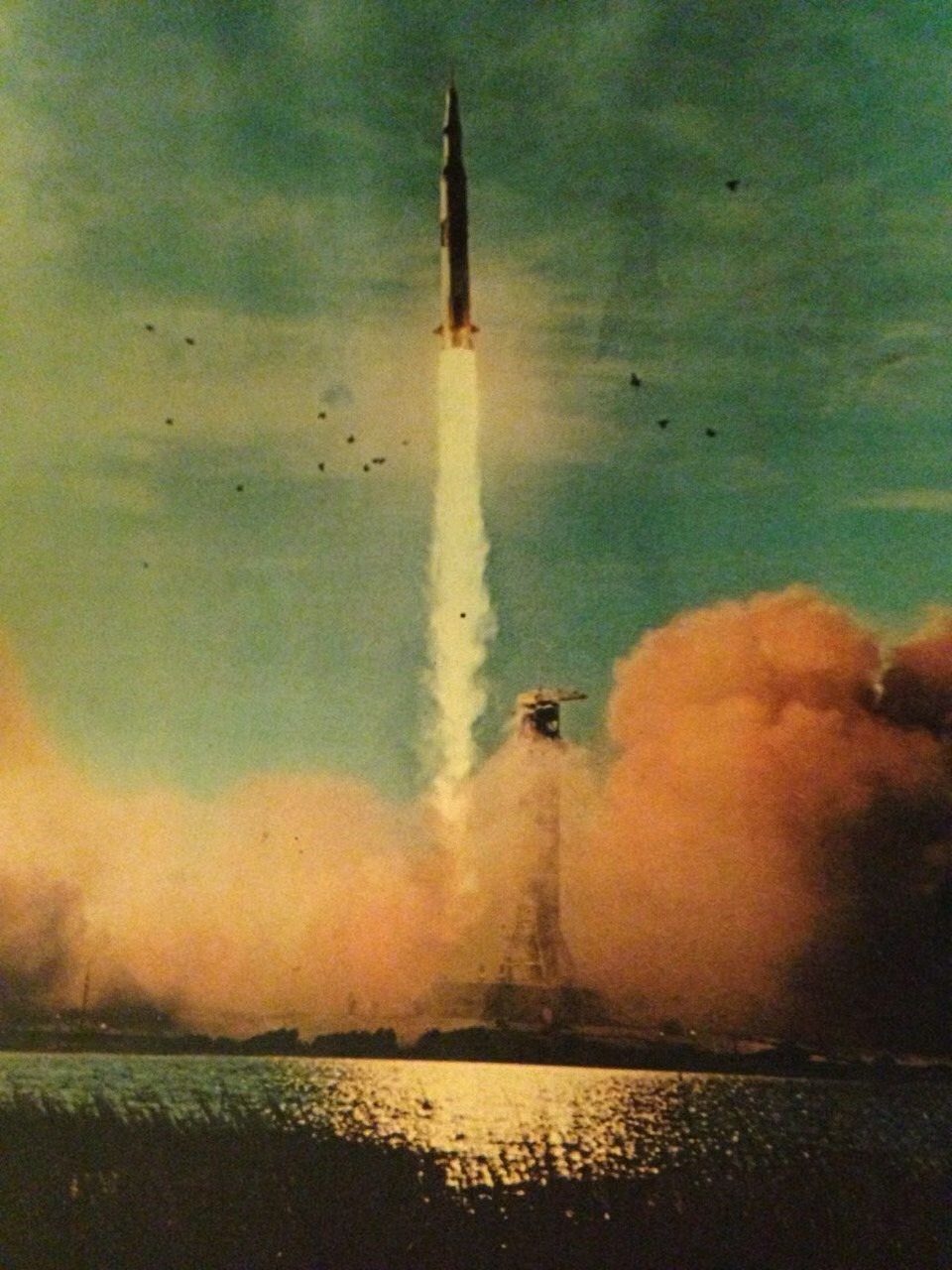
Chrome / Liquid Metal UI design style
Mirror-like metallic surfaces, molten forms, sharp reflections, and high-contrast specular lighting.
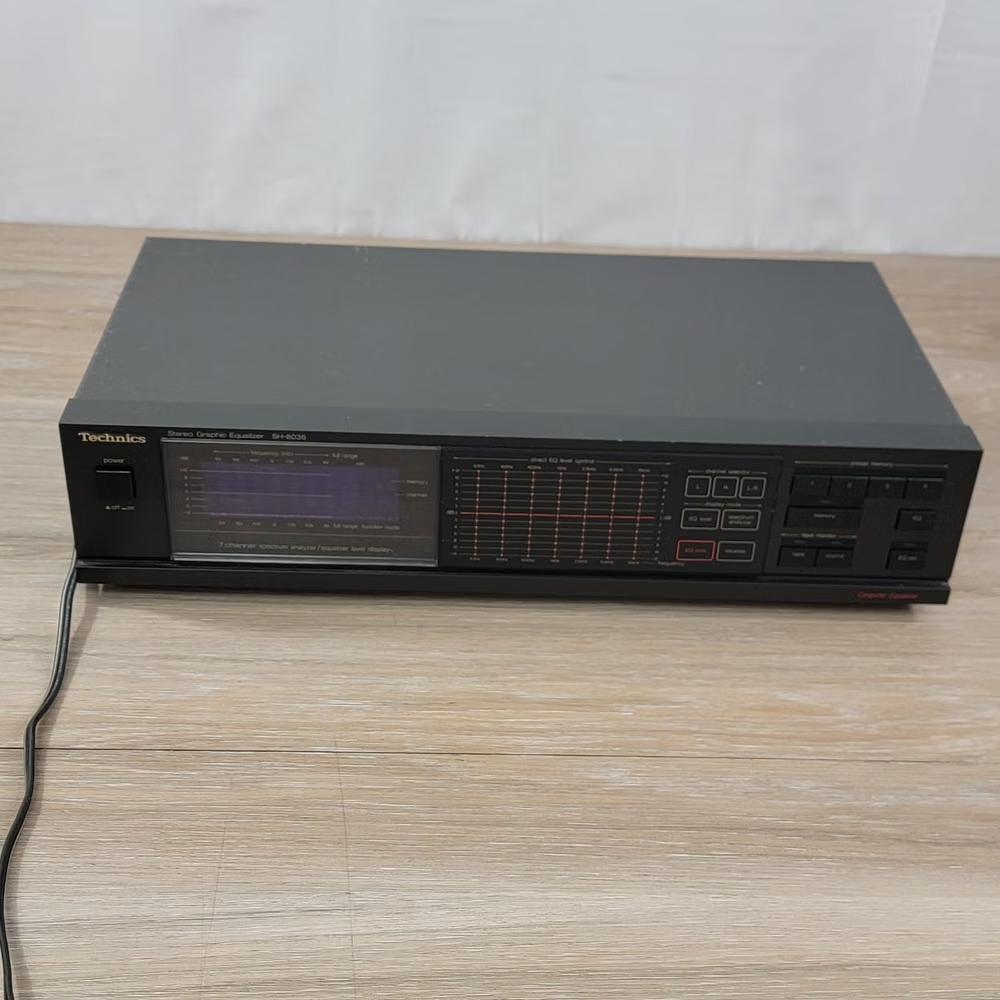
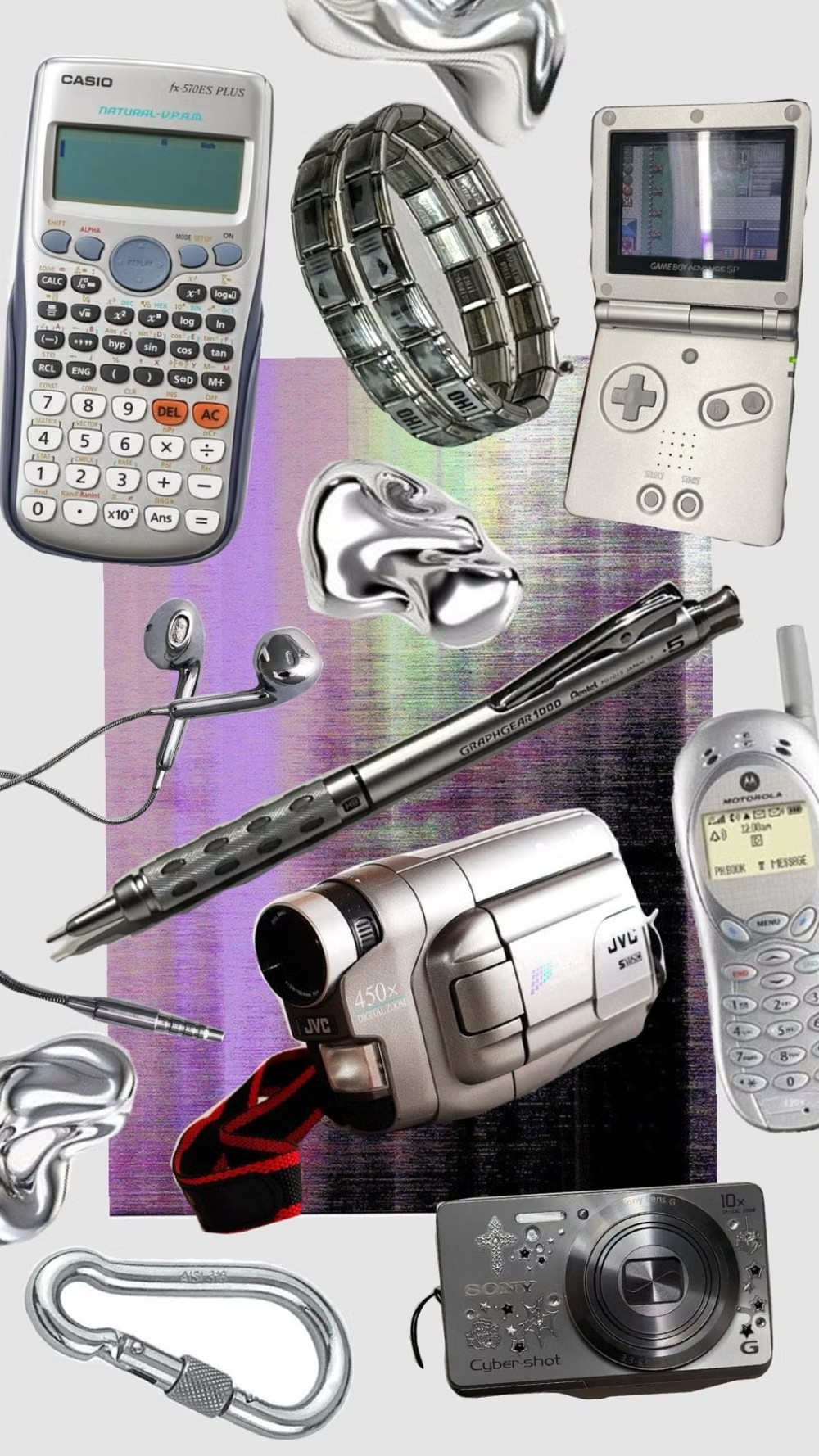
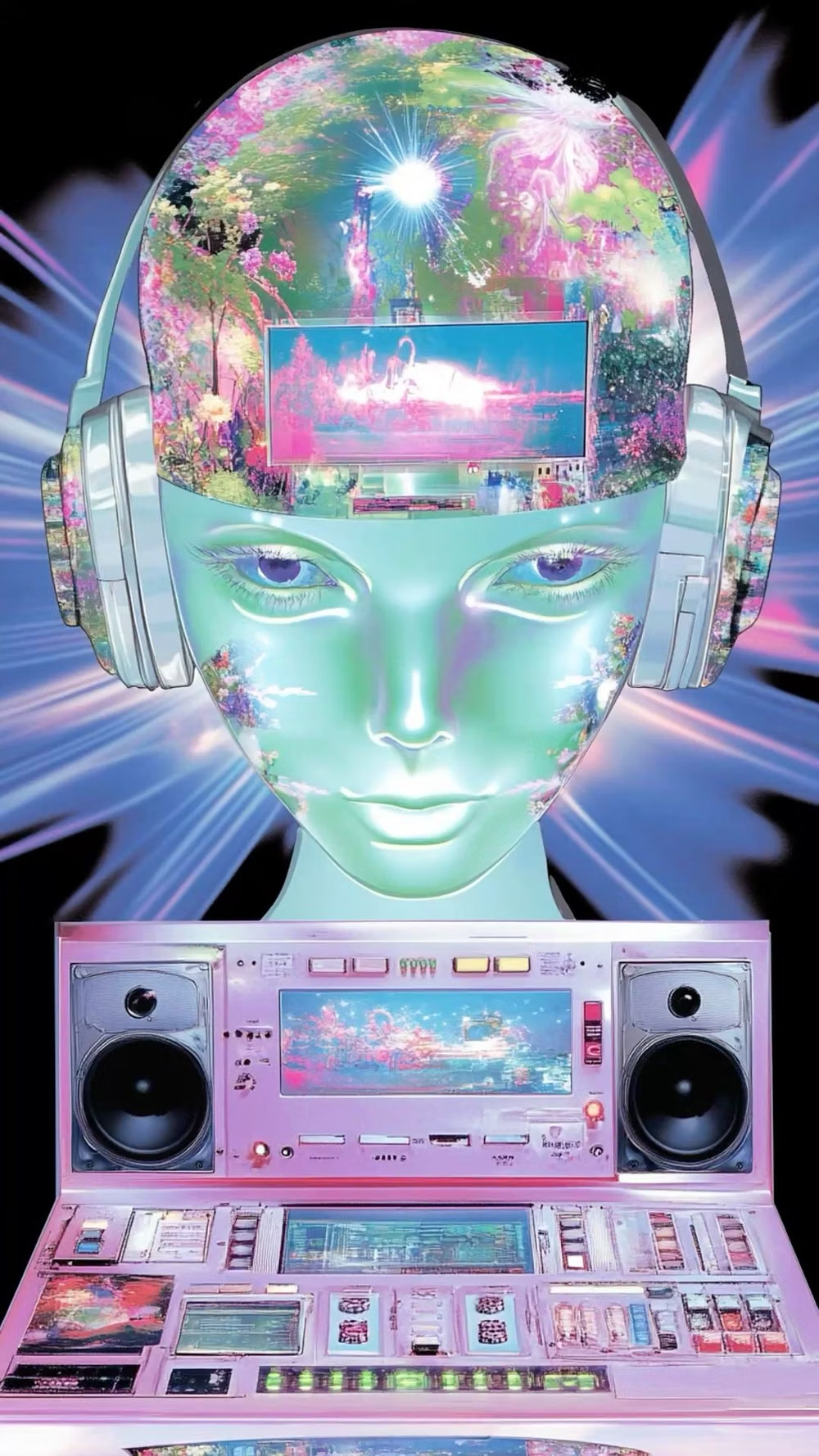
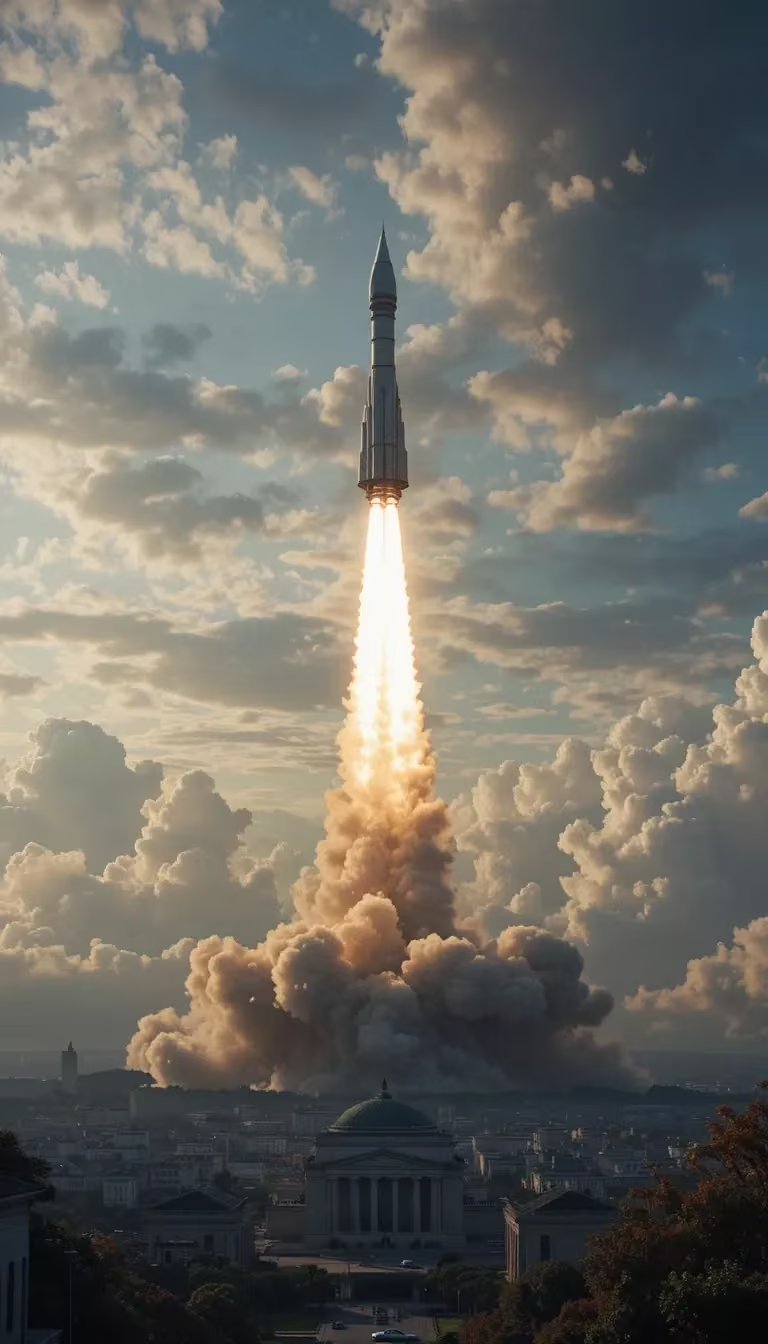
Y2K Techno-Skeuomorphism UI design style
Early-2000s skinnable media-player interfaces model software after futuristic audio equipment; the style is also recognized as Y2K Media Player UI, Chrome Futurism, Skinnable UI, Techno Skeuomorphism, or Millennium Futurism.