Cyberpunk UI design style
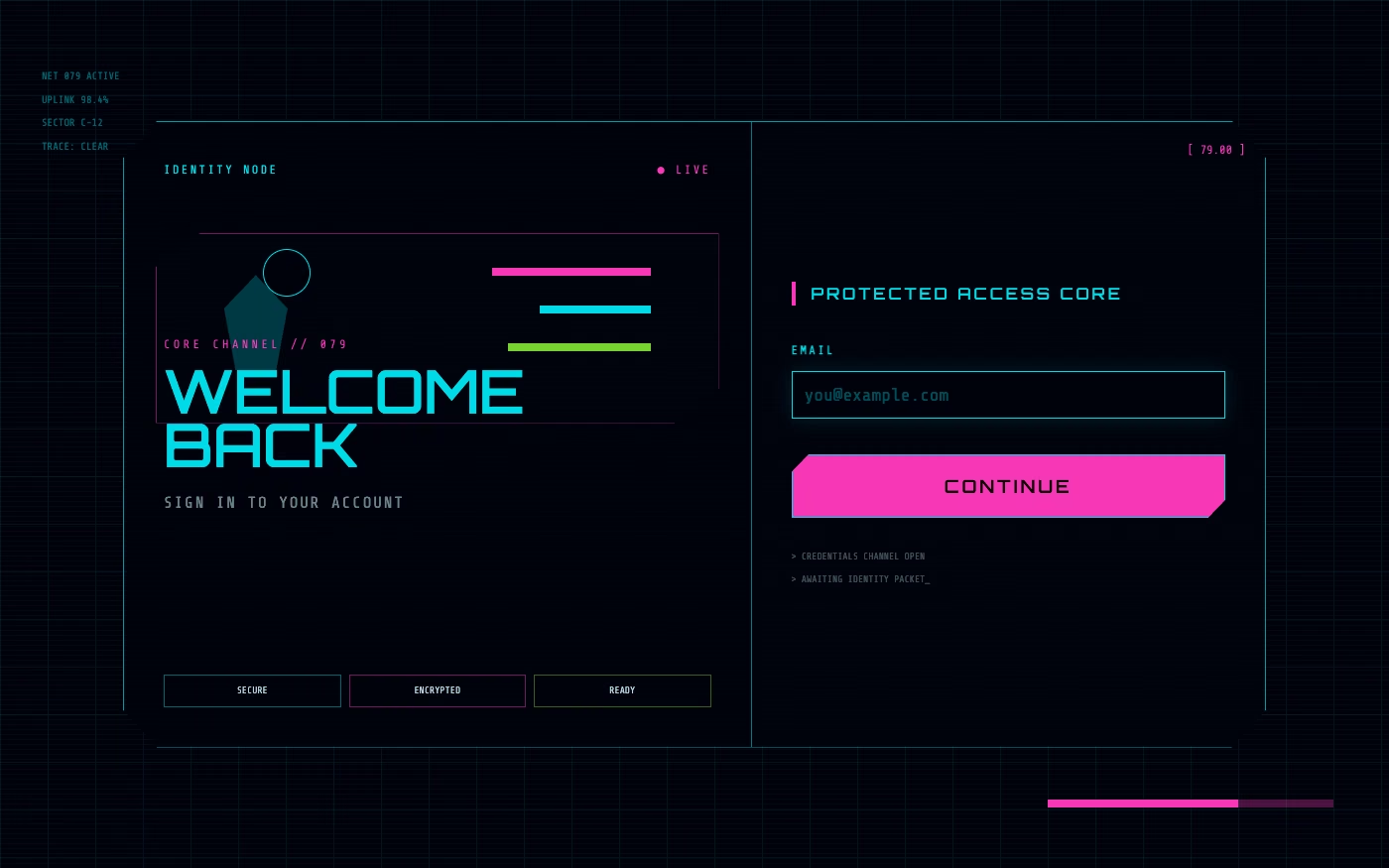
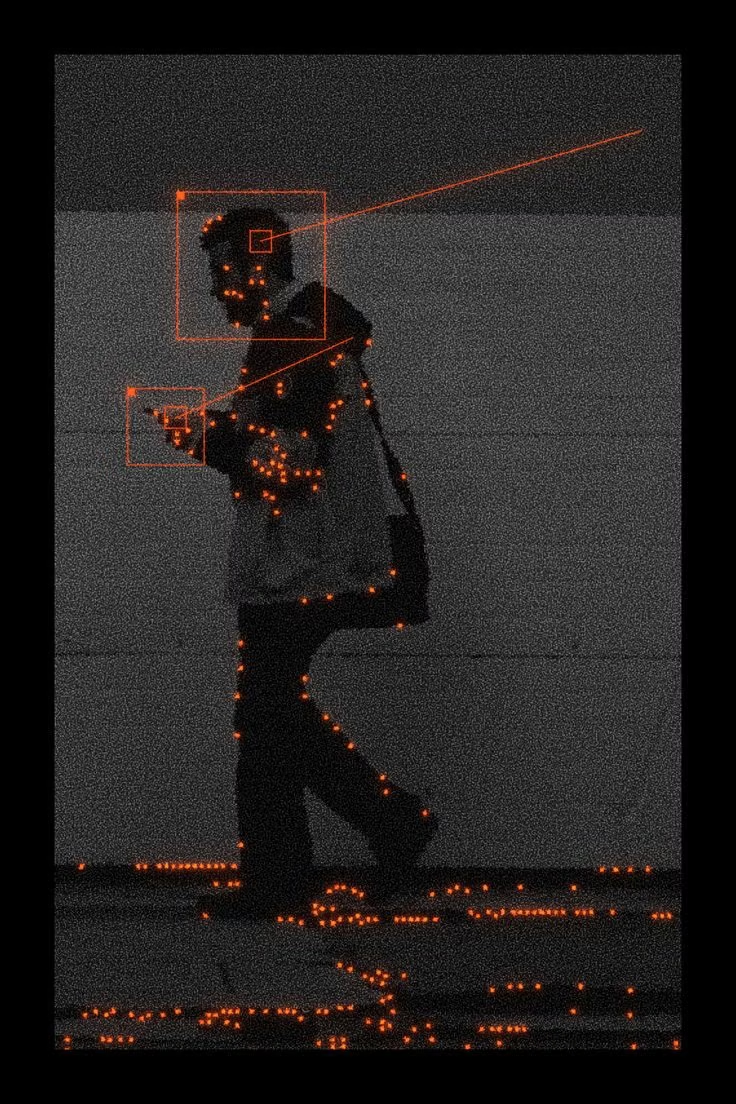
Dense dark interfaces use neon accents, glitches, terminal typography, surveillance motifs, and futuristic HUD elements.
Design overview
- Signature elements
- glitch effects, scanlines, RGB separation, flicker, distortion, digital noise. In daisyUI themes, set `--noise: 1;` and `--depth: 1;`.
- Best suited to
- Games, security tools, crypto products, nightlife, and science-fiction experiences.
- Layout principles
- Layer dense urban telemetry, feeds, and navigation around one protected core task, using stacked panes and off-axis overlays without hiding essential controls.
History and origins
A fact-checked account of where this visual language came from, with links to the references used.
- Period
- Early 1980s–present
- Origin
- Anglophone science fiction, with major visual development in American and Japanese media
Bruce Bethke wrote the story “Cyberpunk” in 1980 and published it in 1983, supplying the term later used for a wider science-fiction movement. William Gibson’s 1984 novel Neuromancer became a defining text, while films, manga, anime, and games established the visual contrast of high technology, corporate power, dense cities, and precarious street life.
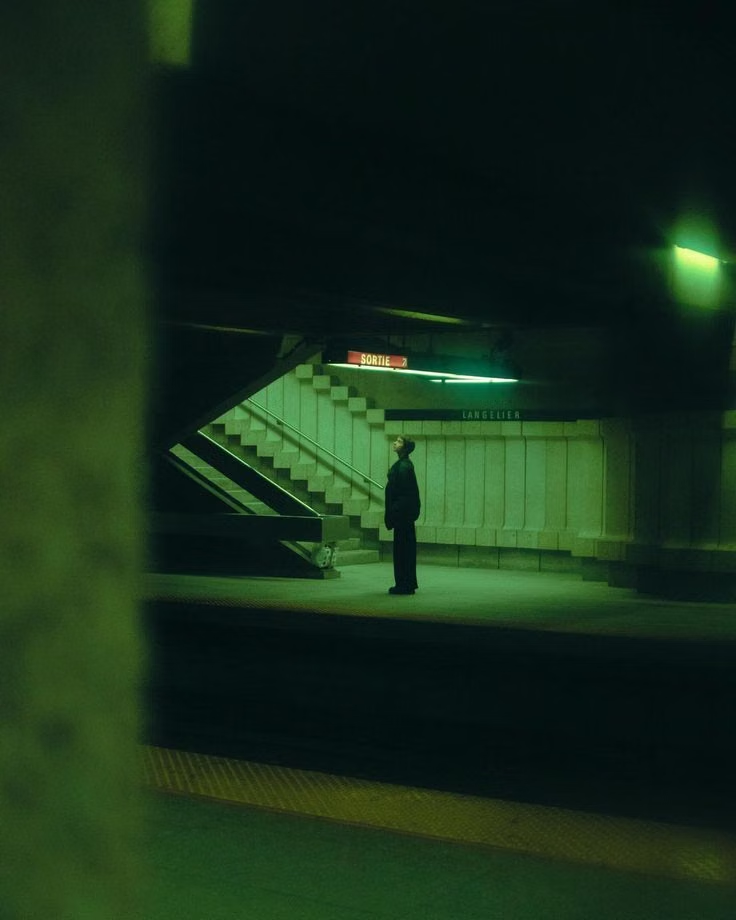
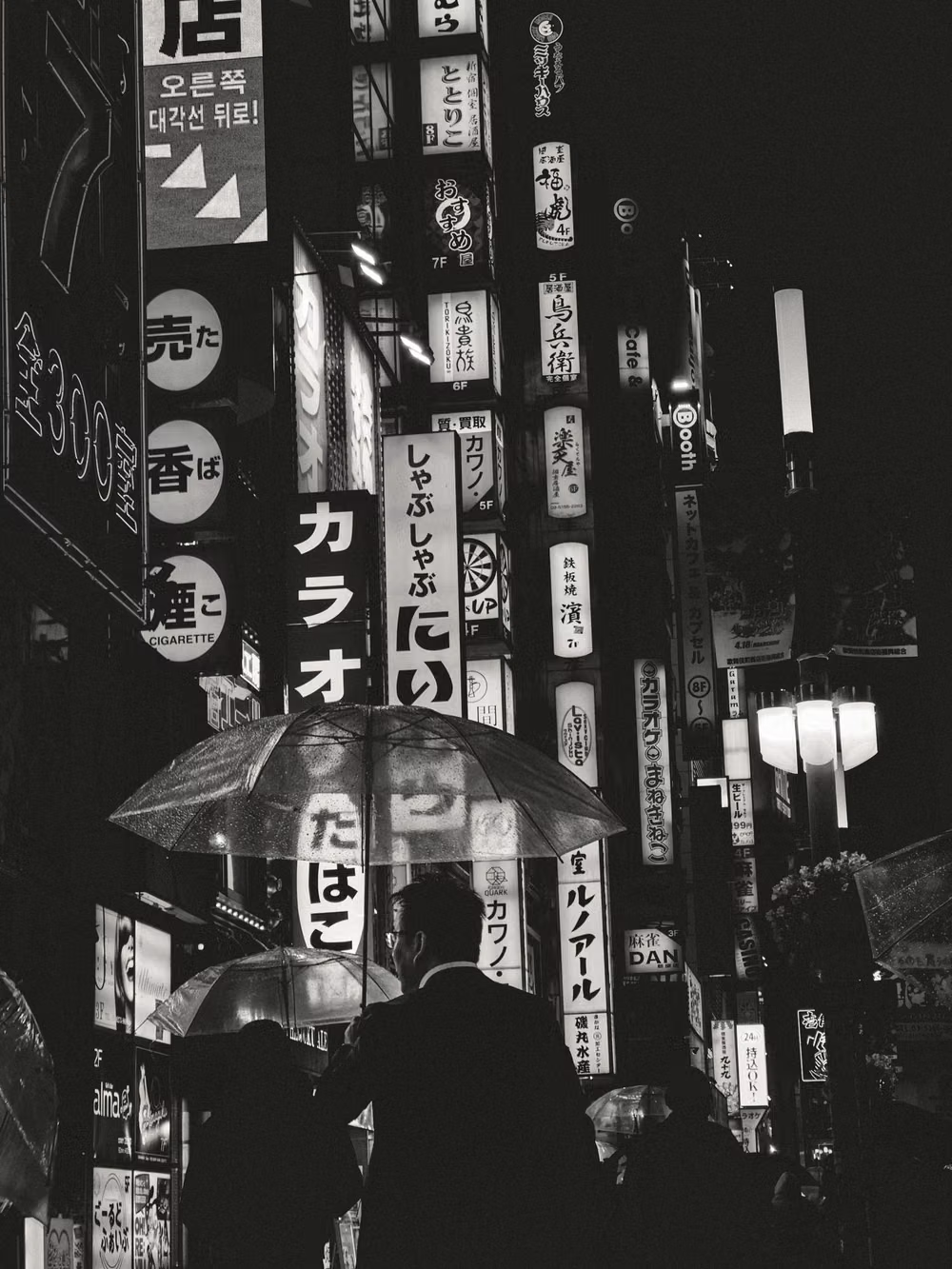
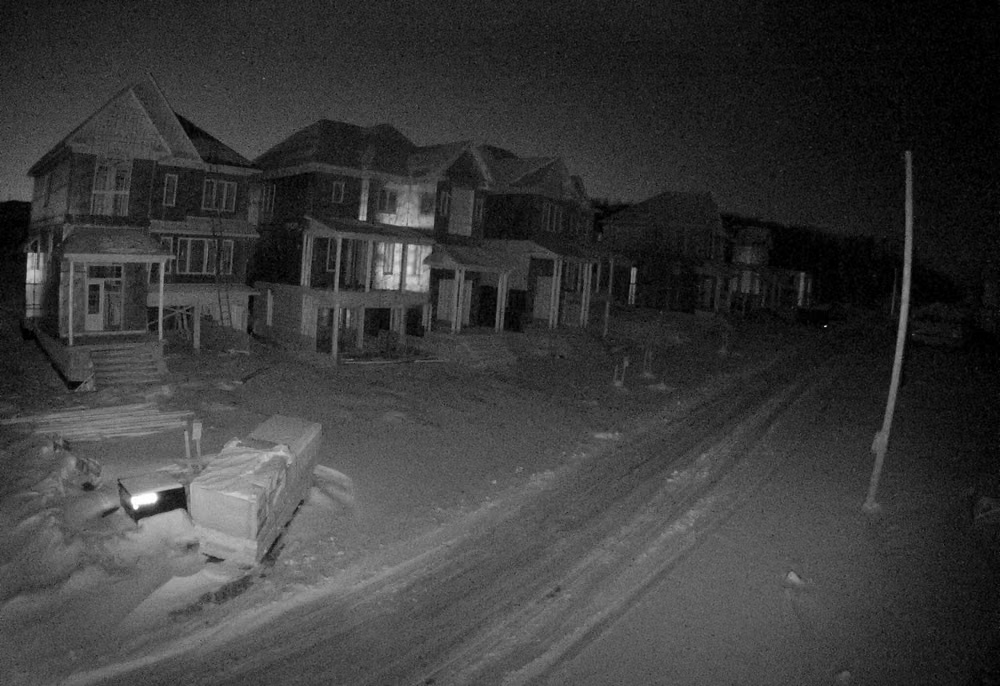
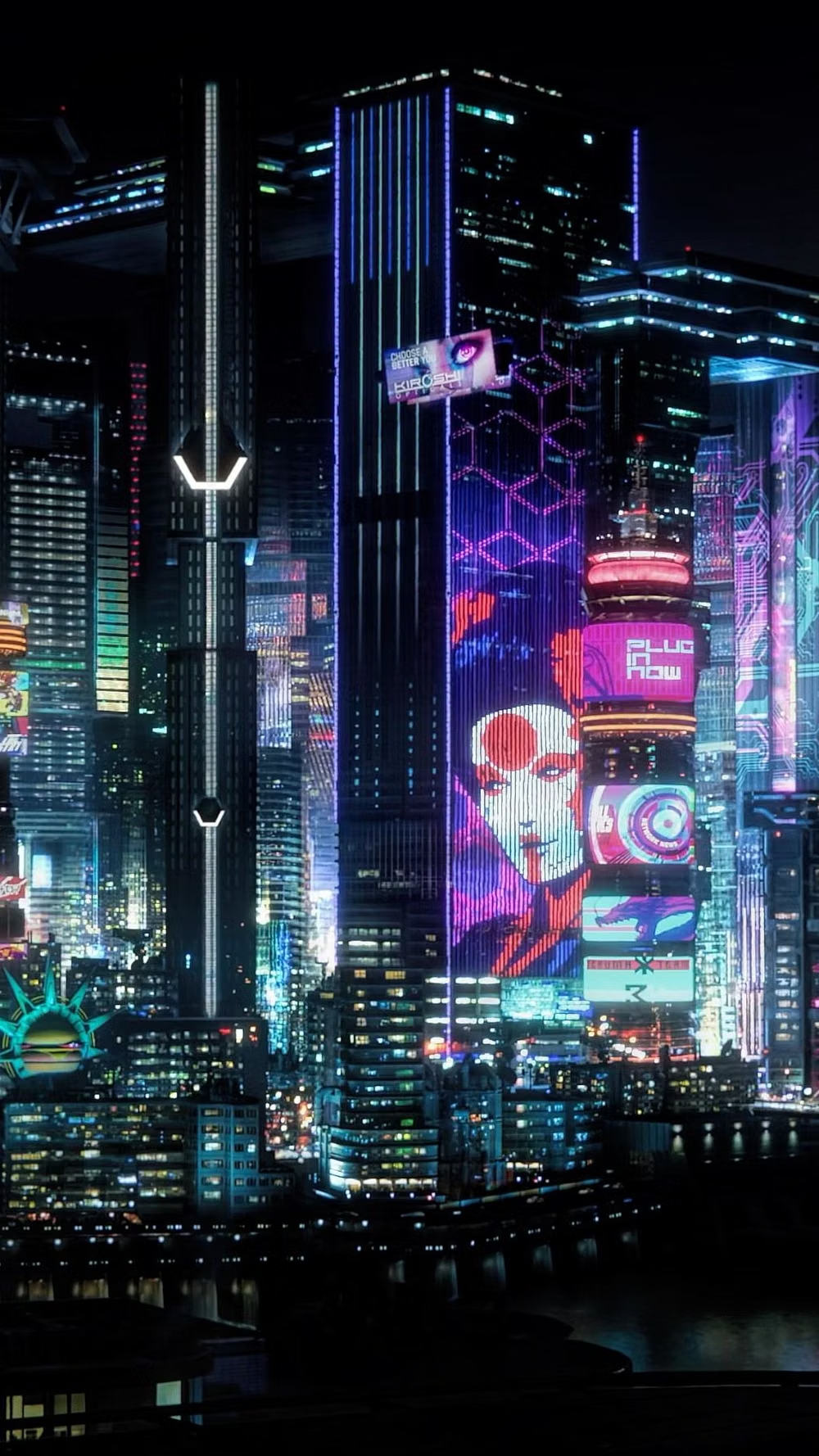
Moodboard and visual references
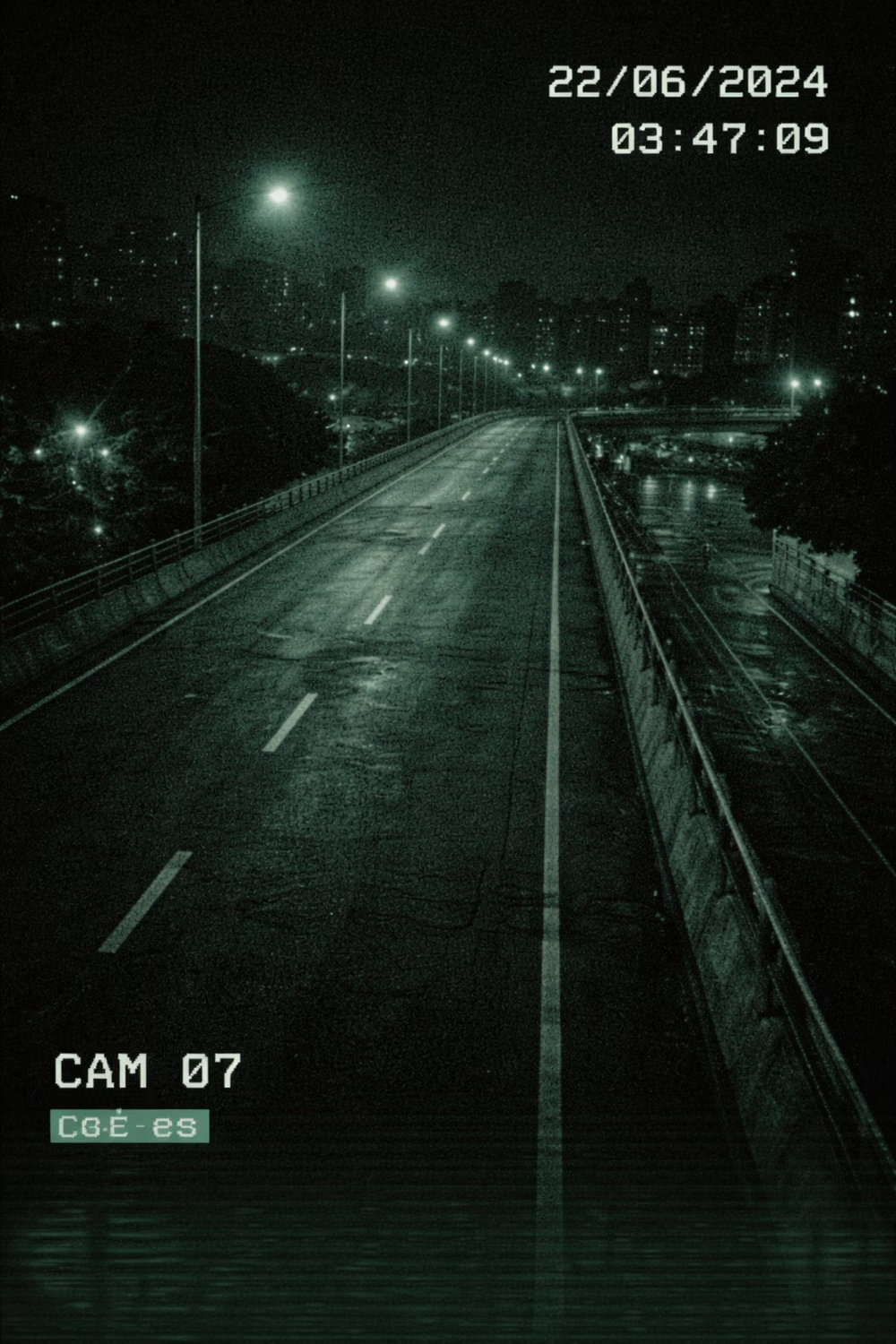
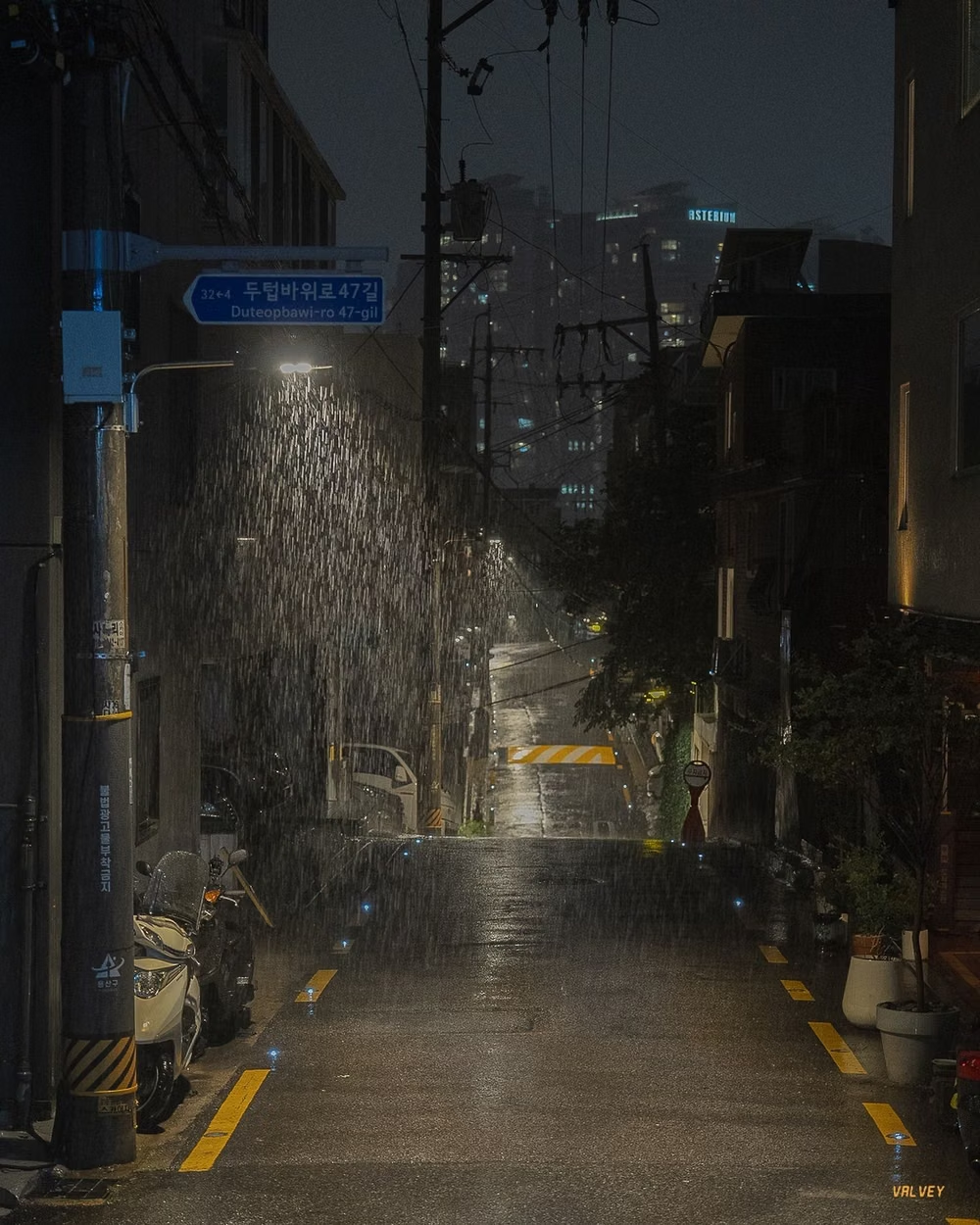
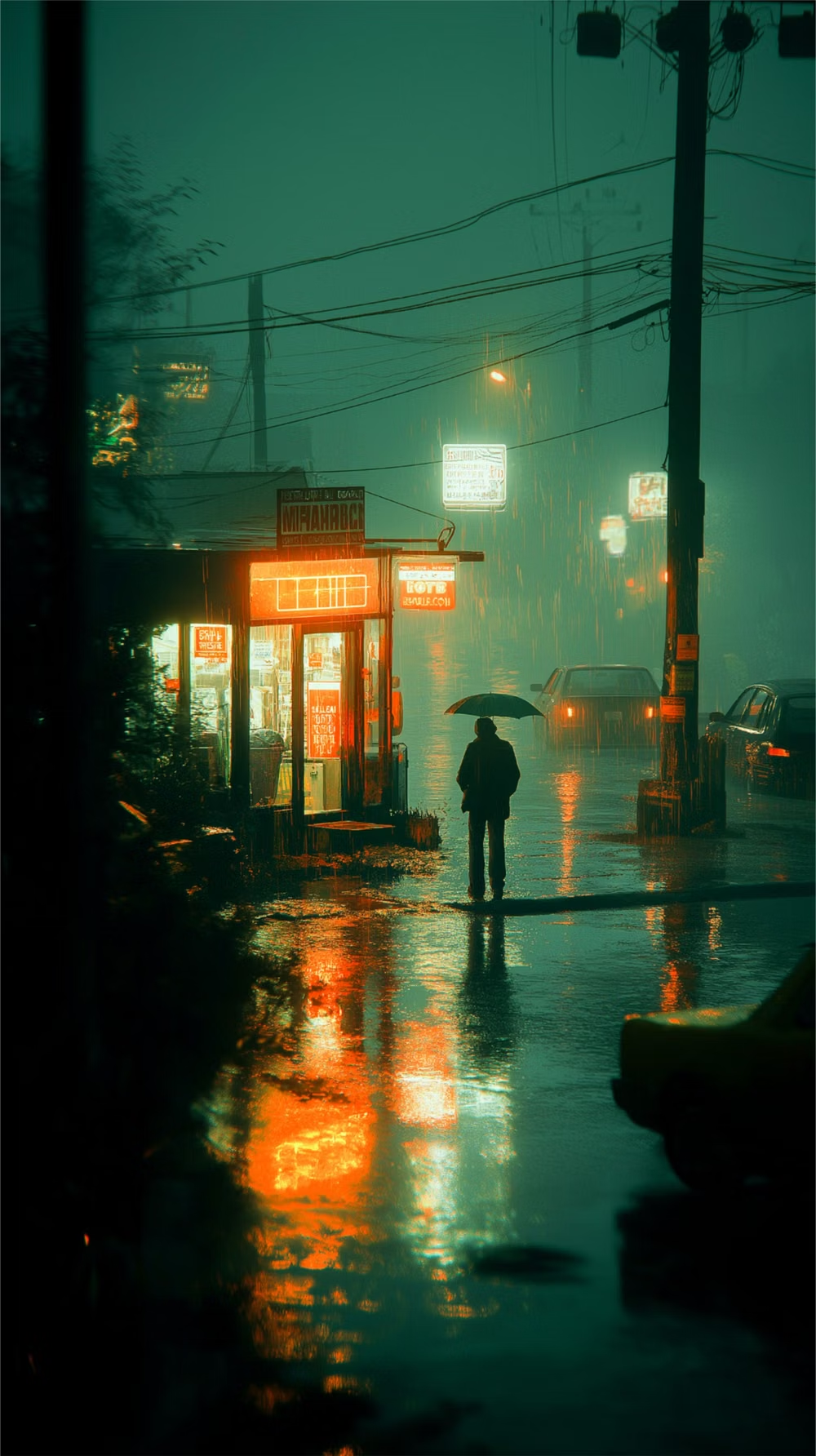
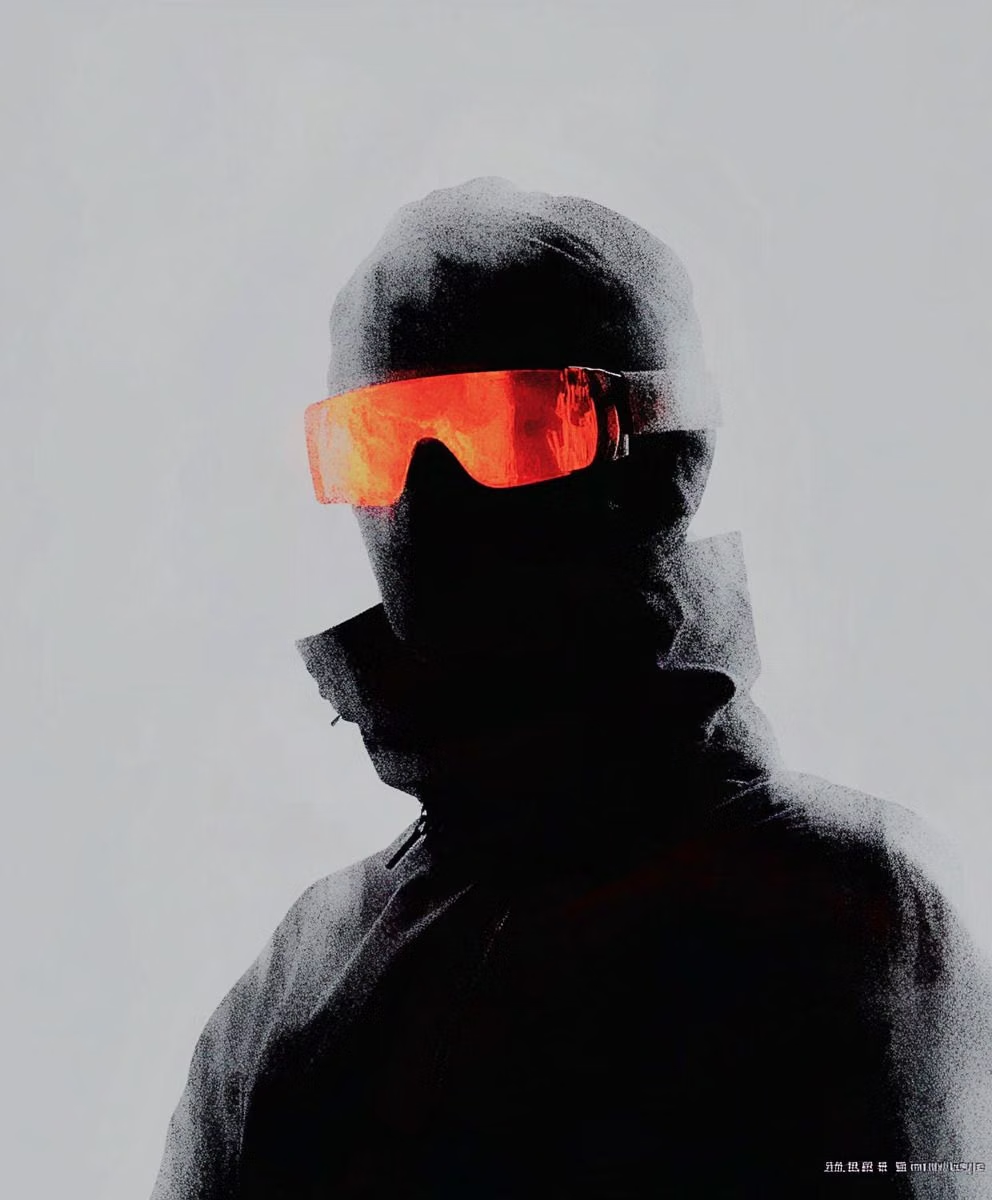
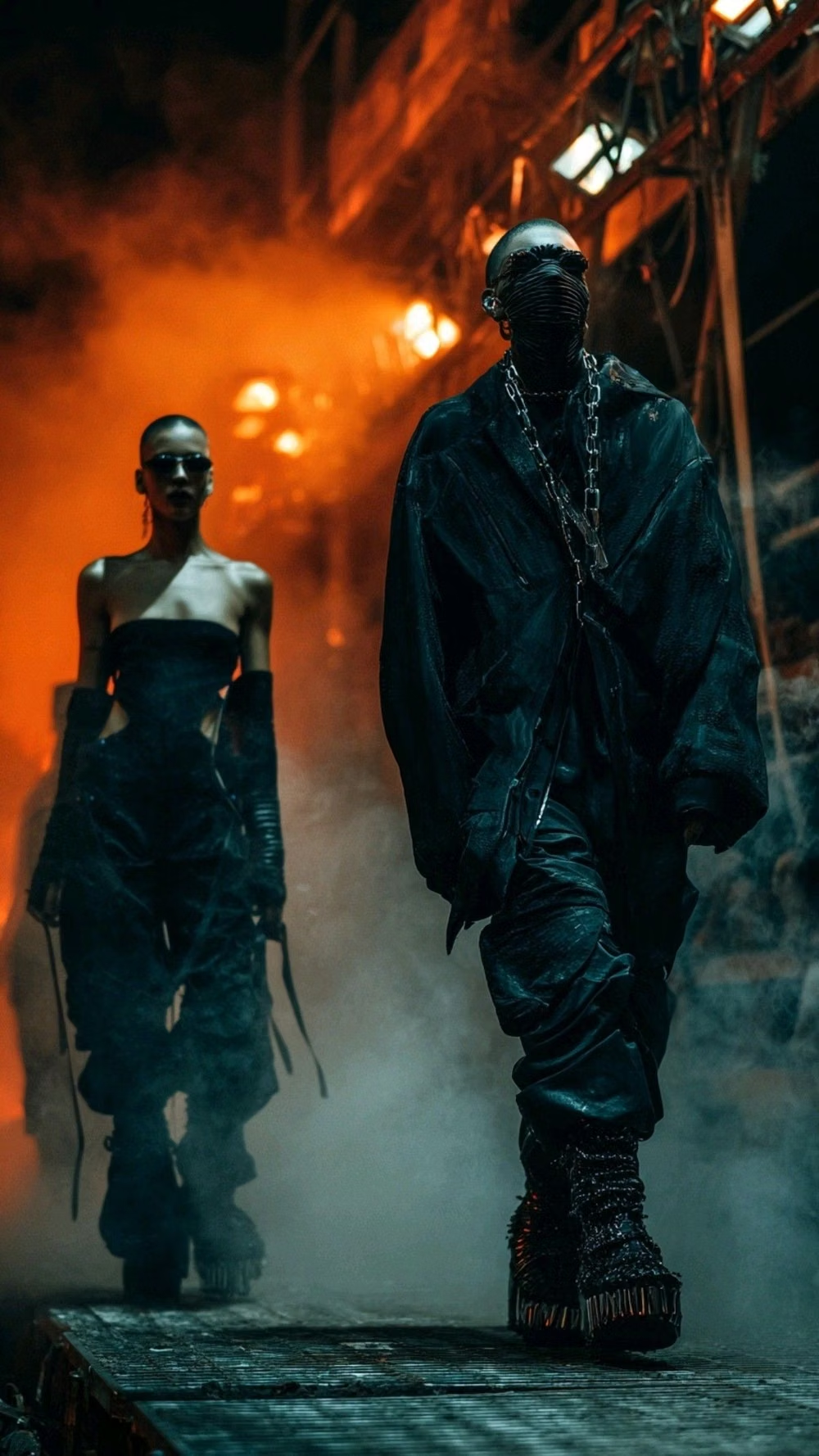
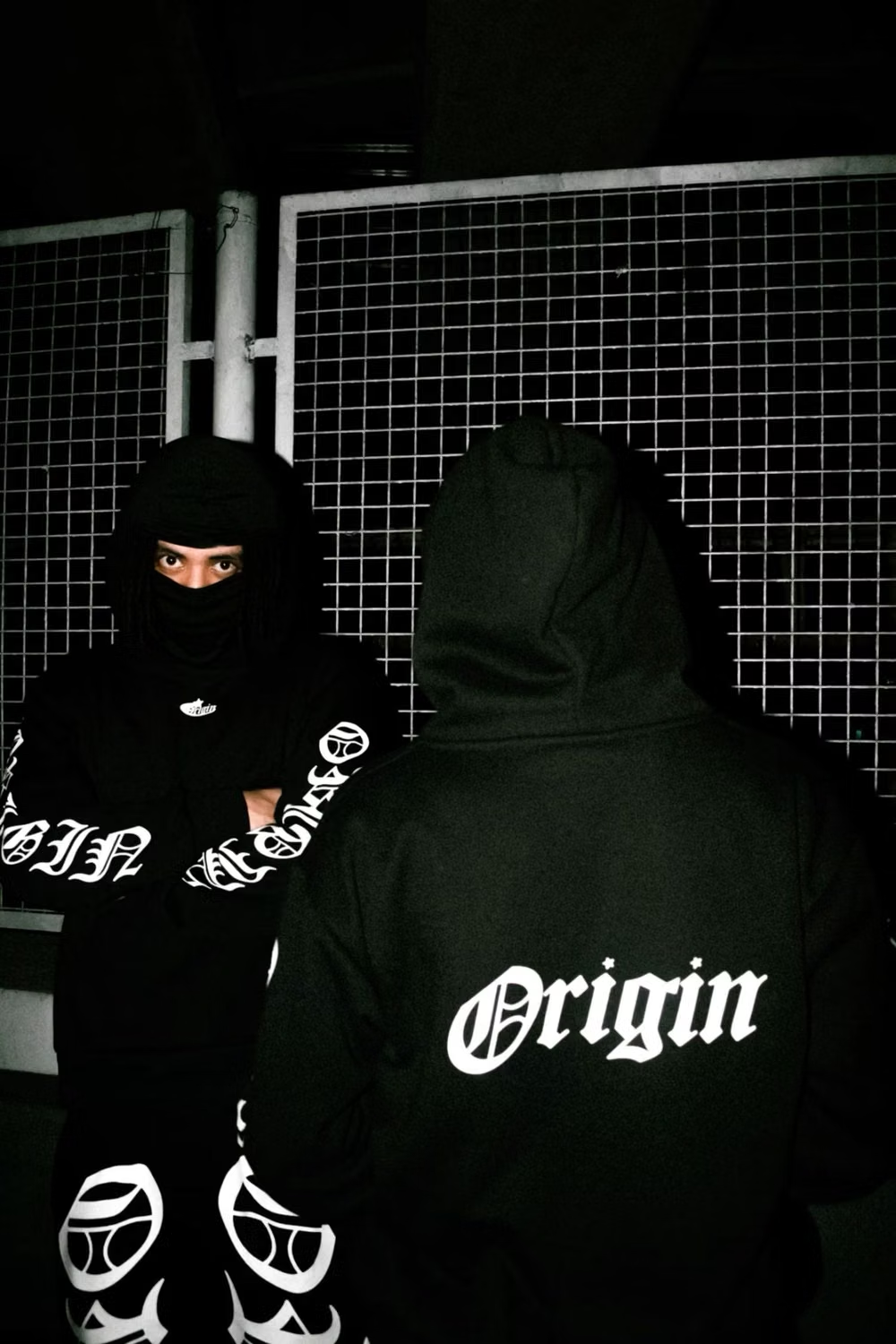
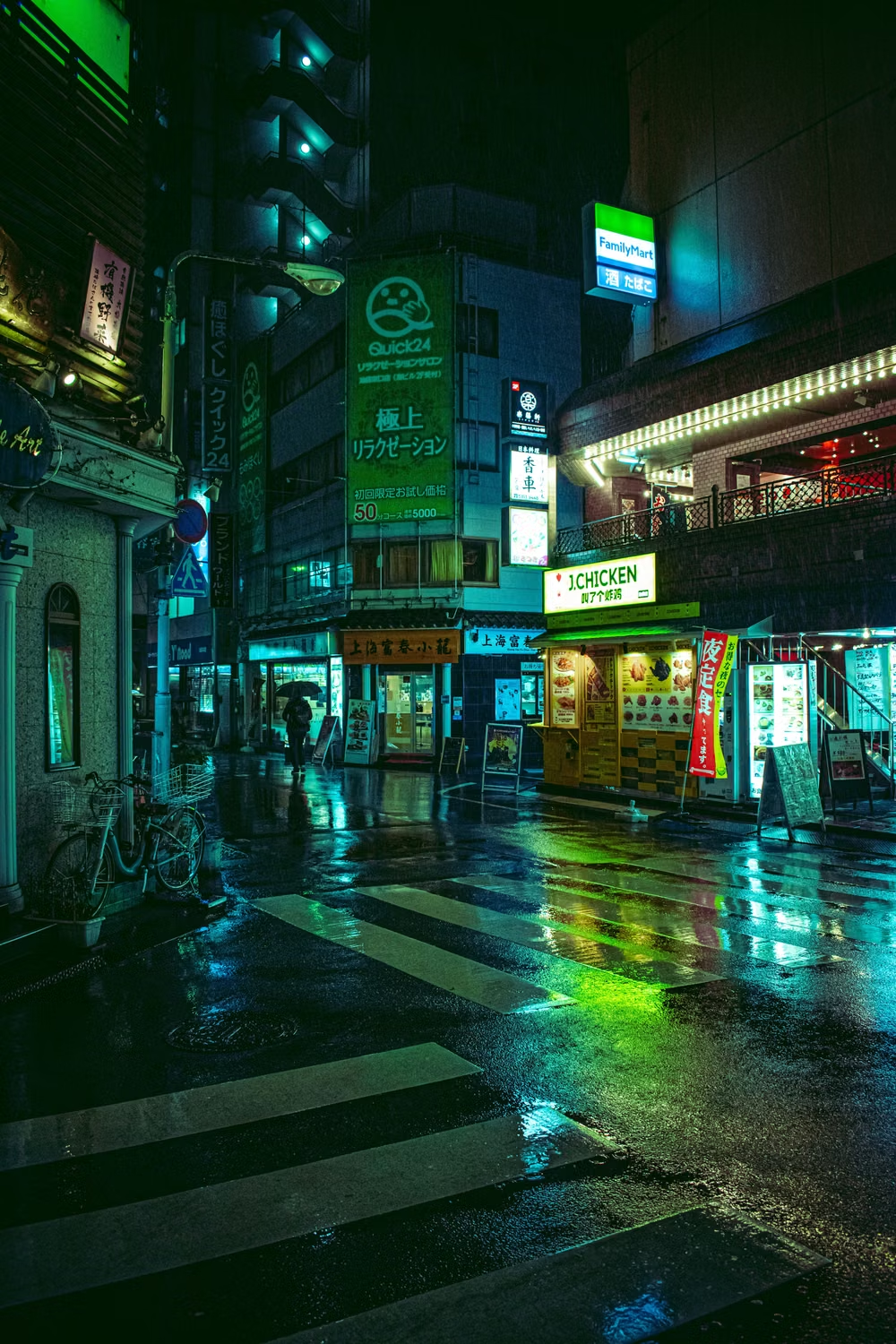
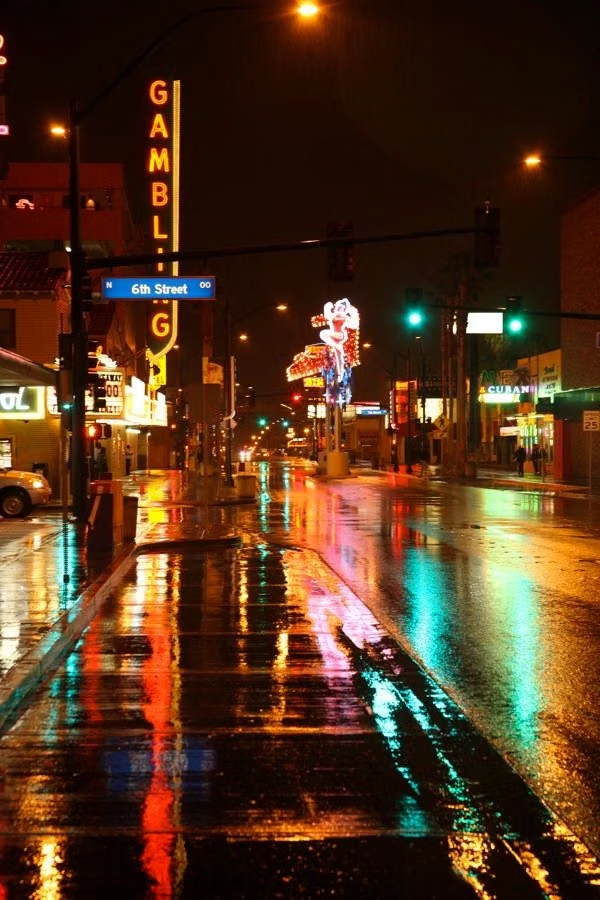
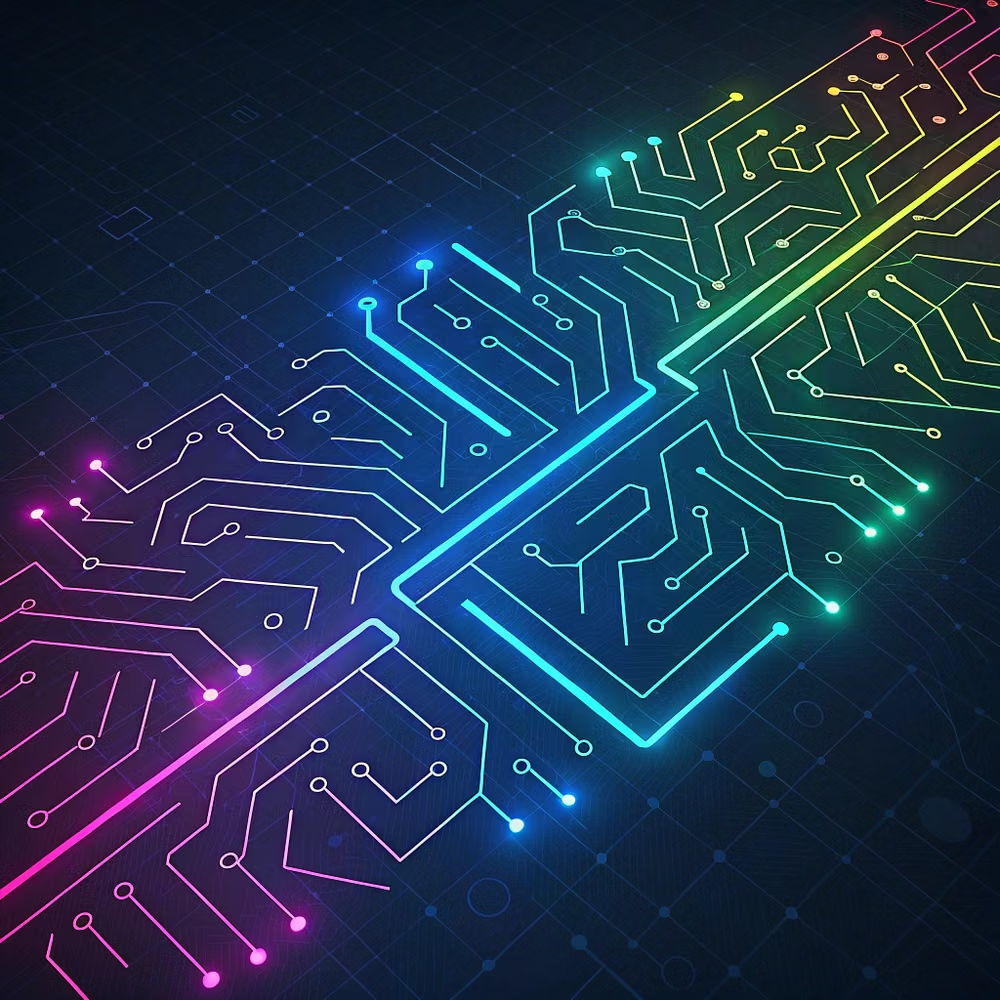
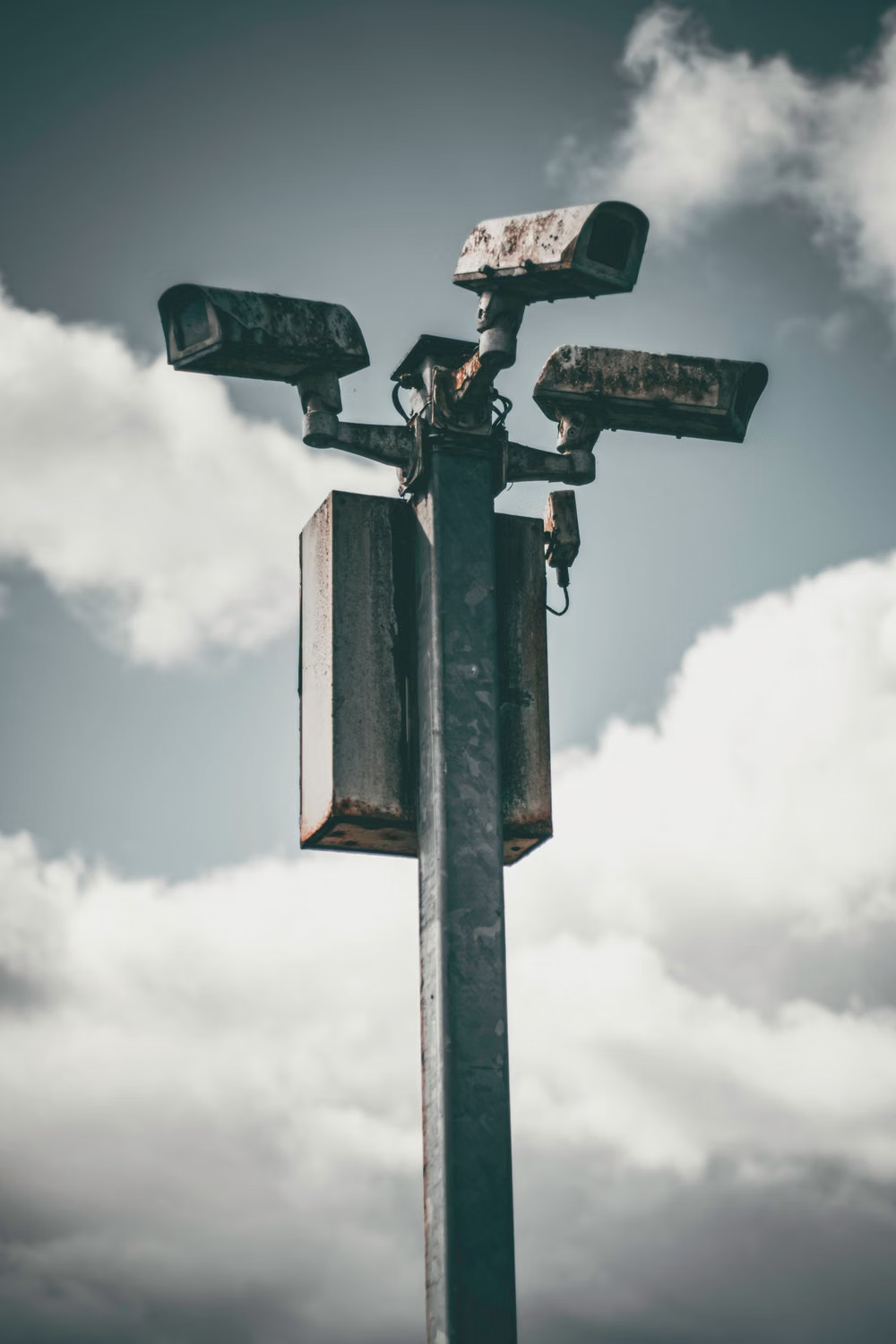
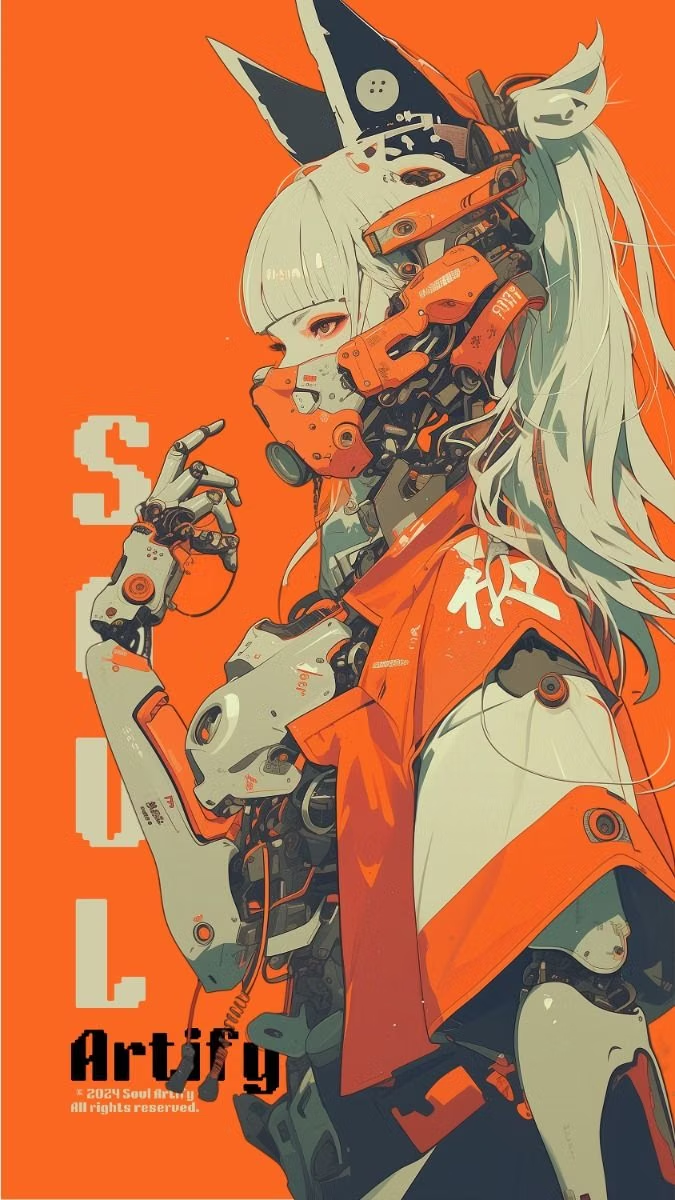
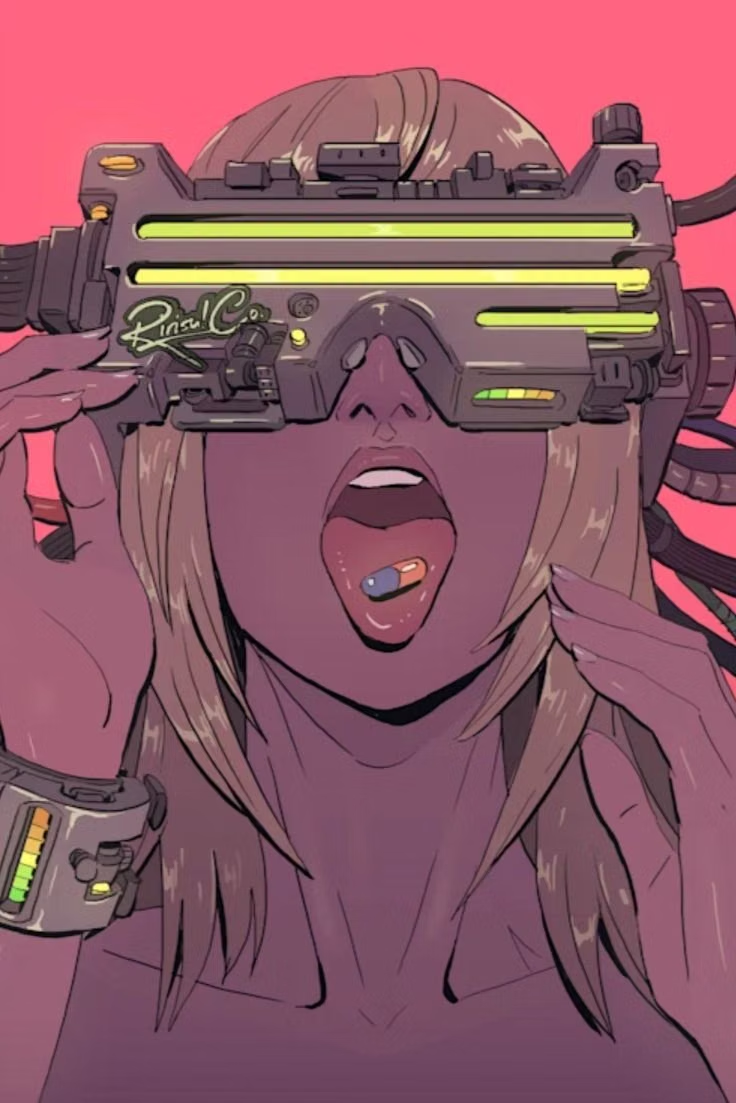
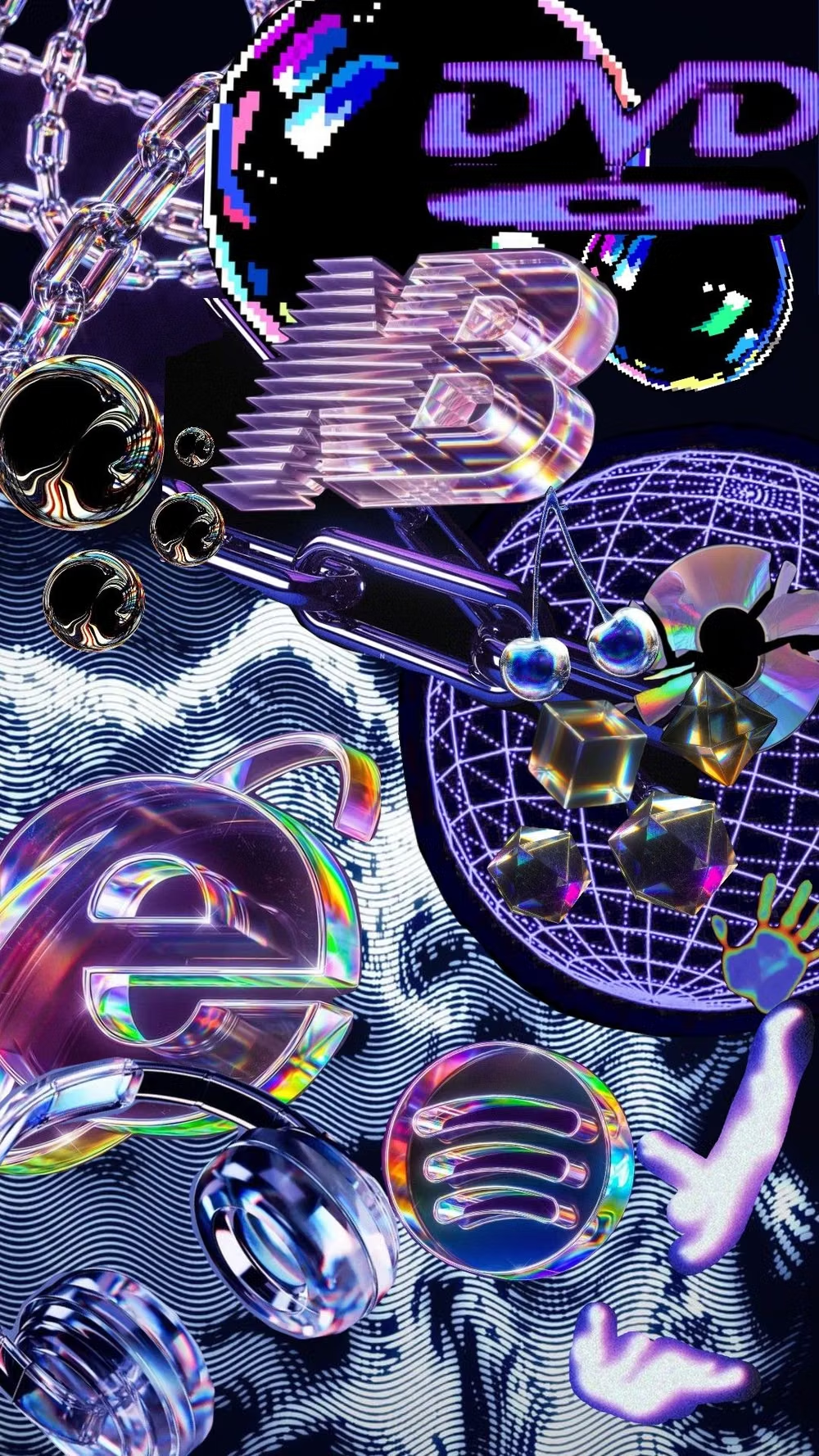
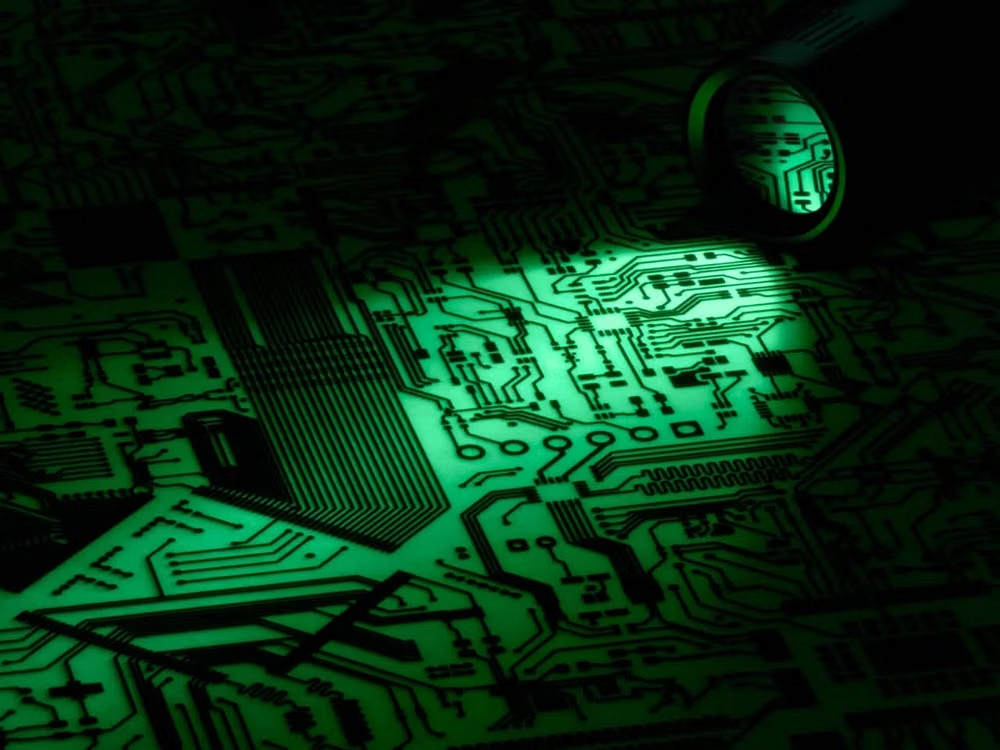
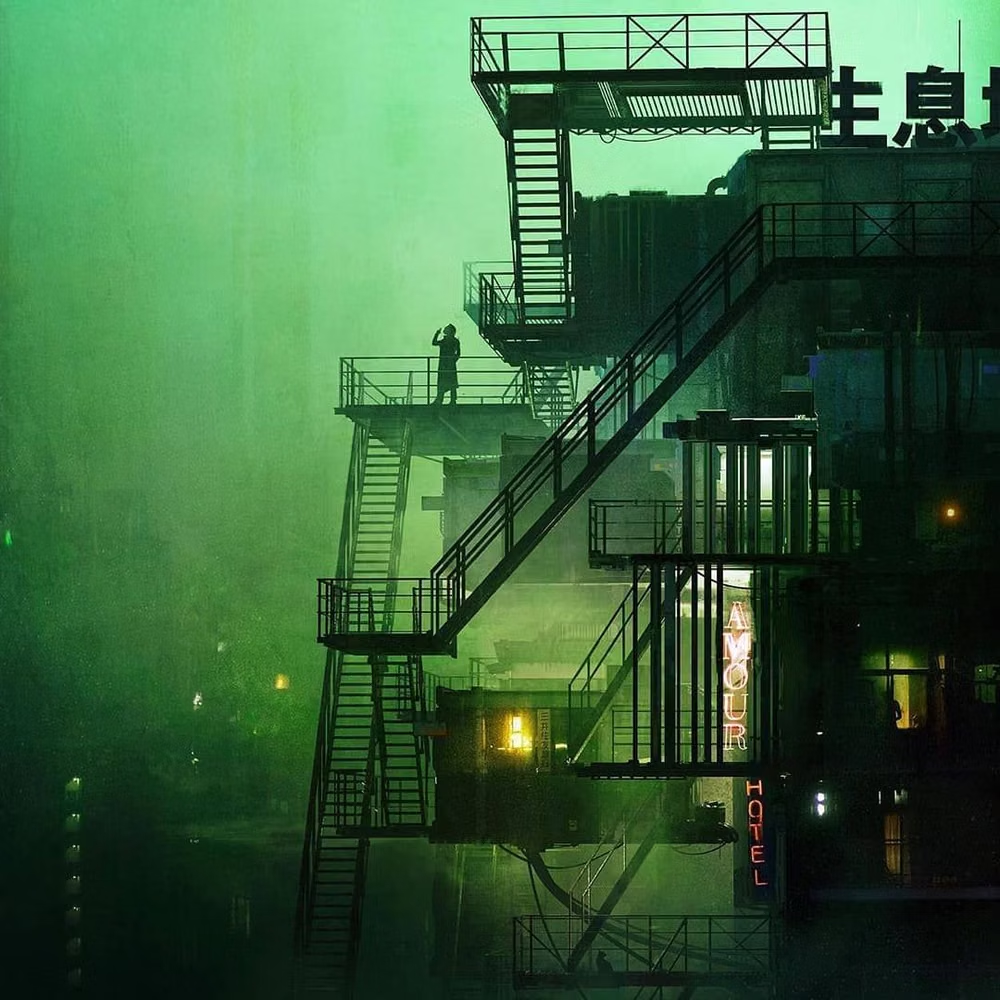
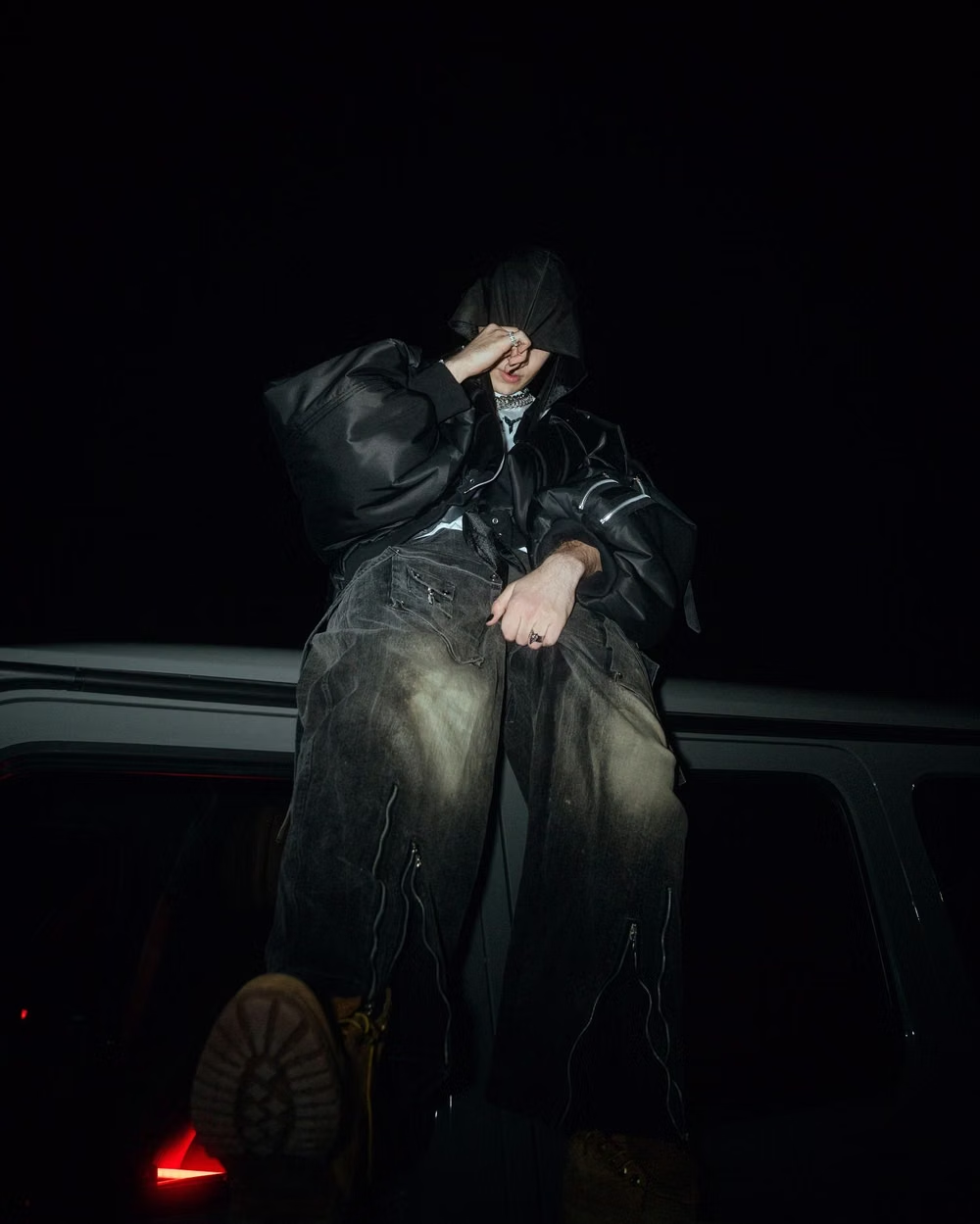
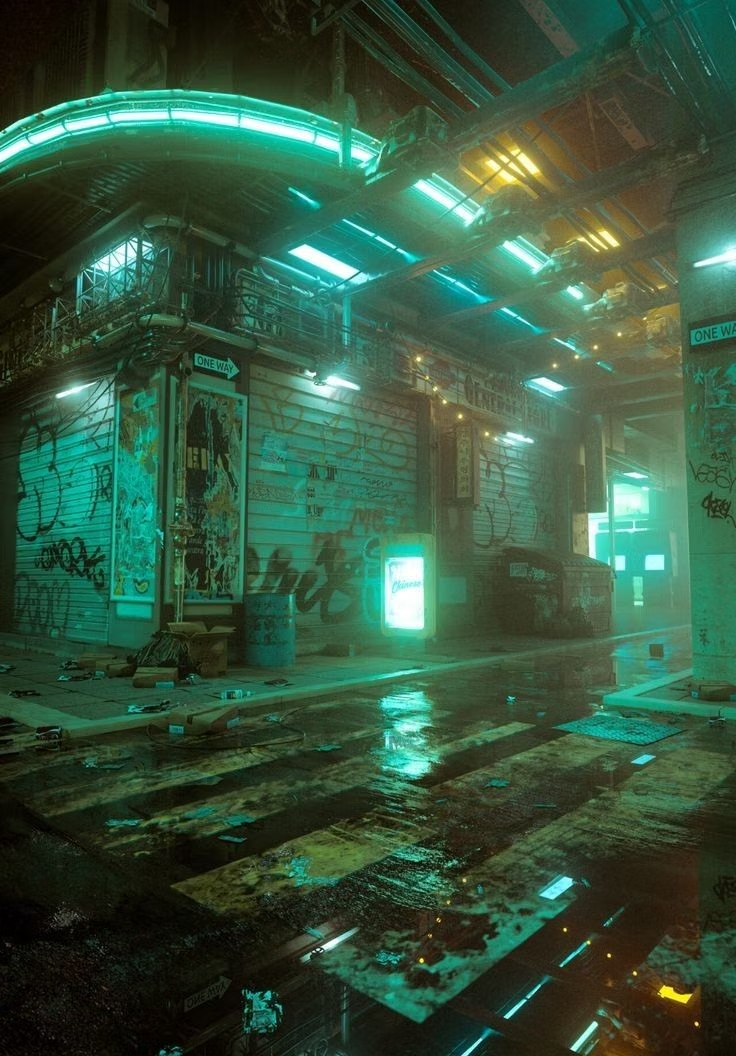
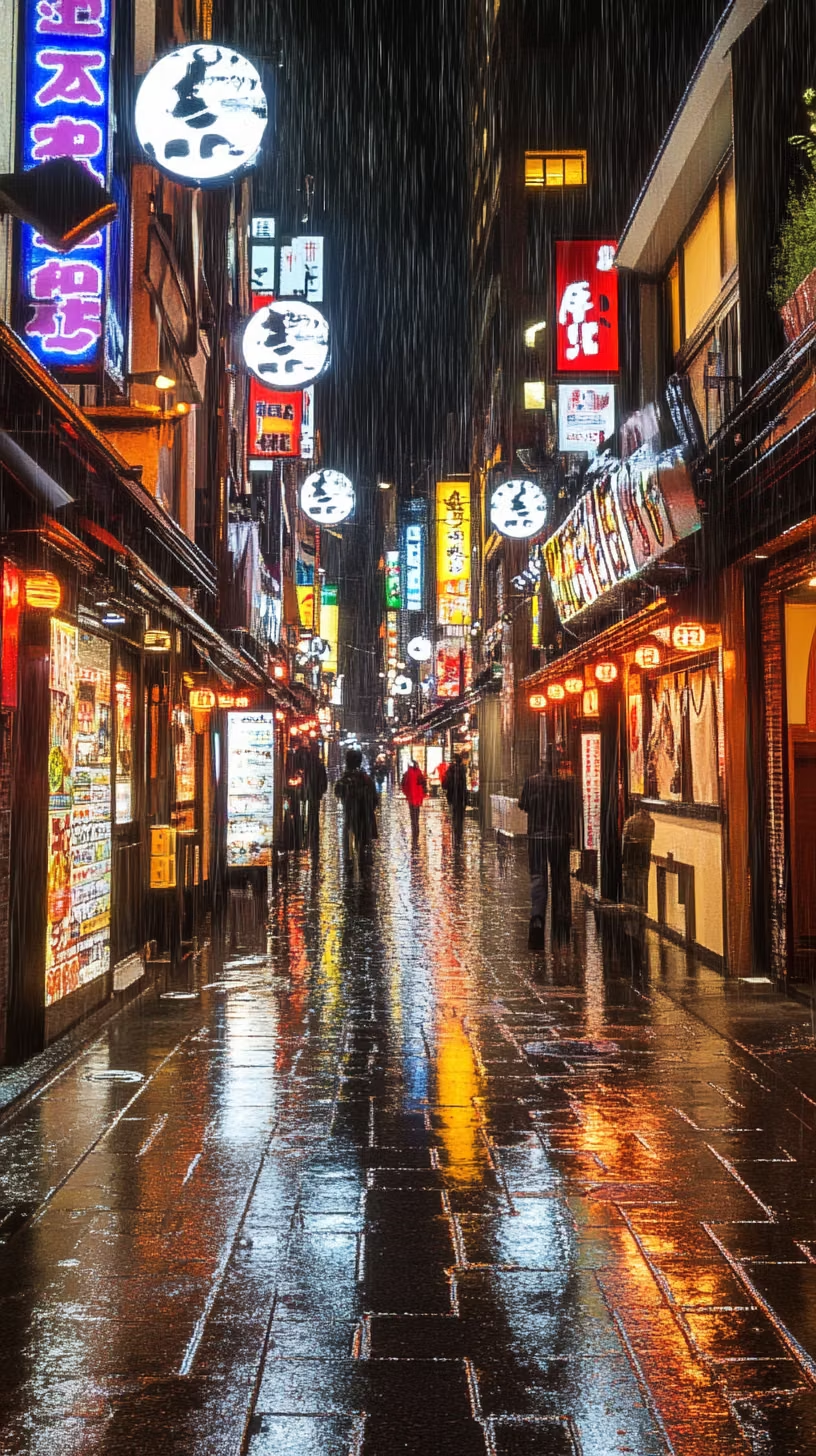
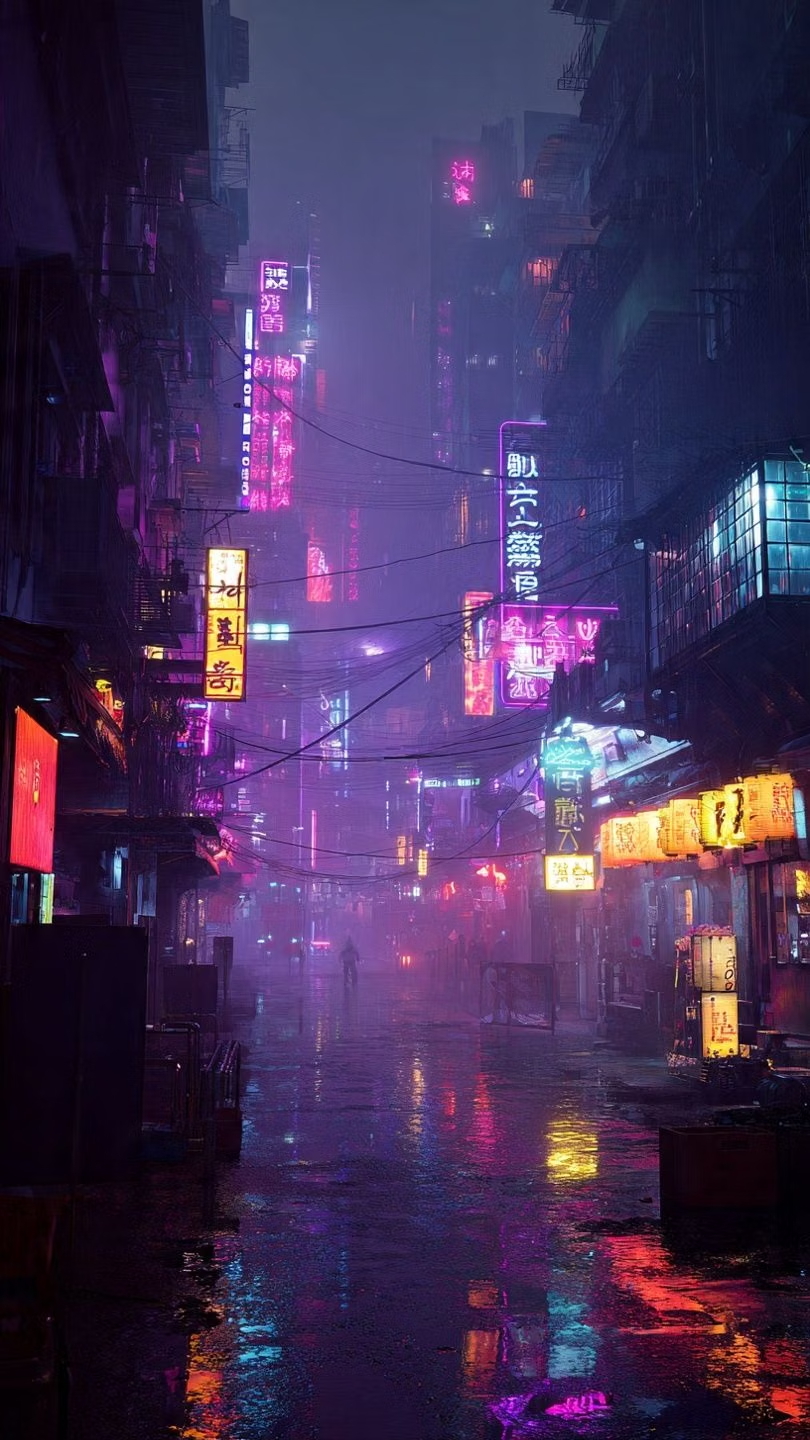
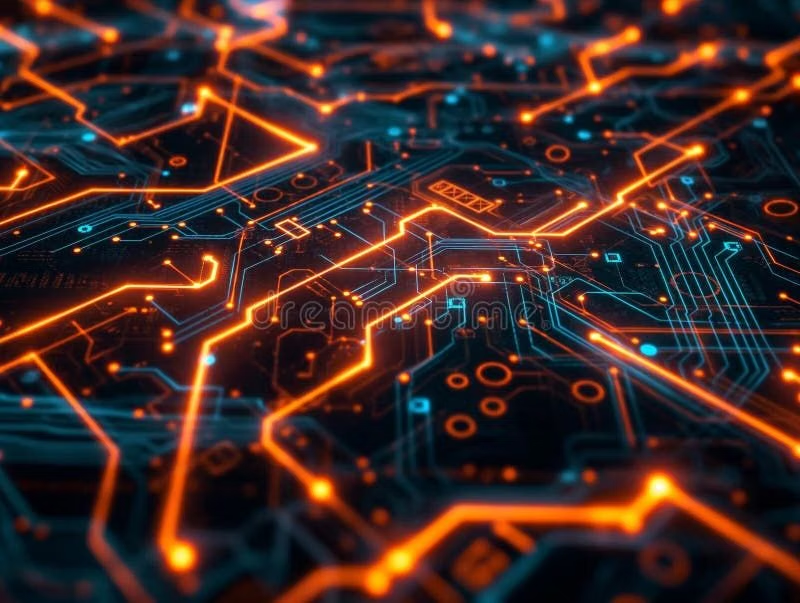
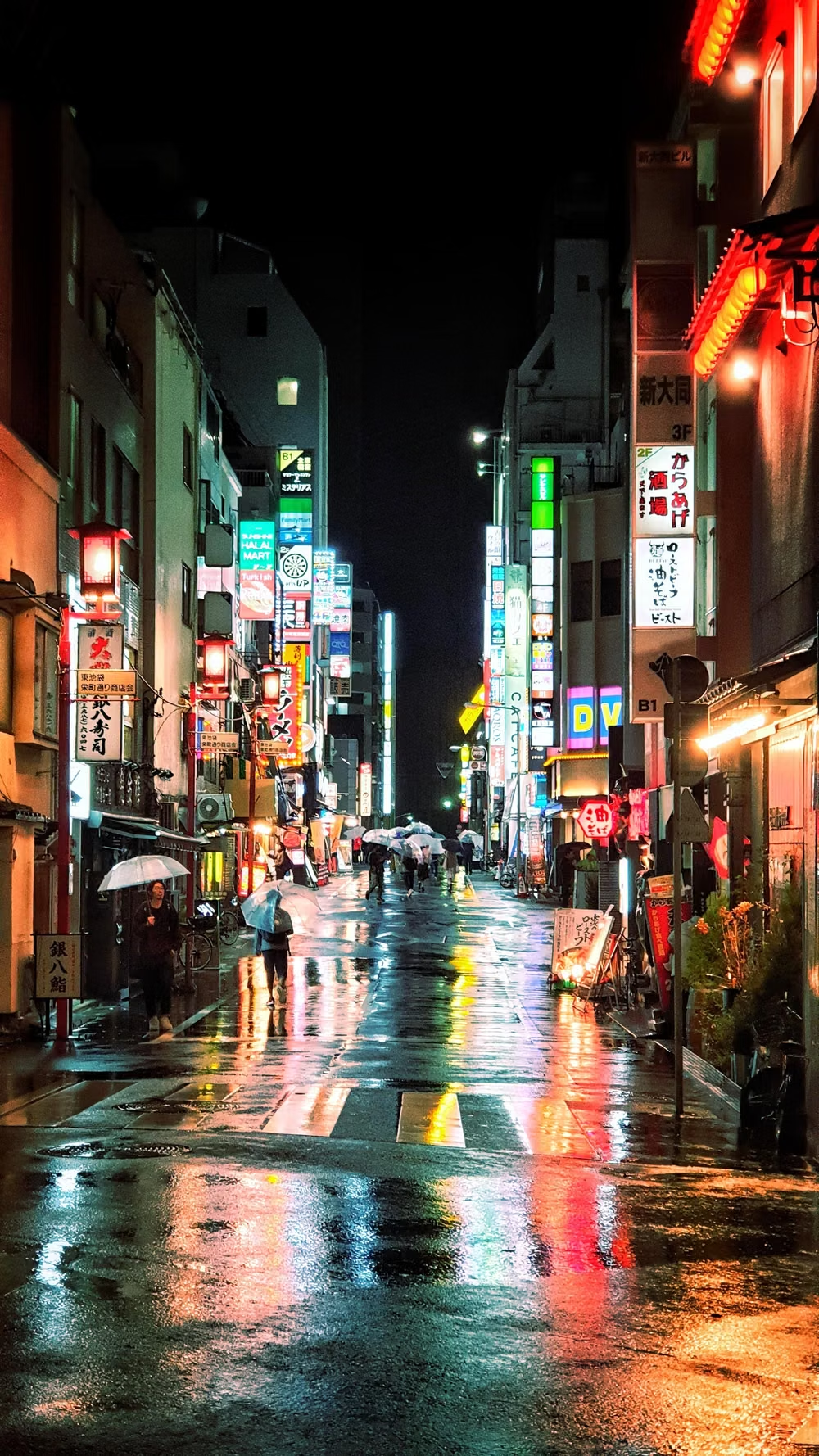
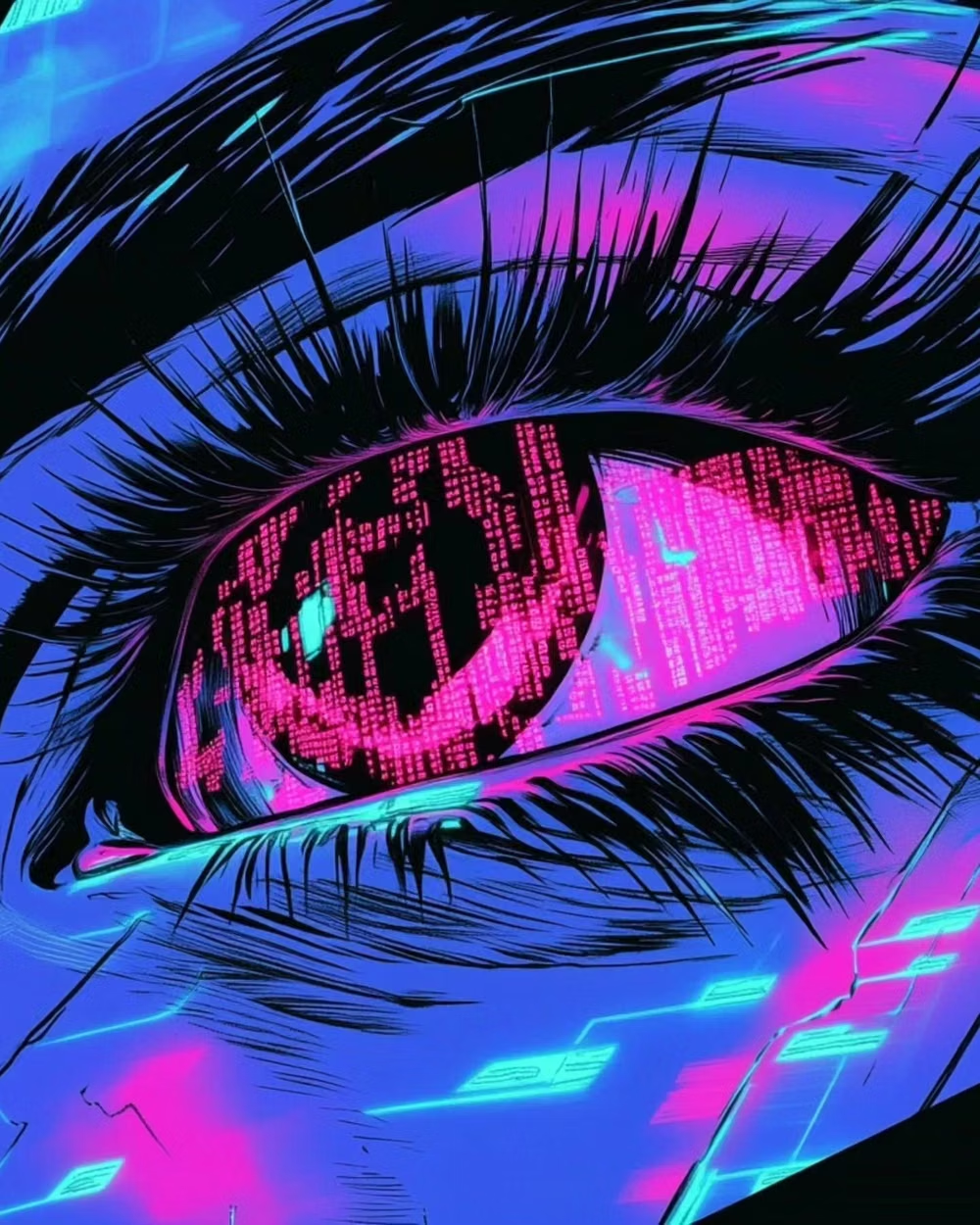
A visual study of the forms, inspirations, materials, colors, type, and cultural references associated with this UI design style.
Design principles and implementation
Use these principles to write a focused AI UI design prompt instead of asking for a vague visual treatment.
Color direction
Start with near-black and dirty blue-gray, then use neon cyan, magenta, acid green, and warning red as sharp electrical signals. In a daisyUI theme, use neon cyan for `primary`, magenta or acid green for `secondary`, and step `base-100`, `base-200`, and `base-300` through dirty blue-gray, near-black, and black.
Imagery direction
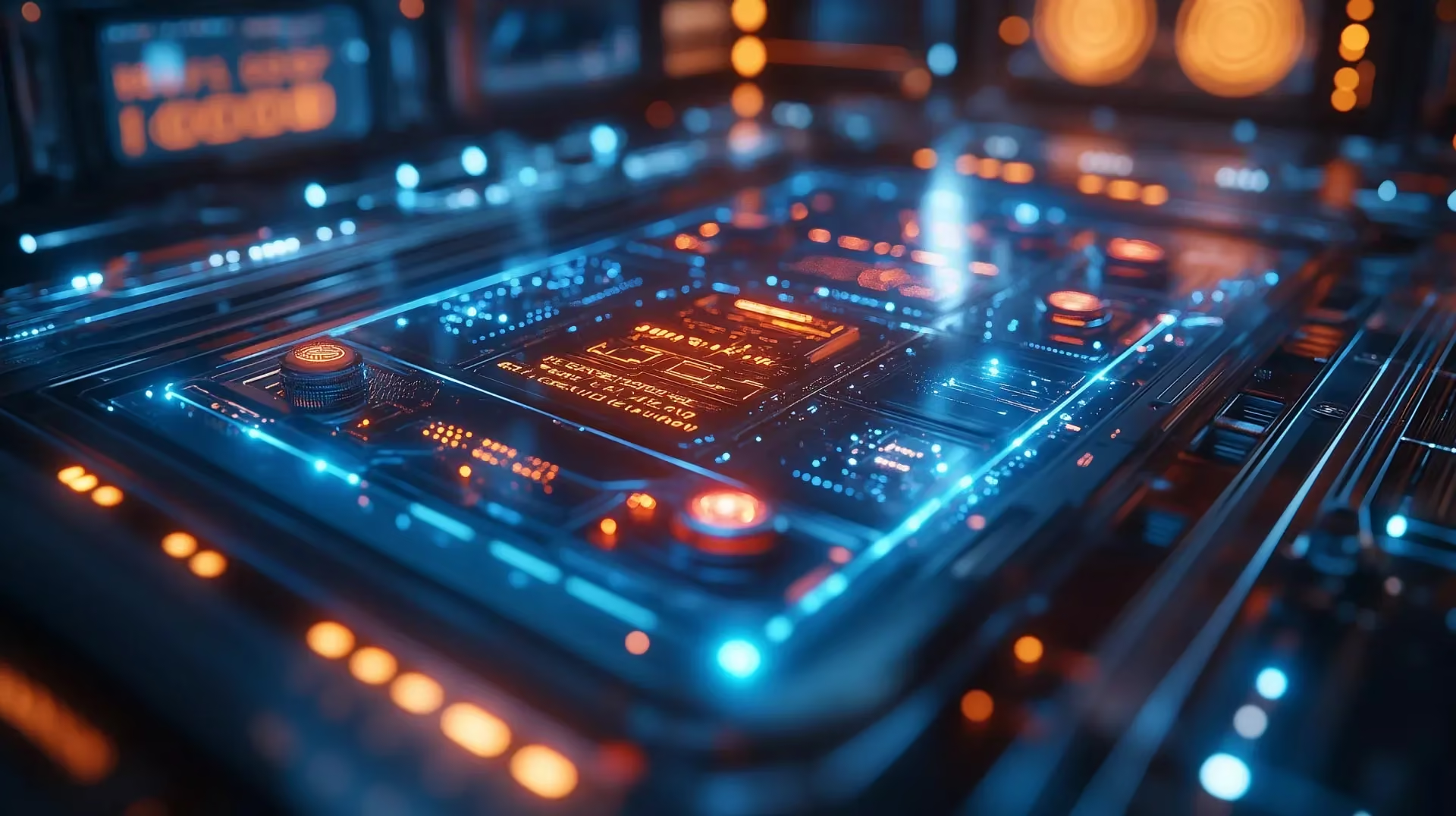
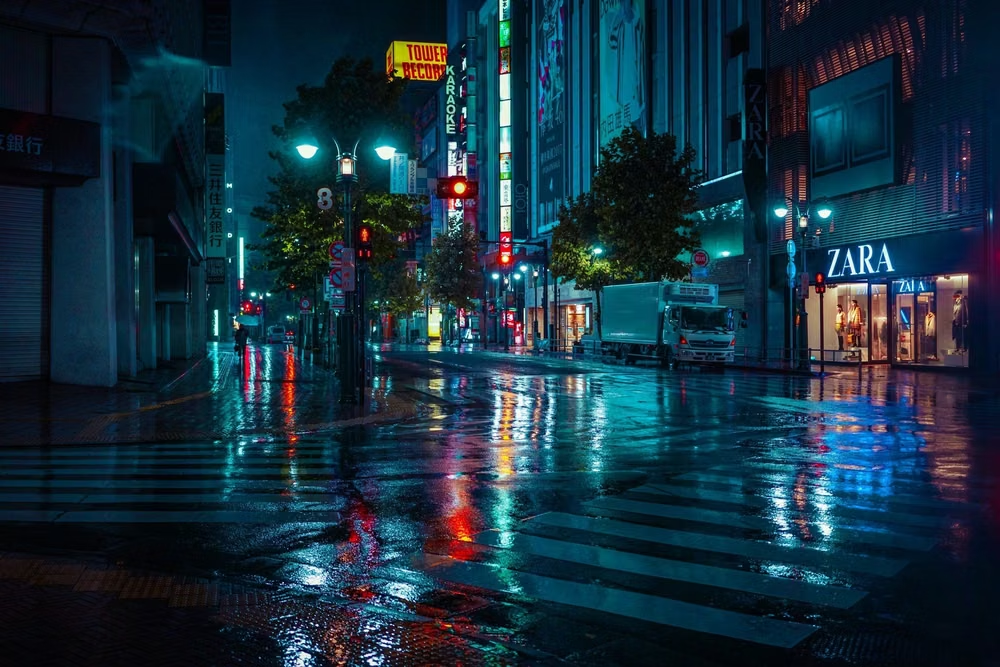
Use rain-lit megacities, surveillance feeds, augmented faces, circuitry, street signage, industrial alleys, and corrupted corporate media.
Content density
Use high information and visual density, establishing bright priority channels so users can separate actionable data from atmospheric noise. Use the `*-sm` size variants for daisyUI components to preserve this compact working density.
Motion direction
Use brief RGB splits, scanline sweeps, terminal updates, feed glitches, and rapid pane locks tied to loading, intrusion, or system events.
Shape language
Favor clipped panels, angular brackets, cable paths, segmented bars, inset terminals, and layered translucent plates with sharp corners. In daisyUI themes, set the `--radius-*` variables to `0` or `0.25rem`.
Typography rules
Pair a condensed technical sans-serif with monospace data text, using glitch or kana-like display accents only where they do not imitate meaningful content.
Suggested Typfaces
Orbitron
Fresh daisies glow in warm sunlight
Fresh daisies glow in warm sunlight
1 2 3 4 5 6 7 8 9 0
Rajdhani
Fresh daisies glow in warm sunlight
Fresh daisies glow in warm sunlight
1 2 3 4 5 6 7 8 9 0
Share Tech Mono
Fresh daisies glow in warm sunlight
Fresh daisies glow in warm sunlight
1 2 3 4 5 6 7 8 9 0
Oxanium
Fresh daisies glow in warm sunlight
Fresh daisies glow in warm sunlight
1 2 3 4 5 6 7 8 9 0
Chakra Petch
Fresh daisies glow in warm sunlight
Fresh daisies glow in warm sunlight
1 2 3 4 5 6 7 8 9 0
Build a Cyberpunk interface with daisyUI
The live example translates this direction into daisyUI components and semantic theme tokens.
To generate a full page in the same visual language, give the style name and the design rules above to Blueprint MCP.
Related UI design styles
Compare nearby visual languages that share typography, shapes, use cases, or signature elements.
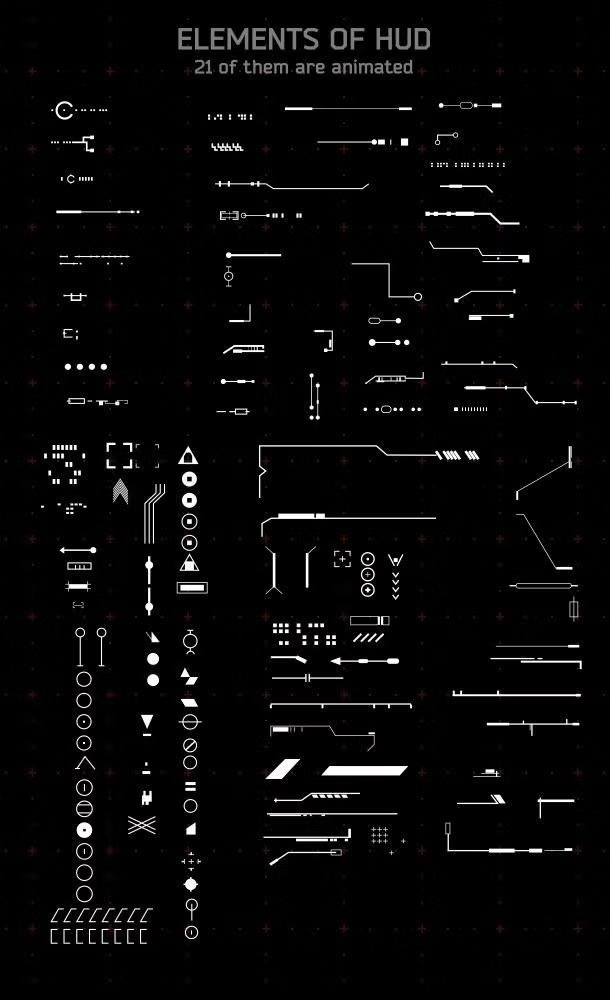
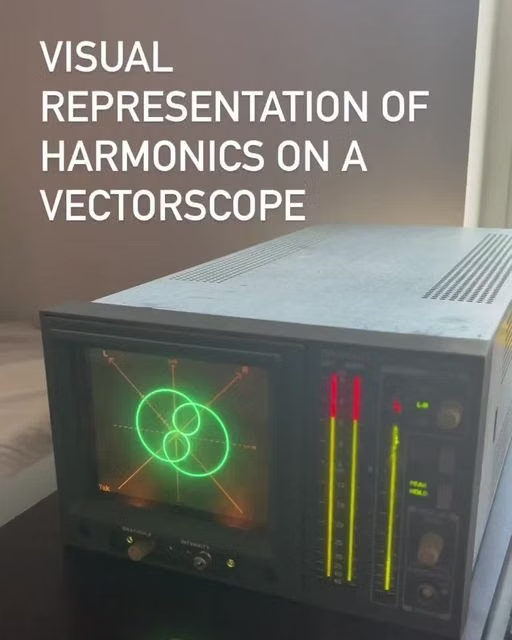
FUI / HUD UI design style
Fictional-interface styling with telemetry, reticles, grids, diagrams, scanning effects, and layered translucent readouts.
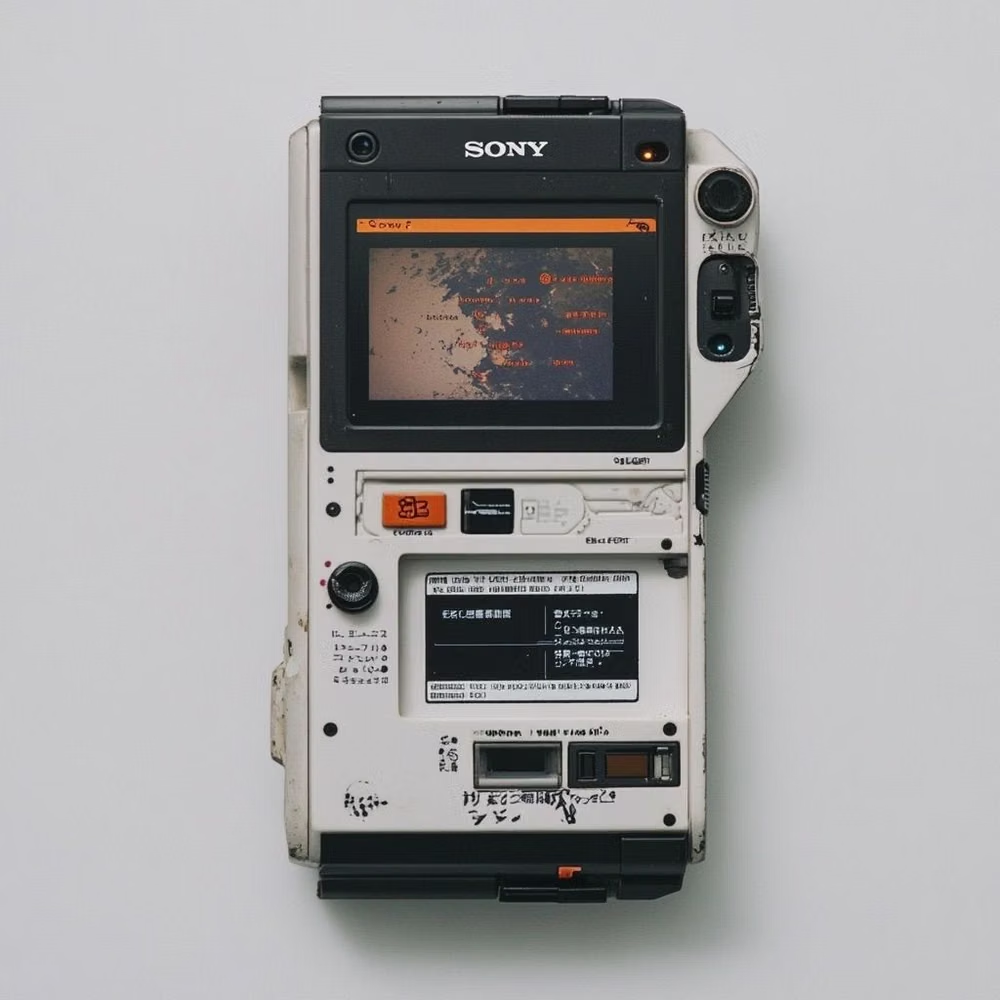
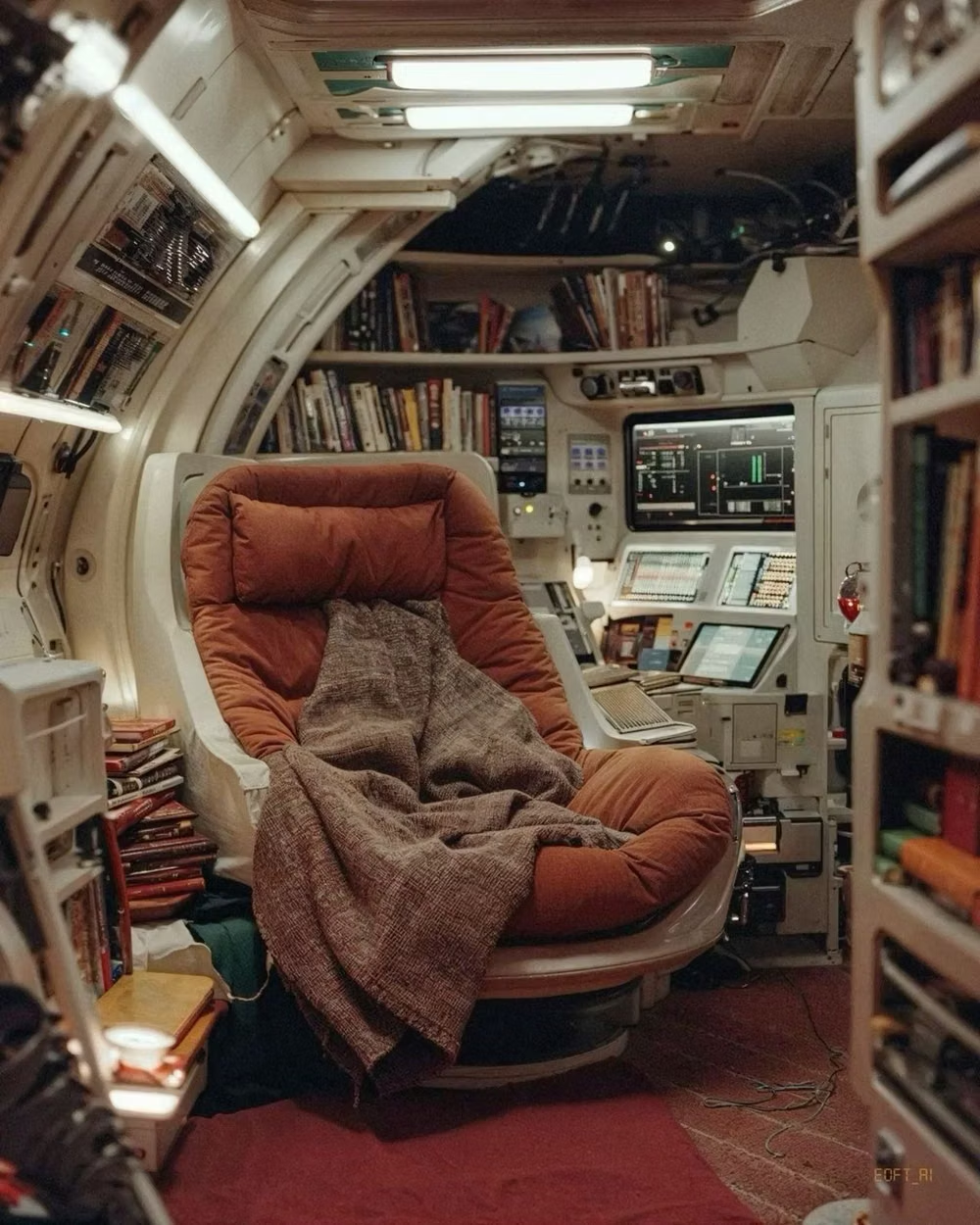
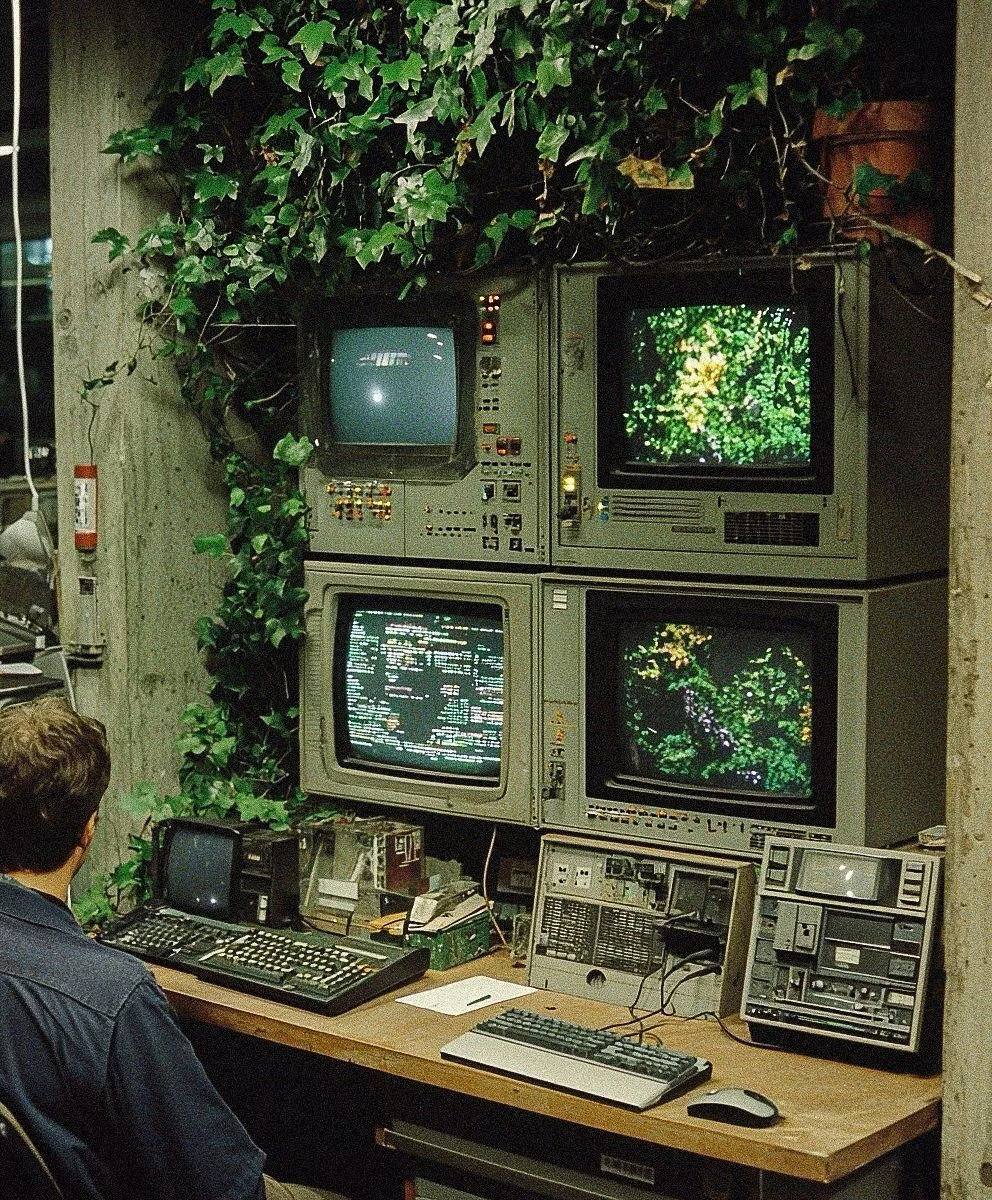
Cassette Futurism UI design style
Chunky analog controls, CRT displays, industrial panels, physical switches, amber or green screens, and late-20th-century science-fiction technology.
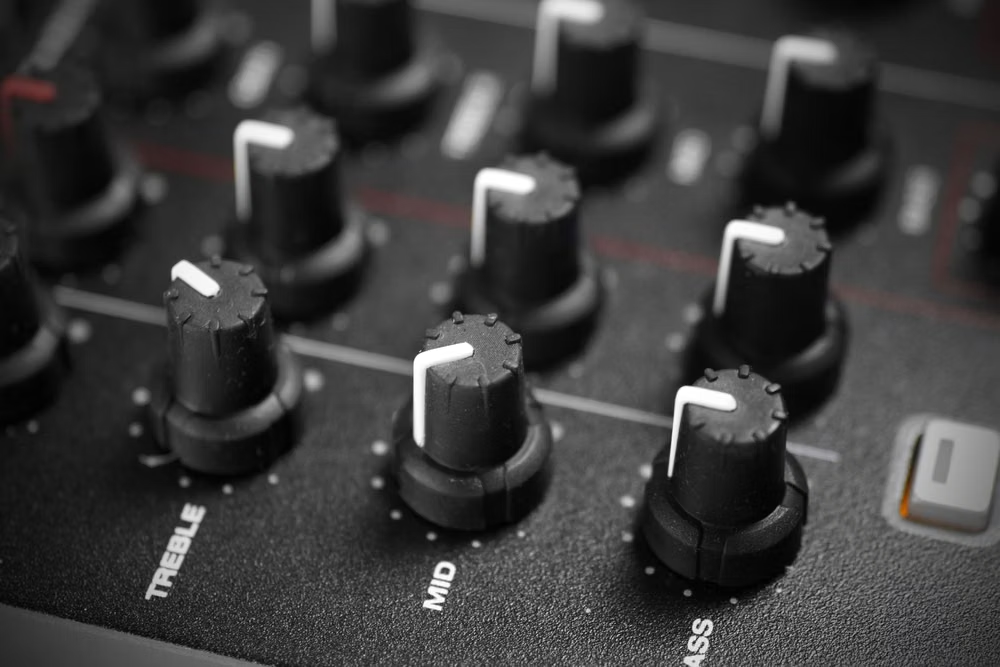
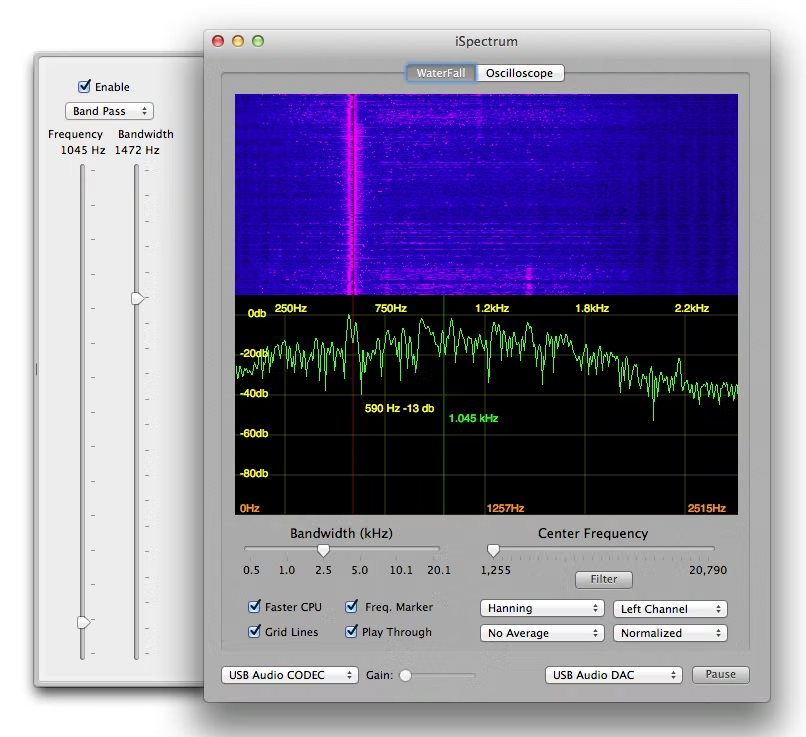
Y2K Techno-Skeuomorphism UI design style
Early-2000s skinnable media-player interfaces model software after futuristic audio equipment; the style is also recognized as Y2K Media Player UI, Chrome Futurism, Skinnable UI, Techno Skeuomorphism, or Millennium Futurism.