Dieselpunk UI design style
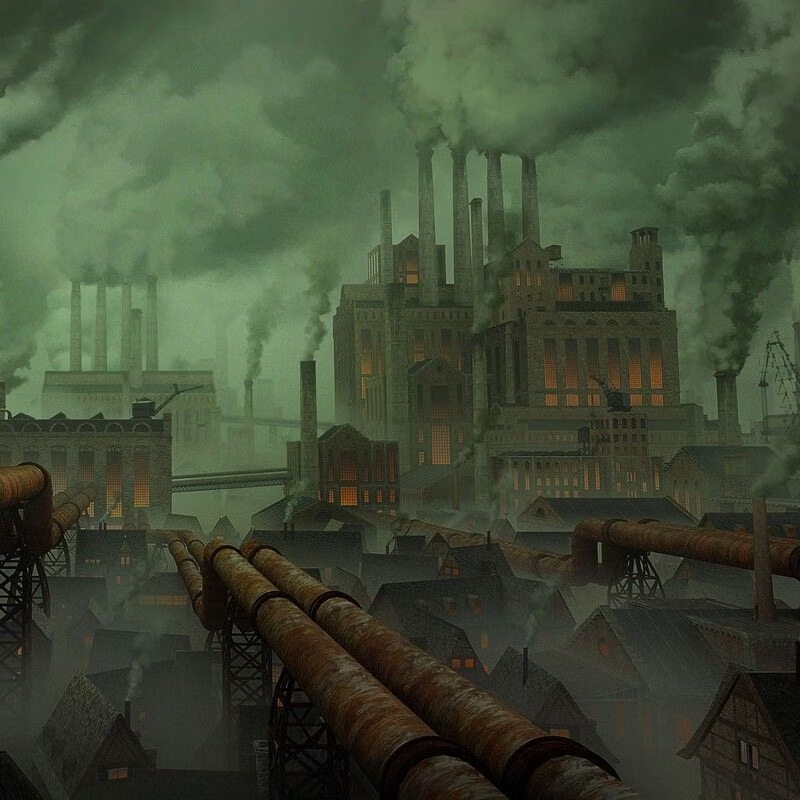
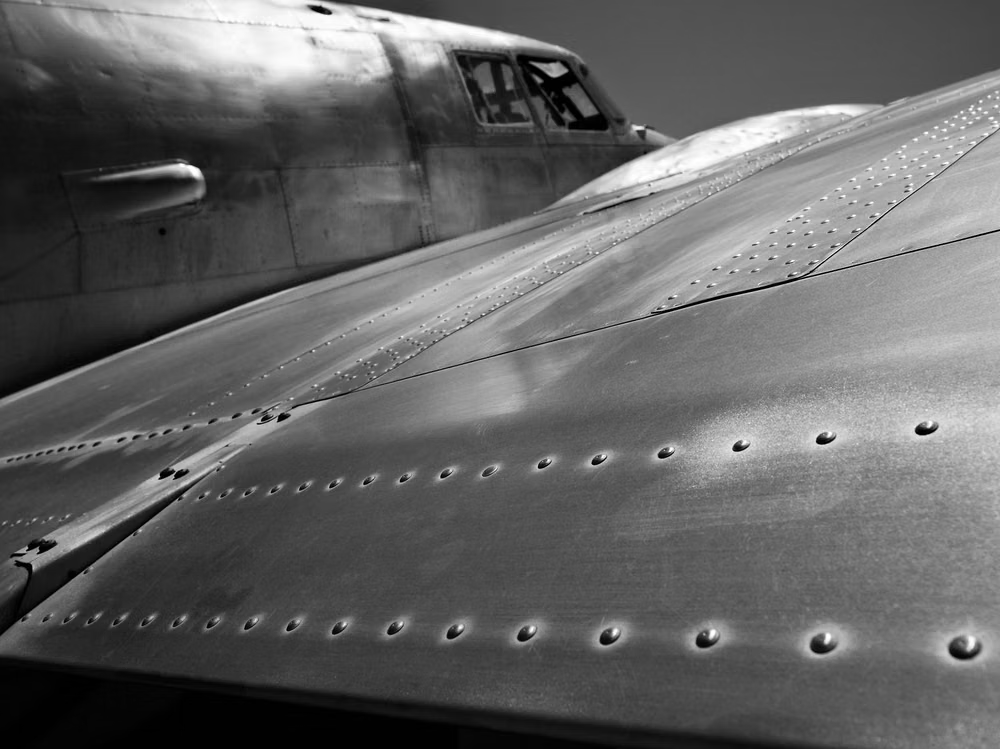
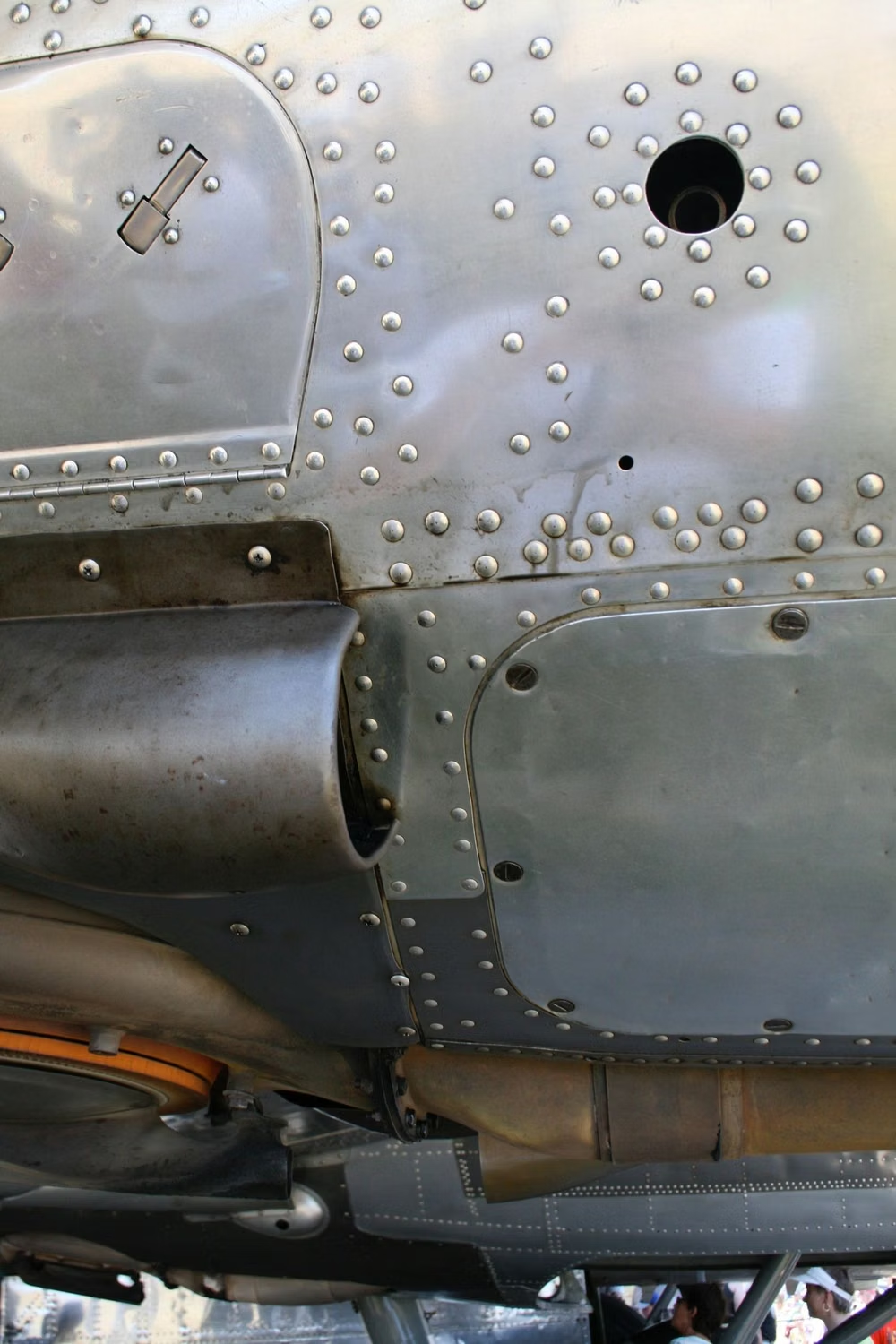
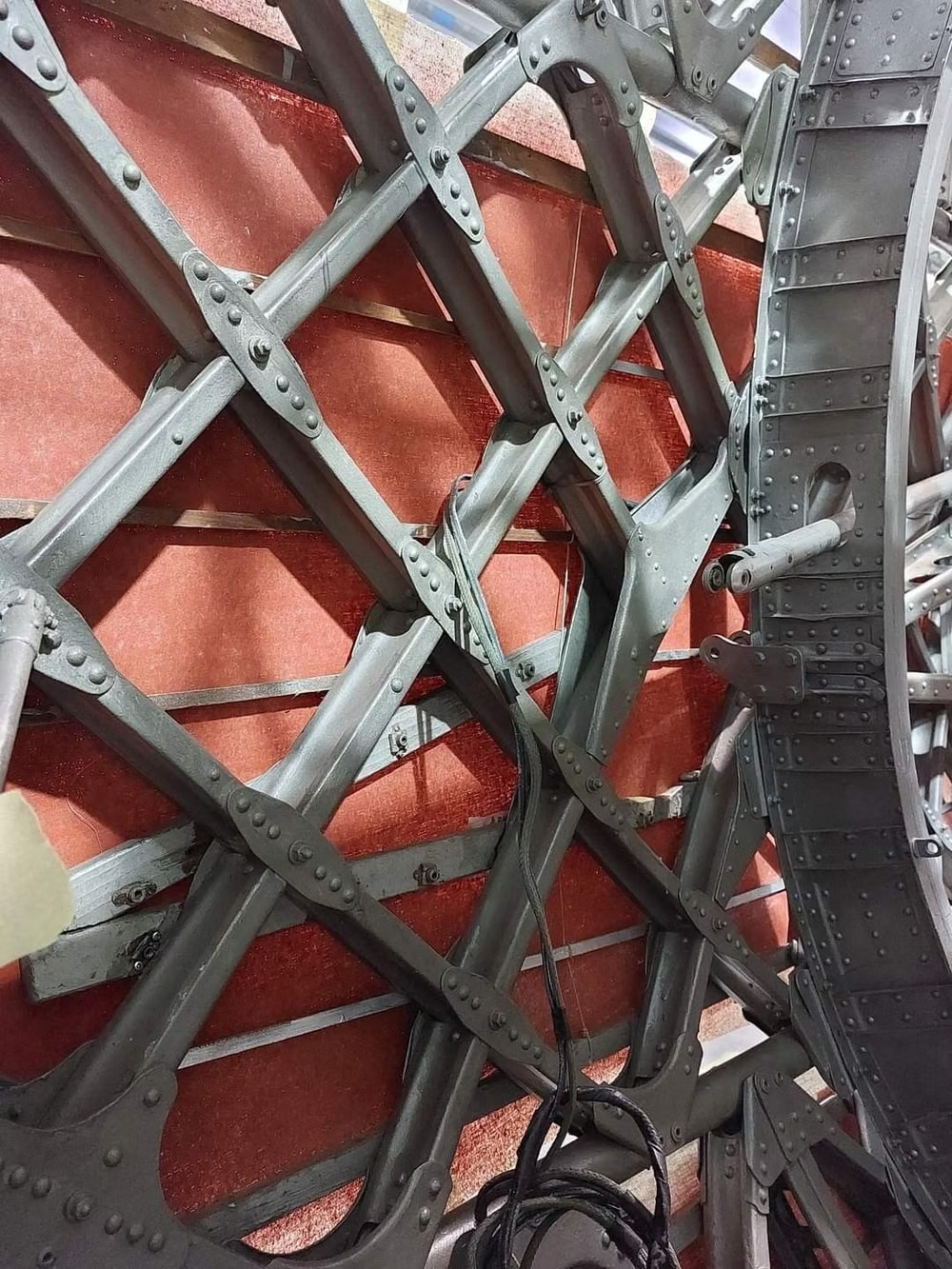
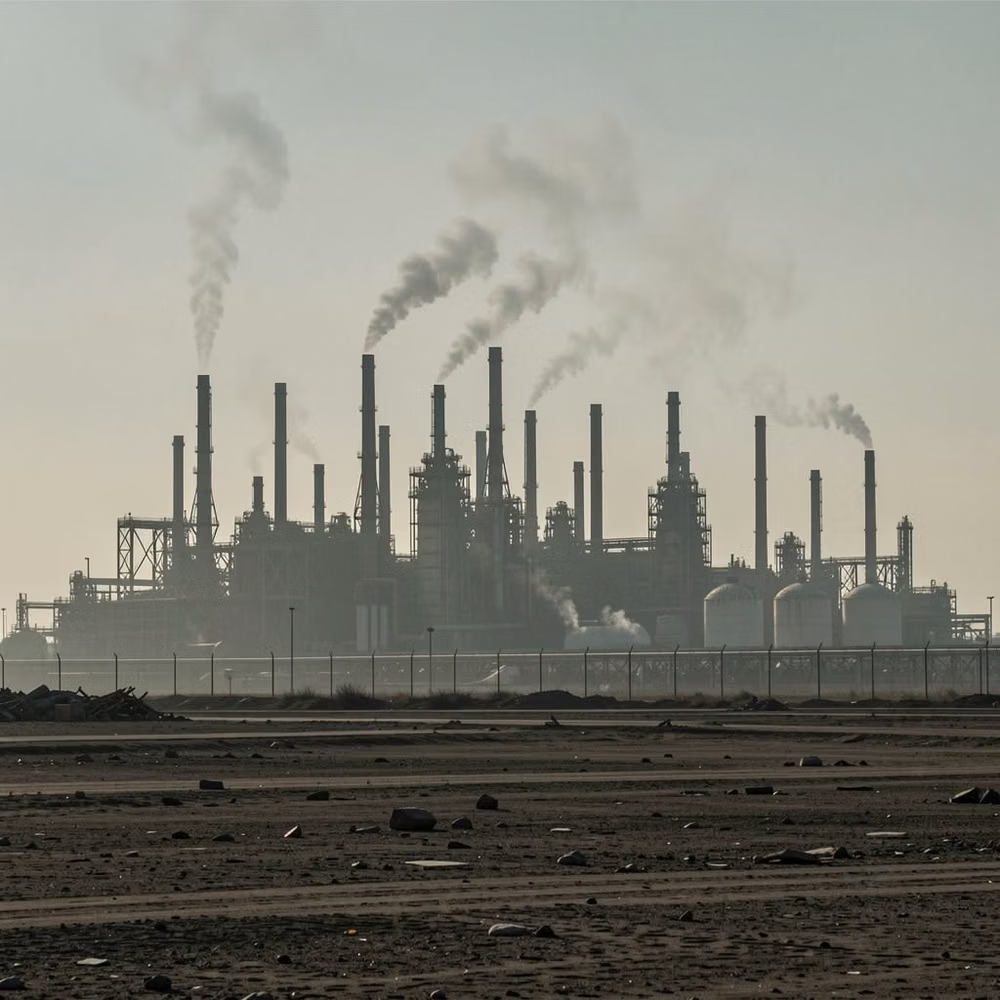
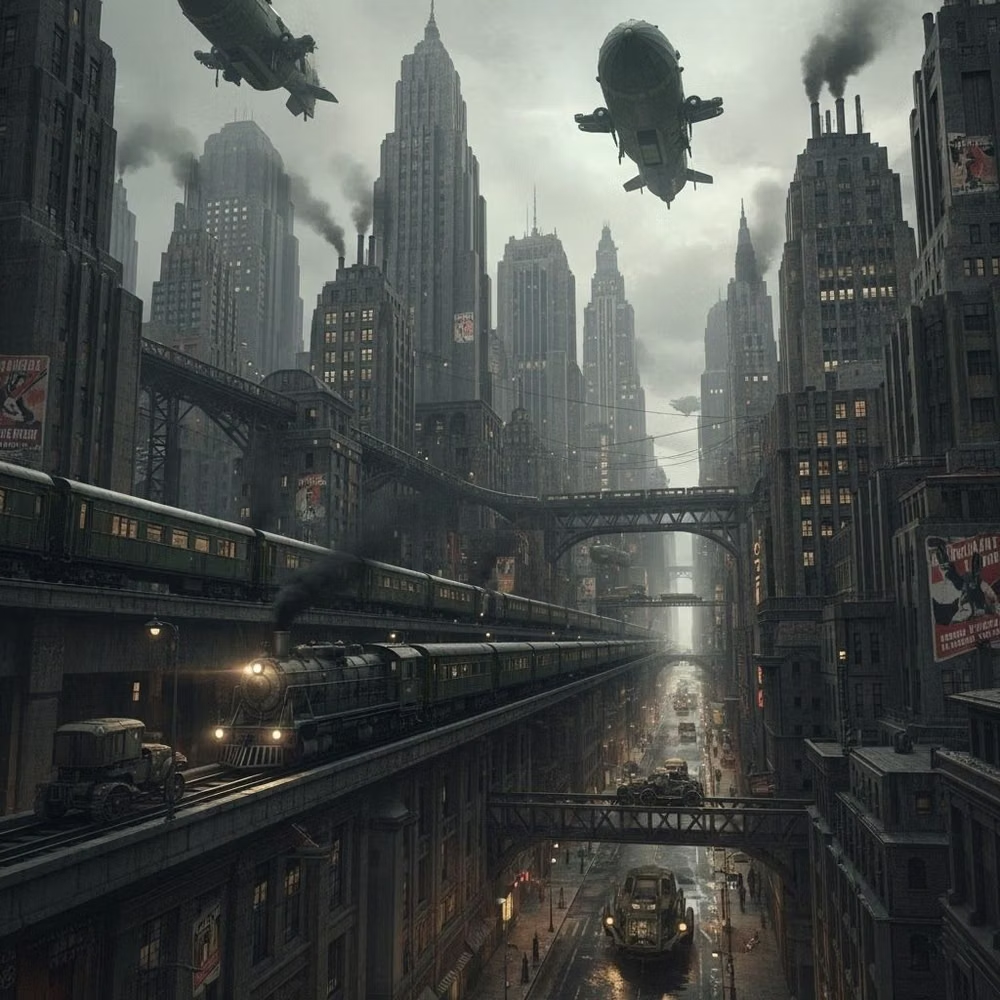
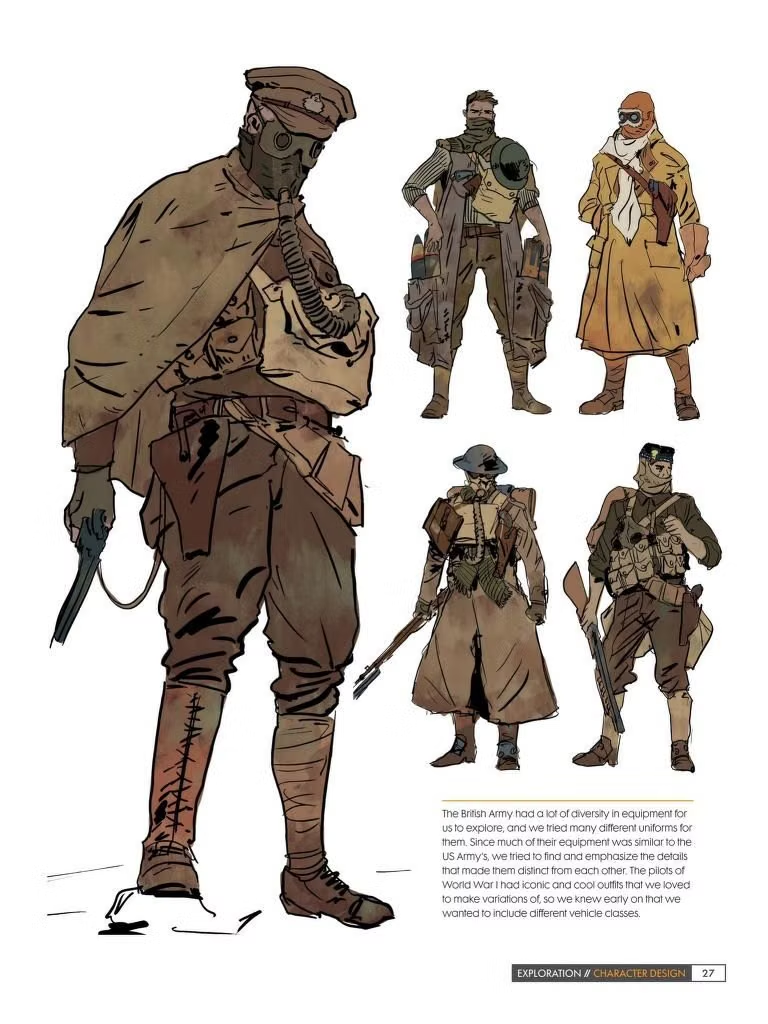
Interwar and mid-century industrial machinery, riveted metal, propaganda graphics, soot, military modernism, and heavy mechanical forms.
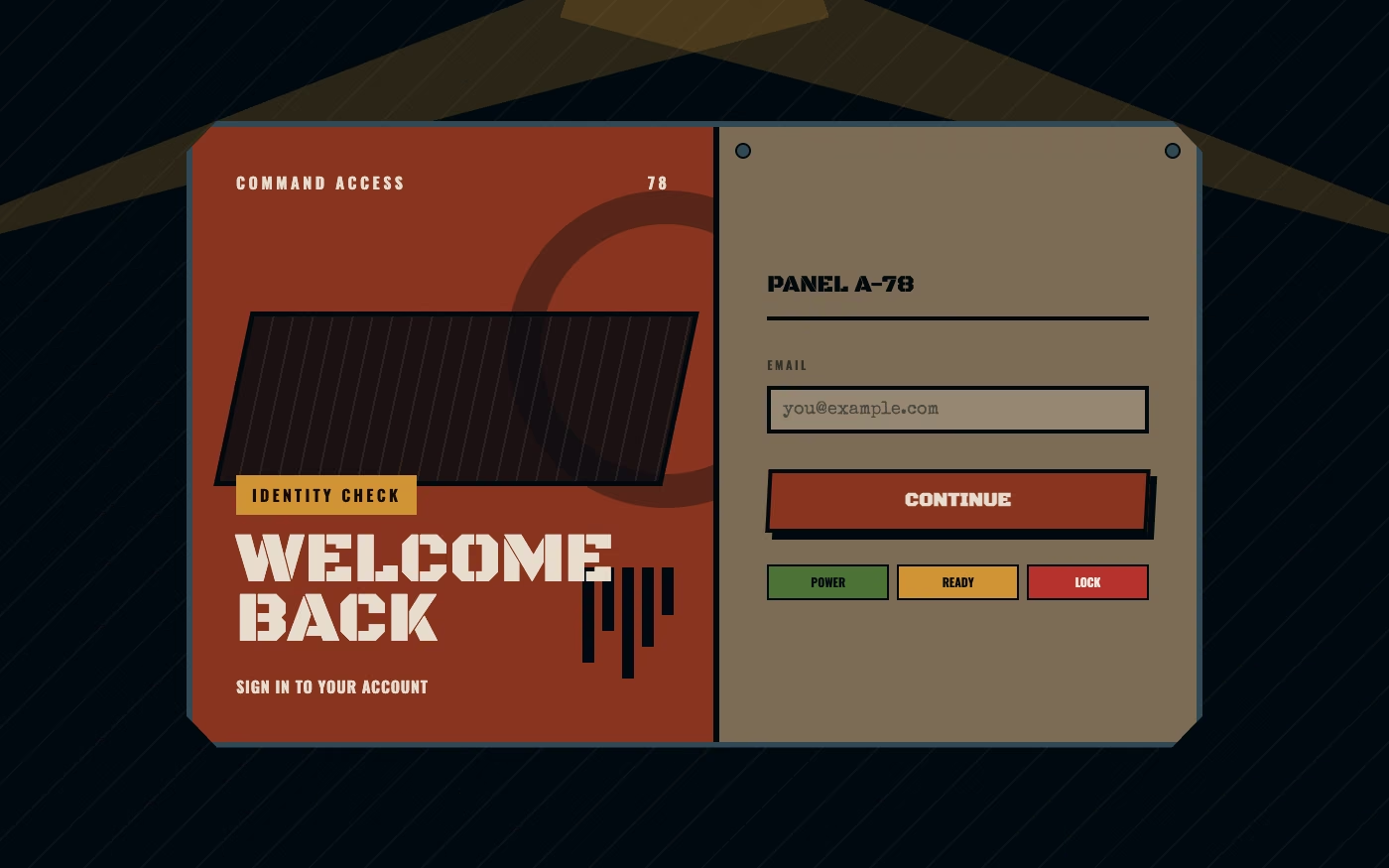
Design overview
- Signature elements
- riveted metal, military stencils, soot textures, propaganda graphics, heavy machinery, angular panels. In daisyUI themes, set `--noise: 1;` and `--depth: 1;`.
- Best suited to
- Games, entertainment, vehicles, events, alternate-history products, and cinematic campaigns.
- Layout principles
- Build heavy military-industrial panels and poster-like sections around machinery, maps, and mission data, using hard hierarchy and compact command zones.
History and origins
A fact-checked account of where this visual language came from, with links to the references used.
- Period
- Imagined source era from roughly World War I–the 1950s; term coined in 2001
- Origin
- Tabletop game culture and retrofuturist fiction
Dieselpunk is a much newer classification than the machinery it depicts. Game designer Lewis Pollak coined the term in 2001 for Children of the Sun, using it for speculative worlds built from interwar and mid-century diesel technology, mass warfare, pulp illustration, radio, aviation, and industrial modernity; later communities broadened it into fashion and visual design.
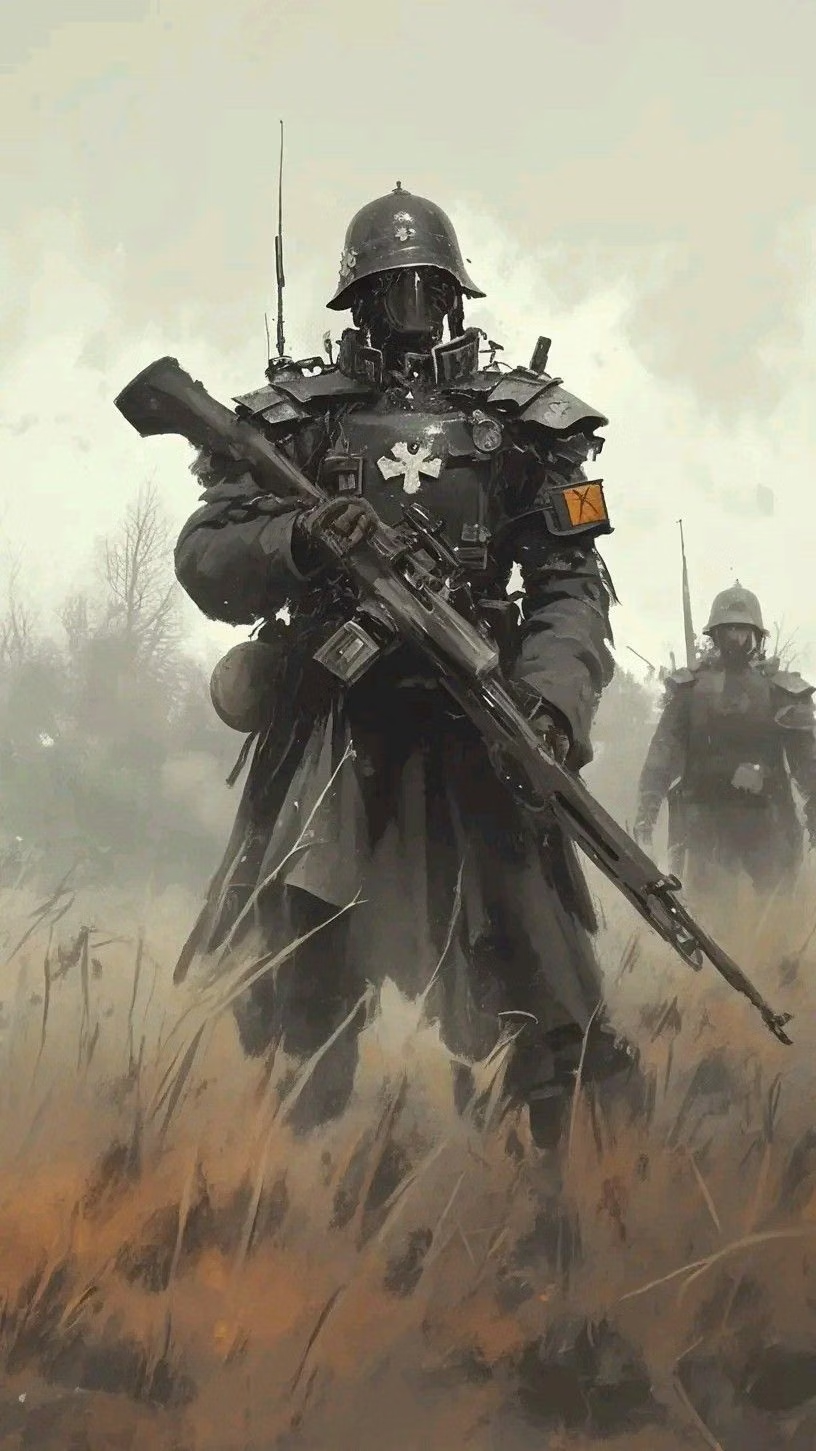
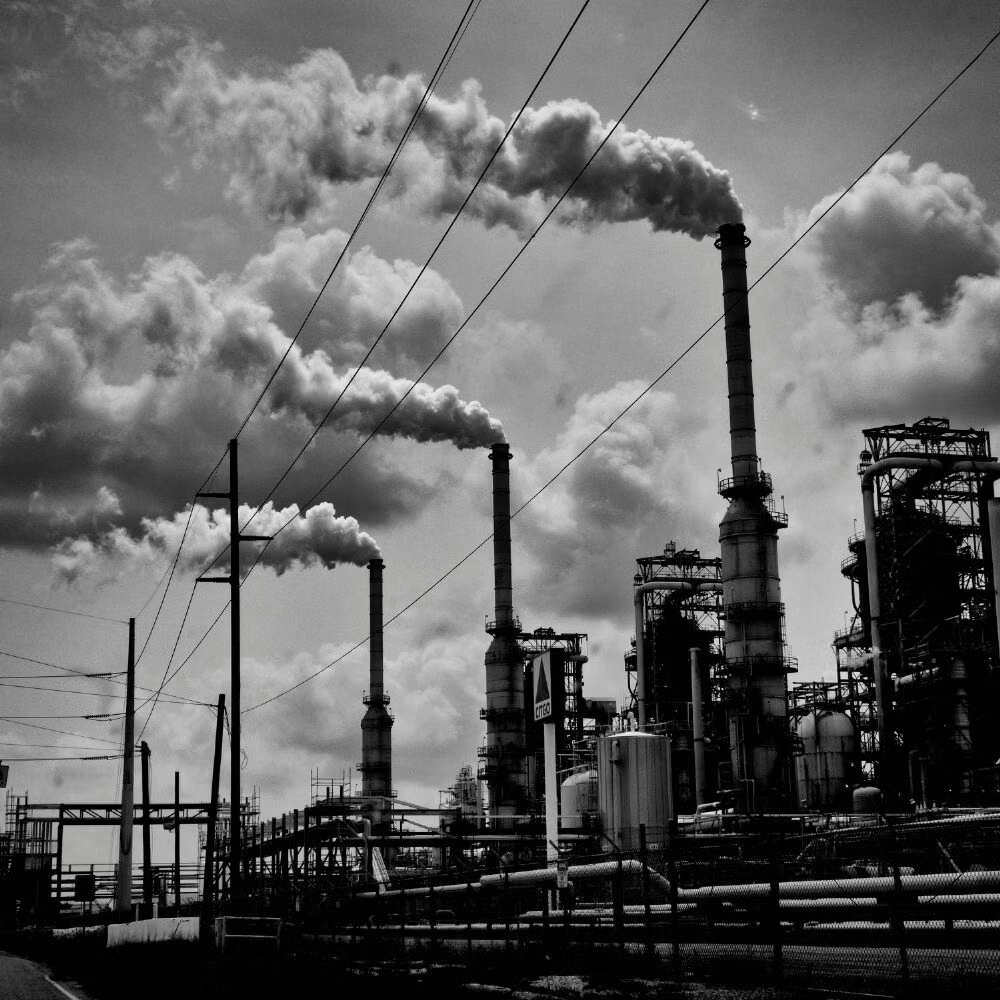
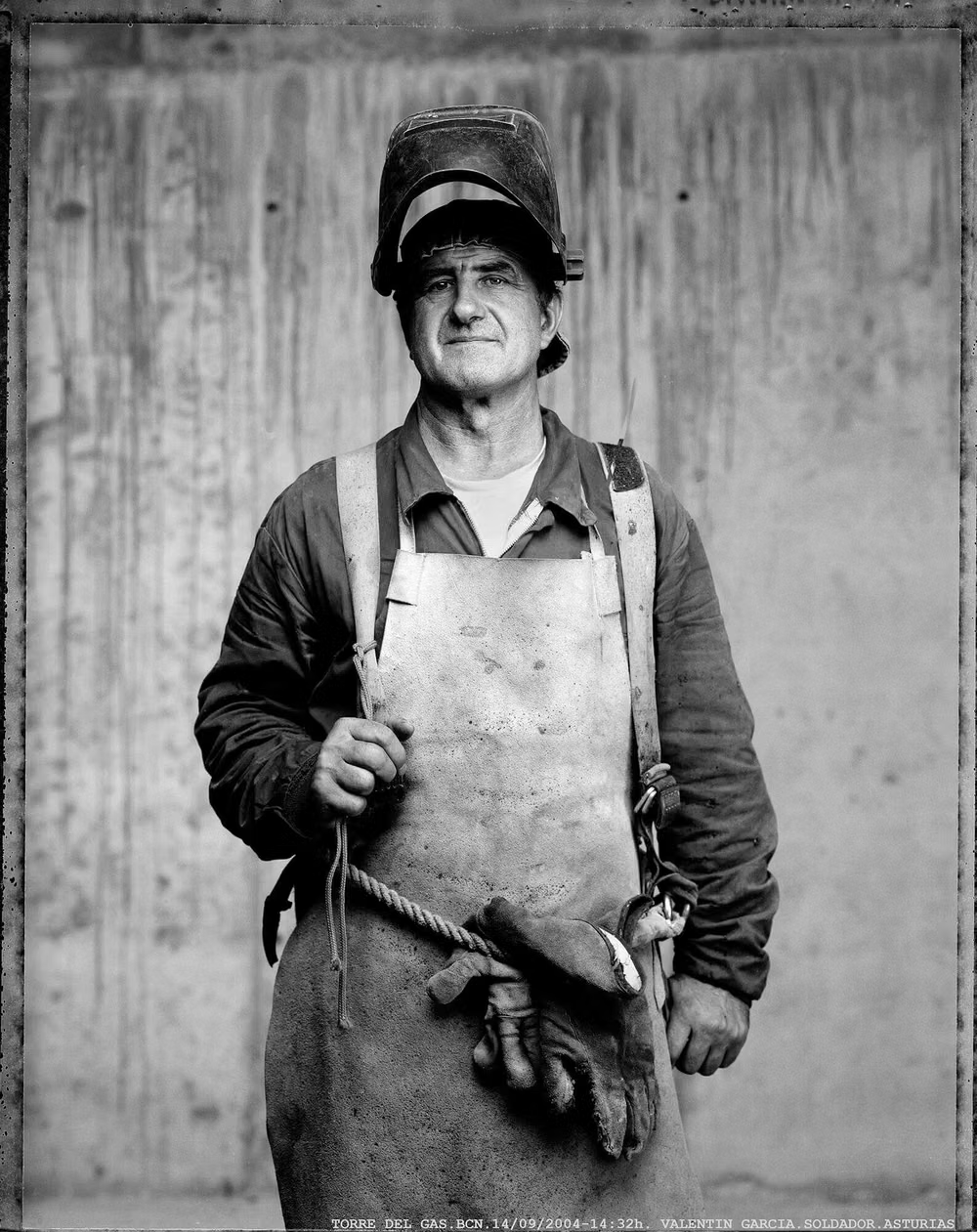
Moodboard and visual references
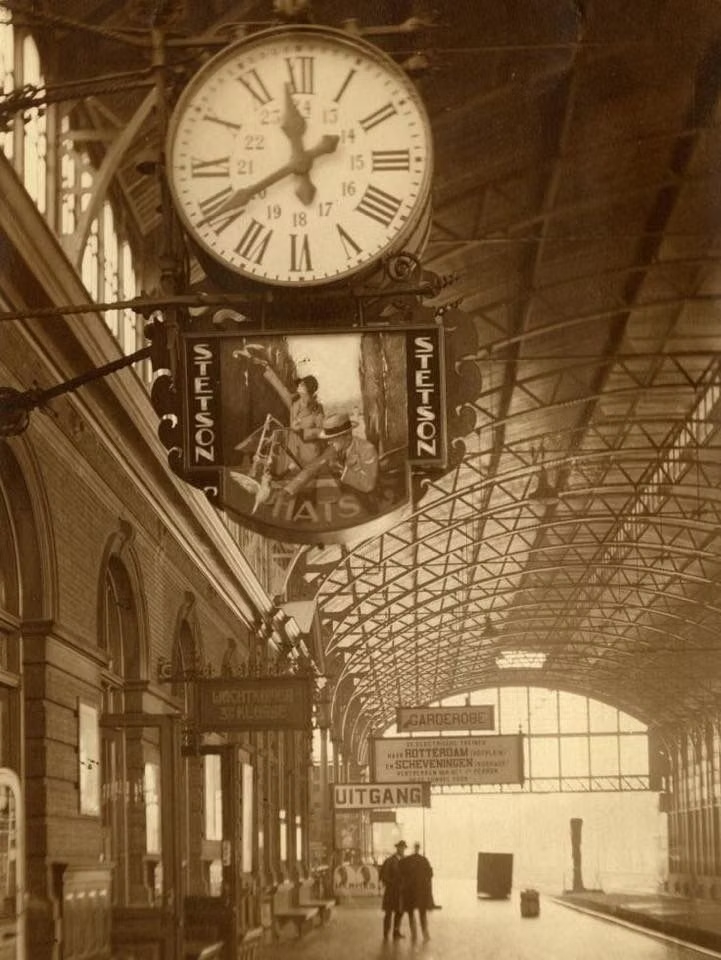
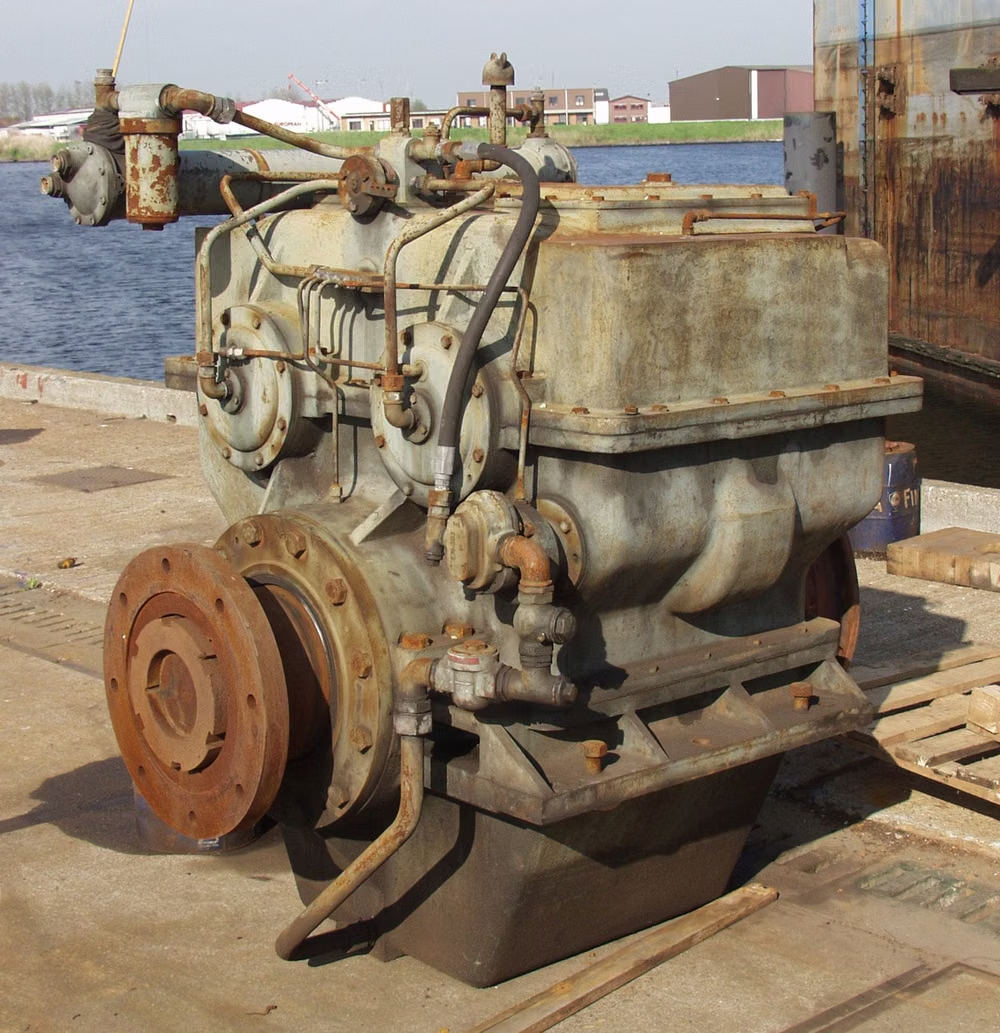
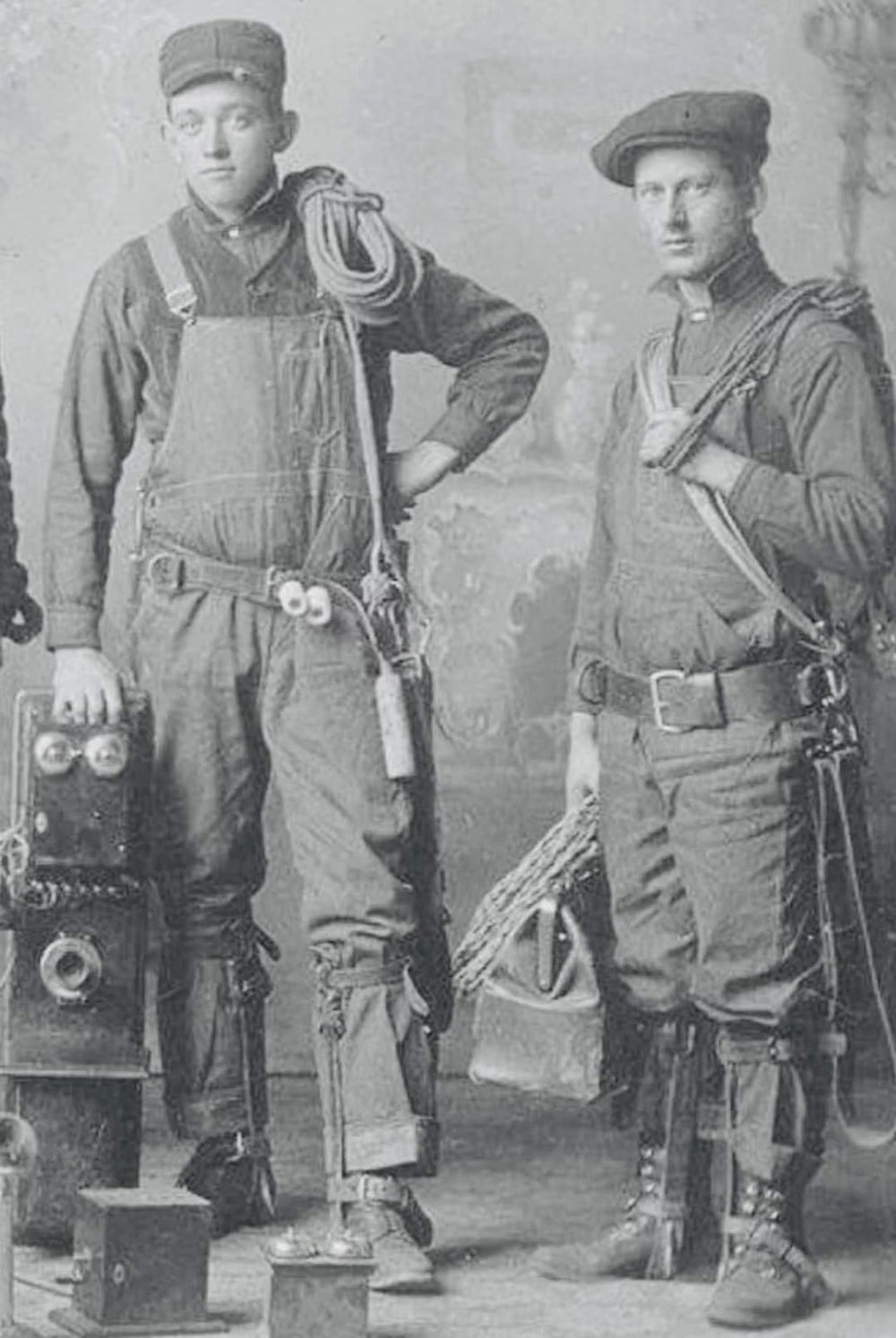
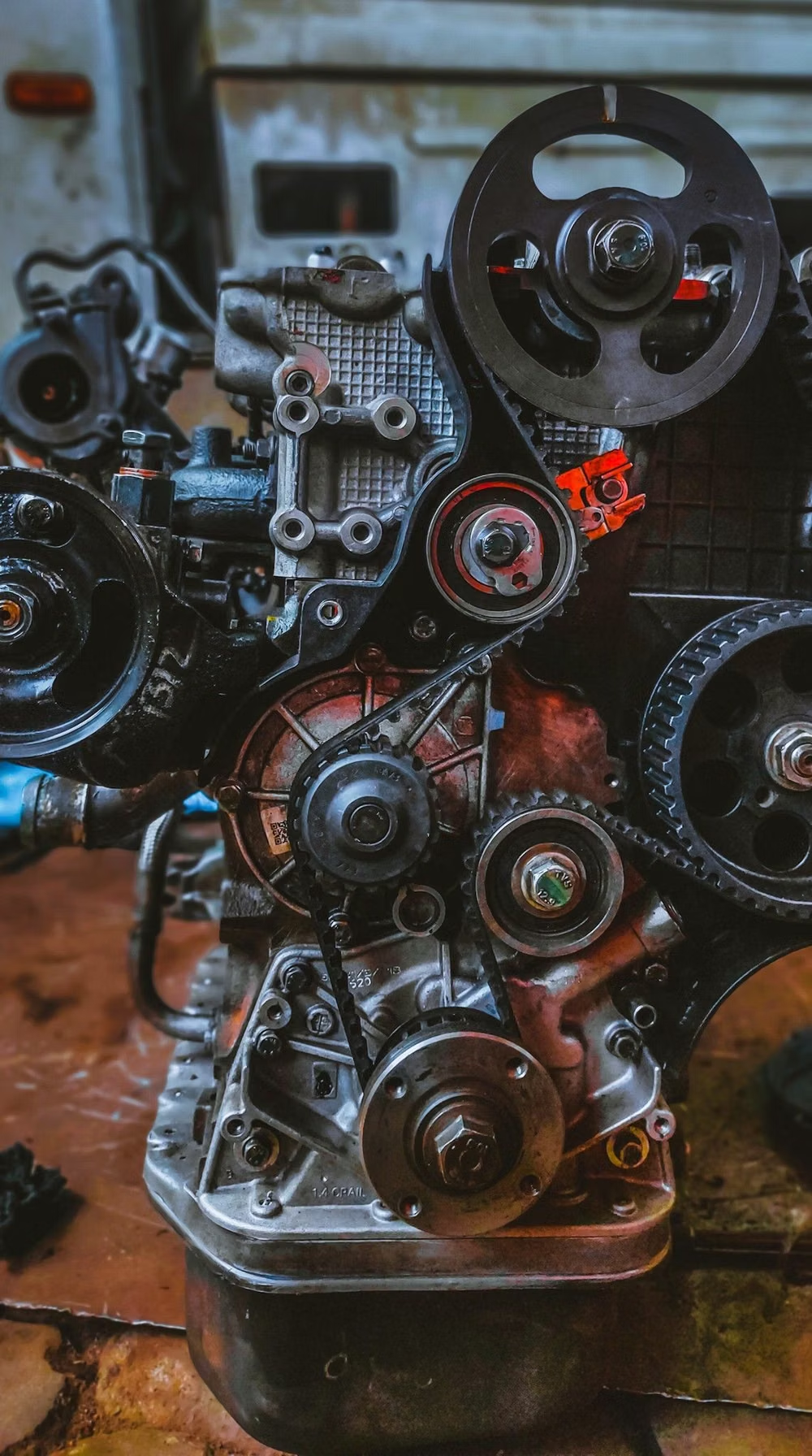
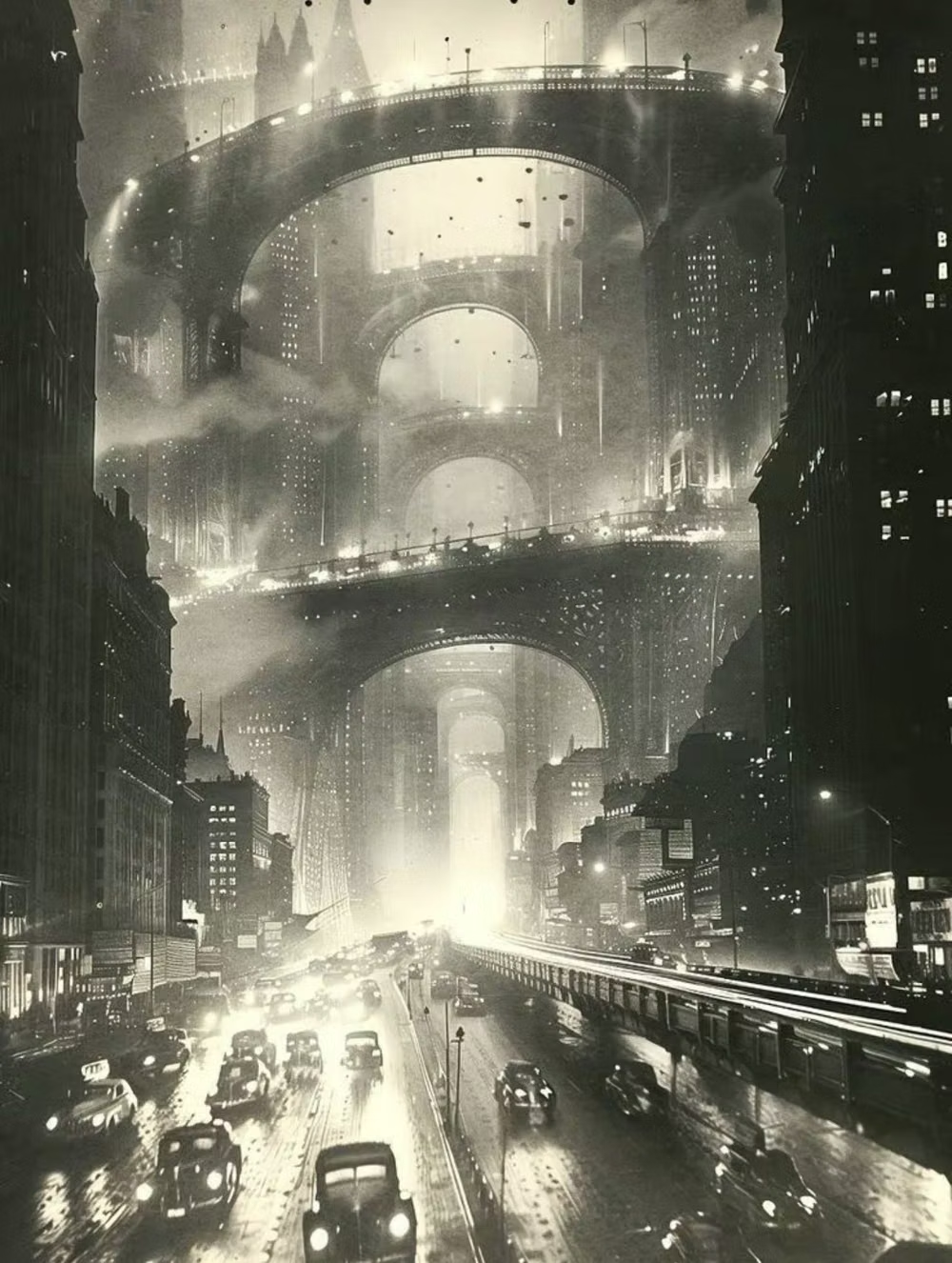
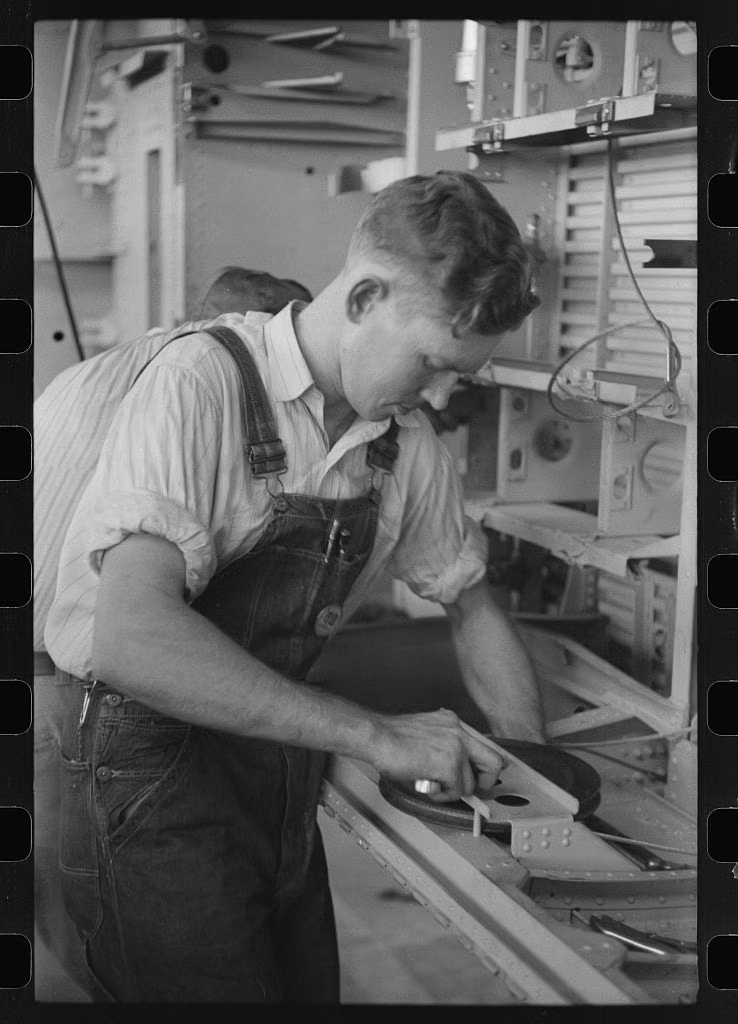
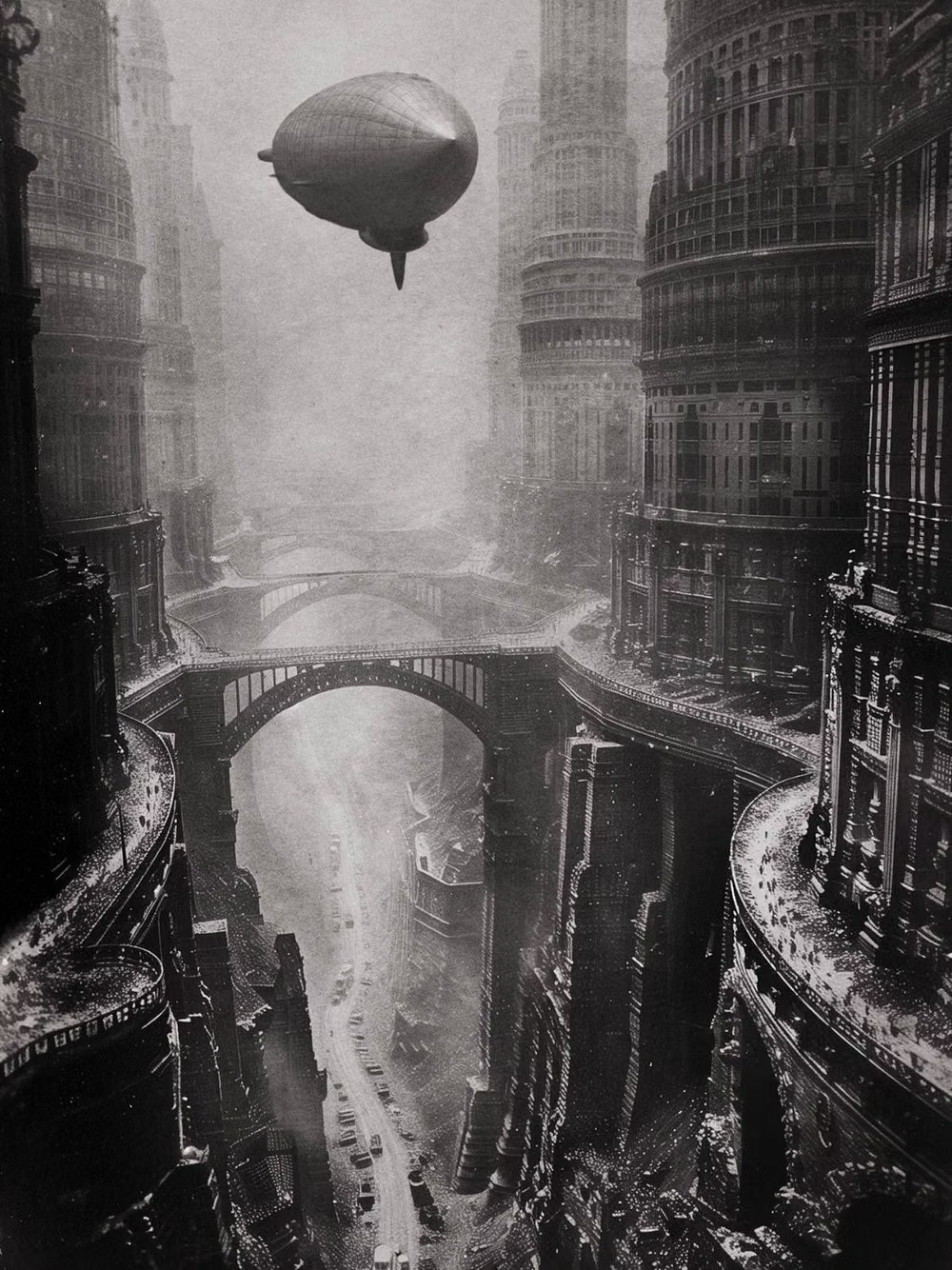
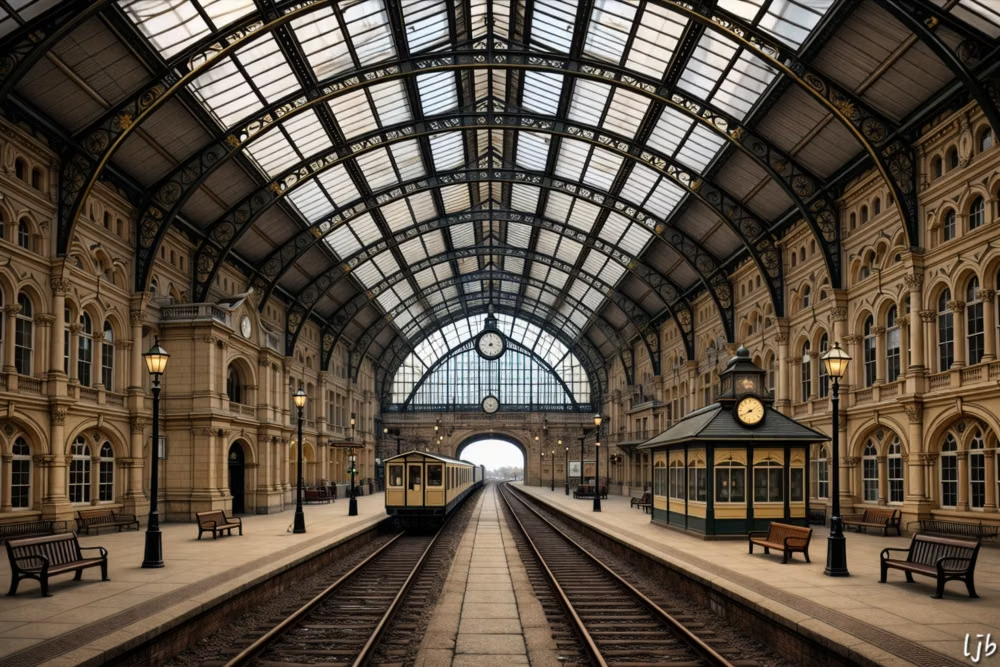
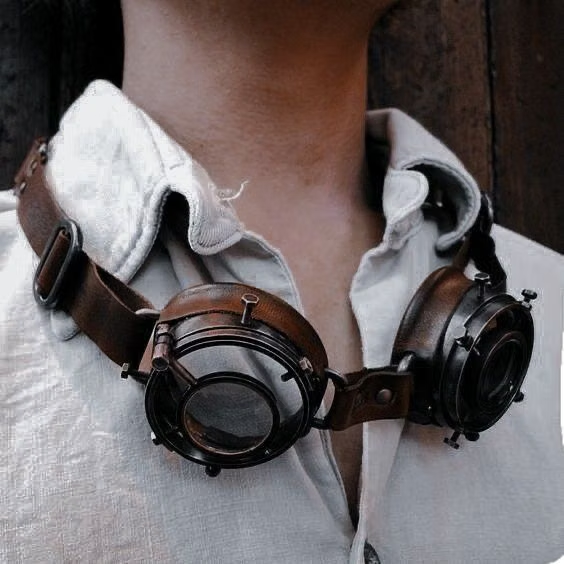
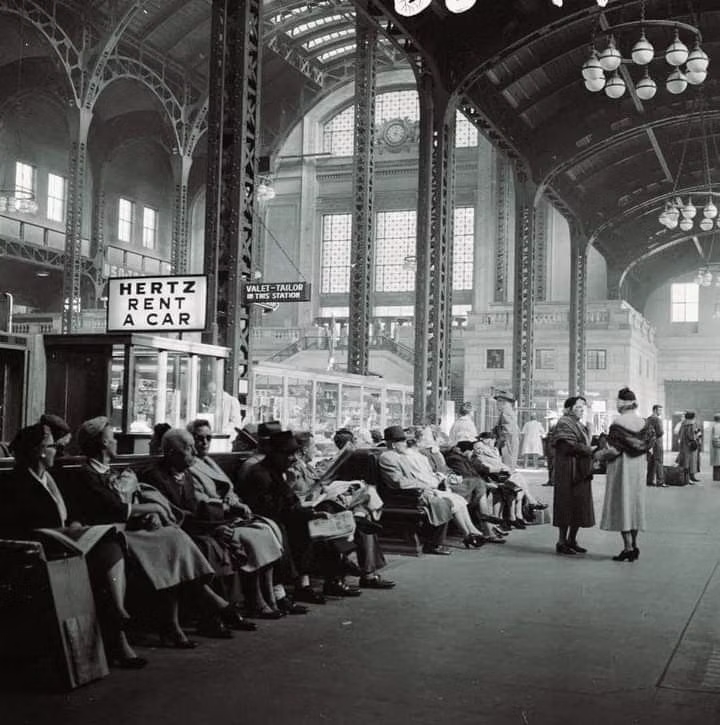
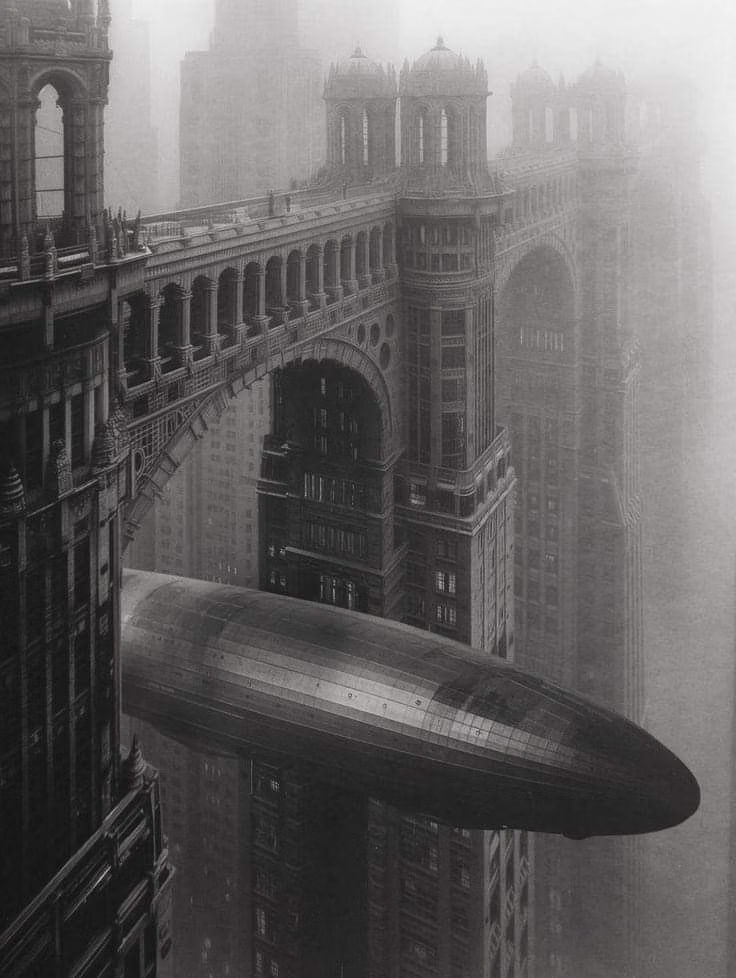
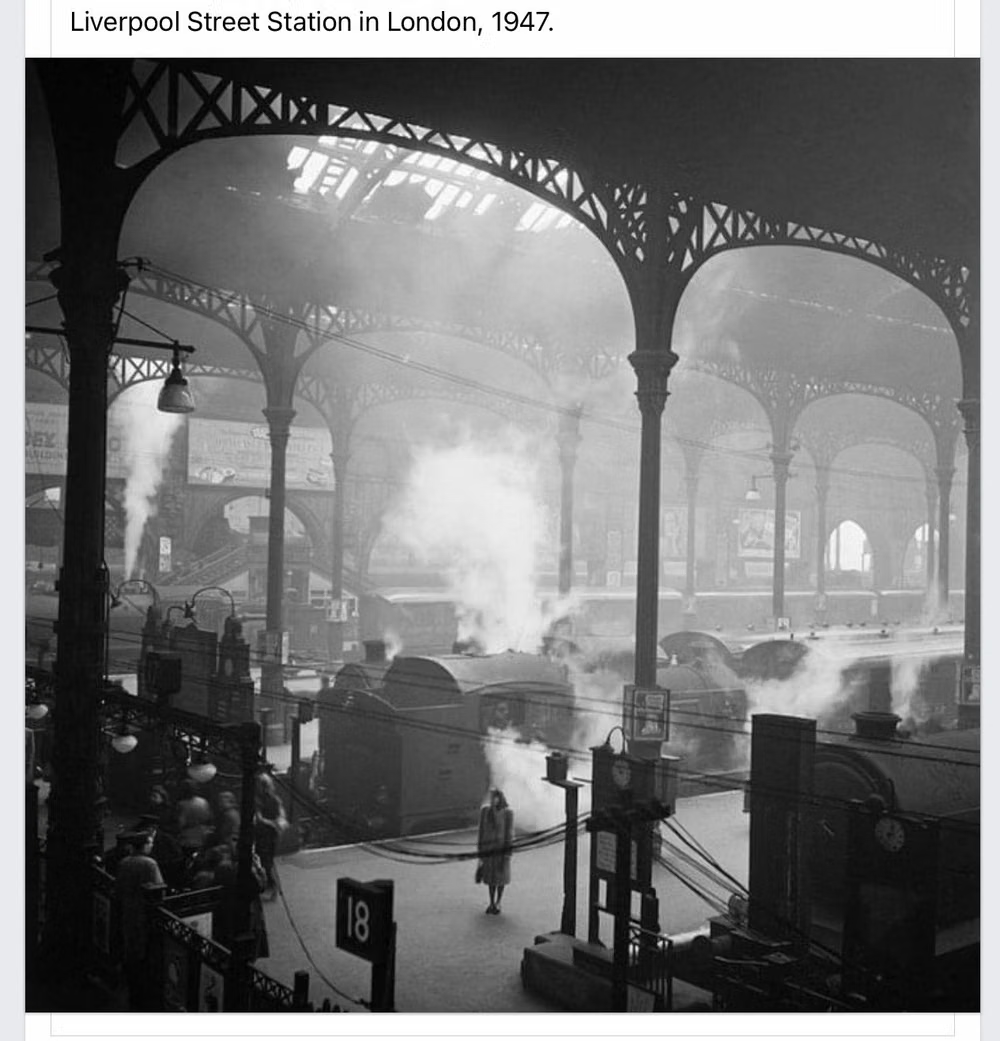
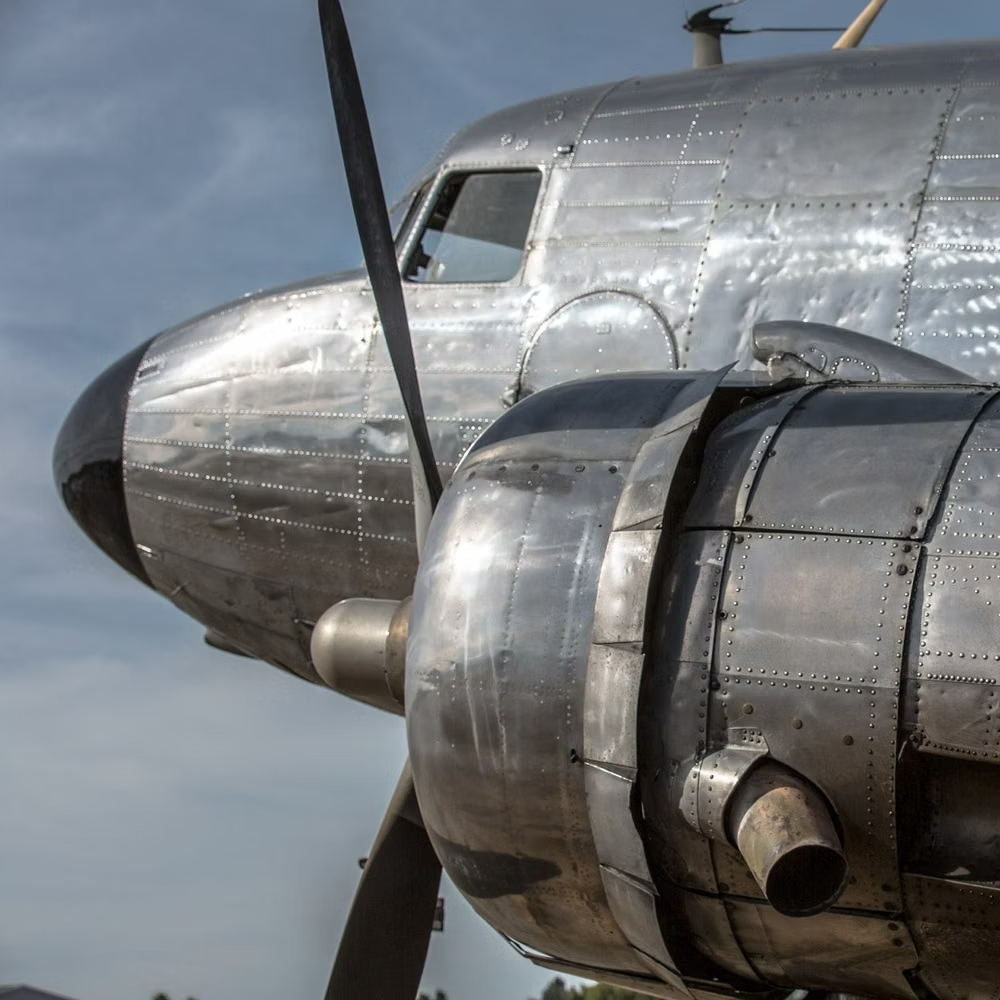
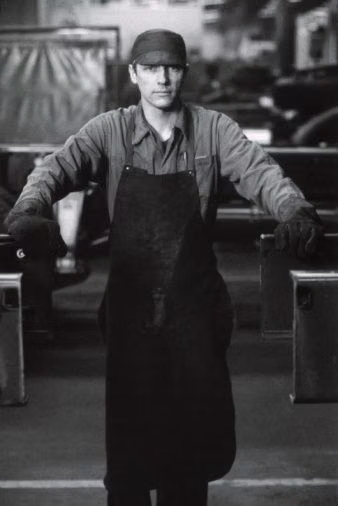
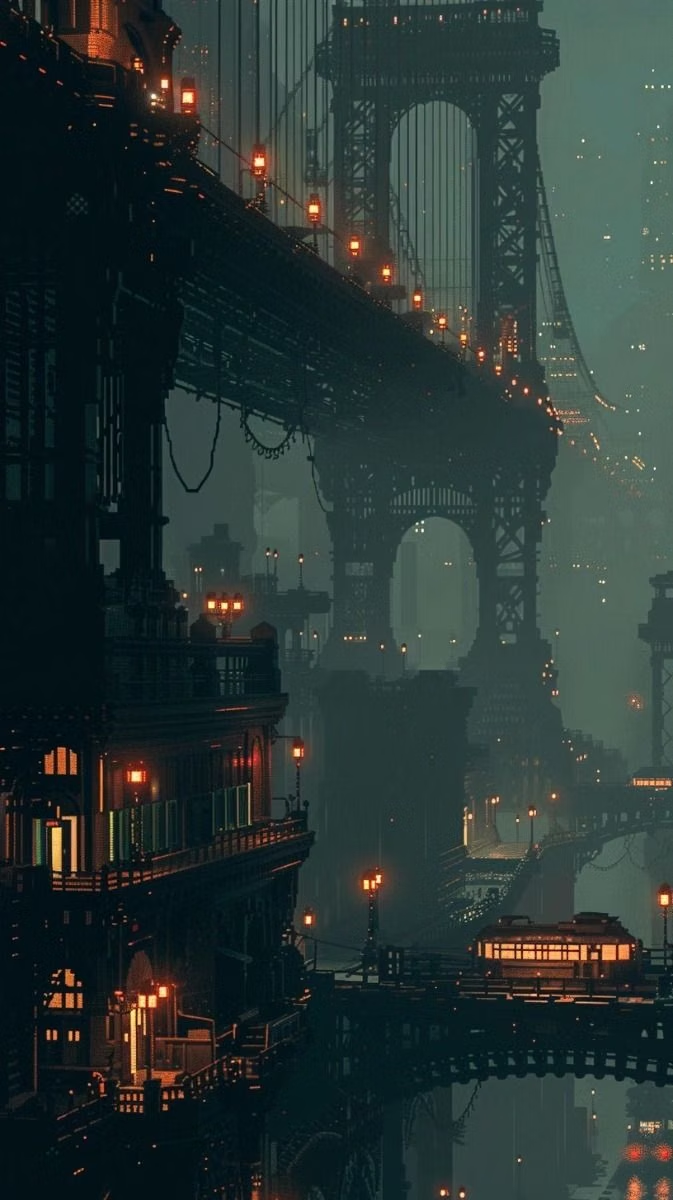
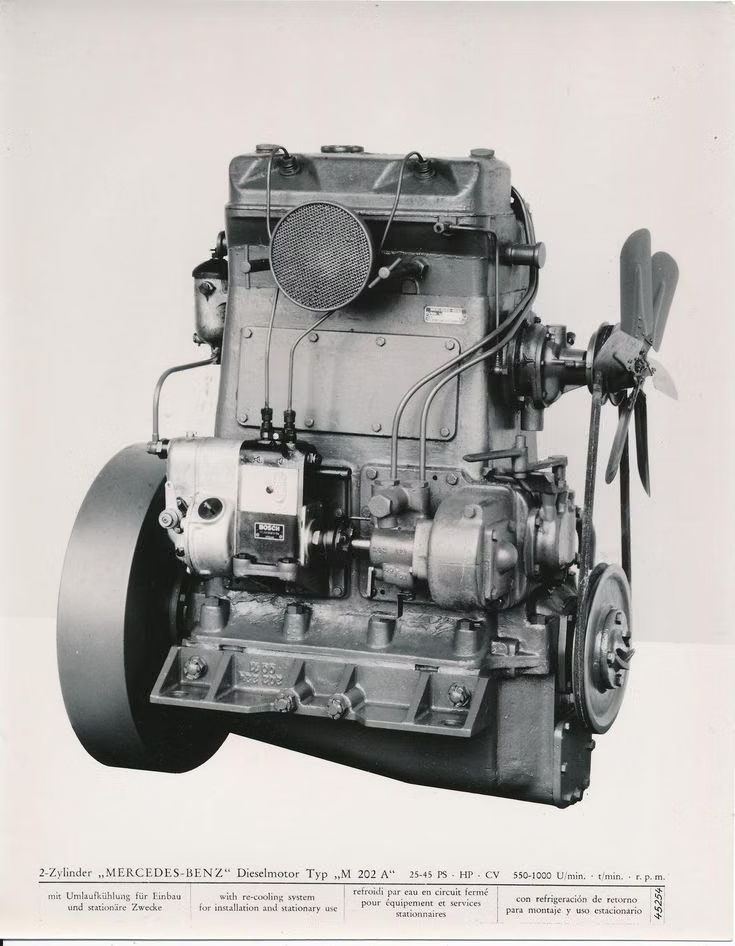
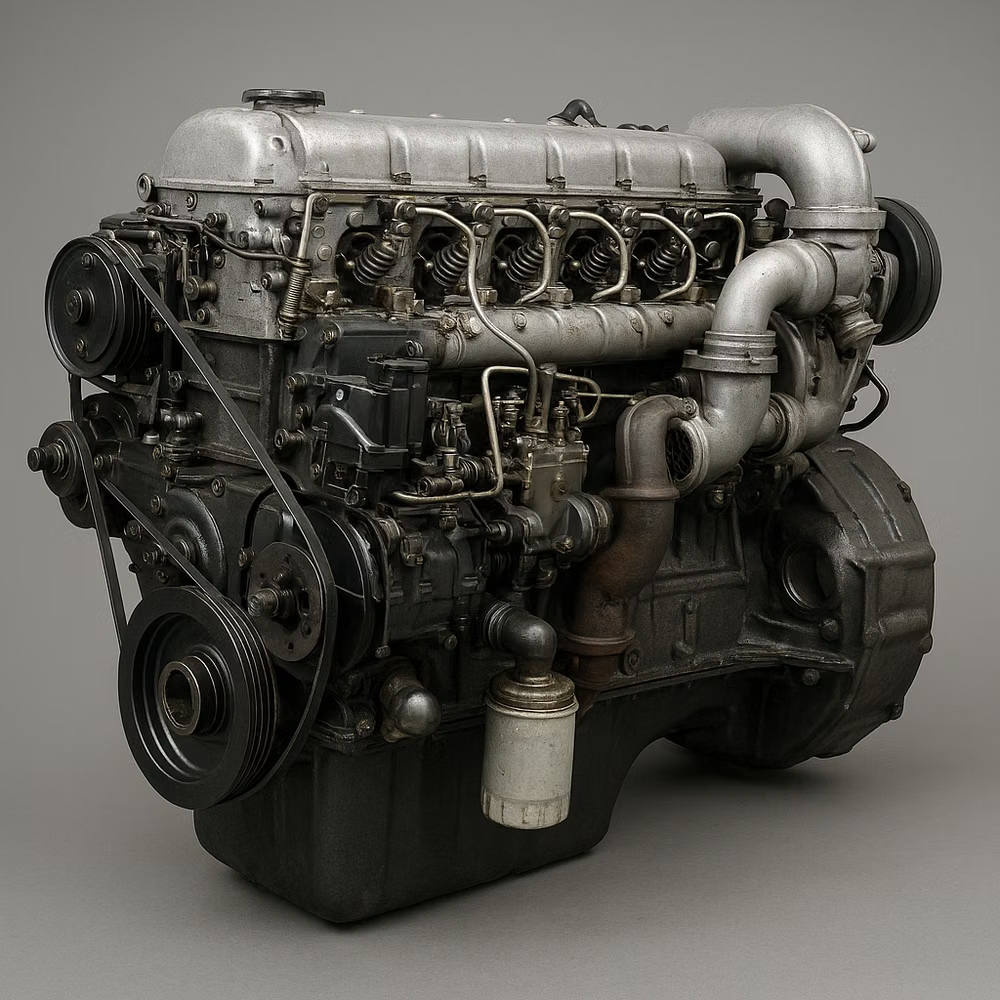
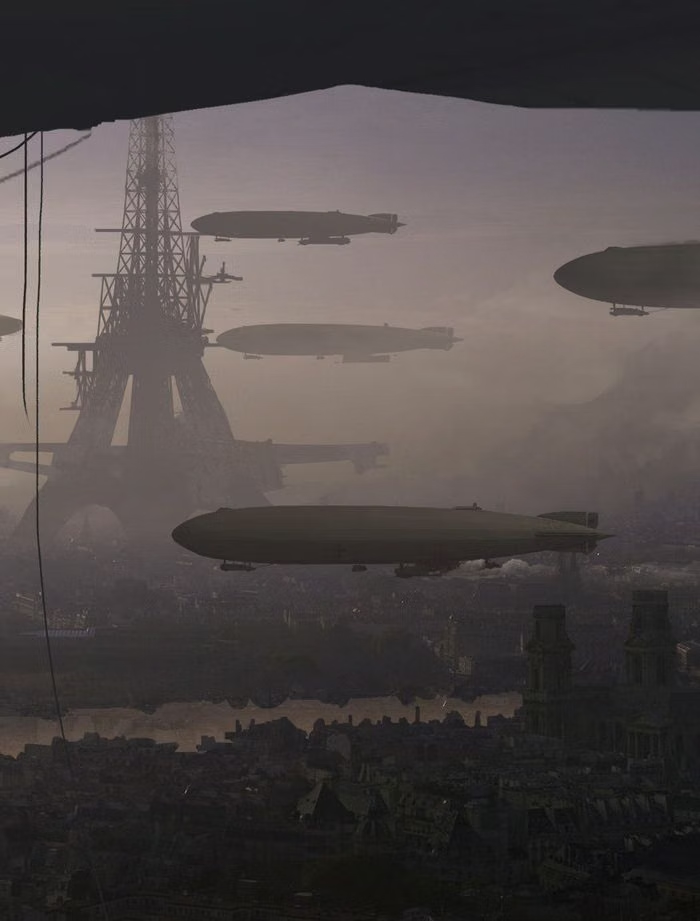
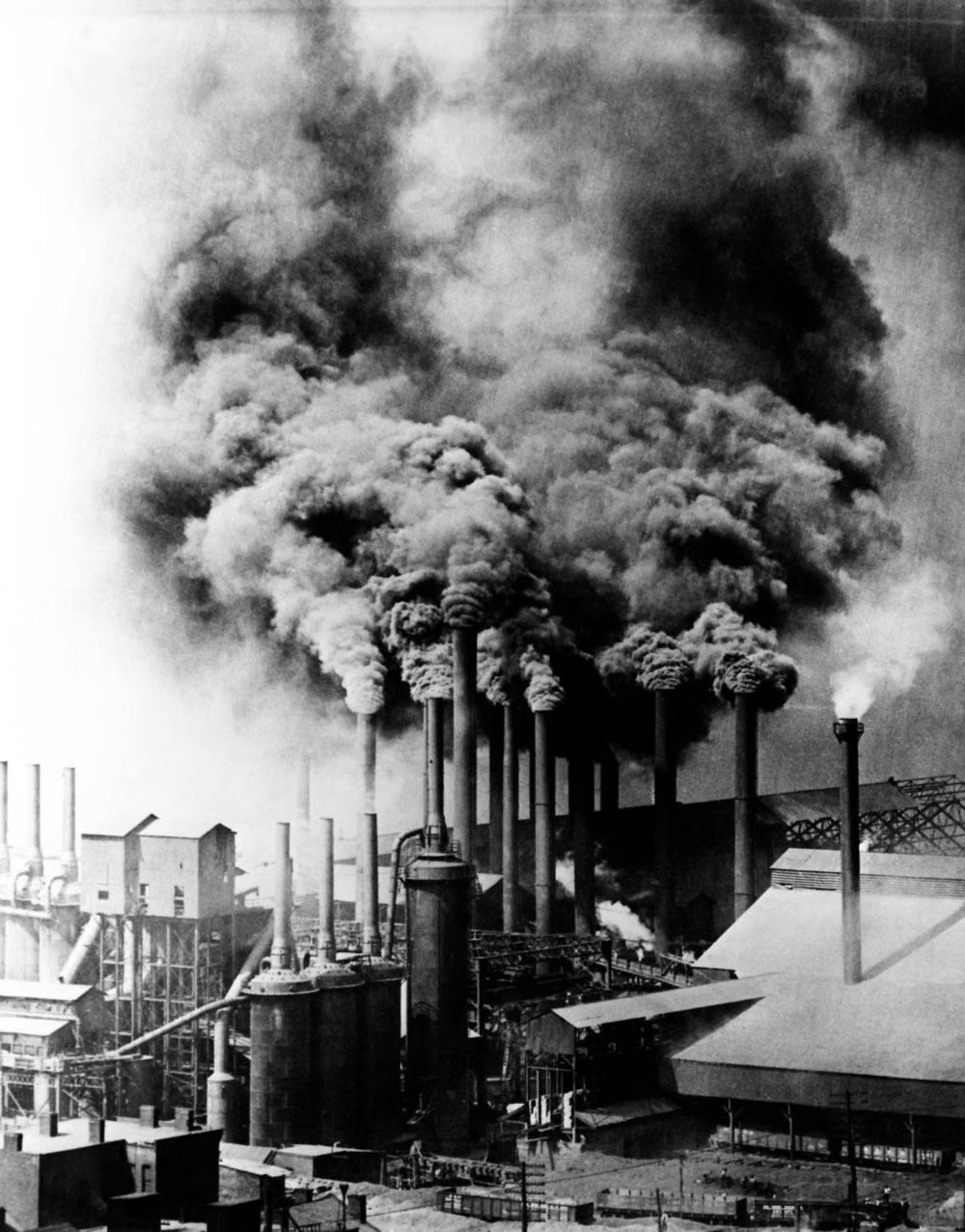
A visual study of the forms, inspirations, materials, colors, type, and cultural references associated with this UI design style.

Design principles and implementation
Use these principles to write a focused AI UI design prompt instead of asking for a vague visual treatment.
Color direction
Use soot black, steel gray, khaki, rust, faded cream, and warning red with oily highlights and low ambient brightness. In a daisyUI theme, use warning red or rust for `primary`, khaki or worn steel for `secondary`, and set `base-100`, `base-200`, and `base-300` to steel gray, charcoal, and soot black.
Imagery direction
Choose riveted vehicles, factories, engines, uniforms, propaganda print, smoke, searchlights, and monumental interwar architecture.
Content density
Maintain high functional density in instrument or mission areas, offset by large cinematic machinery crops and blunt declarative messages. Use the `*-sm` size variants for daisyUI components to preserve this compact working density.
Motion direction
Use piston movement, stamped labels, heavy shutter wipes, vibrating engines, searchlight sweeps, and forceful mechanical state changes.
Shape language
Favor riveted angular plates, armored windows, stencil blocks, vents, gauges, and thick structural braces with worn edges. In daisyUI themes, set the `--radius-*` variables to `0` or `0.25rem`.
Typography rules
Use condensed industrial sans-serif, military stencil, and tabular instrument type, reserving propaganda-style capitals for major commands or chapter titles.
Suggested Typfaces
Black Ops One
Fresh daisies glow in warm sunlight
Fresh daisies glow in warm sunlight
1 2 3 4 5 6 7 8 9 0
Oswald
Fresh daisies glow in warm sunlight
Fresh daisies glow in warm sunlight
1 2 3 4 5 6 7 8 9 0
Teko
Fresh daisies glow in warm sunlight
Fresh daisies glow in warm sunlight
1 2 3 4 5 6 7 8 9 0
Staatliches
Fresh daisies glow in warm sunlight
Fresh daisies glow in warm sunlight
1 2 3 4 5 6 7 8 9 0
Special Elite
Fresh daisies glow in warm sunlight
Fresh daisies glow in warm sunlight
1 2 3 4 5 6 7 8 9 0
Build a Dieselpunk interface with daisyUI
The live example translates this direction into daisyUI components and semantic theme tokens.
To generate a full page in the same visual language, give the style name and the design rules above to Blueprint MCP.
Related UI design styles
Compare nearby visual languages that share typography, shapes, use cases, or signature elements.
UrBling UI design style
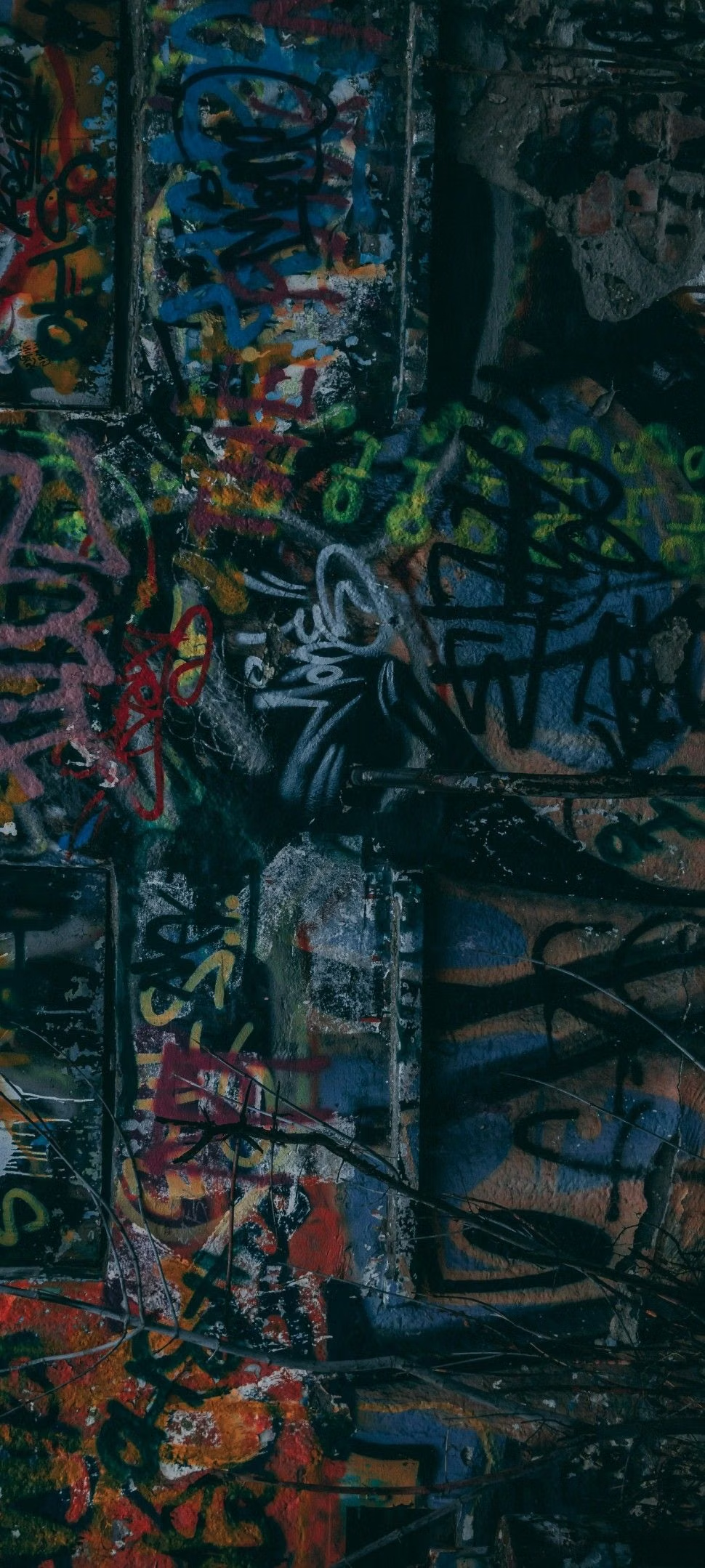
Also called Urban Grunge, this late-1990s and mid-2000s commercial style fuses hip-hop and street imagery with grunge, graffiti, Kustom Kulture motifs, and maximal urban branding while downplaying McBling luxury.
Steampunk UI design style
A hyper-skeuomorphic Victorian machine aesthetic turns the interface into a worn, theatrical artifact built from brass, iron, leather, parchment, glass, and enamel.
Grunge UI design style
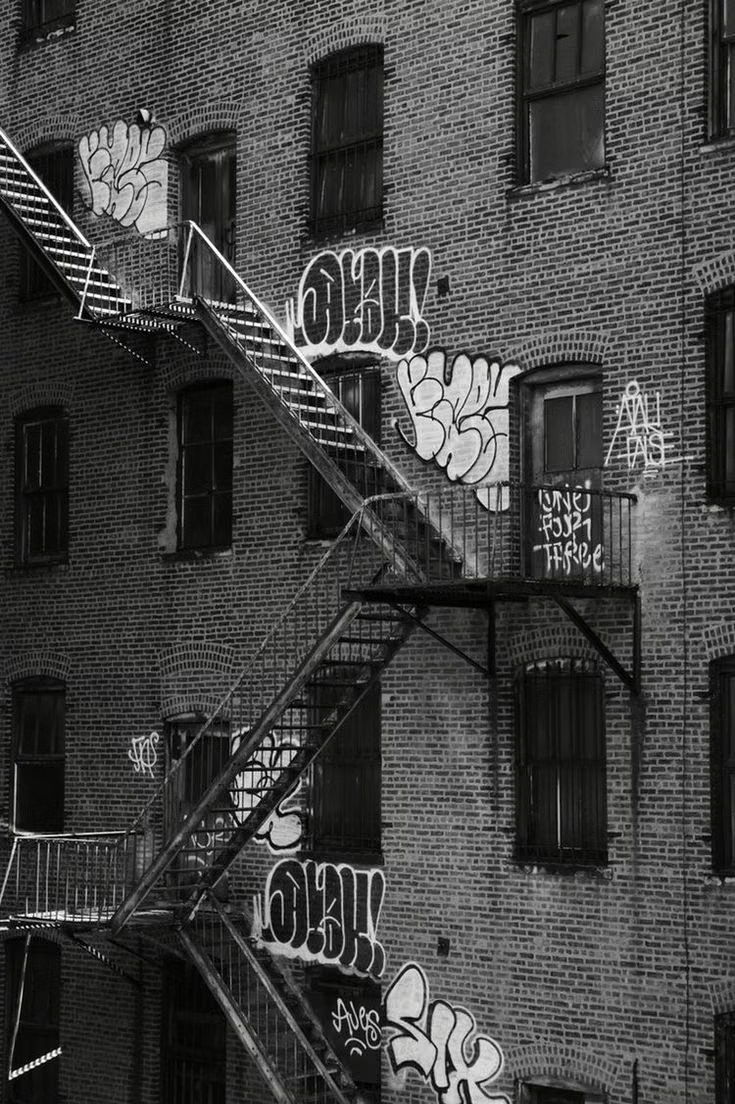
Distressed type, scratches, stains, rough textures, muted or dirty color, and irregular layering create worn intensity.