Cybercore UI design style
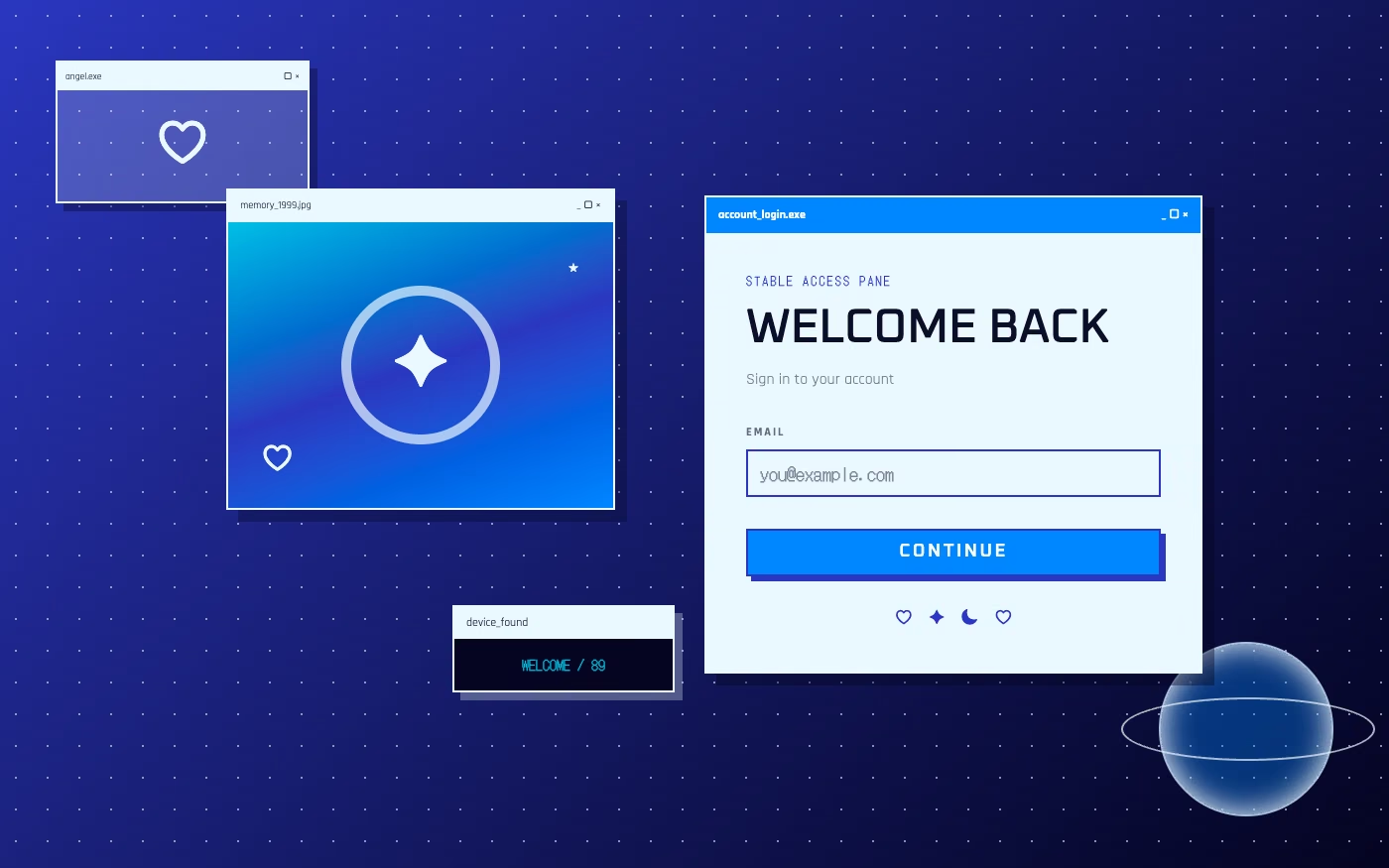
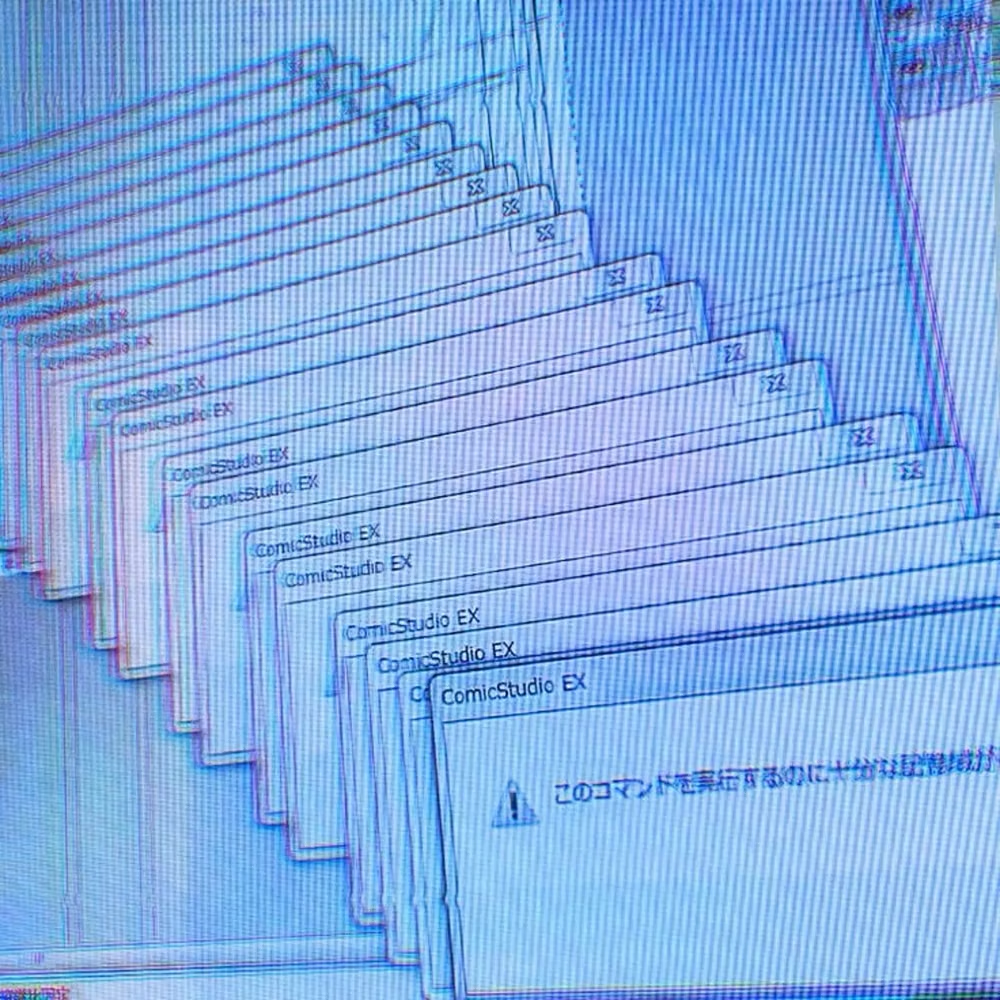
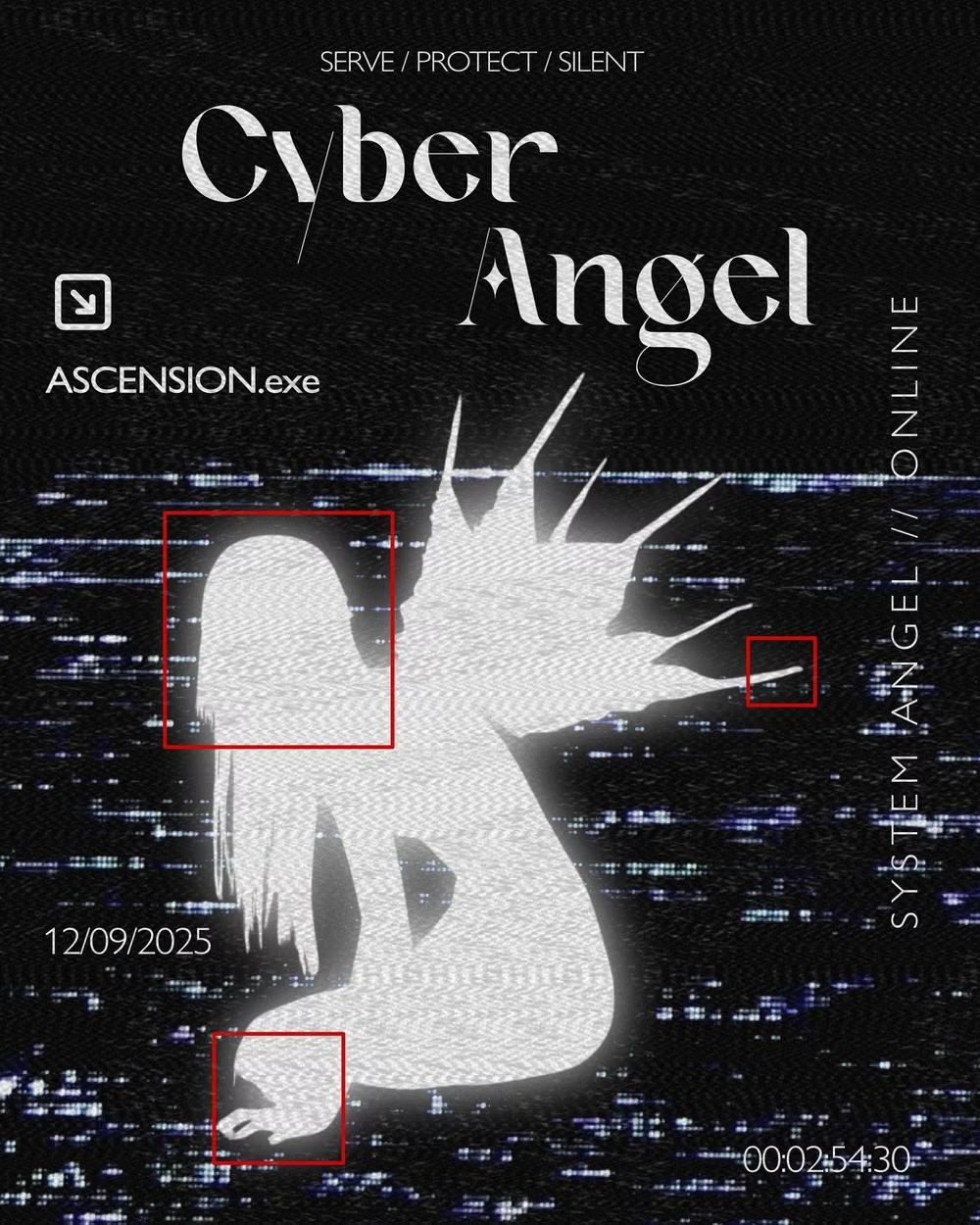
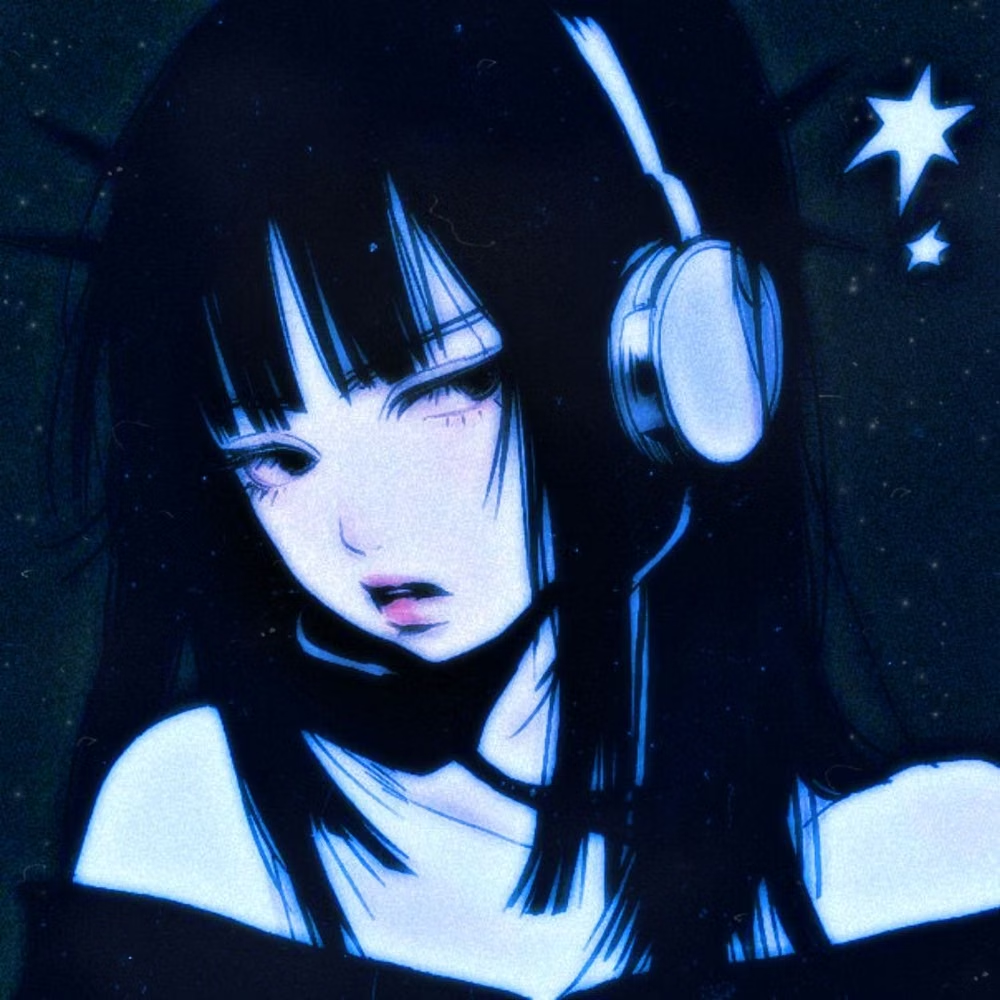
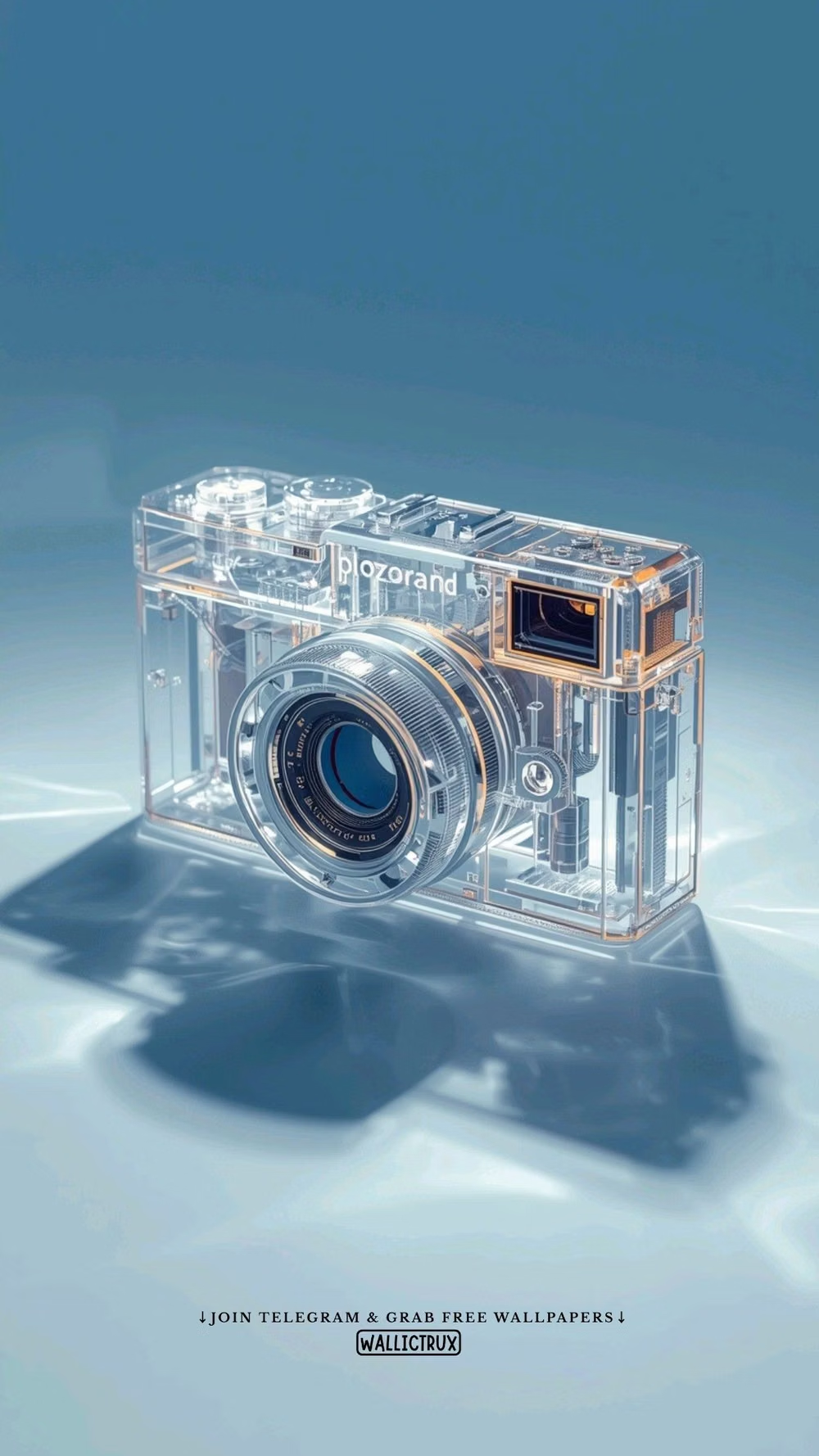
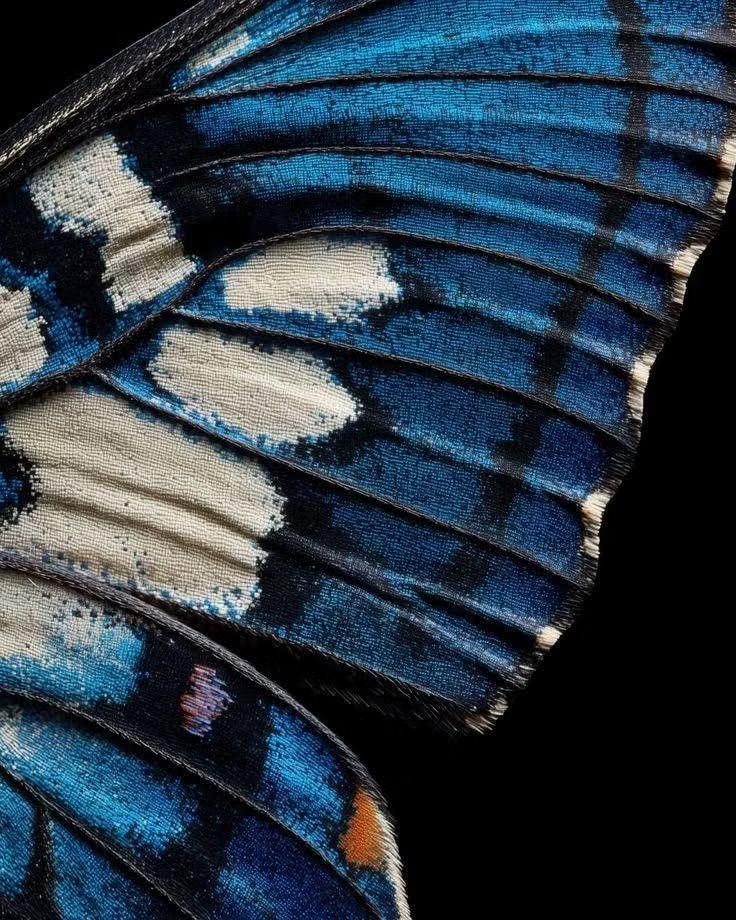
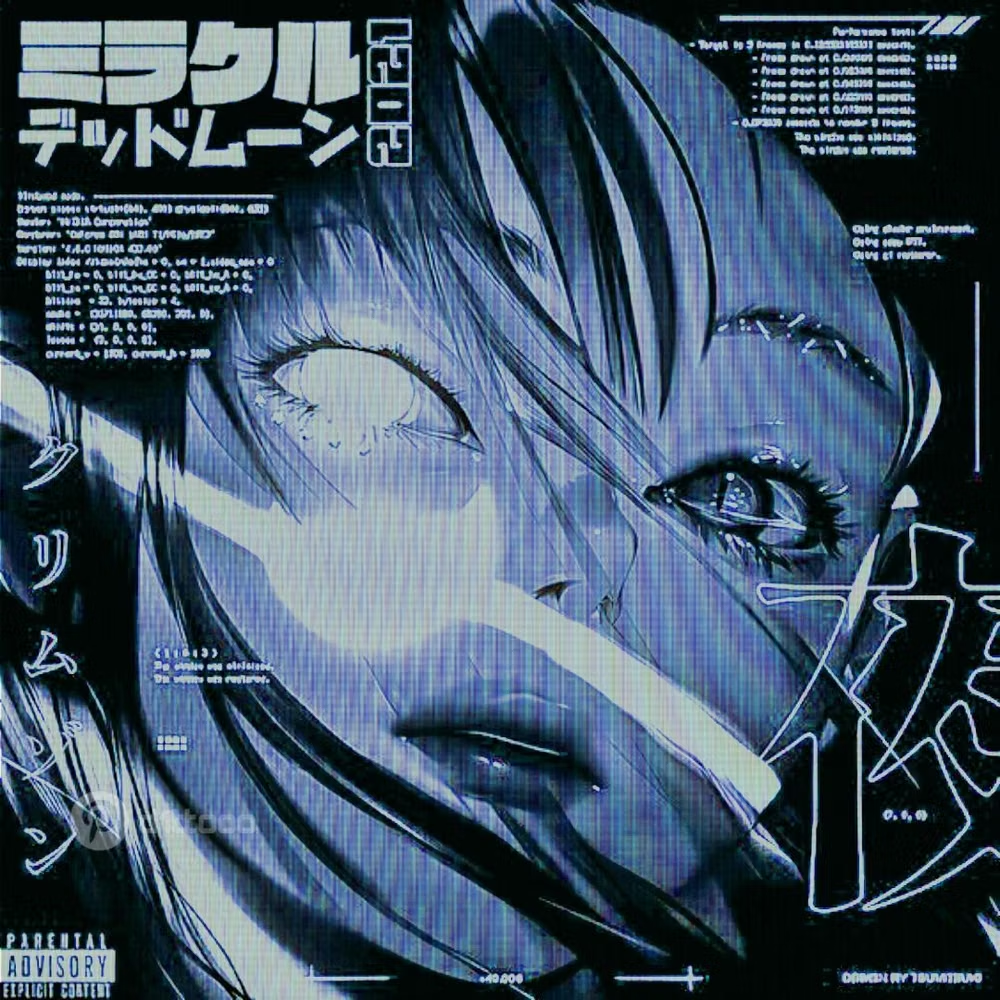
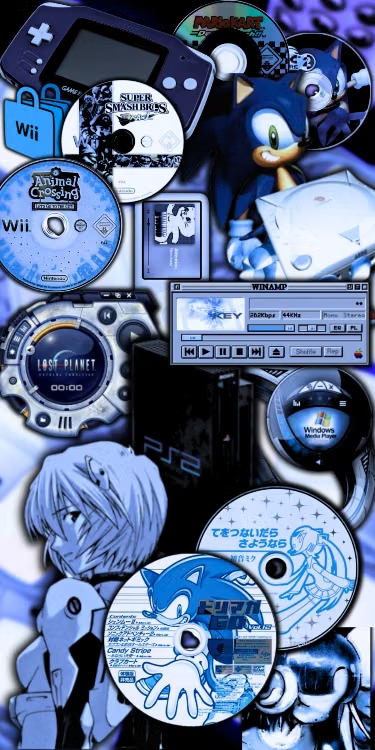
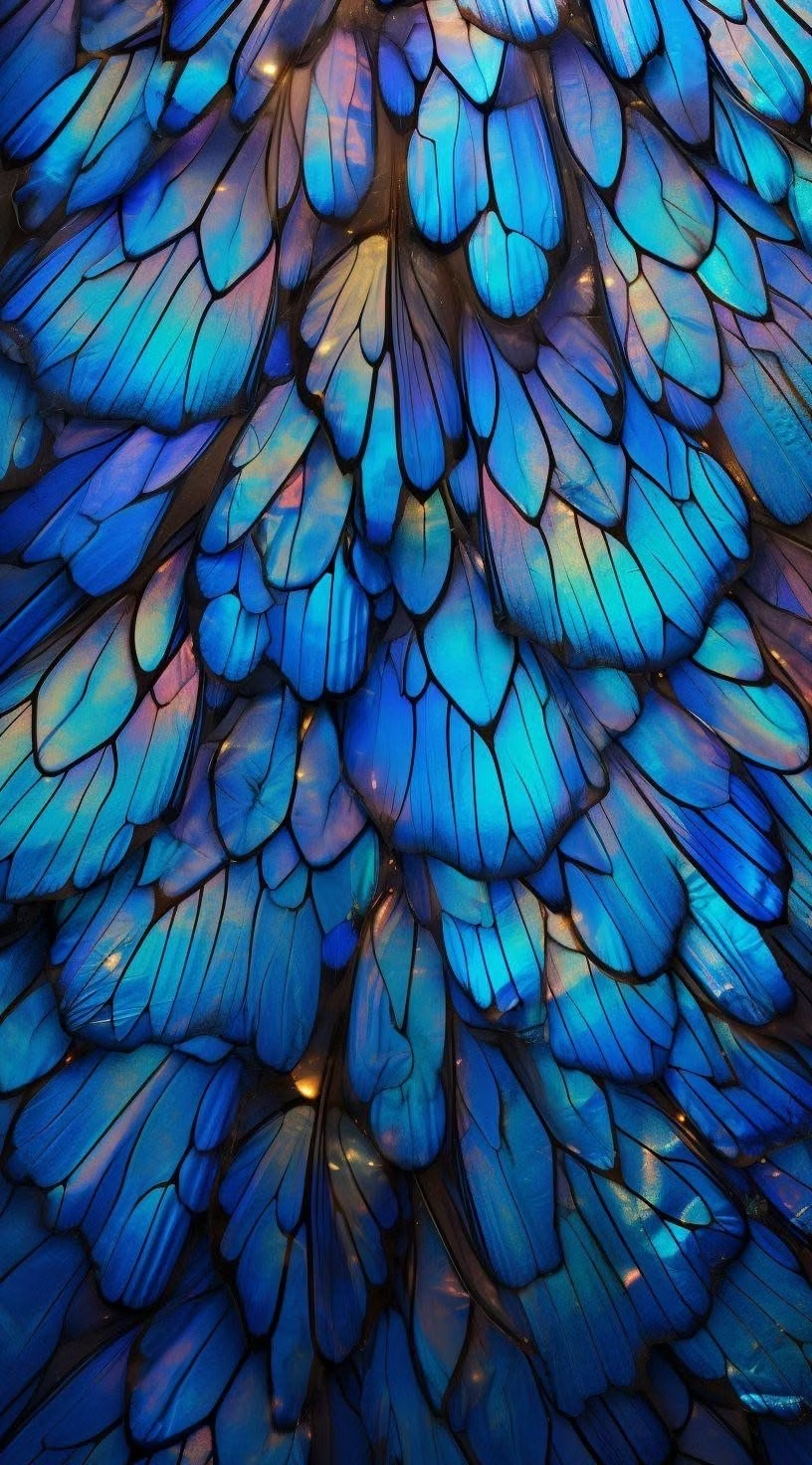
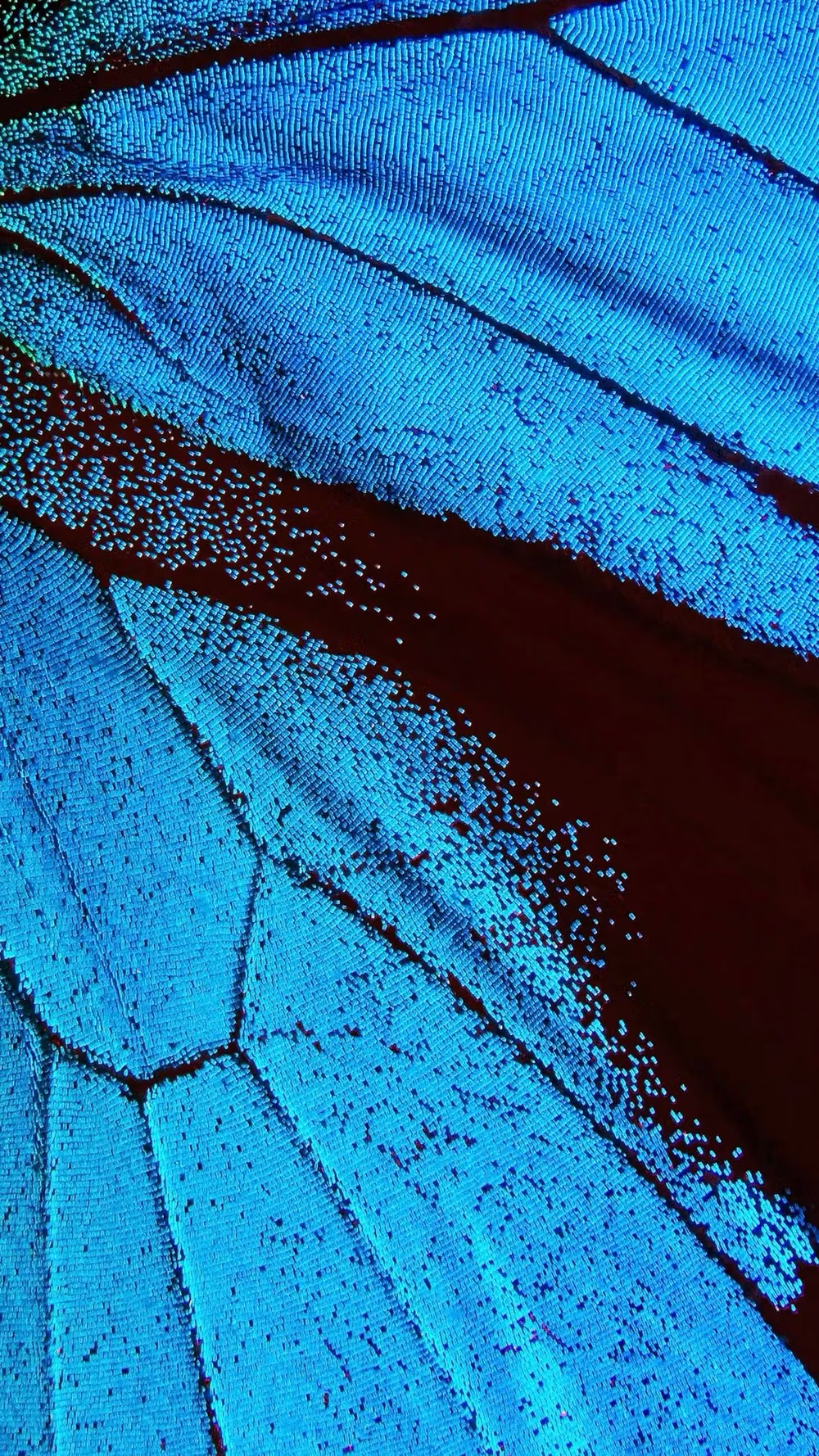
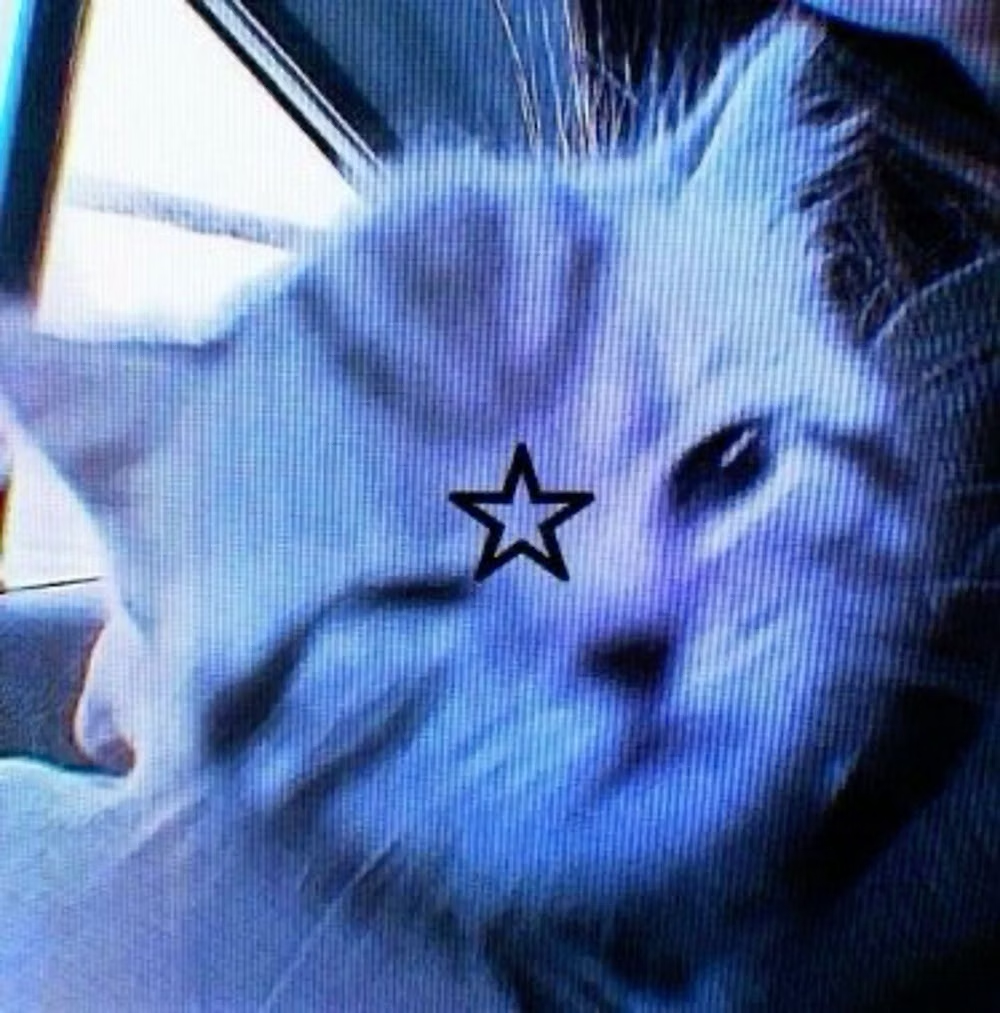
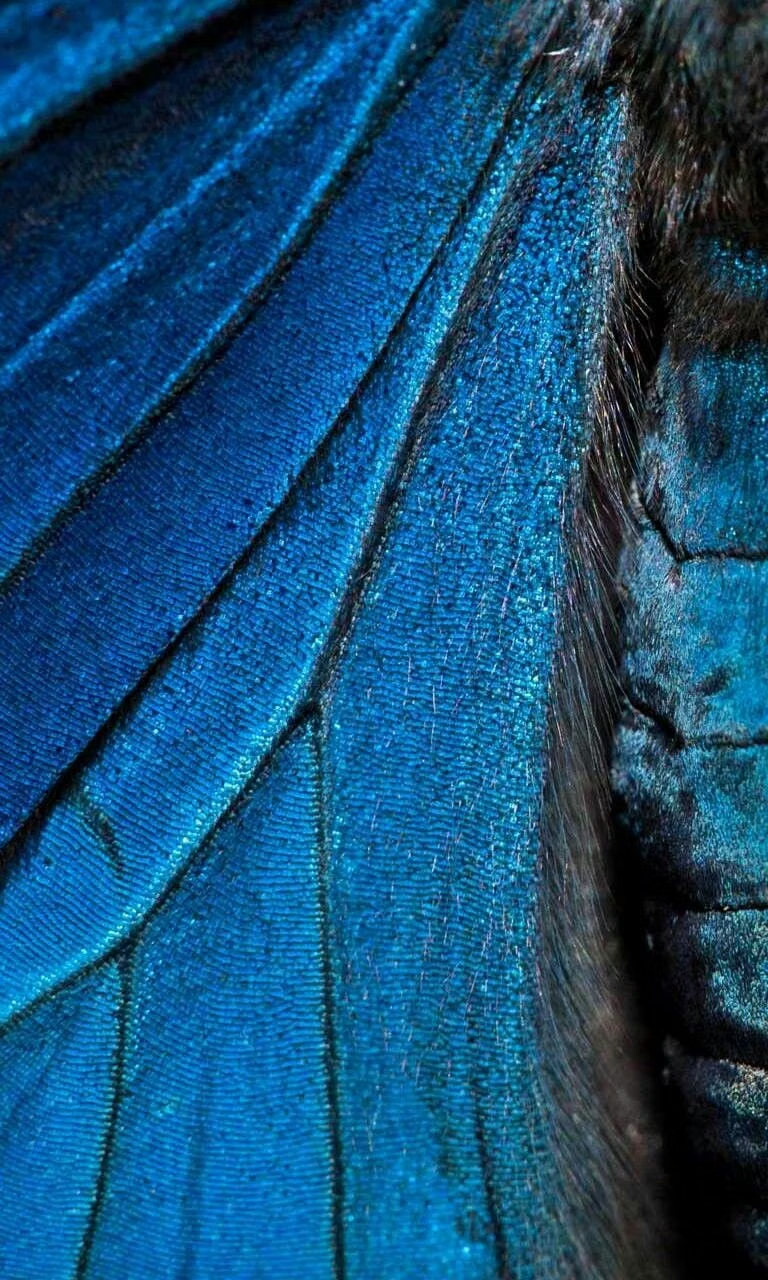
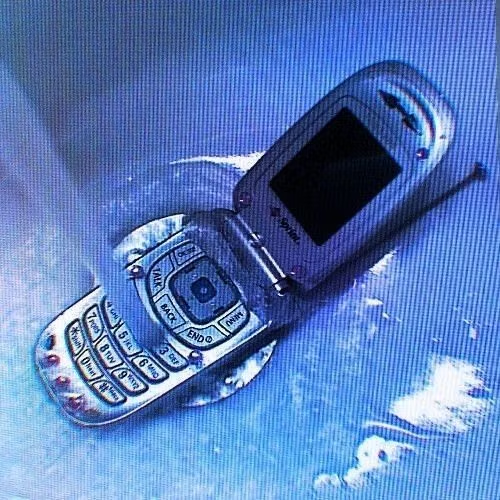
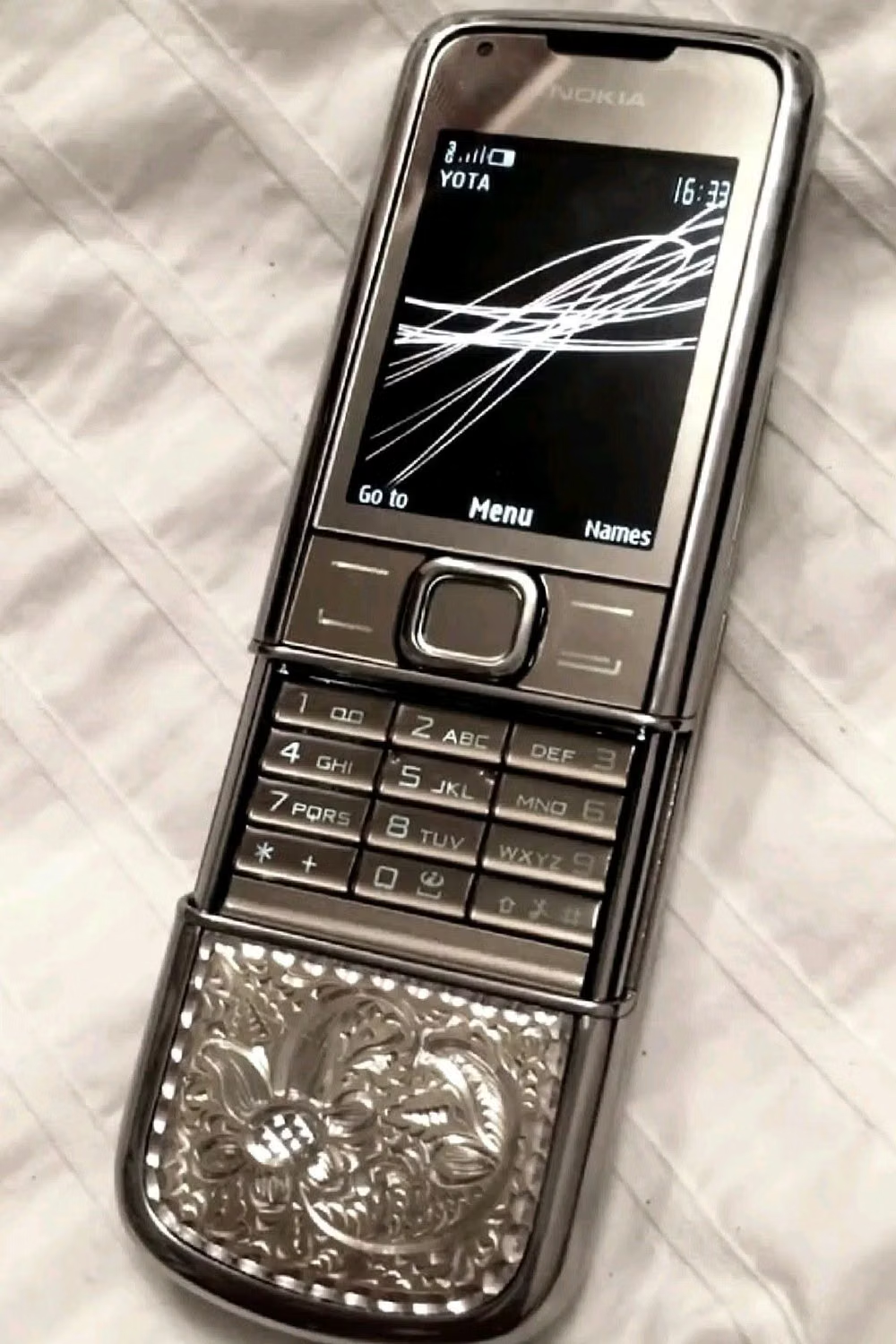
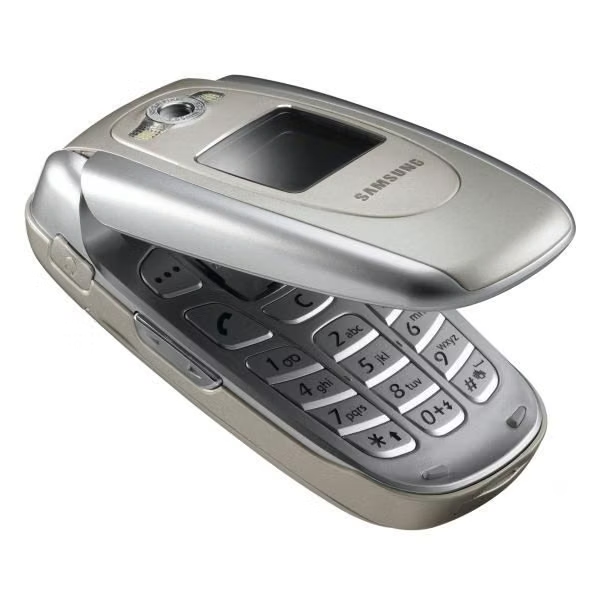
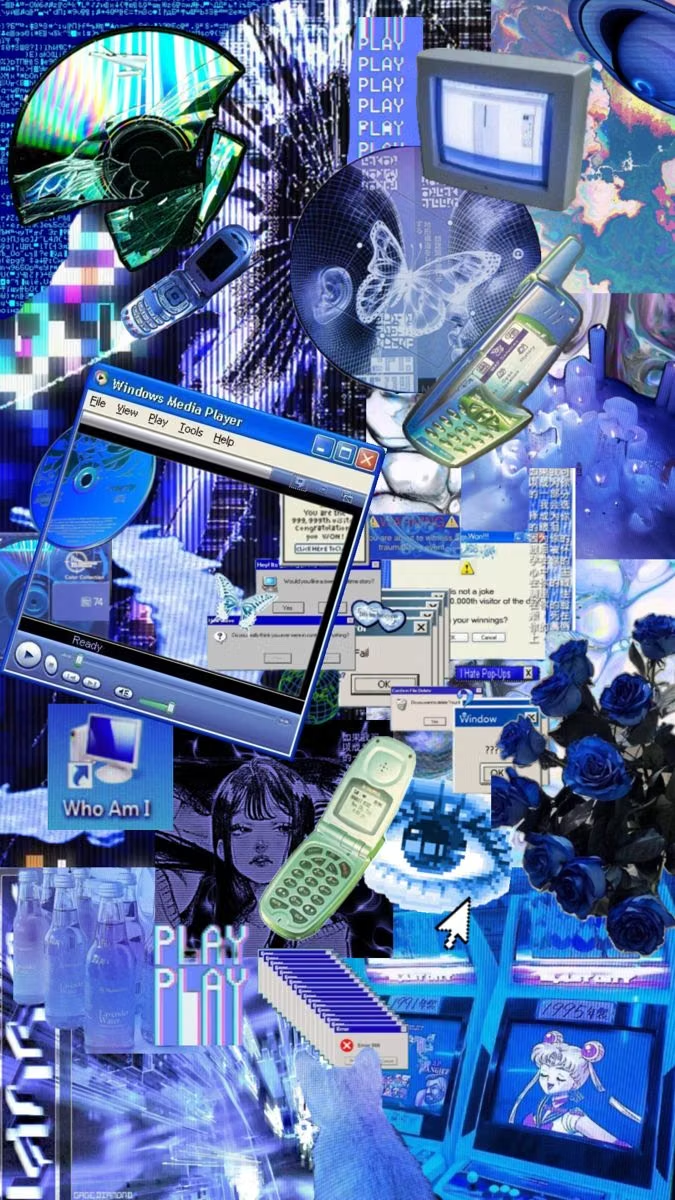
A 2020s nostalgic remix of late-1990s and early-2000s digital culture combines saturated blue and silver with retro anime, obsolete devices, legacy software, and ethereal celestial symbolism.
Design overview
- Signature elements
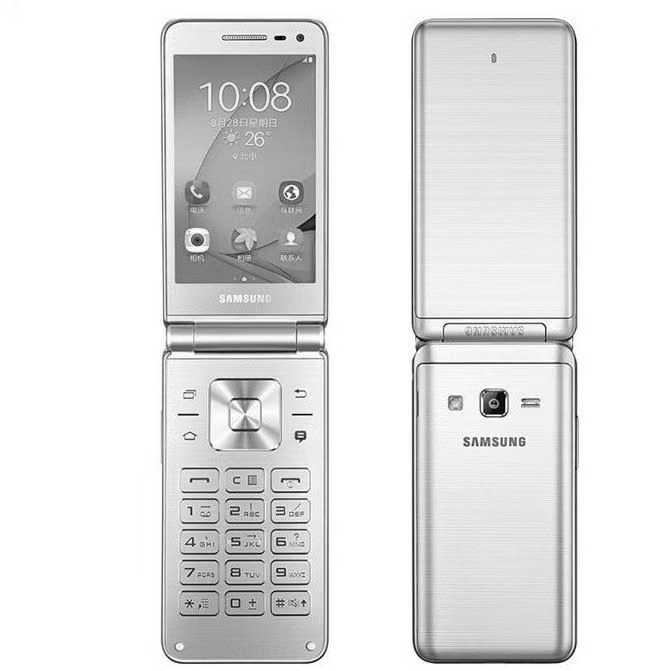
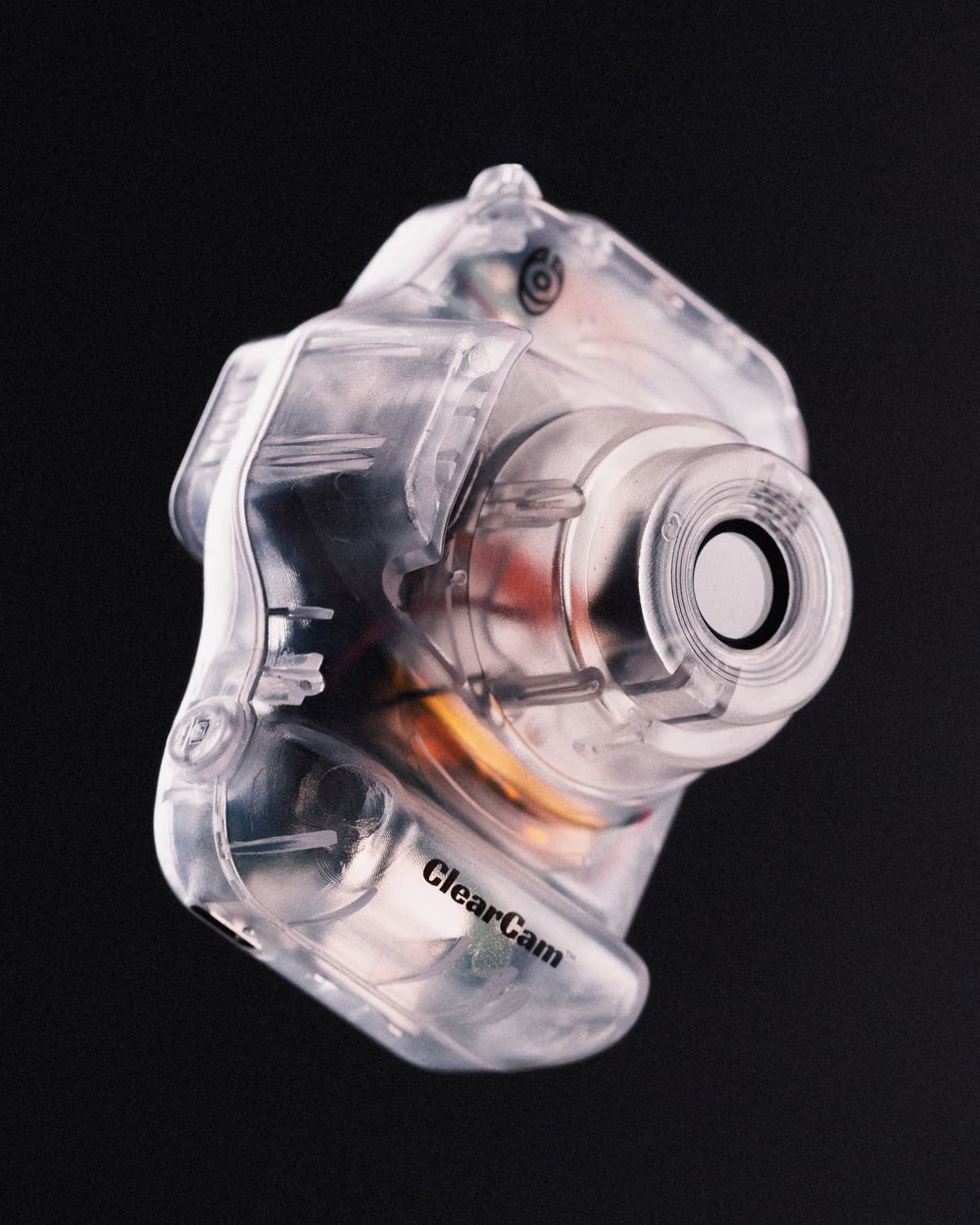
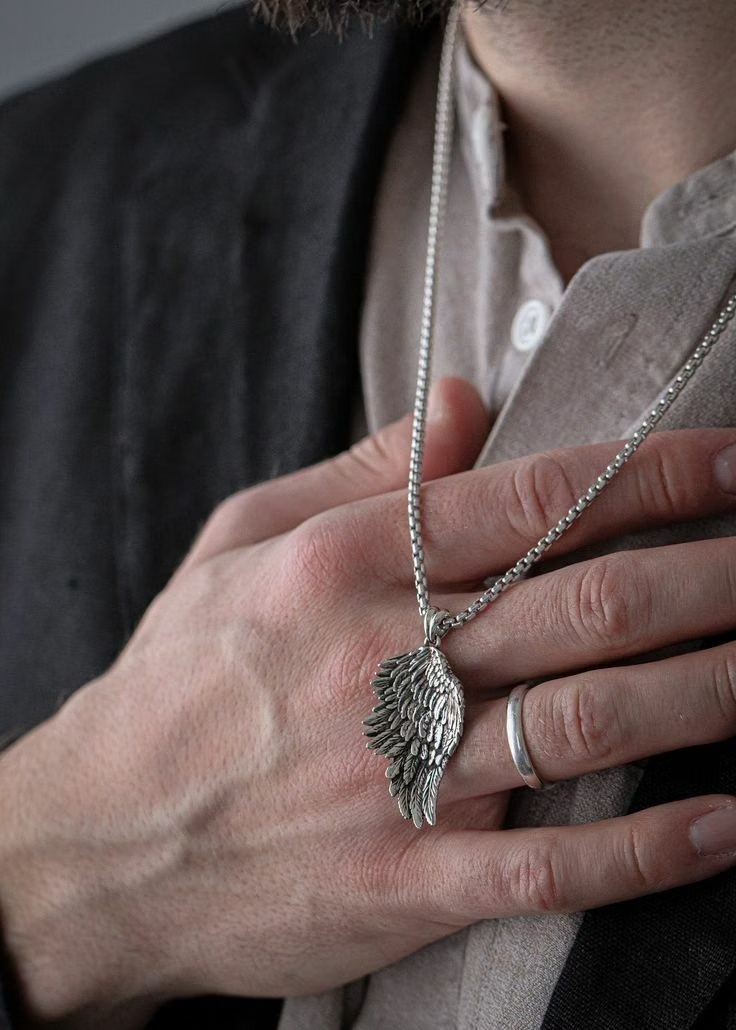
- saturated cyber blue, silver chrome, retro-anime edits, early-software windows, flip phones and cameras, angels butterflies and planets. In daisyUI themes, set `--depth: 1;`.
- Best suited to
- Music, fashion, youth communities, games, virtual creators, entertainment, and nostalgic social products.
- Layout principles
- Assemble a layered desktop or image-board collage from overlapping legacy windows, anime crops, devices, and floating symbols, while preserving one stable readable pane for the main task.
History and origins
A fact-checked account of where this visual language came from, with links to the references used.
- Period
- Early-2020s revival drawing on late-1990s and early-2000s sources
- Origin
- Pinterest, TikTok, and online nostalgia communities
Cybercore is a revivalist internet aesthetic rather than a term broadly used during the original Y2K period. It emerged around 2020 as a curated mixture of early digital graphics, anime, virtual-idol imagery, chrome, angels, blue light, and cyber nostalgia; the name is sometimes used for original Y2K futurism, which makes its boundaries unstable.
Moodboard and visual references
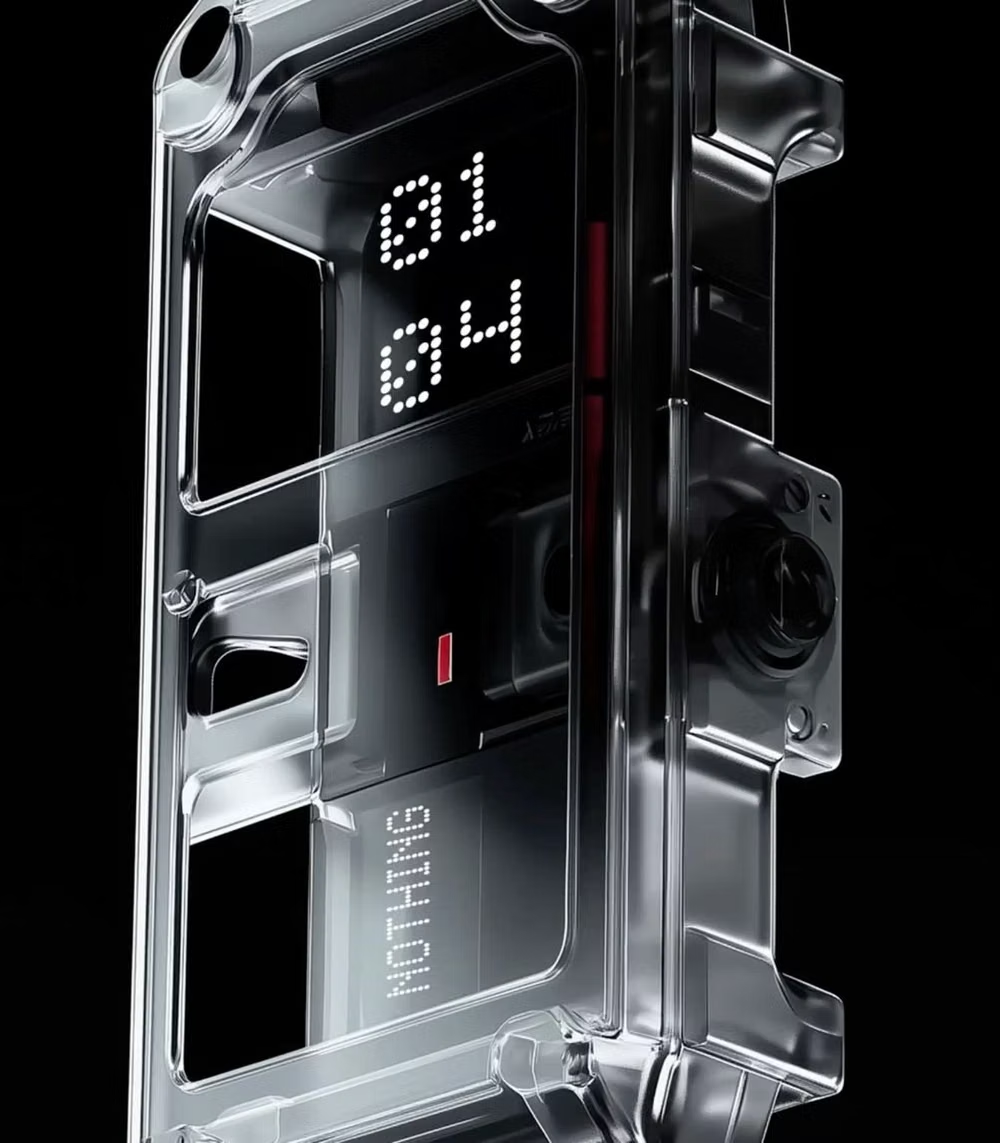
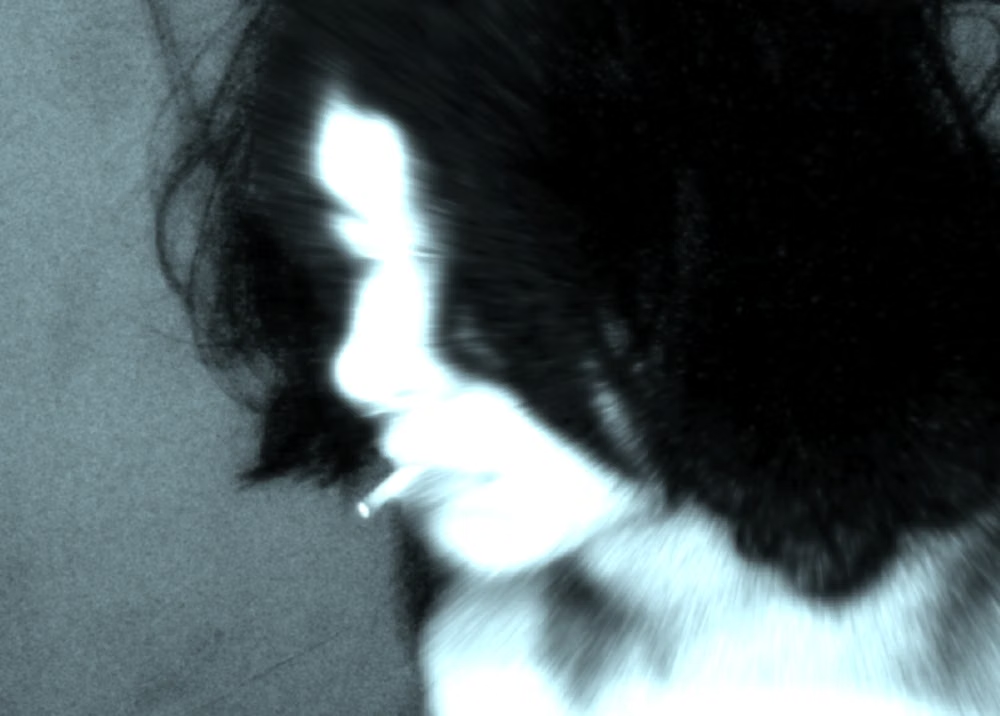
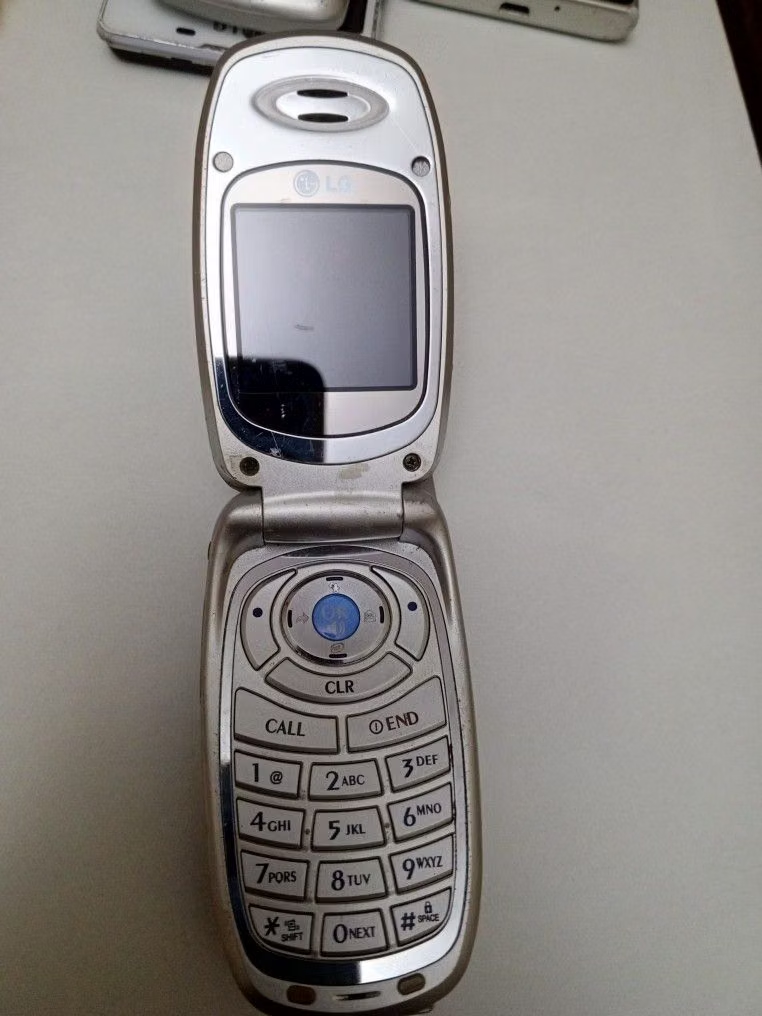
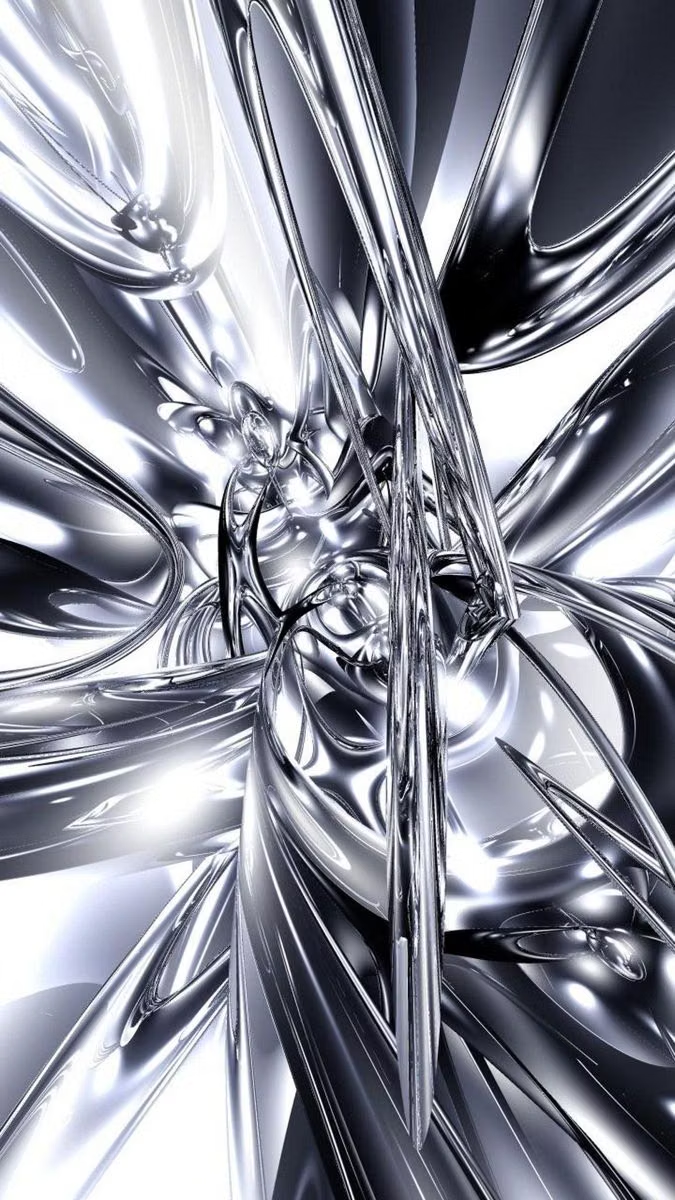
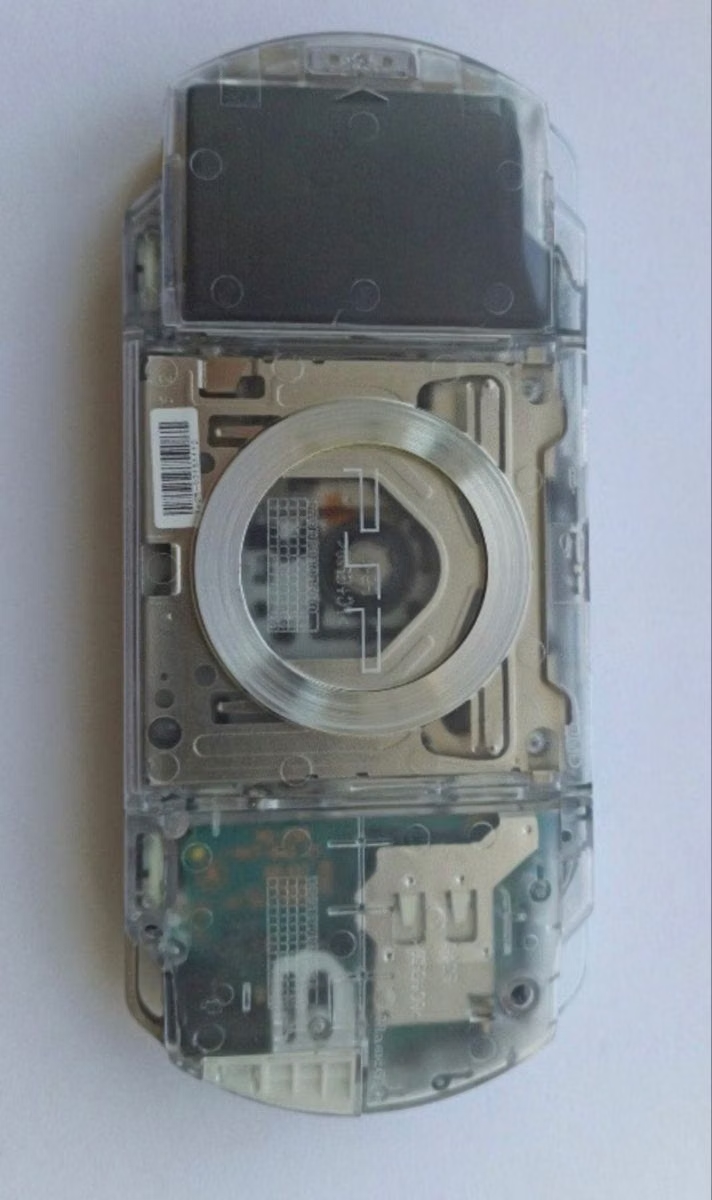
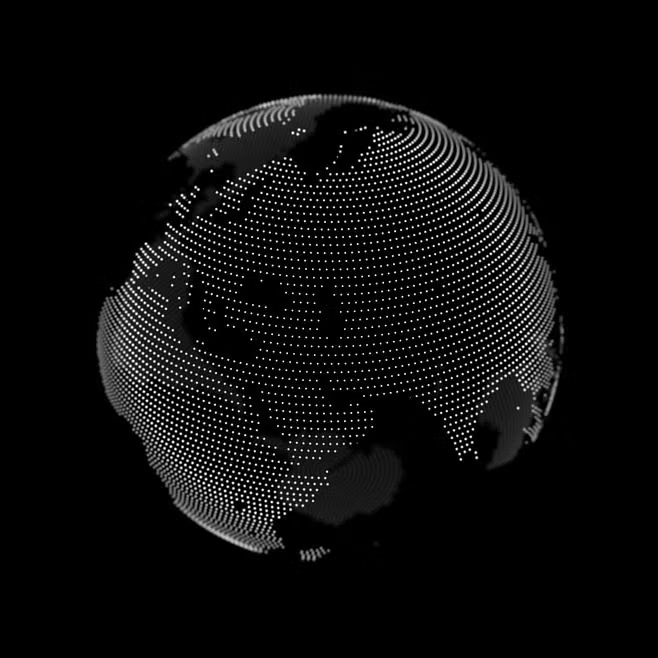
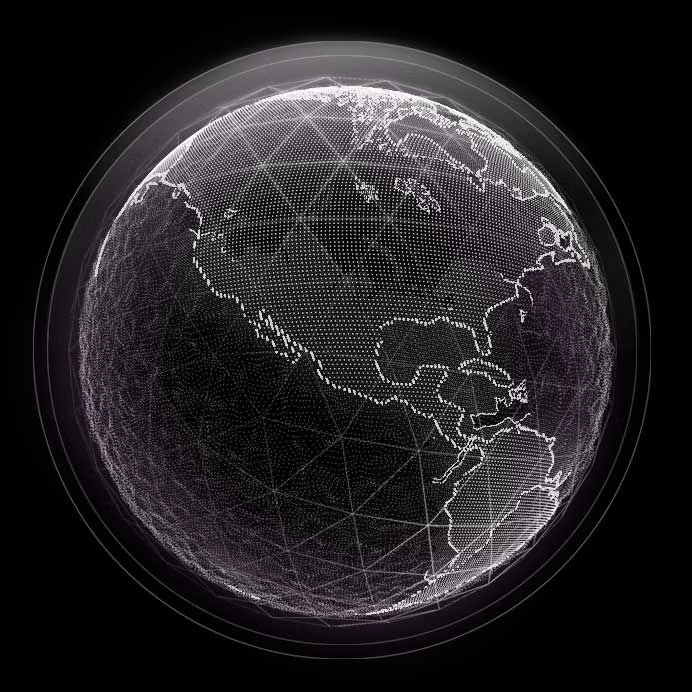
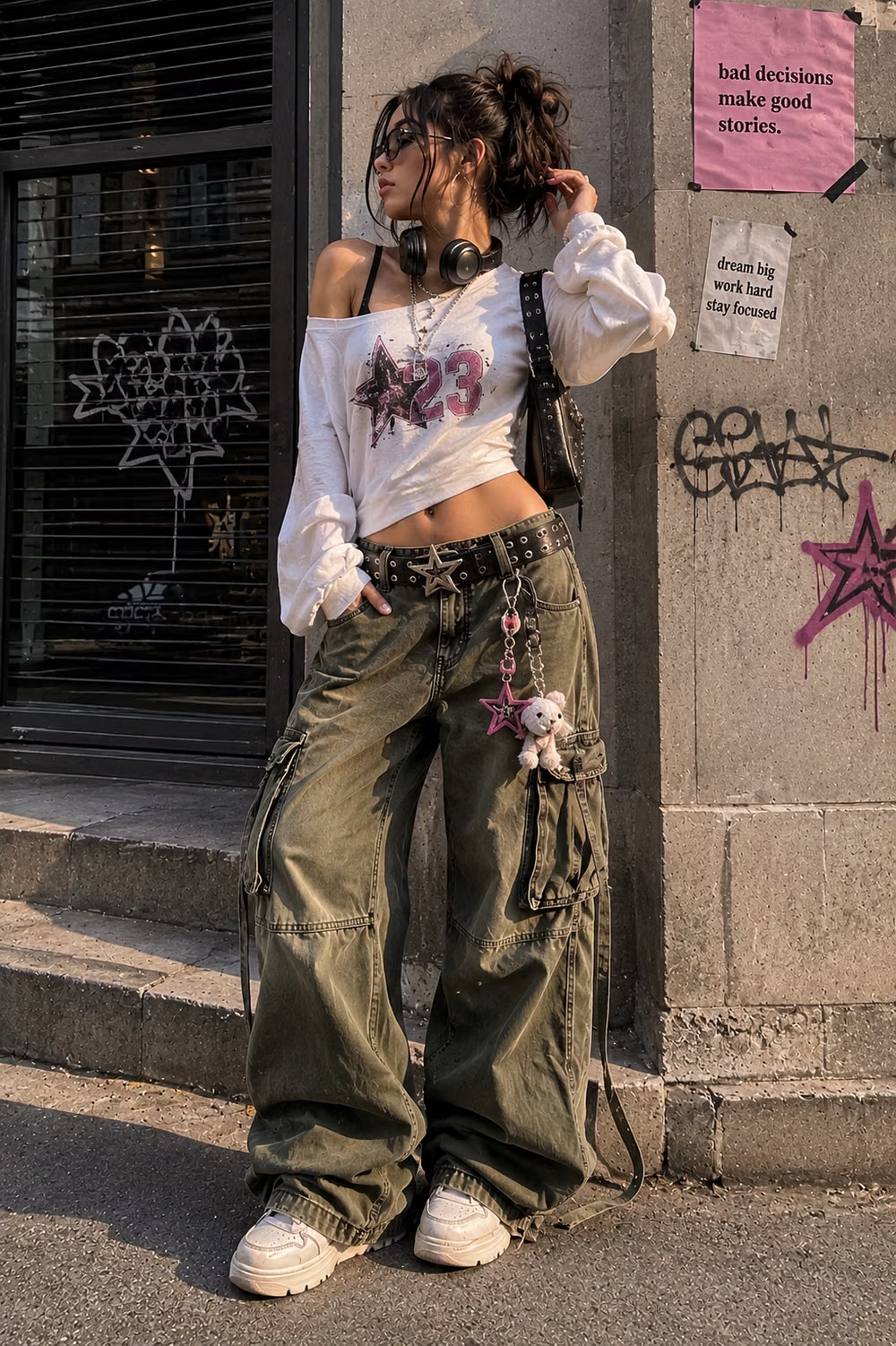
A visual study of the forms, inspirations, materials, colors, type, and cultural references associated with this UI design style.


Design principles and implementation
Use these principles to write a focused AI UI design prompt instead of asking for a vague visual treatment.
Color direction
Center saturated cobalt and electric blue with deep violet, chrome silver, harsh white, and occasional pastel pink, using cold gradients, scan glow, and holographic highlights. In a daisyUI theme, use electric cobalt for `primary`, deep violet or pastel pink for `secondary`, and assign harsh white, ice gray, and chrome gray to `base-100`, `base-200`, and `base-300`.
Imagery direction
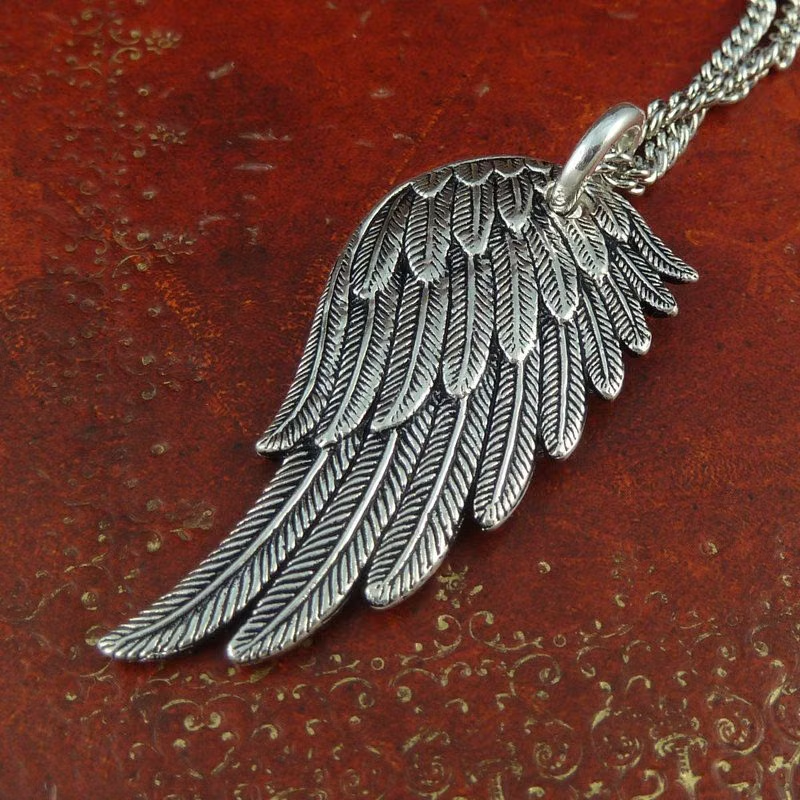
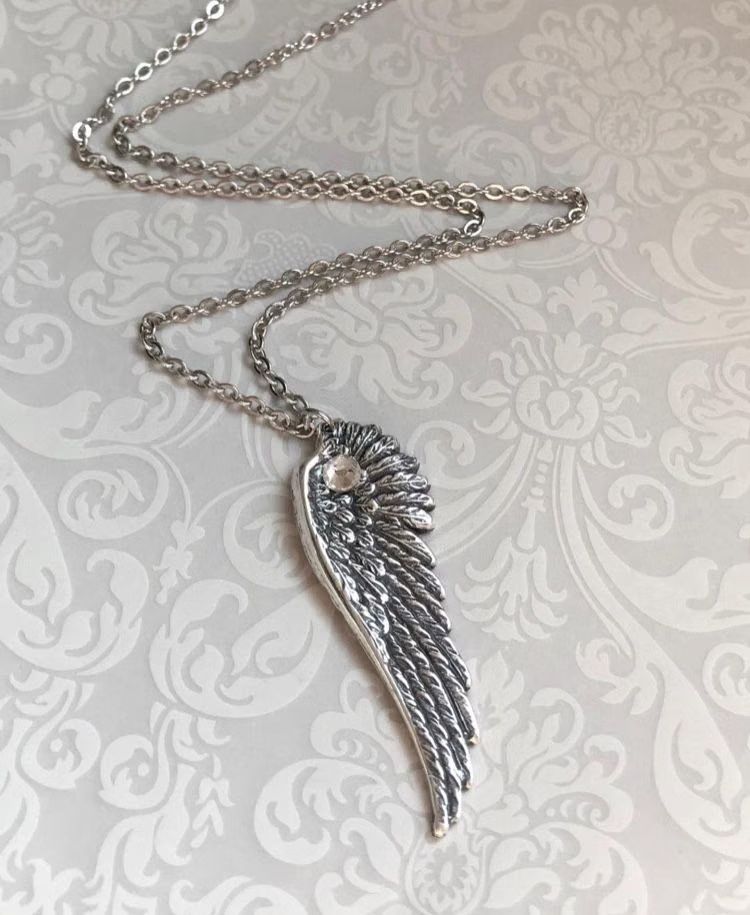
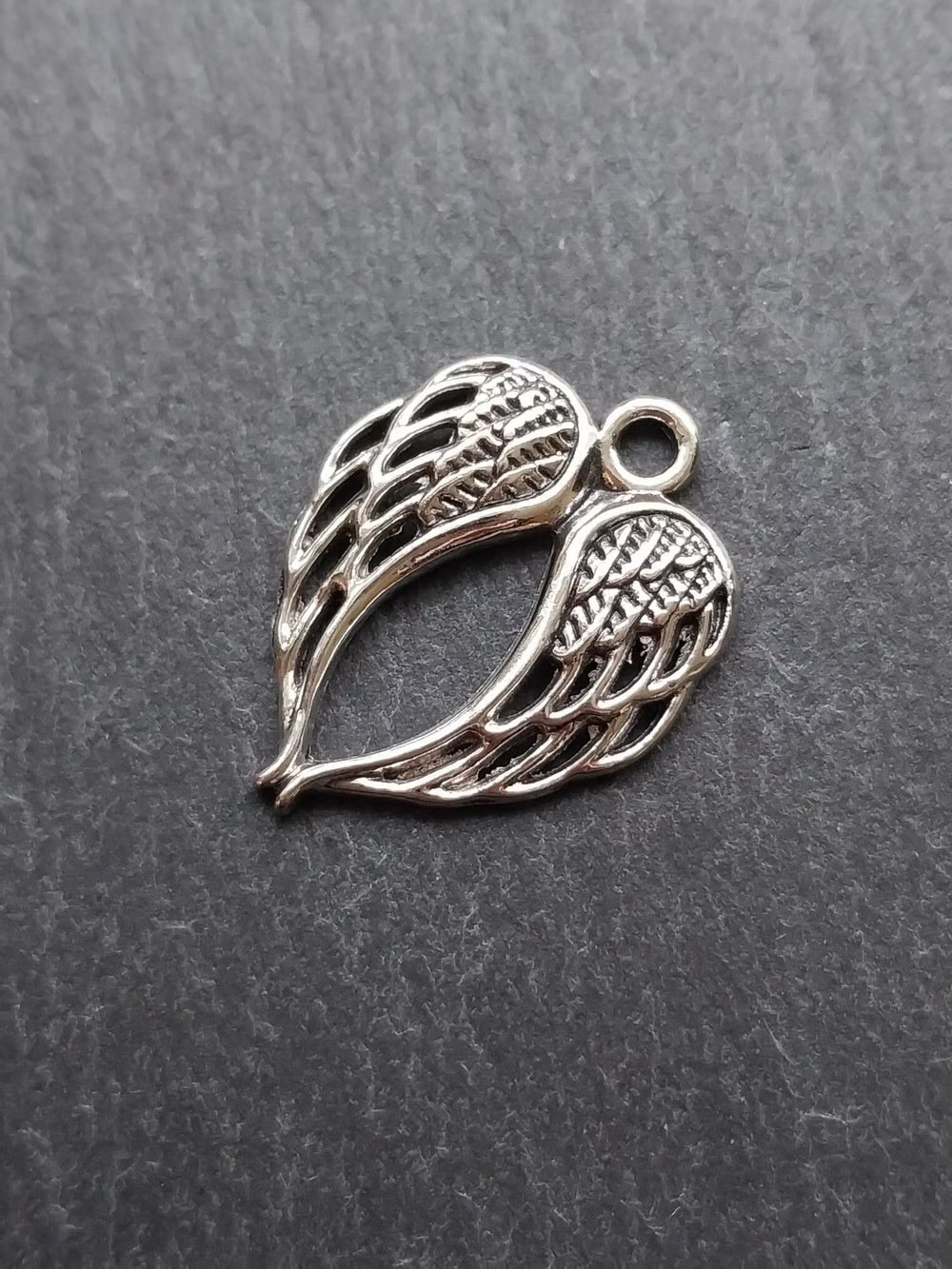
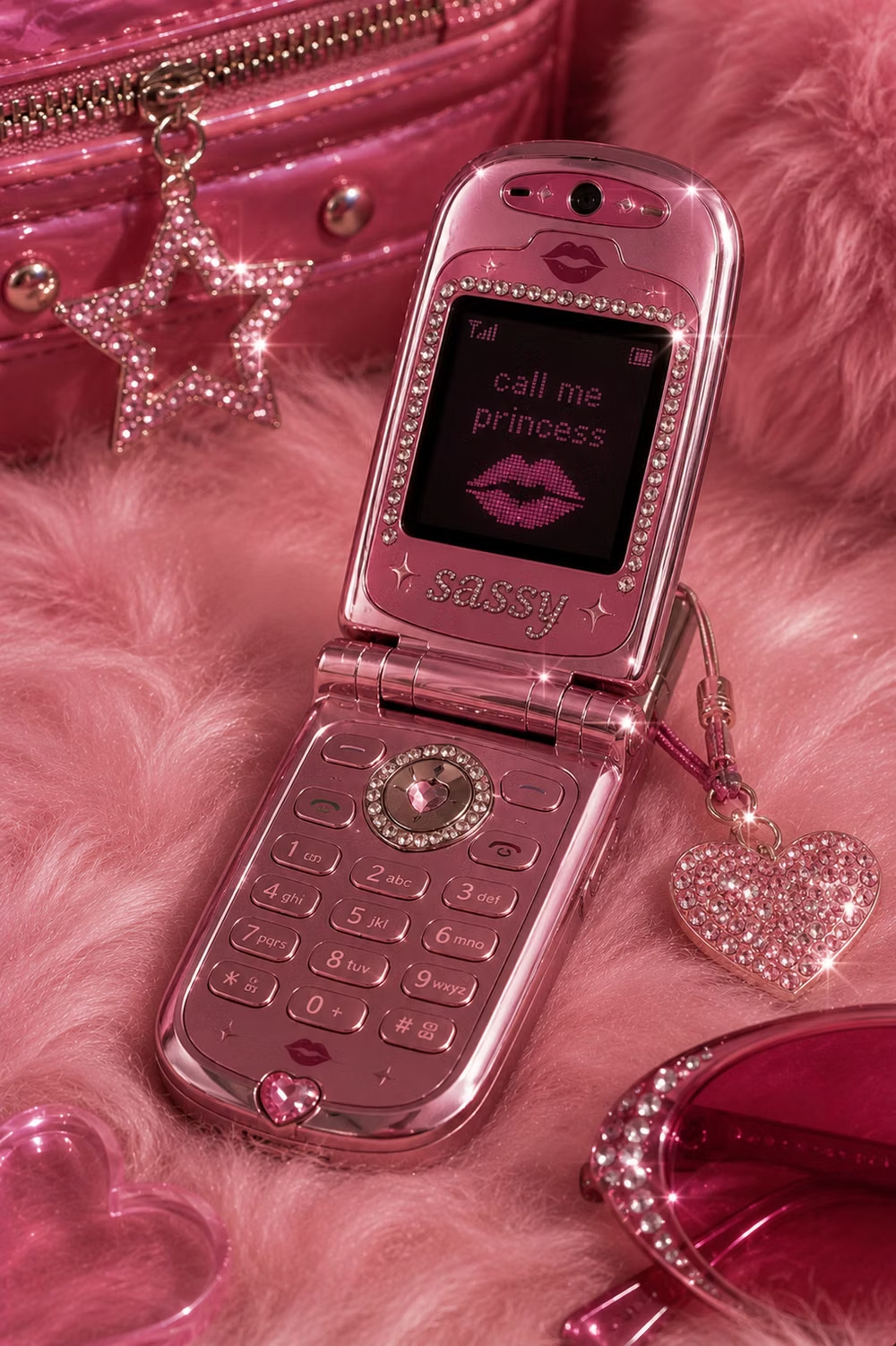
Mix late-1990s anime frames, virtual idols, flip phones, digital cameras, cursors, dialog boxes, butterflies, angel wings, hearts, moons, planets, wireframes, and low-poly renders.
Content density
Use high visual collage density but low to medium copy, separating essential controls from the nostalgic artifacts through one consistent blue-white contrast system.
Motion direction
Use cursor trails, window pops, CRT scans, slow orbital movement, holographic shimmer, and wistful crossfades rather than the aggressive alarms and corruption of cyberpunk.
Shape language
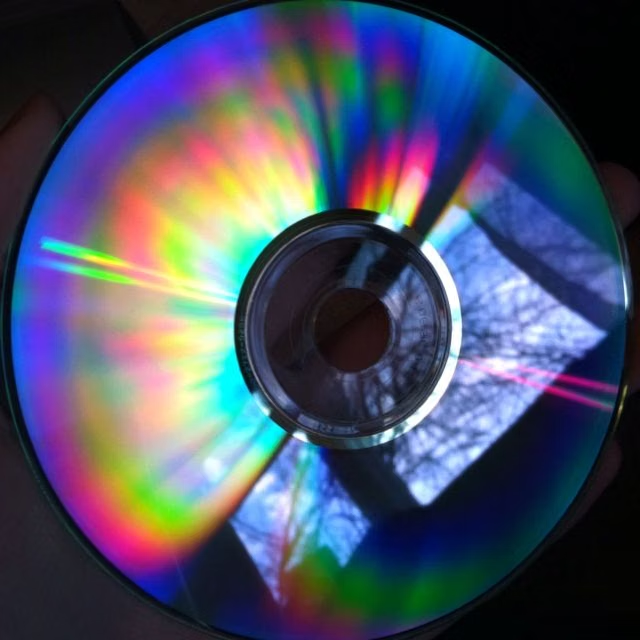
Use thin legacy window frames, pixel cursors, chrome hearts and stars, wing silhouettes, orbital rings, translucent discs, and simple low-poly forms. In daisyUI themes, set the `--radius-*` variables between `0.75rem` and `1.5rem`.
Typography rules
Pair a narrow techno or Japanese-compatible pixel face with a clean sans-serif, reserving luminous or distorted lettering for short decorative fragments.
Suggested Typfaces
DotGothic16
Fresh daisies glow in warm sunlight
Fresh daisies glow in warm sunlight
1 2 3 4 5 6 7 8 9 0
M PLUS 1 Code
Fresh daisies glow in warm sunlight
Fresh daisies glow in warm sunlight
1 2 3 4 5 6 7 8 9 0
Oxanium
Fresh daisies glow in warm sunlight
Fresh daisies glow in warm sunlight
1 2 3 4 5 6 7 8 9 0
Rajdhani
Fresh daisies glow in warm sunlight
Fresh daisies glow in warm sunlight
1 2 3 4 5 6 7 8 9 0
Zen Dots
Fresh daisies glow in warm sunlight
Fresh daisies glow in warm sunlight
1 2 3 4 5 6 7 8 9 0
Build a Cybercore interface with daisyUI
The live example translates this direction into daisyUI components and semantic theme tokens.
To generate a full page in the same visual language, give the style name and the design rules above to Blueprint MCP.
Related UI design styles
Compare nearby visual languages that share typography, shapes, use cases, or signature elements.
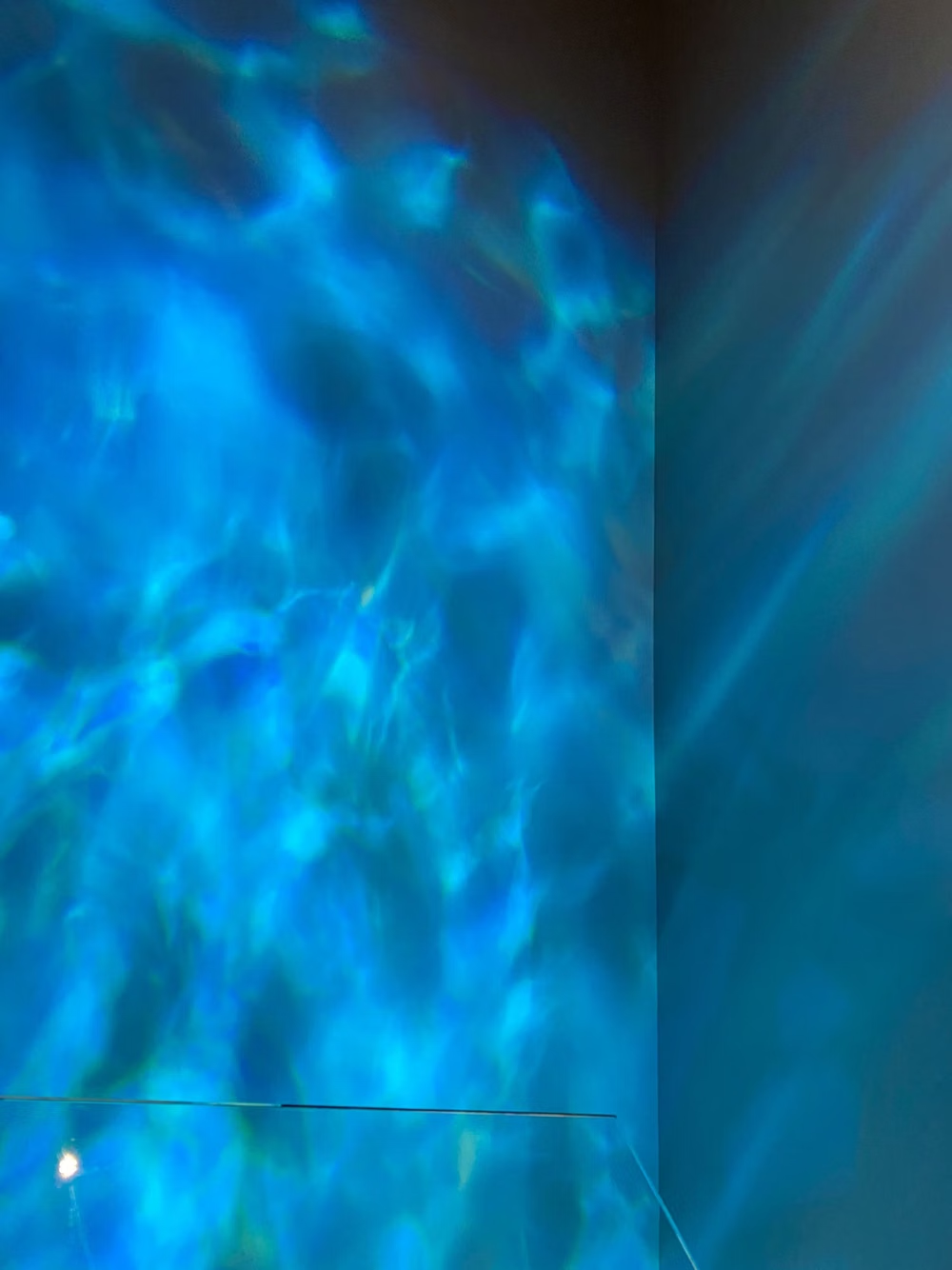
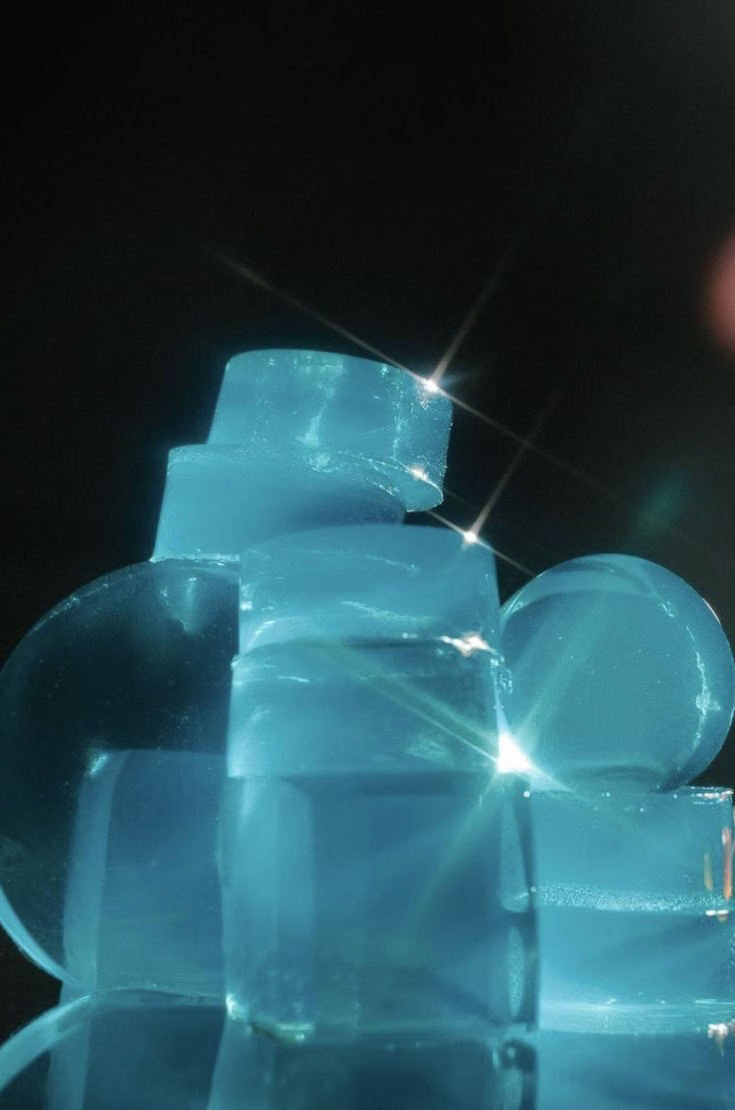
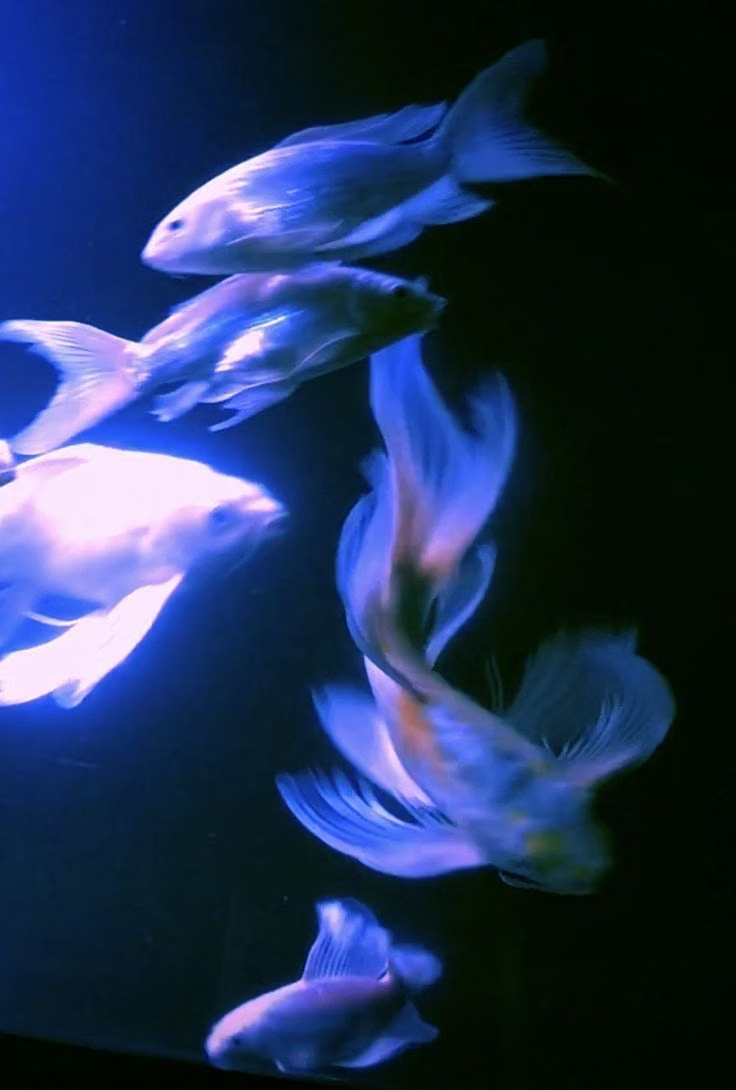
Aqua UI design style
Glossy gel-like controls, candy colors, translucent highlights, pinstripes, and vivid dimensional icons.
Y2K UI design style
Glossy chrome, translucent plastics, bubble typography, metallic gradients, compact devices, and turn-of-the-millennium digital optimism.
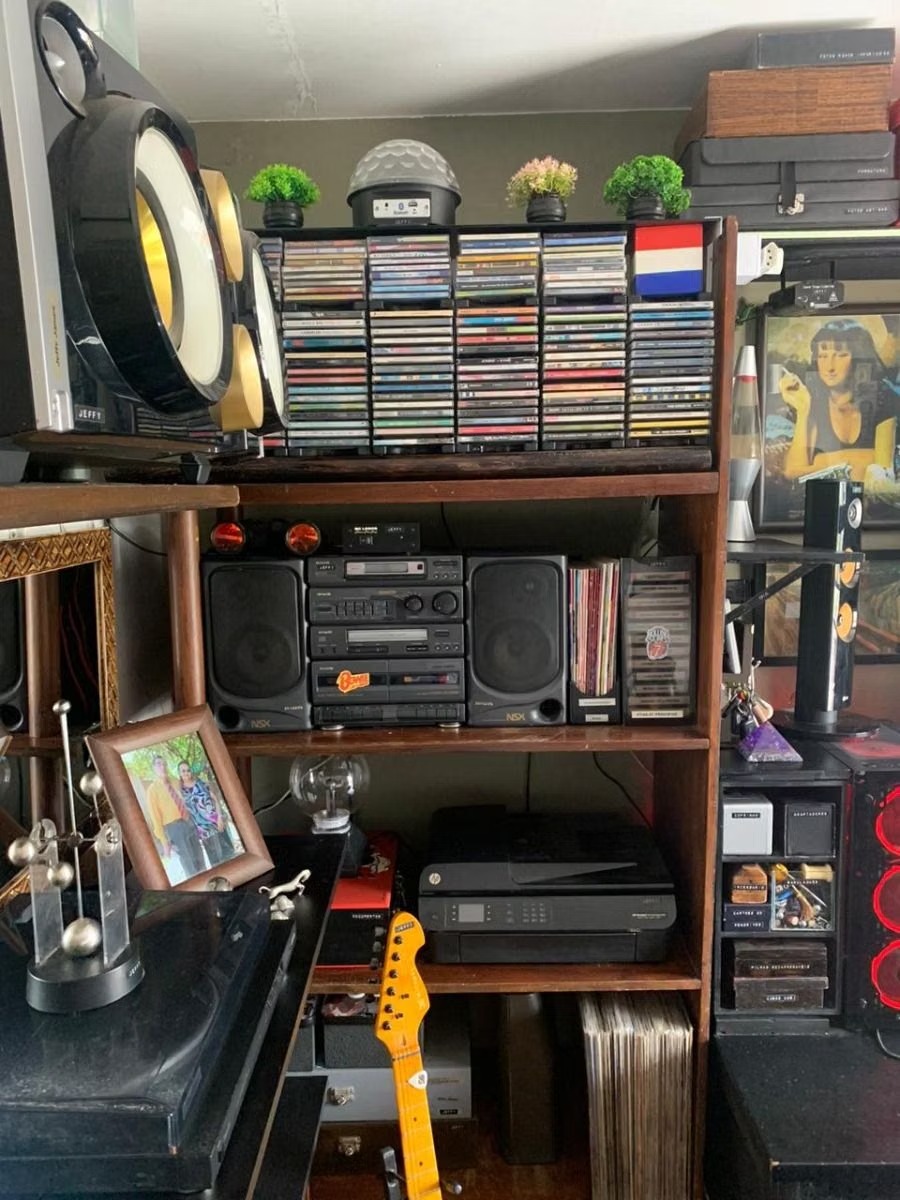
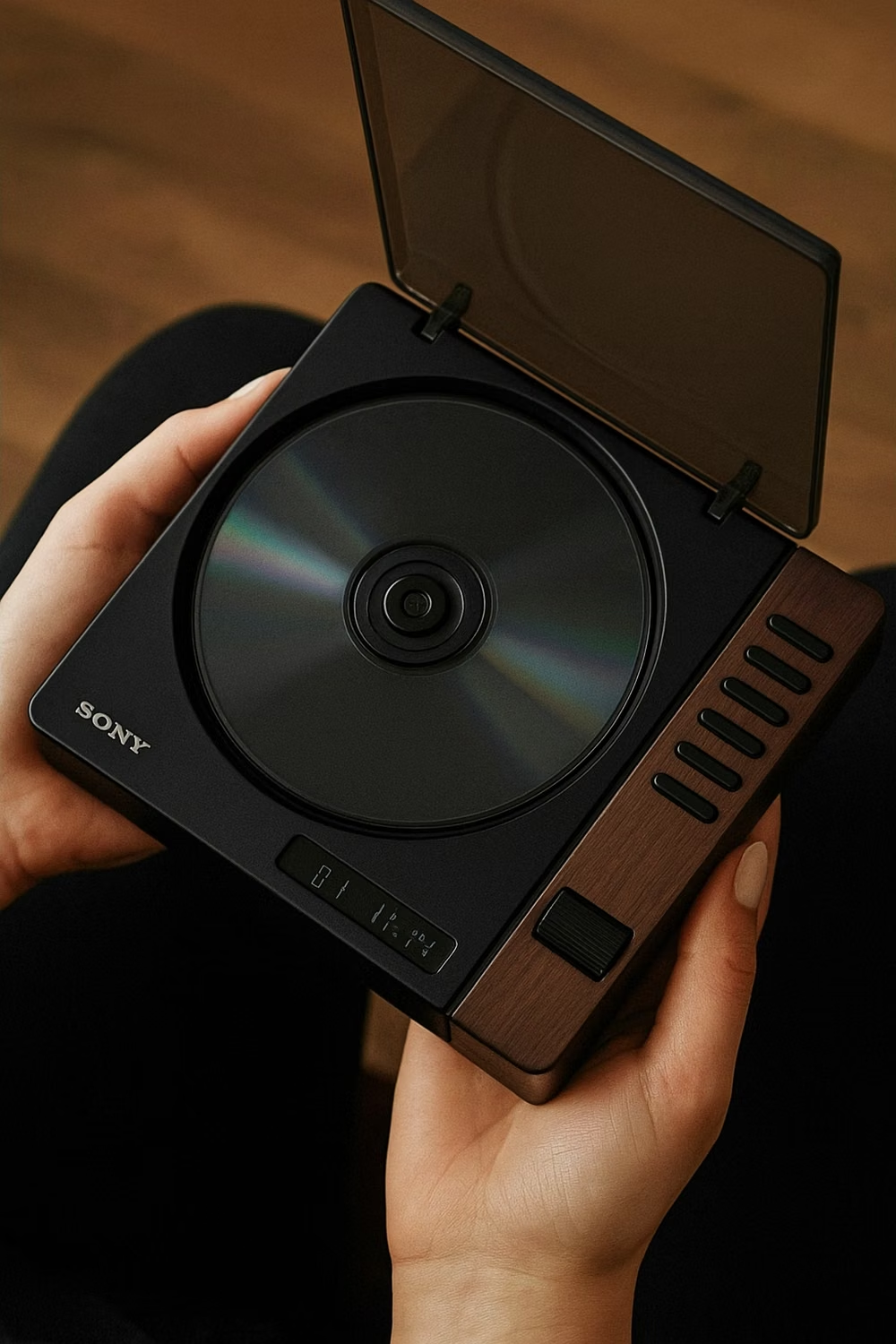
Y2K Techno-Skeuomorphism UI design style
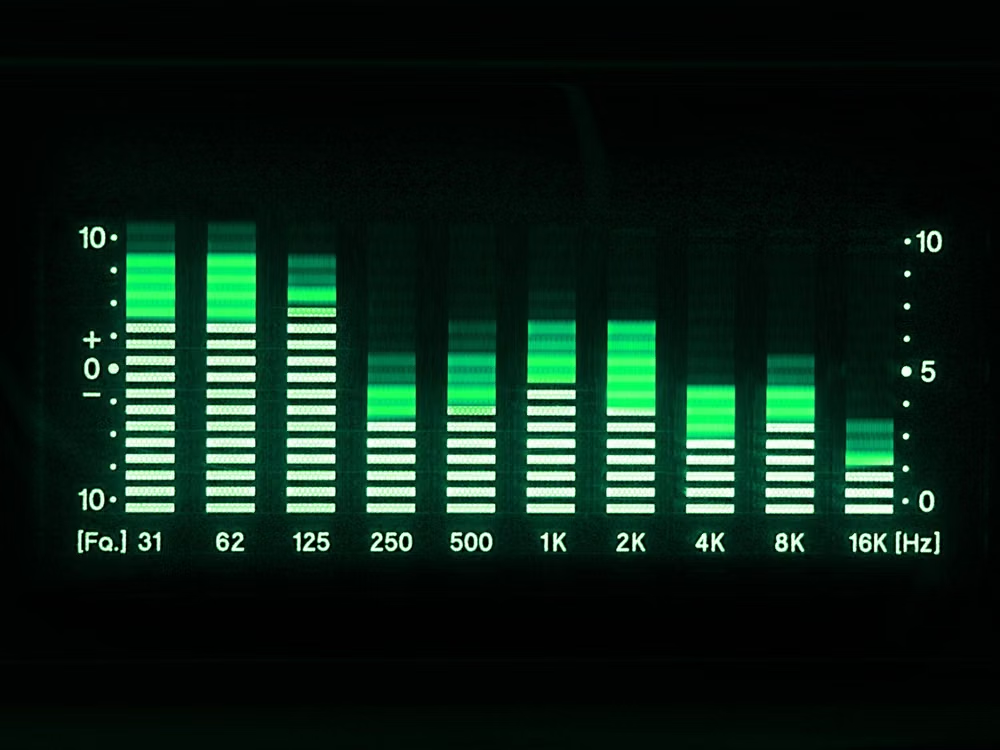
Early-2000s skinnable media-player interfaces model software after futuristic audio equipment; the style is also recognized as Y2K Media Player UI, Chrome Futurism, Skinnable UI, Techno Skeuomorphism, or Millennium Futurism.